





 Portuguese
  English
  Spanish
  5 min of reading
  15 comments


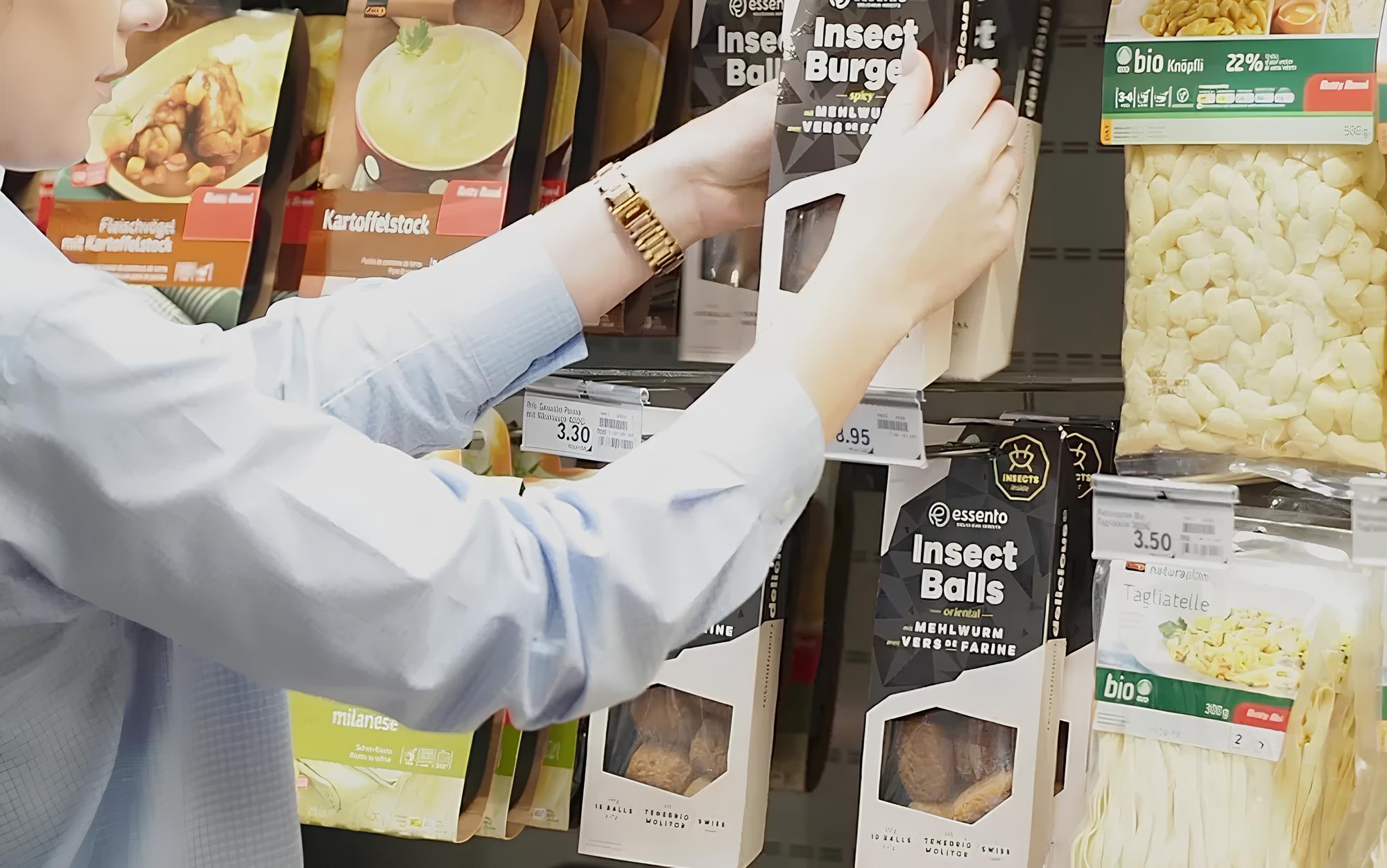


With Insects Allowed for Sale in Supermarkets, Switzerland Creates a New Market for Alternative Protein, Boosts Foodtechs, and Breaks Food Taboos in Europe.
Switzerland has become one of the first countries in the world to officially allow the sale of insects for human consumption in supermarkets. The decision marked a historic break with centuries of food taboos in the West and placed the country at the center of the premium alternative protein revolution. Unlike nations that have made timid advances through experimental restaurants, Switzerland directly authorized the entry of insects onto supermarket shelves, alongside traditional meats, pasta, and frozen foods.
The result was immediate: the emergence of new foodtechs, the creation of processed insect-based products, embryonic exports, and a silent yet profound movement to transform the European food logic.
The Regulatory Decision That Changed the Game in Food Retail
The allowance for insects was authorized by the country’s food safety authority, the Swiss Federal Food Safety Office, which began permitting the commercialization of three specific species for human consumption: house cricket, mealworm larva, and migratory locust.
-
Historic bankruptcy of Centauro shocks the market, and the century-old company puts more than 500,000 products, machines, and complete infrastructure up for online auction.

-
New shoe factory in Ceará is expected to create 400 jobs and strengthen the local economy.

-
No one imagined it, but a mixture of sawdust with a mineral that fights fires surprises scientists with a result that changes the course of fire-resistant construction.
-
From empty land to a high-end house, wooden construction uses a lightweight system, metal structure for the foundation, ventilated ceramic cladding, and special windows to create an efficient and comfortable living space throughout the year.




The authorization included strict rules for traceability, controlled environment breeding, absence of contaminants, sanitary standardization, and mandatory labeling.
From this legal milestone, supermarkets began to offer insect burgers, protein snacks, enriched pasta, and frozen products, all legally certified.
From Cultural Repulsion to Transformation into Premium Product
For centuries, the idea of eating insects has been associated with scarcity, poverty, or cultural eccentricity. Switzerland completely inverted this logic by positioning the products as:
- – functional food
- – sustainable protein
- – gourmet item
- – premium alternative to traditional meat
Instead of competing on price with chicken or beef, insect-based products occupy the same symbolic shelf space as organic, vegan, and functional foods. Consumers are not just purchasing protein. They are buying environmental purpose, innovation, and nutritional exclusivity.
Supermarkets as the Gateway to the New European Protein
The authorization for direct sale in supermarkets was the decisive factor that set Switzerland apart from the rest of Europe at that time. While other countries limited consumption to fairs, experimental restaurants, or gastronomic events, the Swiss normalized insects as a everyday retail product.
Consumers could now find:
– refrigerated insect burgers
– crispy cricket snacks
– pasta with larva protein
– alternative meatballs
– ready-to-use protein blends
All with clear nutritional labeling, indicating high protein content, low environmental impact, and absence of antibiotics.
Why Insects Fit into Swiss Sustainability Logic
Switzerland is one of the most advanced nations in the world regarding environmental policies. Insect farming fits perfectly into this model due to its: minimal water consumption, nearly zero agricultural land requirement, extremely low CO₂ emissions, organic waste reuse, and ultra-quick production cycles.
While cattle farming requires years, vast areas, and large water volumes, insects reach slaughter weight in just a few weeks. This transforms alternative protein into a climate strategic asset.
The Impact on the Premium Protein Market in Europe
The normalization of insects in Swiss retail triggered a cascading effect in other European countries. Switzerland has become seen as a real laboratory for the food of the future, influencing regulatory decisions in:
– France
– Germany
– Netherlands
– Denmark
– Belgium
In this environment, mistakes are quickly detected and successes become continental references.
Nutritional Value that Supports Long-Term Investment
The insects allowed in Switzerland have protein content between 55% and 75%, and are also rich in:
- iron
- zinc
- vitamin B12
- calcium
- essential amino acids
From a biochemical perspective, insect protein directly competes with red meat, but with a fraction of the environmental impact. For a rapidly aging society, this becomes a central element of food policy.
The Direct Influence of FAO International Guidelines
The Swiss turnaround directly corresponds to the studies by the FAO, which since the 2010s has recommended entomophagy as a strategic alternative for global food security.
The FAO points to insects as an especially important solution to: reduce pressure on ocean fishing, decrease emissions from livestock, cut dependence on soy, and increase food resilience in the face of crises.
Switzerland was among the first European countries to translate this recommendation into concrete public market policy.
Foodtechs, Startups, and the New Swiss Industrial Chain
Following the allowance, a new production chain emerged involving:
- industrial insect farms
- processing laboratories
- functional food factories
- nutritional research centers
- premium distribution networks
This structure generates highly qualified jobs and positions Switzerland not only as a consumer market but also as a European hub for innovation in alternative protein.
Insects Do Not Replace Meat, But Transform the Logic of the System
Just like in South Korea, insect protein in Switzerland does not seek to eliminate meat from the consumer’s plate. The goal is different: to reduce the structural dependence on traditional meat and create a diversified mesh of protein sources.
In practice, part of the protein previously guaranteed exclusively by beef, chicken, and fish is now provided by: insects, high-protein vegetables, and precision fermentation.
This dilutes risks of scarcity, logistical crises, and price volatility.
The Psychological Factor of Social Acceptance
The greatest barrier to insect protein has never been technical. It has always been psychological. By placing the products in supermarkets alongside traditional meats, Switzerland has promoted a social normalization effect.
The insect ceases to be exotic. It becomes just another option on the shelf.
The Silent Economic Impact of the New Market
Although the volumes are still modest compared to meat, the added value of the products is high. This creates a market for:
– high margins
– constant innovation
– strong sustainable appeal
– loyal consumers
This model fits perfectly with the Swiss economic profile: less volume, more value per unit.
Switzerland as a Showcase for the Future of Food in the West
The country is not the largest producer or consumer of insects in the world. But today, it is one of the most symbolic countries in the cultural transition of alternative protein in the West.
By bringing insects directly to the supermarket, Switzerland has taken the step that many governments have avoided due to fears of social rejection.
What This Movement Signals for the Future of Global Protein
The message is clear: the protein of the future will not be defined solely by taste, but by environmental impact, production efficiency, and food security. In this new playing field, insects cease to be a curiosity and become invisible infrastructure for 21st Century nutrition.










o ecologismo também é comunista;esses paises são conunistas e estão regredindo,daqui a pouco tempo vamos ver estes países na miséria e na fome.lamentável!a a imprensa brasileira vai apoiar estas práticas e advogar que o nossos país faça o mesmo;claro!a imprensa brasileira também é comunista e apoia a nesma corrupção alimentar da população da Suíça pela combinação de carne de ****,soja e macarrão com insetos;daqui alguns anos nem vão se preocupar se os alimentos estarem contaminados com insetos que transmitem doenças;inclusive baratas porque diram que é saudável,alimenta bem e bom para o meio ambiente!só vai faltar dizerem que os contrários são a extrema direita,****,conspiracionistas e contrários ao estado democratico de direito!
mas tem razão ao irmão que escreveu quevos ricos vão comer do bom e do melhor que é nem mais nem menos a proipia esquerda!
Fiz comentário contra essa matéria e a favor de consumir carne
Kd minha publicação?
Ainda nao a vi kkk
Enquanto induzem o povo comer insetos os ricos e políticos comem picanha ,lagosta , salmão e vinho , isso é ridículo !
Tudo em nome da “sustentabilidade”
Segundo porque será que a famosa Europa incentiva isso?
Porque é país de primeiro mundo?
É o exemplo do mundo?
Não! Acho que não é isso
Será que porque lá nao tem mata, pastos, florestas e nascentes como aqui no Brasil?
Eles compram as carnes daqui e de outros lugares,enchem a pança de carne bovina pra depois apregoar: olha a sustentabilidade hein, comam produtos veganos ,comam carne de soja, agora vem com insetos ..
Enquanto alguns aceitarem essa ” nova forma de comer” eles estarão comendo do bom e do melhor.
Sabe qual é a verdade ?
É que não terá carne boa pra todo mundo daqui um tempo , “bora induzir a massa a comer outra opção não é isso mesmo” ????