





 Portuguese
  English
  Spanish
  5 min of reading
  0 comments


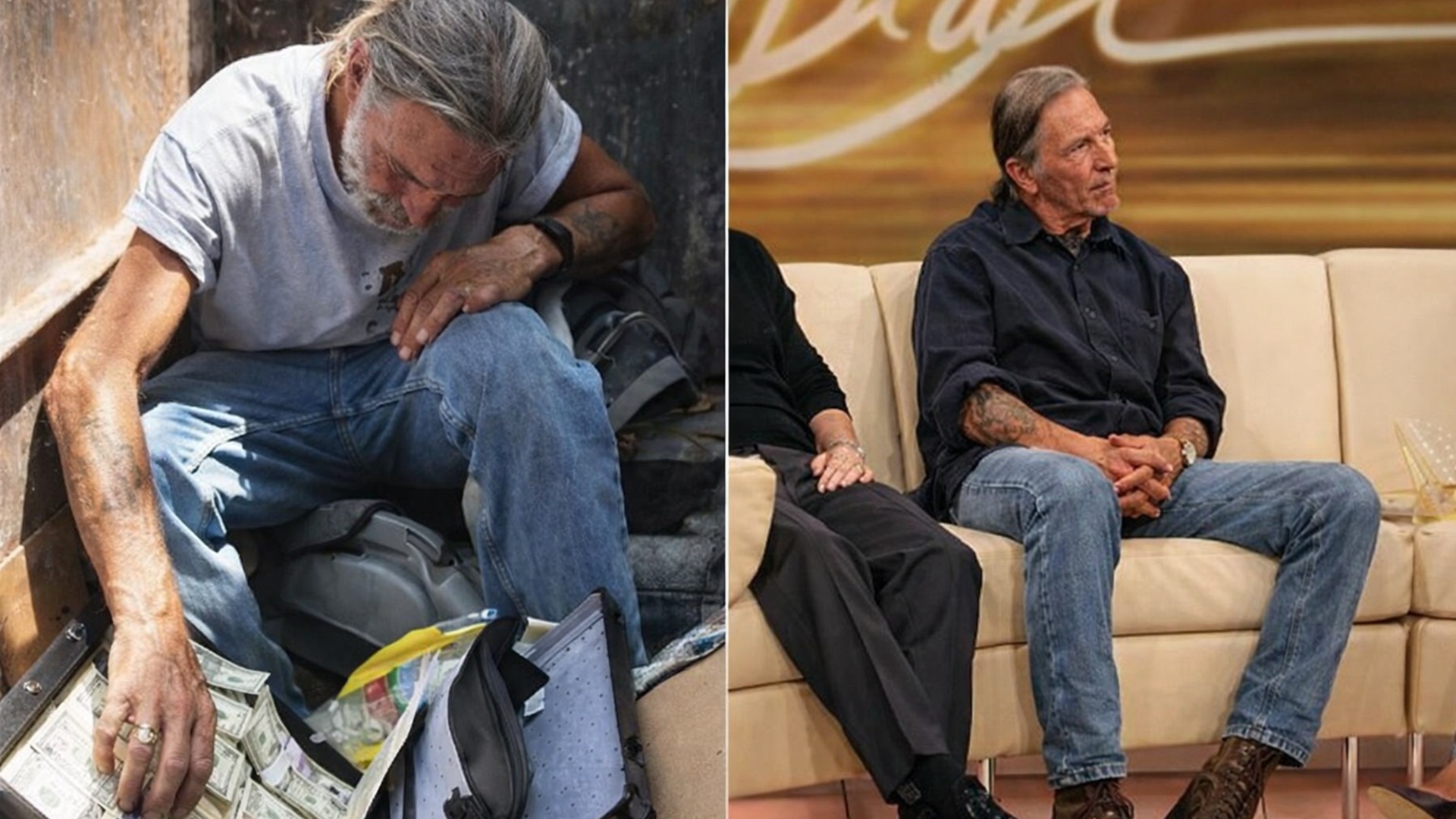
Production Aired in the United States Followed Over Months the Routine, Consumption Decisions, and Social Effects Faced by a Man Experiencing Homelessness After Receiving US$ 100,000 Without Restrictions, Registering Immediate Impacts and Limits of Isolated Financial Change
In 2005, a documentary aired by Showtime followed a man experiencing homelessness in Pasadena, California, who came to possess US$ 100,000 without restrictions on its use, capturing how sudden access to money altered decisions, personal relationships, and living conditions, while also revealing the structural limits of this transformation.
The Documentary’s Proposal and the Initial Context
The documentary Reversal of Fortune was designed to directly observe what happens when a person living on the streets gains immediate access to a large sum of money. The production chose to document everyday choices without imposing rules on how the money should be spent.
Before receiving the money, Ted Rodrigue lived in Pasadena, surviving by collecting cans and bottles for recycling. His daily income varied between US$ 20 and US$ 35, just enough for basic food and immediate needs, with no prospects for stability or long-term planning.
-
Friends have been building a small “town” for 30 years to grow old together, with compact houses, a common area, nature surrounding it, and a collective life project designed for friendship, coexistence, and simplicity.

-
This small town in Germany created its own currency 24 years ago, today it circulates millions per year, is accepted in over 300 stores, and the German government allowed all of this to happen under one condition.

-
Curitiba is shrinking and is expected to lose 97,000 residents by 2050, while inland cities in Paraná such as Sarandi, Araucária, and Toledo are experiencing accelerated growth that is changing the entire state’s map.

-
Tourists were poisoned on Everest in a million-dollar fraud scheme involving helicopters that diverted over $19 million and shocked international authorities.


The routine depicted at the beginning of the film highlights a life marked by unpredictability. The absence of fixed housing, formal work ties, and access to regular services shaped decisions focused solely on the short term, a central characteristic of the context in which the narrative experiment unfolds.
The Delivery of the US$ 100,000 and the First Changes
The turning point occurs when Rodrigue finds a suitcase containing US$ 100,000, a sum that is confirmed to be available for free use. The initial reaction, captured by the crew, combines surprise, distrust, and euphoria at the possibility of temporarily escaping life on the streets.
In the first few days after gaining access to the money, changes are immediate. Rodrigue stops sleeping outdoors, rents a motel room, buys new clothes, and starts consuming more regularly. Small purchases symbolize the transition to a routine with greater material comfort.
The documentary shows that, at this initial stage, money acts as a factor of basic reorganization of daily life. Having a place to sleep, food to eat, and transportation becomes a simple decision, no longer conditioned by the daily collection of recyclables or occasional help from others.
Personal Relationships, Consumption, and Expectations
With the new financial condition, Rodrigue’s social relationships also change. Street friends start to approach him more frequently, and former family ties are resumed after long periods of separation. Money begins to function as a mediator of these interactions.
The film captures encounters with relatives, more frequent phone contacts, and attempts to reinsert himself into previously inaccessible environments.
At the same time, new demands arise, requests for help, and external expectations about how that resource should be shared.
During this period, Rodrigue states that he is not interested in returning to formal work. The perception that the available sum would be sufficient for a long time influences immediate consumption decisions, without a structured financial plan or reserves for the future.
Financial Decisions and Absence of Planning
As the months go by, the documentary follows increasingly elevated spending. This includes the purchase of a vehicle, renting a house, and frequent expenses for leisure, food, and financial support to acquaintances. The consumption rate remains high.
Even after conversations with professionals introduced by the production, who explain savings and financial organization alternatives, Rodrigue shows resistance to limiting his spending. The audiovisual record emphasizes the contrast between technical guidance and practical choices.
This phase of the film contains much of the narrative tension. The initial sum of US$ 100,000, significant in absolute terms, begins to diminish quickly in light of recurring expenses and the absence of additional income sources, exposing the fragility of the new financial condition.
The Depletion of Money and the Return of Vulnerability
Over time, the received amount runs out. The documentary and later records indicate that after the money was gone, Rodrigue began to face housing and financial instability again, slowly approaching the condition in which he lived prior to the experience.
The production captures this moment as a progressive return to vulnerability. Without financial reserves and without a consolidated support structure, the available alternatives become limited, and life on the streets again becomes part of his daily reality.
The contrast between the period of abundance and the subsequent scenario reinforces one of the main narrative axes of the film. Isolated access to money produces immediate changes, but does not, by itself, guarantee a lasting overcoming of complex social conditions.
Social Implications Registered by the Narrative
By following Rodrigue’s individual trajectory, the documentary broadens the debate on urban poverty and policies addressing homelessness. The documented experience shows that one-time financial resources do not replace continuous support networks and structured services.
The narrative avoids simplistic conclusions and focuses on direct observation. The film presents money as a powerful, yet limited tool when disconnected from social support, access to healthcare, psychological support, and opportunities for economic reintegration.
In this sense, the story functions as a specific portrait of a localized experience in time and space, without the pretense of universalization. Still, the recorded case contributes to broader reflections on strategies to combat social exclusion.
A Documentary Portrait of Choices and Limits
The journey followed in Reversal of Fortune constructs a narrative centered on individual choices made under extreme conditions. The camera records decisions without direct interference, allowing the viewer to observe practical consequences over time.
In the end, Ted Rodrigue’s trajectory is not presented as a success or failure, but as a factual record of how a sudden change in resources impacts a life shaped by scarcity. The film concludes without offering solutions, maintaining focus on journalistic observation of the facts.










-

-

-

-

-

-

55 pessoas reagiram a isso.