





 Portuguese
  English
  Spanish
  4 min of reading
  0 comments


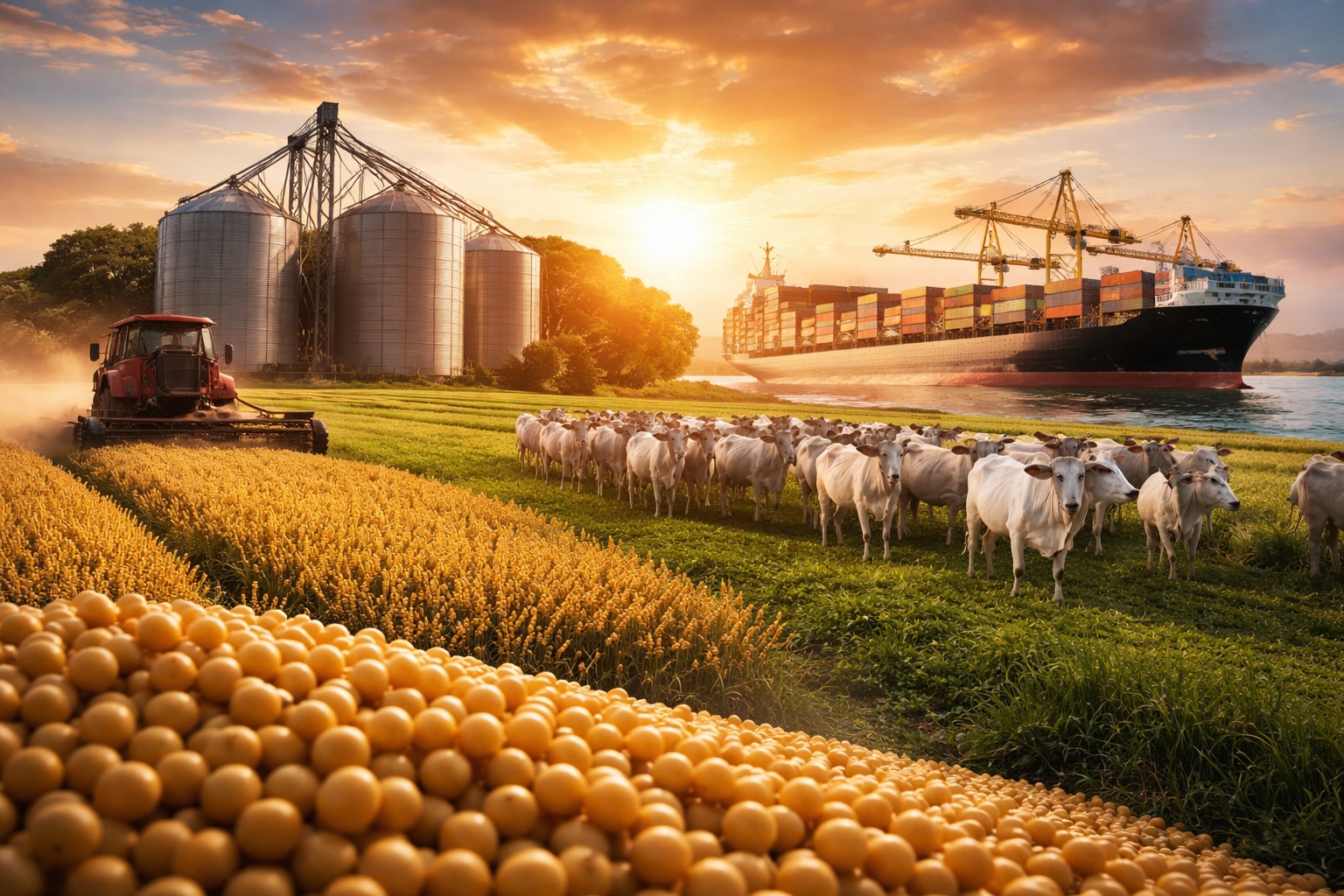
Despite 50% Tariff from the United States and Avian Influenza, Brazilian Agribusiness Accumulates US$ 155.3 Billion by November 2025 and Moves Toward Historic Annual Record
Even under external pressure, Brazilian agribusiness is expected to close 2025 with the highest performance in history in international sales. Between January and November, the sector accumulated US$ 155.3 billion in exports, surpassing previous results despite the 50% tariff imposed by the United States and the occurrence of avian influenza in a commercial farm in Rio Grande do Sul.
The amount represents a 1.7% increase compared to the US$ 152.6 billion recorded in the same period of 2024 and a 1.4% advance over the previous record, achieved in 2023, when exports totaled US$ 137.8 billion.
In ten years, the increase is even more expressive: in the same period of 2015, Brazilian agribusiness had exported US$ 81.3 billion, indicating growth of 90.9%.
-
The sugar-energy sector advances with agricultural technology, but agricultural productivity still raises concerns.

-
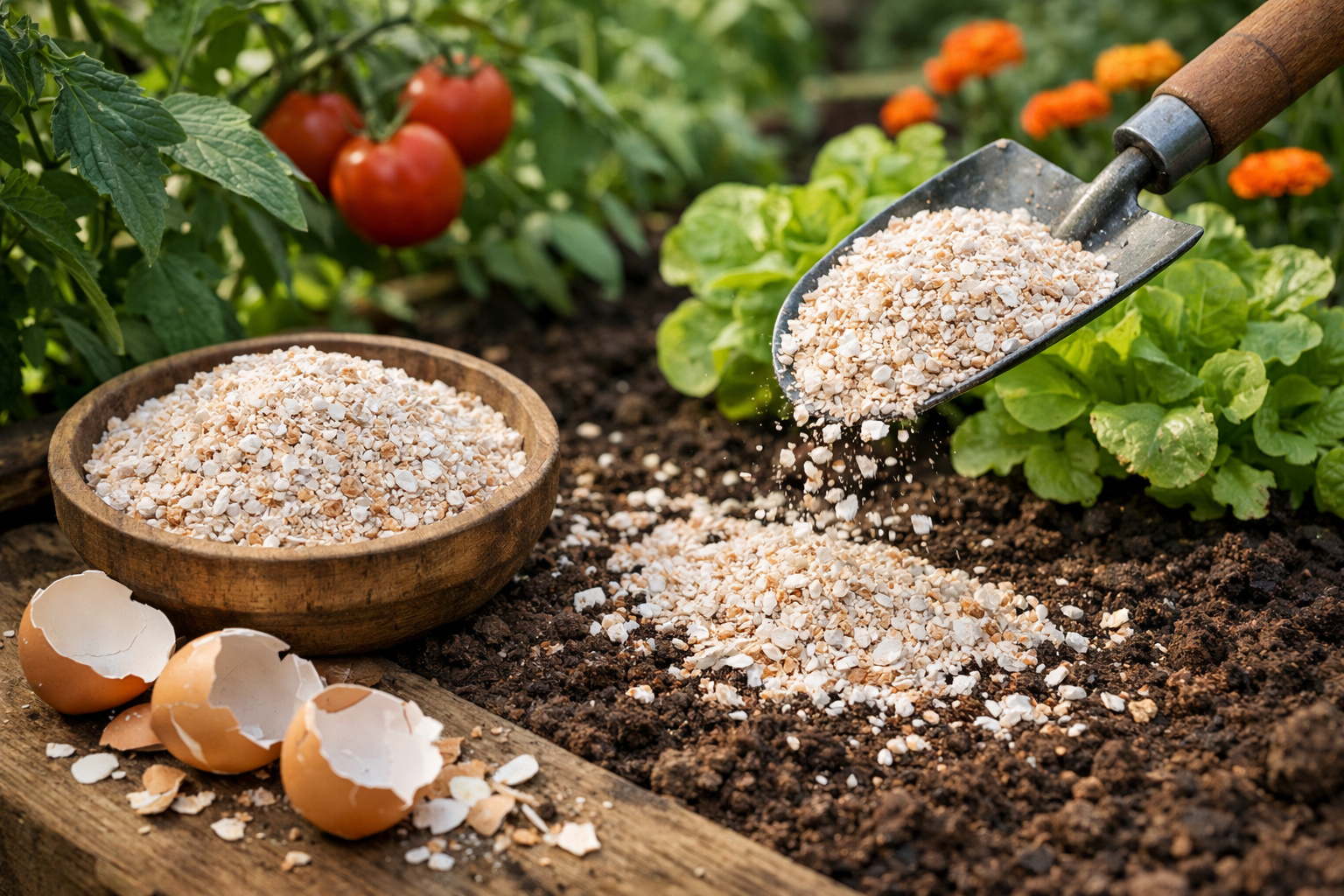
The eggshell that almost everyone throws away is made up of about 95% calcium carbonate and can help enrich the soil when crushed, slowly releasing nutrients and being reused in home gardens and vegetable patches.
-
This farm in the United States does not use sunlight, does not use soil, and produces 500 times more food per square meter than traditional agriculture: the secret lies in 42,000 LEDs, hydroponics, and a system that recycles even the heat from the lamps.

-
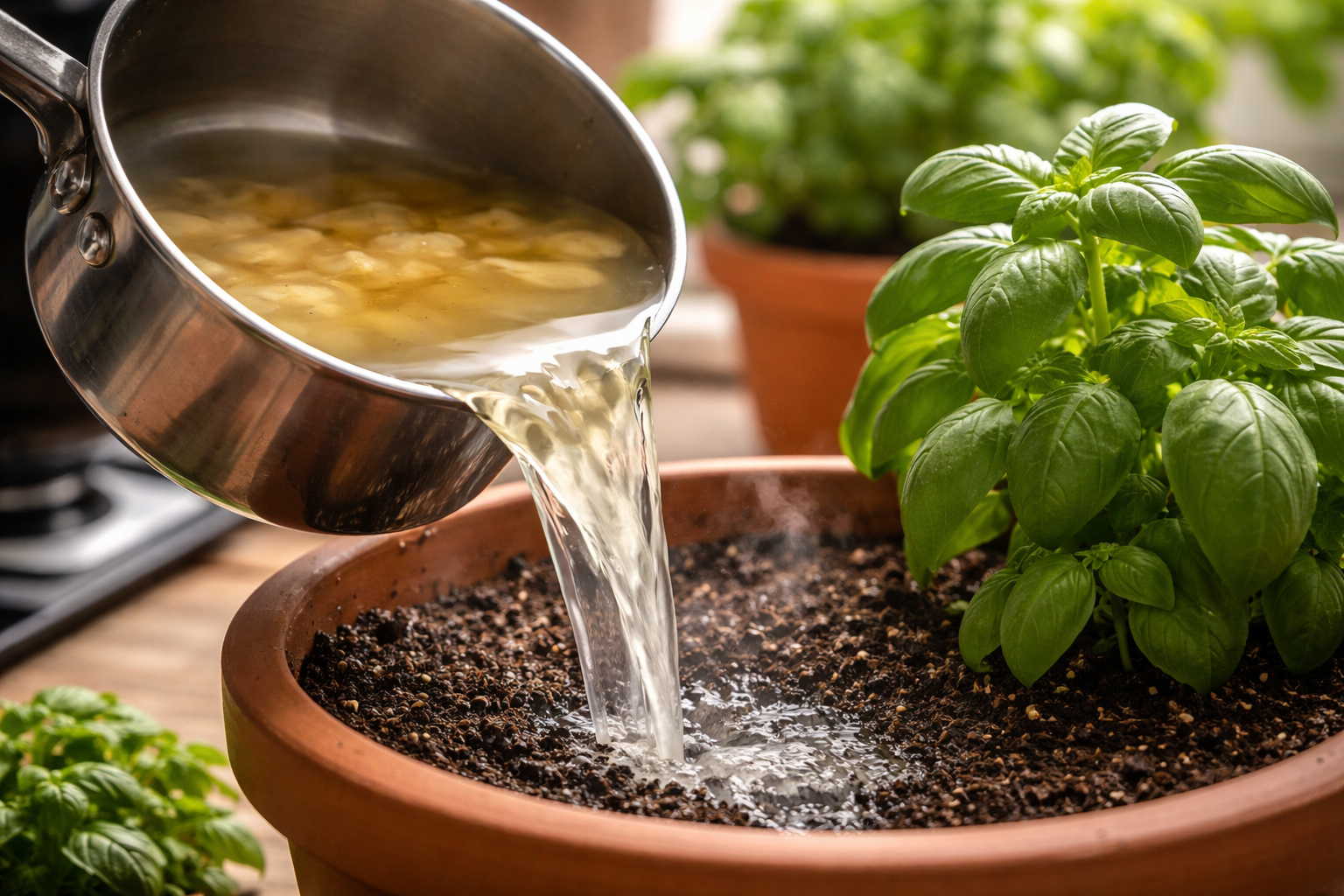
The water that almost everyone throws away after cooking potatoes carries nutrients released during the preparation and can be reused to help in the development of plants when used correctly at the base of gardens and pots, at no additional cost and without changing the routine.

The figures were released by the Ministries of Agriculture, Livestock and Supply and Development, Industry and Trade.
Soy Complex Maintains Leadership in Brazilian Agribusiness Exports
The main driver of Brazilian agribusiness exports, the soy complex showed a 6.8% increase in volume, reaching 127.4 million tons by November, compared to the same period in 2024.
Despite this, the exported value fell by 2.9%, totaling US$ 50.6 billion, reflecting the reduction in international prices.
Even with the accumulated revenue decline, December signals recovery. In the first two weeks of the month, the daily average of shipments of the grain recorded an increase of 83.11% compared to the same month last year, according to MDIC data.
Meat Drives Record Results in Brazilian Agribusiness
The meat segment also played a decisive role in the performance of Brazilian agribusiness.
Between January and November 2025, sector exports reached US$ 28.6 billion, a figure 19.7% higher than the US$ 23.9 billion obtained in the same period of 2024, setting a record for the interval.
Beef leads this growth. With US$ 14.9 billion exported, the increase in value reached 39.8%, even despite a 50 percentage point increase in tariffs applied by the United States between August 6 and November 13. The country is the second main destination for Brazilian protein.
In addition to the growth in purchases by China, the largest market for Brazilian beef, there was a redirection of exports to other countries during the tariff period, including the opening of unprecedented markets.
In December, the daily average of beef exports in the first half of the month is 68.5% higher than the daily average of December 2024.
In the poultry sector, the impact of avian influenza was more evident. With 4.5 million tons exported and revenue of US$ 8 billion in 11 months, there was a 1% drop in volume and a 3.8% drop in value compared to the previous year.
Nevertheless, shipments show recovery in December, with a daily average 8.9% higher than in the same month last year.
In May, the first occurrence of highly pathogenic avian influenza was registered in a commercial farm in Montenegro, Rio Grande do Sul.
The episode led 42 countries to suspend imports of chicken meat from Brazil, from the affected state or municipality.
After the country regained, on June 18, the declaration of freedom from the disease, embargoes began to be lifted.
China lifted the suspension only at the beginning of November. As a result, Chinese purchases of Brazilian chicken meat accumulated a drop of 55.3% in volume and 53.8% in value in the first 11 months of 2025 compared to the same period in 2024.
Coffee Increases Revenue in Brazilian Agribusiness Even with Lower Volume
Coffee also faced the effects of the American tariff, as the United States is the largest buyer of Brazilian beans.
The volume exported fell by 19.2% by November. Nevertheless, the increase in international prices raised revenue to US$ 14.4 billion, a 28.7% increase compared to the previous year.
In the first two weeks of December, the daily average of external sales of unroasted coffee is 41.9% higher than the average observed in the same month of 2024, reinforcing the recovery trend at the year’s end.
China Leads Agribusiness Destinations
China remains the main destination for Brazilian agribusiness exports, with US$ 52 billion in purchases by November, equivalent to 33.5% of total exports from the sector.
This value surpasses more than double the acquisitions of the entire European Union, comprising 27 countries, which totaled US$ 22.9 billion, representing 14.7% of the total.
The United States occupies third position, with US$ 10.5 billion by November, even after imposing tariffs of 50% on a large portion of Brazilian agricultural products between August and November.
Following are Vietnam, with US$ 3.2 billion, India, with US$ 3.024 billion, Indonesia, with US$ 3.016 billion, Mexico, with US$ 2.98 billion, Japan, with US$ 2.93 billion, Turkey, with US$ 2.92 billion, and Egypt, with US$ 2.8 billion.
These markets complement the diversification that supports the record result and reinforces the sector’s adaptability in the face of sanitary crises and trade barriers.
With information from Gazeta do Povo.









-

Uma pessoa reagiu a isso.