





 Portuguese
  English
  Spanish
  4 min of reading
  3 comments


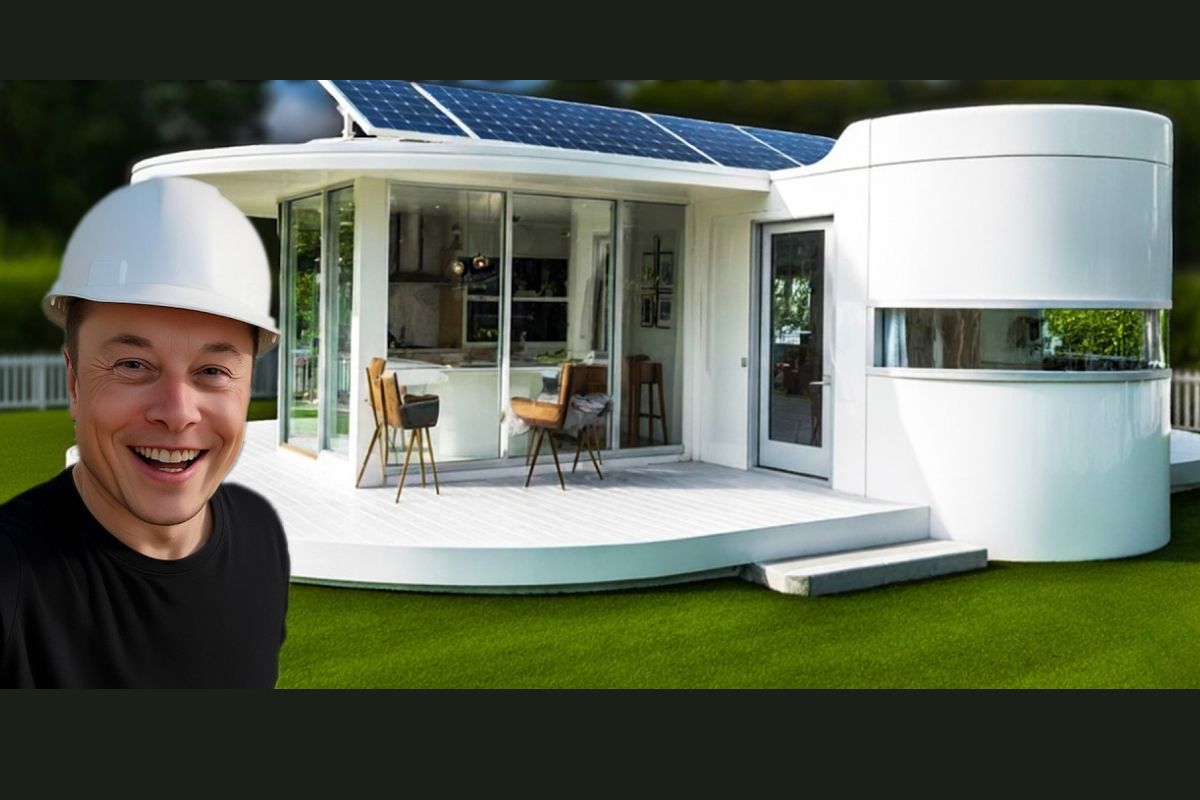


Tesla Creates Mini House With Full Automation, Self-Generated Energy, Water Purification, and Control Through Artificial Intelligence, A Proposal That Could Change The Housing And Infrastructure Consumption Model Worldwide
A Tesla Creates Mini House With A Proposal For Self-Sustainable Housing, Capable Of Generating Its Own Energy, Reusing Water, Controlling Temperature And Lighting, And Learning The Resident’s Routine. It Is A Compact Space, Designed To Fit In A Few Square Meters, But Crafted To Provide Autonomy, Comfort, And Efficiency.
The Initiative Is Based On The Same Philosophy Applied To The Brand’s Electric Vehicles, Now Transferred To Housing. The Aim Is To Reduce Dependence On The Power Grid, Monthly Bills, And Large Urban Structures, Creating A House That Works As A Closed System, Managed By Artificial Intelligence And Integrated Into The Tesla Ecosystem.
Concept Of The Smart Mini House
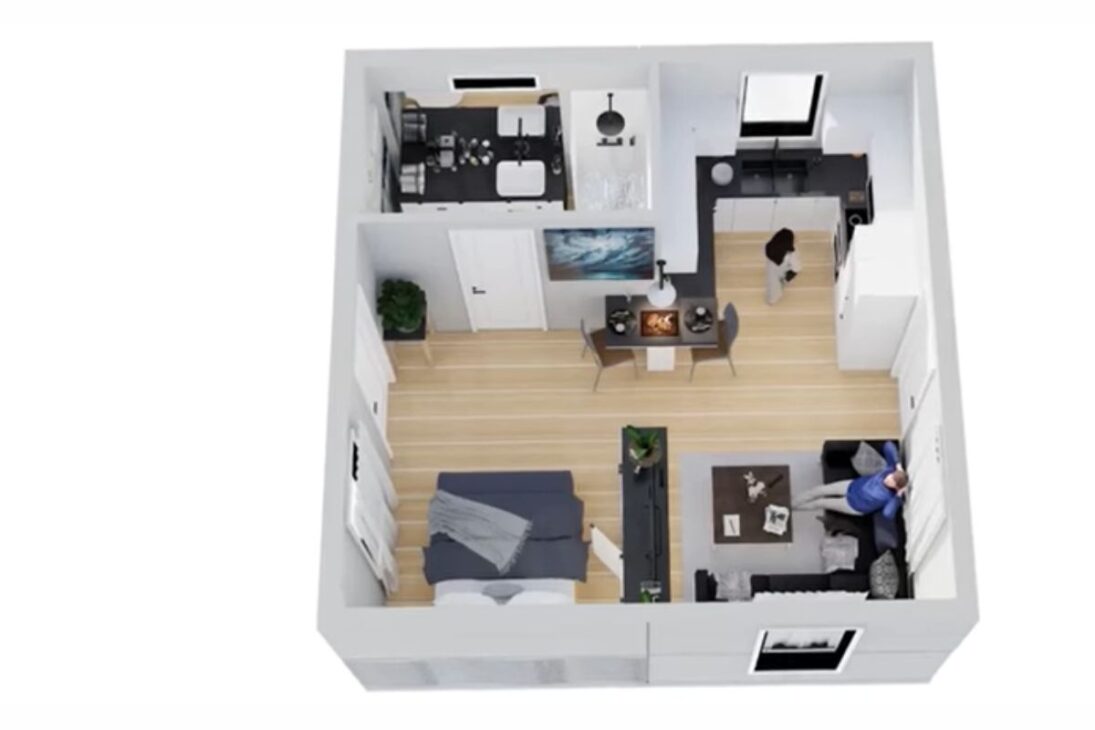
The Central Proposal Of The Tesla Creates Mini House Priced At $7,999 Is To Transform The Property Into An Active Equipment, Not A Passive Space. Instead Of Just Sheltering The Resident, The Unit Monitors Consumption, Generates Energy, And Adapts The Environment According To Usage. It Is A House That Operates As A Machine, Not Just As A Building.
-
From sertanejo star to international investor: Ana Castela invests millions in a mansion in the USA, creates a themed accommodation in Orlando, and shows that the “boiadeira” also wants to grow away from the stage.

-
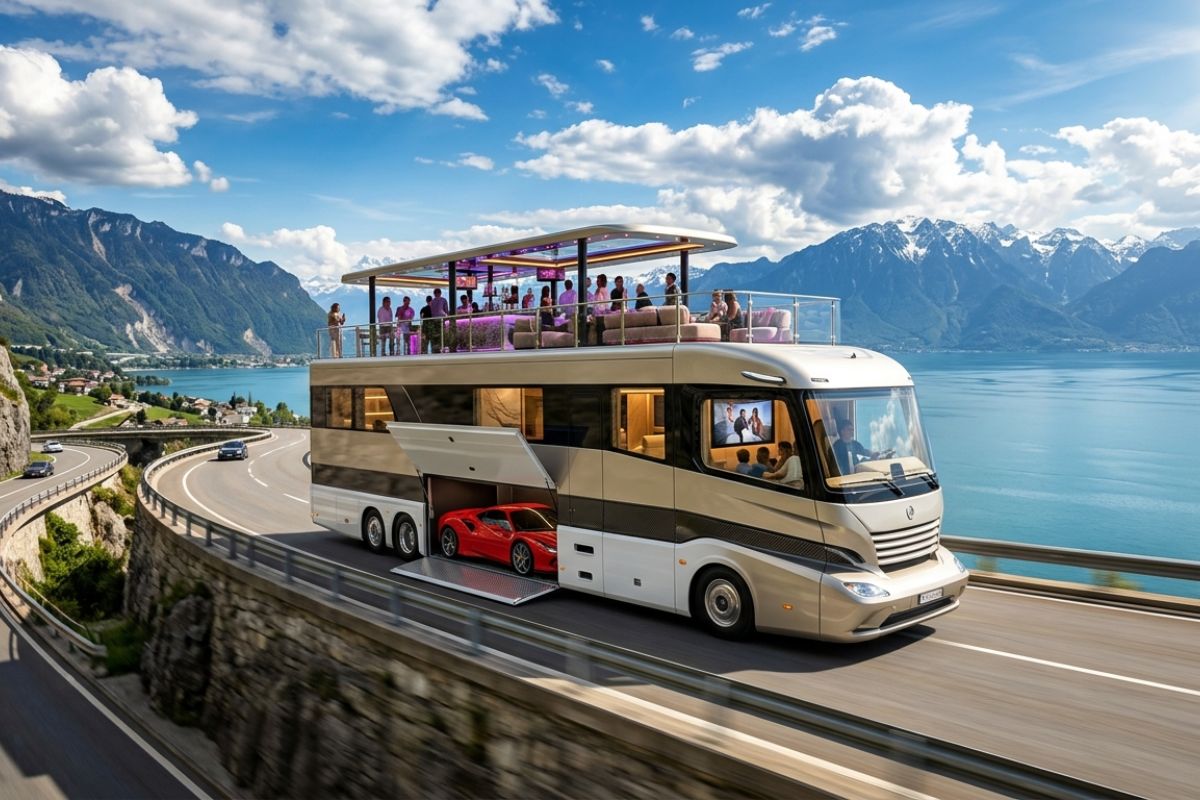
The 10 most stunning motorhomes in the world: a $3 million trailer with a rooftop nightclub and garage for a Ferrari, “palaces on wheels” with Italian marble, private cinema, and five-star hotel luxury for billionaires.
-
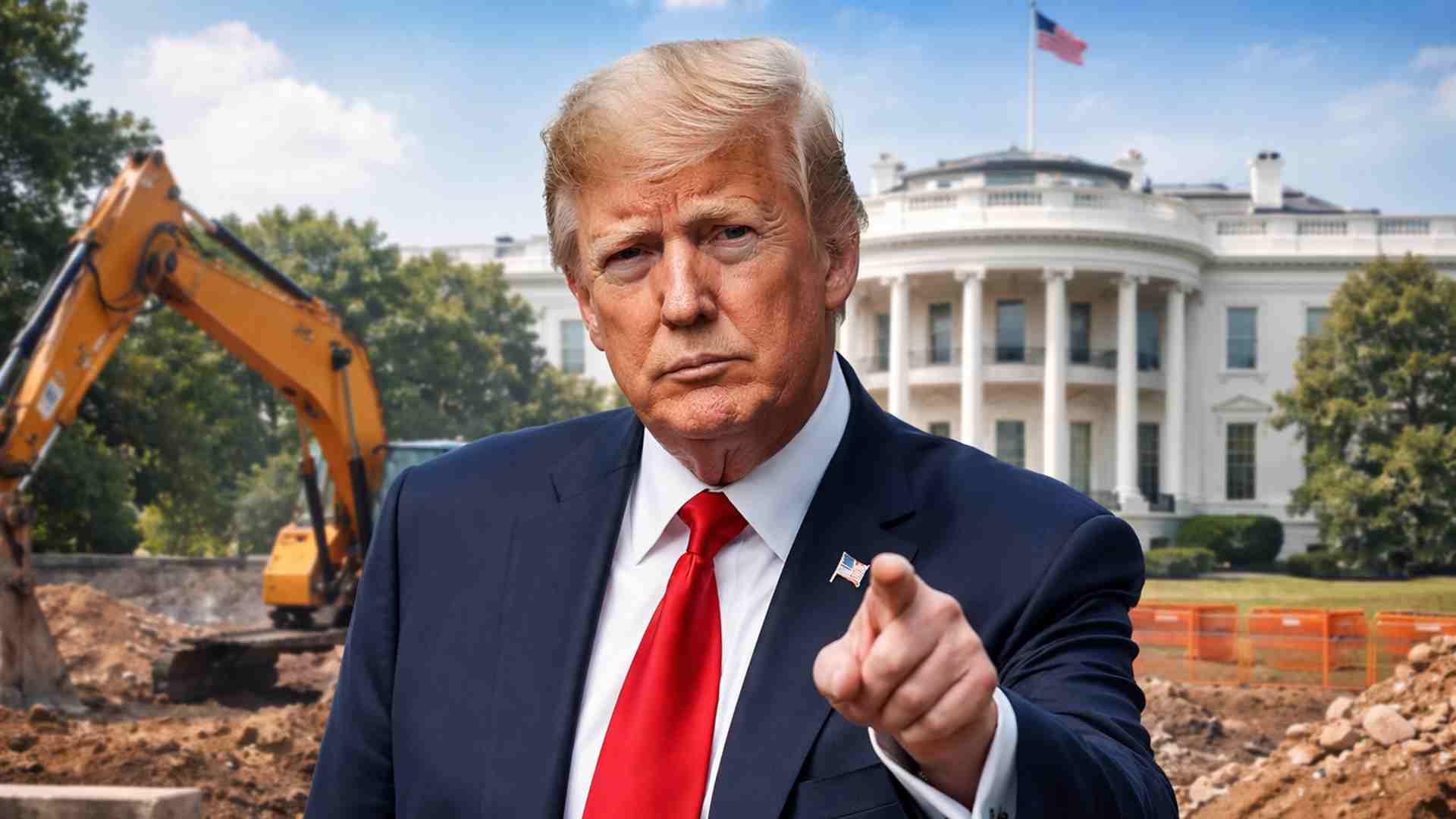
Trump wanted to spend $400 million on the White House, but the courts prohibited the million-dollar construction.
-
How the Egyptians erected giant structures like pyramids, temples, and obelisks without modern technology, cranes, or engines still amazes the world and reveals the power of engineering based on ramps, levers, ropes, and colossal organization.


In This Model, The Reduced Size Is Not A Limitation, But A Strategy. The Compact Space Facilitates Thermal Control, The Use Of Natural Light, And The Integration Of Multifunctional Furniture.
Tesla Works With The Concept That Freedom Does Not Depend On Square Meters, But On Operational Autonomy.
Energy System And Technical Management
One Of The Pillars Of The Tesla Creates Mini House Is The Independent Energy Block. The Roof Is Equipped With Solar Panels Sized To Power The House Itself And To Store Any Surplus In An Integrated Battery, A Technology Already Known In The Brand’s Products.
The House Is Designed To Produce More Than It Consumes In An Ideal Scenario.
In Addition To Energy, The Project Includes A System For Capturing And Purifying Water, With Multi-Stage Filtration And Reuse For Non-Potable Functions.
Thus, The Mini House Approaches The Concept Of An Off-Grid Module, Reducing The Need For Connection To Public Infrastructure To Almost Zero When The External Environment Allows.
Automation With Artificial Intelligence
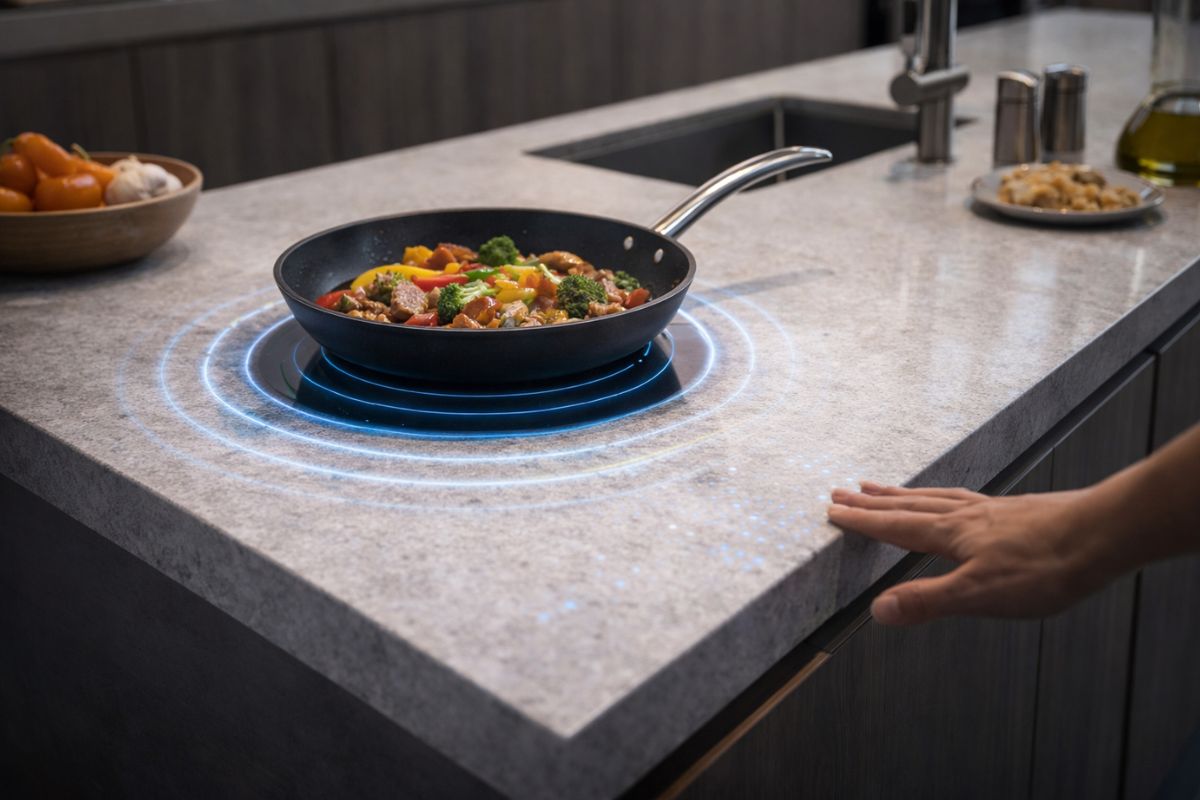
Another Determining Factor Is That The Tesla Creates Mini House Has A Control Core Based On Artificial Intelligence, Capable Of Learning The Resident’s Behavior. Lighting, Climate Control, Curtains, And Even Energy Use Are Adjusted Automatically.
The System Records Sleep Schedules, Consumption Peaks, And Comfort Preferences, Anticipating Commands.
This Logic Continues The Vision That Technology Should Disappear In The User Experience. Instead Of Dozens Of Buttons, The Resident Encounters Ready-Made Routines And The System’s Silent Responses. The House Is Not Just Connected. It Is Adaptive.
Space Utilization And Functional Design
Even Being A Residence Of Few Square Meters, The Tesla Creates Mini House Offers A Versatile Furniture Solution. A Sofa That Transforms Into A Bed, A Table That Converts Into A Work Station, And Built-In Cabinets That Also Function As Acoustic Insulators Are Among The Features Mentioned In The Concept.
Each Surface Has A Dual Function And Each Volume Was Calculated Not To Create A Sense Of Clutter.
The Priority Is To Keep The Environment Visually Clean. Wires, Ducts, And Tanks Are Hidden, So The User Only Perceives The Result Of The System, Not The Mechanism. This Type Of Design Increases The Perception Of Comfort Even In A Small Area.
Potential Impact On The Housing Model
By Proposing That The Tesla Creates A Fully Operational Mini House, The Company Engages In A Broader Discussion About Housing Costs, Dependence On Urban Infrastructure, And Sustainability.
A Unit That Generates And Controls Its Own Consumption Reduces Fixed Expenses And Expands The Possibility Of Living In Regions Further Away From Urban Centers.
Moreover, The Modular Format Facilitates Replication At Scale. If The Concept Proves Economically Viable, It Could Open The Door To Autonomous Housing Developments, Temporary Work Bases, And Even Housing Solutions For Remote Areas.
It Is A Technological Approach Directly Applied To Daily Life, Not Just A Demonstrator Of Innovation.
Relation With The Tesla Ecosystem
The Tesla Creates Mini House Within A Logic That Integrates Home, Vehicle, And Energy. The Same Battery That Powers The Residence Could, In Theory, Charge An Electric Car From The Brand, And The App That Controls The Property Is Similar To The One Used In The Vehicles. It Is A Convergence Of Products Around The Idea Of User Energy Independence.
This Integration Also Reinforces The Strategy Of Retaining The Consumer Within The Company’s Ecosystem.
Those Who Own A Tesla Electric Car May See An Advantage In Having A Home That Communicates With The Same Software And Was Designed To Operate With Similar Standards.
The Proposal That The Tesla Creates A Mini House That Is Autonomous, Intelligent, And Energetically Independent Shows That The Discussion About Housing Has Fully Entered The Realm Of Cutting-Edge Technology.
It Is A Model That Reduces Space But Increases Control, Trading Luxury For Efficiency.
Would You Live In A Tesla Mini House If It Were Available In Brazil With This Level Of Autonomy, Or Would You Prefer A Larger House Connected To Traditional Infrastructure? Share In The Comments How You View This Housing Model.





Sim, moraria
Certamente. Deve ser incrível, com muita praticidade.
Gostei muito do projeto. Se vender no Brasil quero conhecer e talvez comprar uma.