





 Portuguese
  English
  Spanish
  5 min of reading
  0 comments


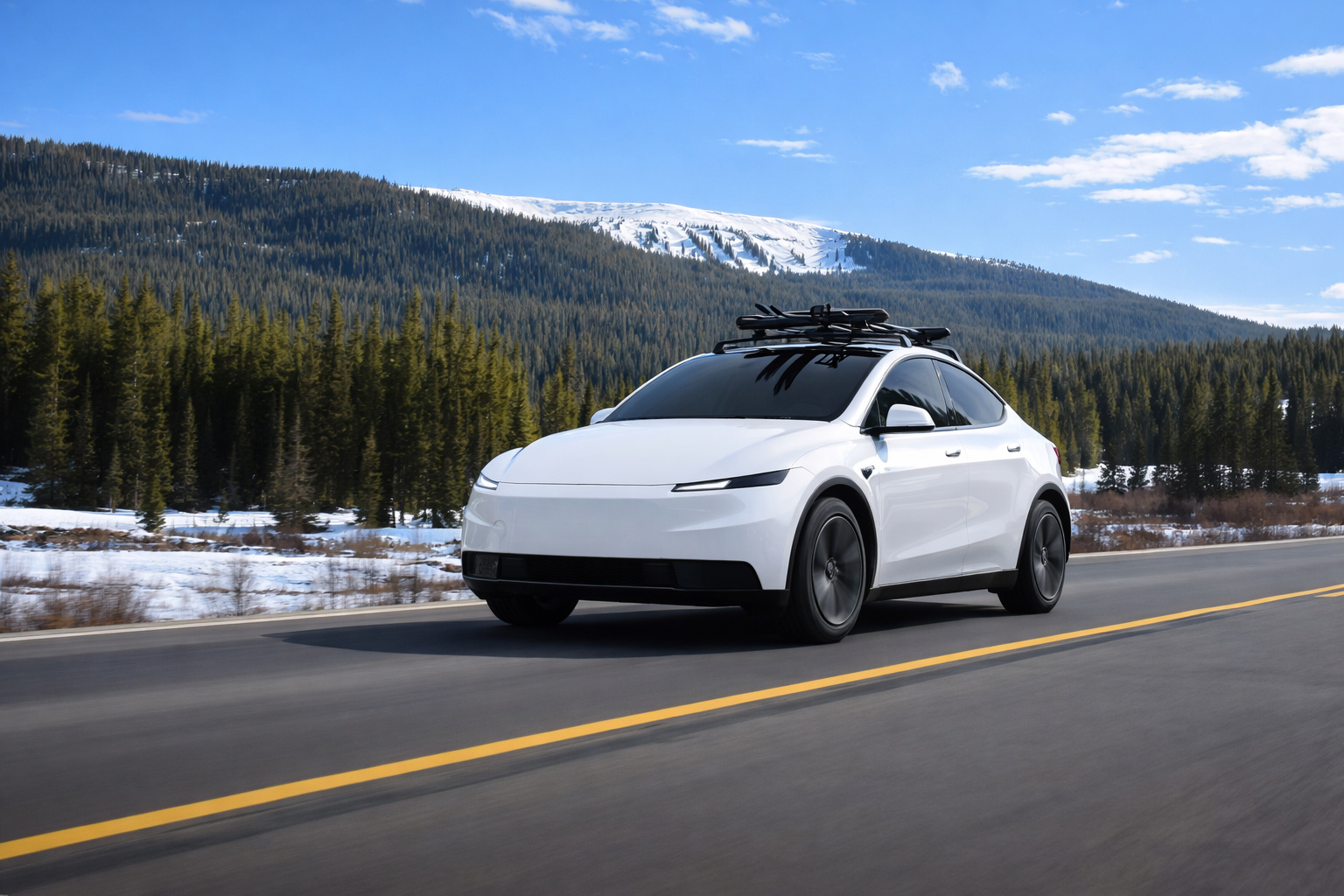
Tesla Faces Crisis and Sees Volkswagen Taking Leadership in the European Electric Vehicle Market
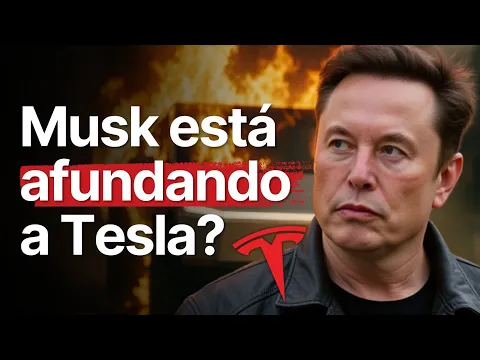
Tesla is facing a crisis in the European market after losing market share and being surpassed by Volkswagen in electric vehicle sales volume. The American automaker reported a decline in registrations in several European countries, while the German competitor expanded its presence and solidified regional leadership.
Shortly after the release of the latest figures from the European automotive sector, analysts identified a shift in the ranking of electric vehicle manufacturers. Therefore, the scenario has caught the attention of investors and consumers who are monitoring the performance of the electric mobility industry.
Moreover, Tesla’s weaker performance occurs in one of the most relevant markets for global energy transition. In this context, the competition among automakers takes on new strategic contours.
-
A French brand placed a car on four huge red balloons to prove that its suspension made the vehicle “float,” and the surreal scene became one of the most iconic and unusual images in automotive history.

-
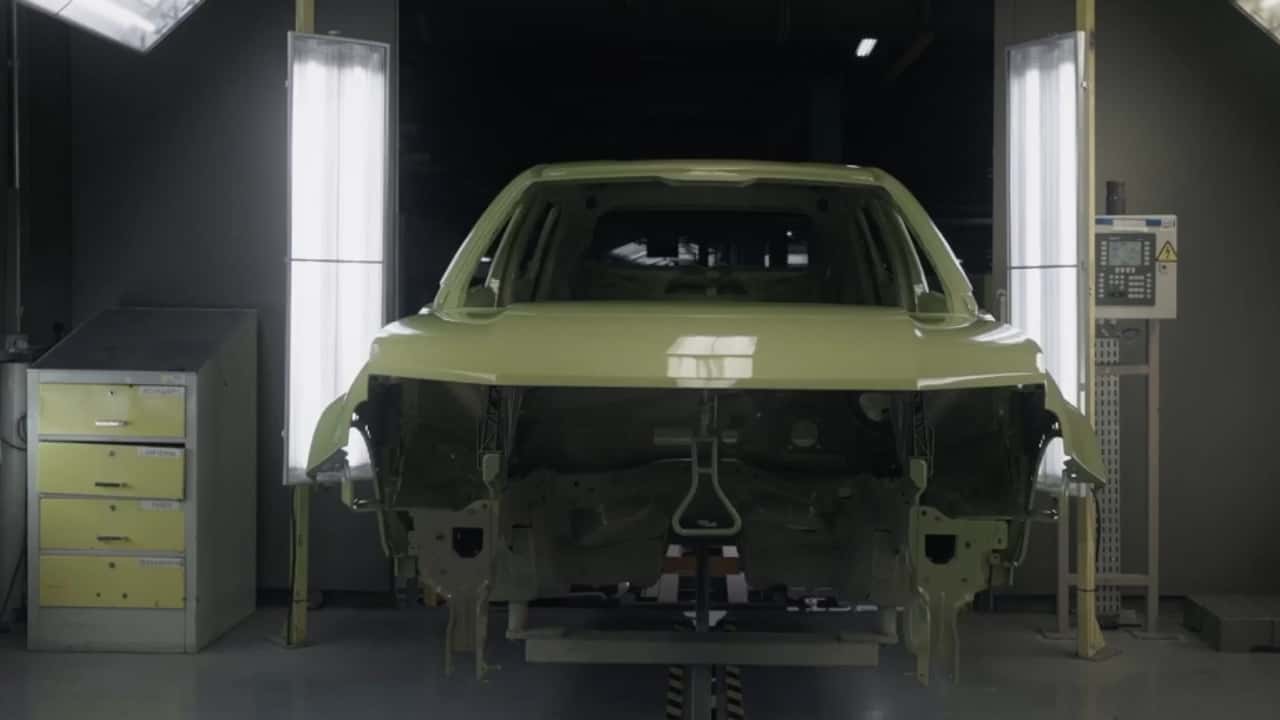
Jeep Avenger begins production in Brazil, debuting as the brand’s new entry-level SUV and inaugurating an unprecedented phase by becoming the first national Jeep manufactured outside of Goiana, as part of a R$ 3 billion plan.
-
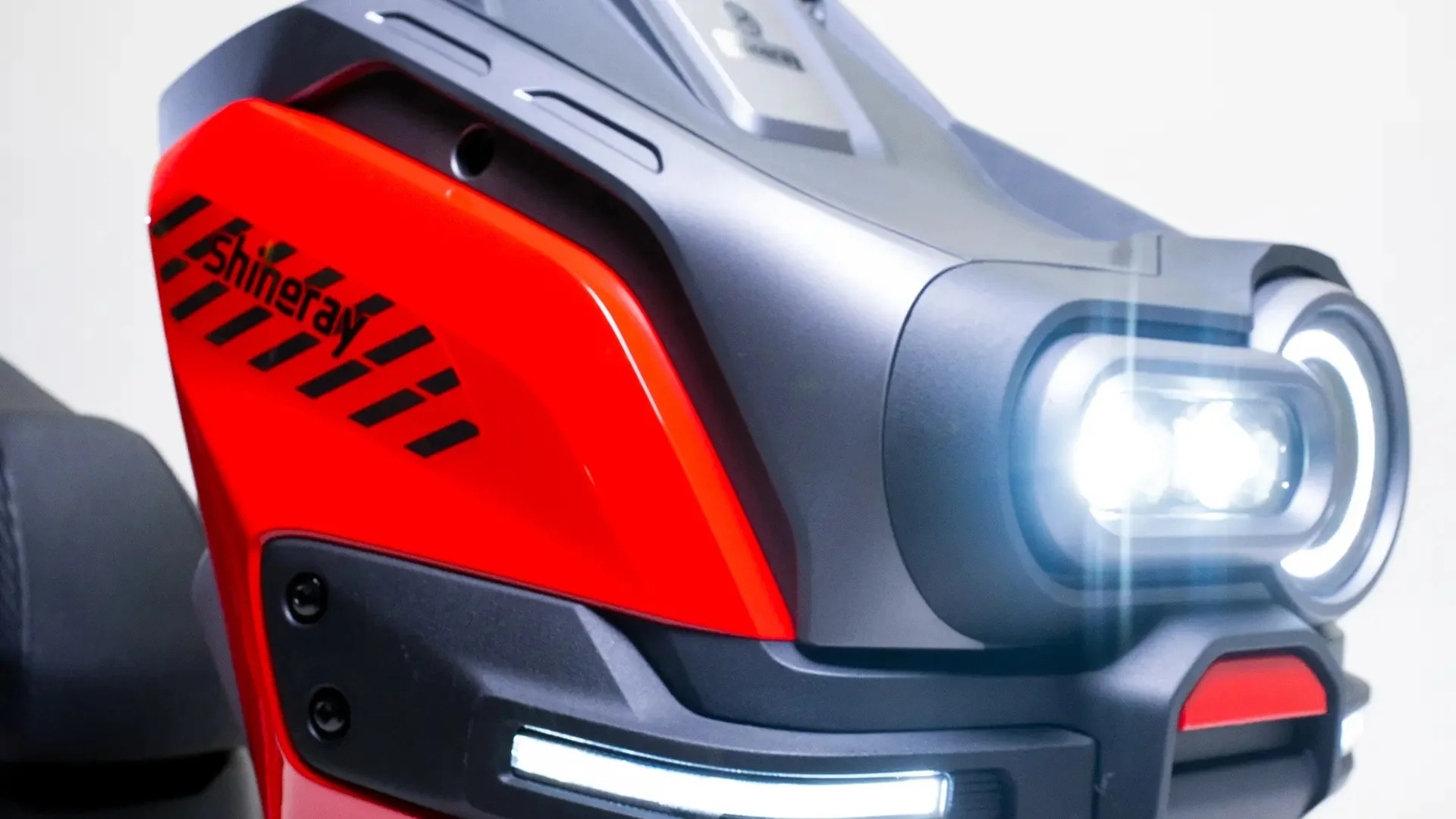
Costing R$ 12,490, the new Shineray Urban Lite 150 “cheap one” arrives in Brazil with a CVT transmission, digital dashboard, and LED lights, making it more affordable than the Biz and targeting those who want to abandon the bus.
-
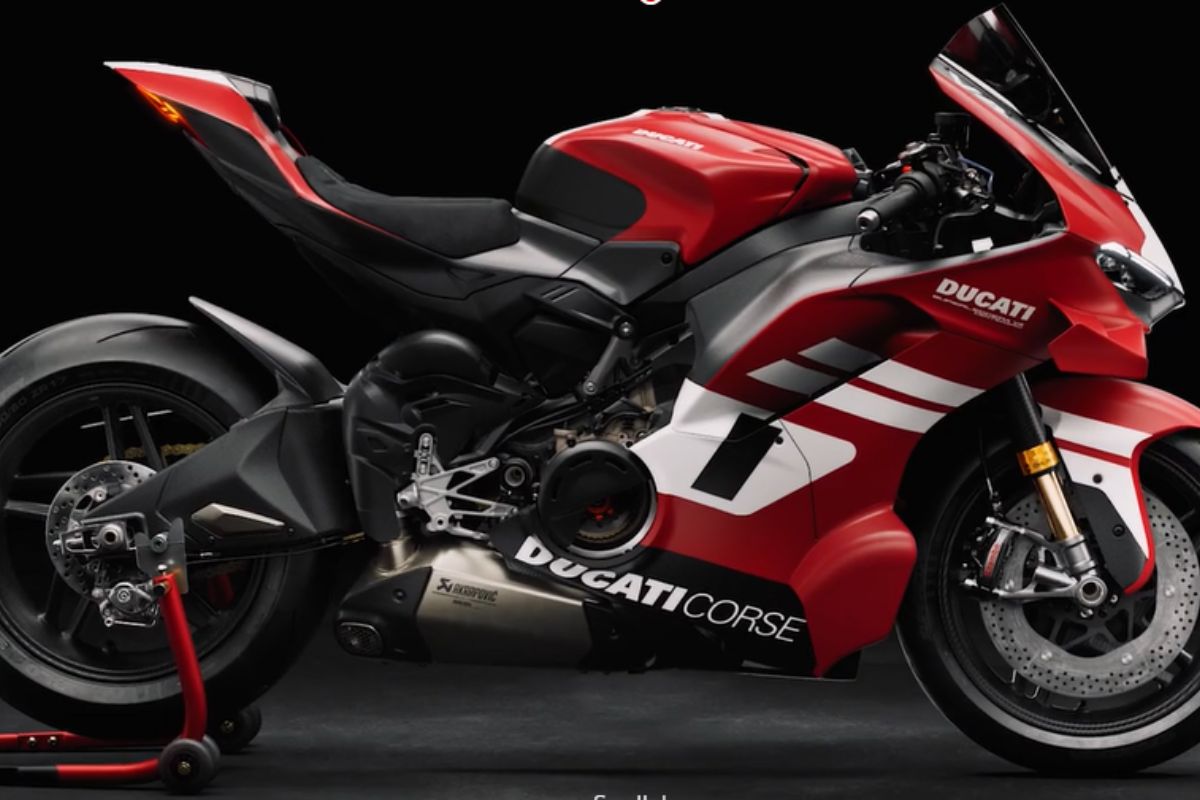
Ducati brings to Brazil the Superleggera V4 Centenario: 228 hp that become 247 with a track kit, carbon fiber and carbon-ceramic brakes, estimated price between R$ 1.5 and 2 million, deliveries only in 2027.

Volkswagen Expands Sales and Takes Center Stage
While Tesla faces a crisis, Volkswagen has accelerated its electrification strategy and expanded its lineup of electric vehicles in Europe. The German automaker increased its model offerings, adjusted prices, and reinforced local production.
Additionally, the company took advantage of government incentives in European countries to boost sales. This way, it managed to increase its market share in regions such as Germany, France, and the United Kingdom.
At the same time, Volkswagen consolidated strategic partnerships and strengthened its dealership network. Thus, it increased its reach and presence with the end consumer.
Sales Decline Pressures Tesla’s Results
Tesla recorded a downturn in sales compared to previous periods. Analysts point out that factors such as intensified competition, price adjustments, and changes in tax incentives influenced performance.
Furthermore, European consumers now have access to a greater variety of electric models produced by traditional brands. In this scenario, Tesla faces a competitiveness crisis in segments it previously dominated comfortably.
On the other hand, the company maintains strong brand recognition and advanced technology. Nevertheless, the competitive environment has become more complex.
Competition in the European Market Intensifies
The European electric vehicle market is growing rapidly. However, the increase in supply intensifies the competition for consumers.
In addition to Volkswagen, other European and Asian automakers are expanding their electric portfolios. Thus, Tesla faces a crisis in a scenario where innovation no longer guarantees isolated leadership.
Meanwhile, traditional manufacturers are investing billions in electrification. Consequently, they are able to compete on price, range, and after-sales infrastructure.
Government Incentives Influence Performance
Many European countries offer tax incentives to encourage the purchase of electric cars. However, changes in these programs alter the pace of sales.
Furthermore, adjustments in subsidies directly impact the final price paid by consumers. In this context, Tesla faces a crisis also due to the reduction or reformulation of incentives in certain markets.
At the same time, local manufacturers often benefit from national industrial policies. Thus, competition becomes even more strategic.
Pricing Strategy Impacts Consumer Perception
Tesla has adopted a price reduction policy at different times to stimulate demand. However, successive cuts may affect profit margins and brand value perception.
Additionally, competitors have adjusted their own prices to compete directly. As a result, European consumers are finding more options at similar price points.
Meanwhile, Volkswagen increased local production, which reduced logistics costs and strengthened its regional competitiveness.
Local Production Favors European Manufacturers
European manufacturers have factories distributed across various countries on the continent. This structure facilitates logistics, reduces delivery times, and decreases dependence on imports.
Furthermore, regional production generates jobs and strengthens local supply chains. In this scenario, Tesla faces a crisis when competing with brands that have a consolidated historical presence.
On the other hand, the company maintains strategic factories outside Europe, which may increase distribution costs.
European Consumers Broaden Their Selection Criteria
European consumers evaluate factors such as range, price, charging infrastructure, and technical assistance before purchasing an electric vehicle. In addition, environmental reputation and brand reliability influence their decisions.
In this context, Tesla faces a crisis when competing with manufacturers that offer a diverse portfolio and a tradition in the automotive market.
At the same time, brands like Volkswagen are strengthening campaigns focused on sustainability and technological innovation.
Electric Vehicle Market Continues to Expand
Despite the competitive landscape, the European electric vehicle market continues to grow. Governments maintain strict emissions reduction targets and encourage energy transition.
Additionally, charging infrastructure is expanding in several countries. Thus, the demand for electric cars is likely to increase in the medium and long term.
Meanwhile, Tesla faces a momentary crisis in market share but remains a global leader in the sector.
Impact on Shares and Investors
The shift in leadership in the European market reverberates through the financial market. Investors closely monitor sales indicators, margins, and market share.
Moreover, any sign of loss of competitiveness can influence future expectations. In this scenario, Tesla faces a crisis under the watchful eye of analysts and shareholders.
On the other hand, the company still leads in battery innovation and embedded software, which sustains part of the market’s confidence.
Technology and Innovation Remain Differentiators
Tesla is heavily investing in battery technology, autonomous driving, and digital integration. These differentiators continue to attract consumers interested in innovation.
Additionally, remote software updates enhance the functionality of already sold vehicles. Thus, the company maintains a differentiated technological proposition.
However, competitors are accelerating investments and closing the technological gap. Consequently, the competitive advantage is likely to diminish over time.
Europe Becomes a Strategic Battlefield
Europe represents one of the leading global markets for electric vehicles. Strict environmental regulations and decarbonization targets drive demand.
Furthermore, European consumers are quickly adopting new automotive technologies. In this context, Tesla faces a crisis in a highly strategic environment.
At the same time, Volkswagen leverages its European origin to strengthen its image and proximity to the local audience.
What to Expect in the Coming Months
Experts indicate that the competition between Tesla and Volkswagen is set to intensify. Both automakers are announcing new models and investments in production capacity.
Additionally, advancements in batteries and cost reductions may redefine the competitive balance. Thus, the European market will continue to be a central stage in automotive transformation.
Meanwhile, Tesla faces a temporary crisis but maintains a significant presence in the global electric segment.
Tesla Faces Crisis but Maintains Global Leadership
Although Volkswagen has taken the lead in Europe, Tesla remains a global reference in electric vehicles. The company leads in various markets and maintains a strong presence in the United States and Asia.
Moreover, new launches may reposition the brand in the European continent. In this scenario, competition benefits consumers with more options and competitive prices.
Thus, while Tesla faces a crisis in Europe, the electric mobility sector continues to expand and undergo constant transformation, directly impacting the global automotive industry and energy transition.










Seja o primeiro a reagir!