





 Portuguese
  English
  Spanish
 3 min of reading
  1 comment


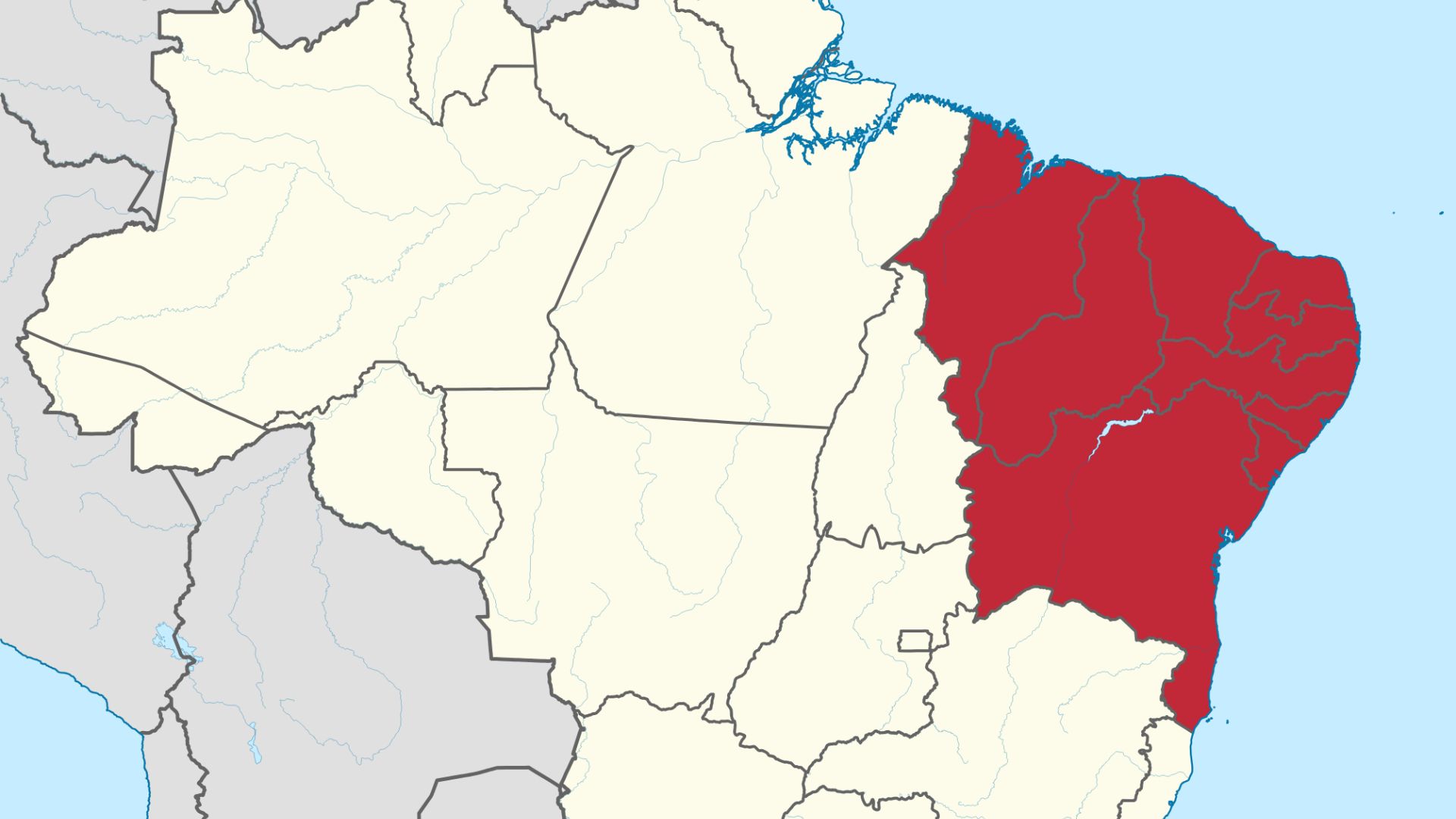


The Brazilian Yearbook of Public Safety 2024 Revealed That The Ten Most Violent Cities in Brazil Are Concentrated in the Northeast, Highlighting Bahia, Ceará and Pernambuco, Where the Advance of Factions and the Absence of the State Explain the Alarming Homicide Rates.
Lethal violence has new epicenters in Brazil. According to the latest data from the Public Safety Yearbook, the ten cities with the highest homicide rates per 100,000 inhabitants are all in the Northeast, highlighting a troubling pattern of organized crime expansion in the region.
Maranguape, in Ceará, Leads the Ranking with 79.9 Homicides per 100,000 Inhabitants, Followed by Five Cities in Bahia and Two in Pernambuco. In All Cases, the Rates Triple the National Average, Which Was 20.8 Deaths per 100,000 Inhabitants in 2024.
The Advance of Criminal Factions, Such as the Comando Vermelho (CV), the Guardiões do Estado (GDE) and the Primeiro Comando da Capital (PCC), Has Been Pointed out as One of the Main Factors for the Escalation of Violence. In Several Cities, These Organizations Dominate Entire Neighborhoods, Impose Curfews, Charge Fees, and Offer Parallel “Justice.”
-
Brazilian city neighboring Paraguay becomes a ‘magnet’ for people seeking quality of life and high standards with exceptional growth and commutes of up to 15 minutes.
-
A rare storm transformed part of the Gulf into an unlikely scene of hail, extreme rain, and tornado risk in the middle of the desert, with volumes that exceeded the annual average in a single day.
-
Brazil catches the world’s attention with ships powered by ethanol and biodiesel that have lower emissions, an unprecedented certification with advantages in chartering, and a revolution in cabotage.

-
A couple who only has Sundays free has built a hand-dug pool, a hamburger joint, a dance hall, and a playground in their own home without hiring a mason, and even with breaks due to accidents and the pandemic, the work has never truly stopped.

Bahia Is the State with the Highest Number of Cities in the Ranking, Occupying Five of the Ten Positions. Jequié (77.6), Juazeiro (76.2), Camaçari (74.8), Simões Filho (71.4) and Feira de Santana (65.2) Are on the List. The Capital Salvador, in Turn, Registers the Highest Number of Police Massacres in the Region.
The Situation in Salvador Is Critical
In Just the First Three Months of 2025, 1,018 Intentional Homicides Were Recorded. The Fogo Cruzado Institute Highlights That 67% of the Massacres in the Capital Involve Police Actions, Indicating an Approach Based on Direct Confrontation, Without Focus on Preventive Intelligence.
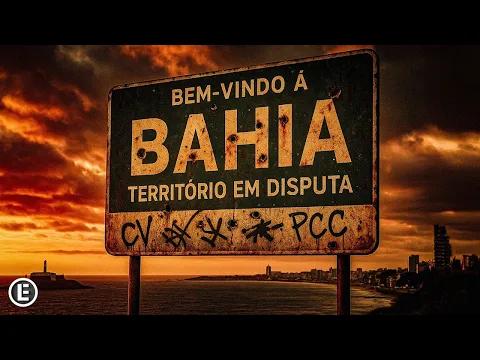

Moreover, Neighborhoods Such as Beiru/Tancredo Neves, Águas Claras, and Fazenda Coutos Are Among the Most Affected by the Domination of Organized Crime. In Some Communities, Leaving One’s Home Depends on the Authorization of Factions, and Conflicts Among Neighbors Are Resolved in Informal Drug Courts.
The Structure of the State Cannot Keep Up with the Advance of Crime
Many Rural Cities, Such as Eunápolis and Jequié, Suffer from Lack of Personnel, Equipment, and Continuous Police Presence. Experts Point Out That The Precarization of Life, Mass Incarceration, and the War on Drugs Have Created the Ideal Environment for the Growth of Factions.
According to a Survey by the Ministry of Justice, 21 Factions Currently Operate in Bahia, Many of Them Arising from Local Dissidences with Support from Major National Criminal Networks. These Organizations Have Expanded Like “Franchises,” Occupying the Spaces Left by an Absent State.
Meanwhile, The Private Sector Has Supplied Part of the Demand for Security, Mainly in Middle-Class Neighborhoods and Gated Communities. Security Companies Have Grown Significantly in Bahia in Recent Years, Indicating A Market Driven by Fear and Insecurity.
The State Government Has Tried to Respond with Changes in the Leadership of Security Forces and Operations Such as “Força Total,” Which Utilizes Cameras, Facial Recognition, and Intelligence Systems. Despite This, The Current Model Is Viewed by Experts as Ineffective as It Repeats Failed Strategies Based on Spot Repression and Excessive Use of Force.
Comparisons with Mexico and Certain Parts of Colombia Are Already Emerging in Reports and Analyses. According to Experts, the Bahian Scenario Exhibits Typical Characteristics of a Narco-State Formation, Where Factions Take on Basic Functions of Public Power and Gain Social Legitimacy in Marginalized Communities.
Check the List of the 10 Most Violent Cities in Brazil (Homicides per 100,000 Inhabitants):
- Maranguape (CE): 79.9
- Jequié (BA): 77.6
- Juazeiro (BA): 76.2
- Camaçari (BA): 74.8
- Cabo de Santo Agostinho (PE): 73.3
- São Lourenço da Mata (PE): 73.0
- Simões Filho (BA): 71.4
- Caucaia (CE): 68.7
- Maracanaú (CE): 68.5
- Feira de Santana (BA): 65.2
The Social Impact Is Evident. Families Live in Constant Fear, Merchants Close Earlier, and Residents Stop Investing in Their Own Neighborhoods. The Security Crisis Transforms Daily Life into a Silent Struggle for Power, Where the State Is No Longer the Sole Ruler.
The Information Was Released by the Portal Veja and by Various Media Outlets, Based on the Brazilian Yearbook of Public Safety 2024, and Supplemented by Reports from the Fogo Cruzado Institute and Experts in Security and Criminology Who Follow the Situation in Bahia and the Northeast.





Nordeste nem a passeio, nem em ultimo caso..jamais iria naquele lugar….deixem esses caixa dagua se matarem entre si….