





 Portuguese
  English
  Spanish
  5 min of reading
  0 comments


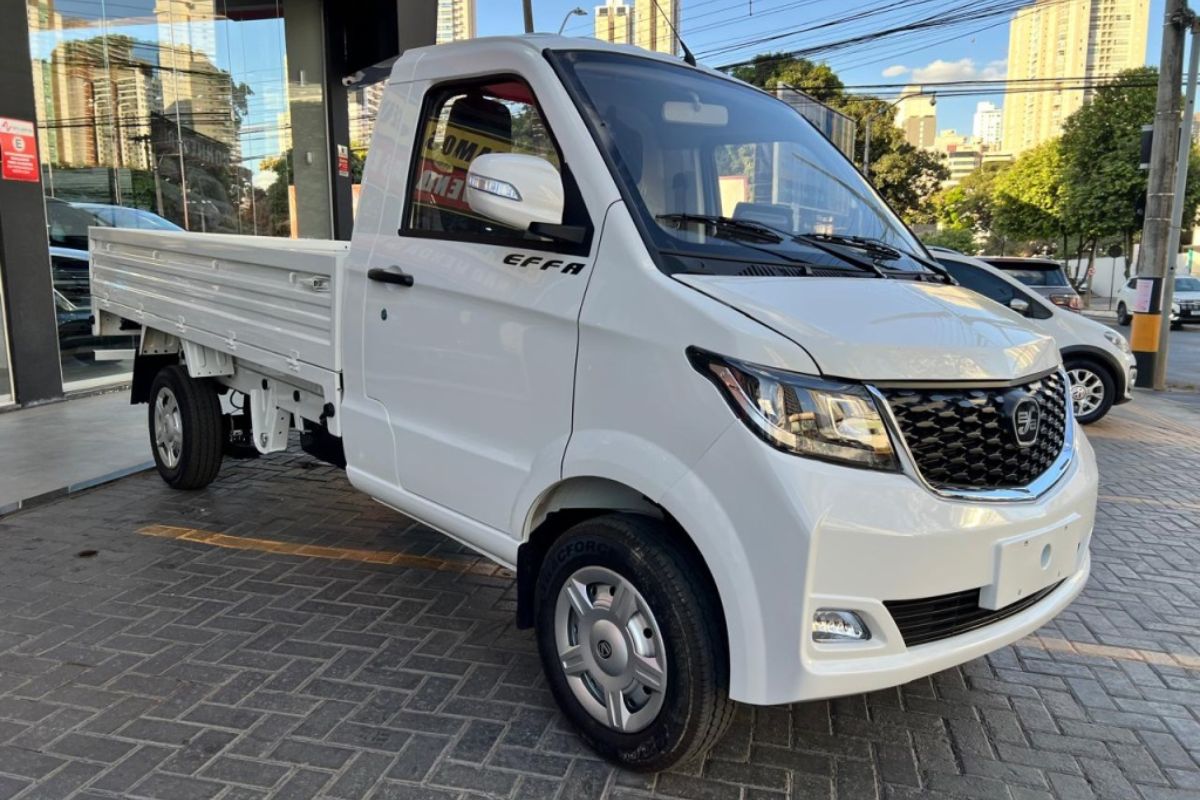
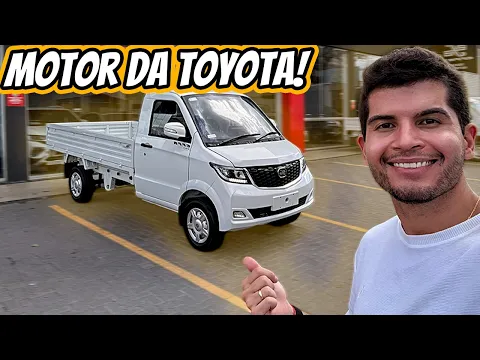
With Assembly Mentioned in Manaus and Maintenance Through Accredited Workshops, the Effa V21 2026 Bets on the Basics of Urban Cargo, Accepts CNH B, Carries Up to 1,500 kg and Has a Bed Close to 1,700 L, but Pays the Price of Being Simple, Slow and Noisy with ABS and Air That Surprises
The Effa V21 2026 Joins the Conversation Among Independents When the Priority Is Not Status, but Budget. It’s a Compact Truck, Described as Rugged and Tiny at the Same Time, with a Straightforward Proposal: To Carry Cargo in the City with CNH B, Without Requiring Truck Driver’s License, and With a Large Bed for Its Size.
What Stands Out Is the Candor of the Package, It Promises Work, Not Glamour. However, the Description Itself Raises a Contradiction That Many Feel in Their Wallets: A Price Is Mentioned as R$ 6,900, but There’s Also Reference to a Utility Vehicle Priced at 100,000, Indicating That the Cost Discussion Needs to Be Read Carefully Before It Becomes a Decision.
The Logic of the Independent and the Promise of CNH B

The First Question Is Who This Vehicle Tries to Serve.
-
A French brand placed a car on four huge red balloons to prove that its suspension made the vehicle “float,” and the surreal scene became one of the most iconic and unusual images in automotive history.

-
Jeep Avenger begins production in Brazil, debuting as the brand’s new entry-level SUV and inaugurating an unprecedented phase by becoming the first national Jeep manufactured outside of Goiana, as part of a R$ 3 billion plan.
-
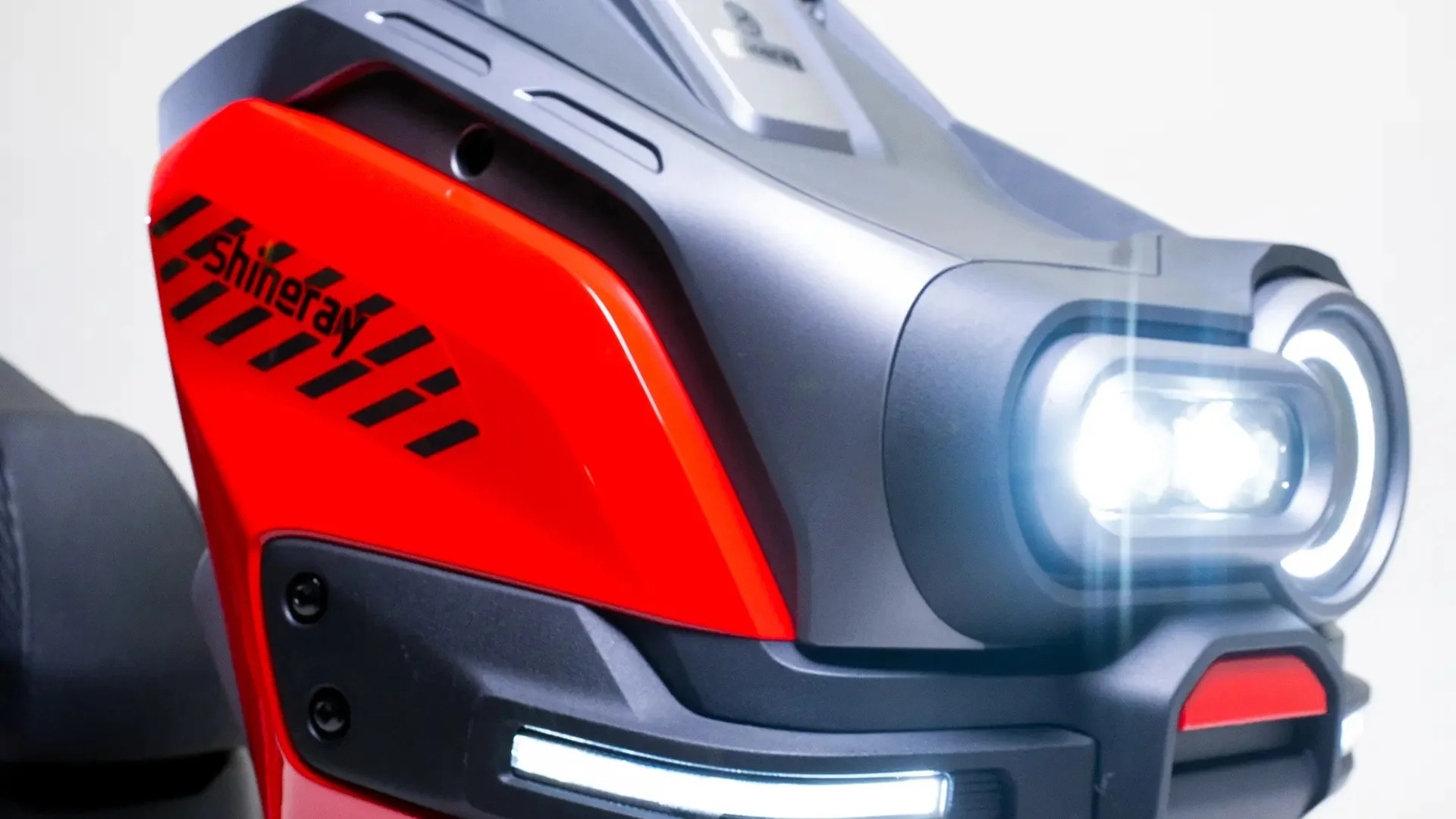
Costing R$ 12,490, the new Shineray Urban Lite 150 “cheap one” arrives in Brazil with a CVT transmission, digital dashboard, and LED lights, making it more affordable than the Biz and targeting those who want to abandon the bus.
-
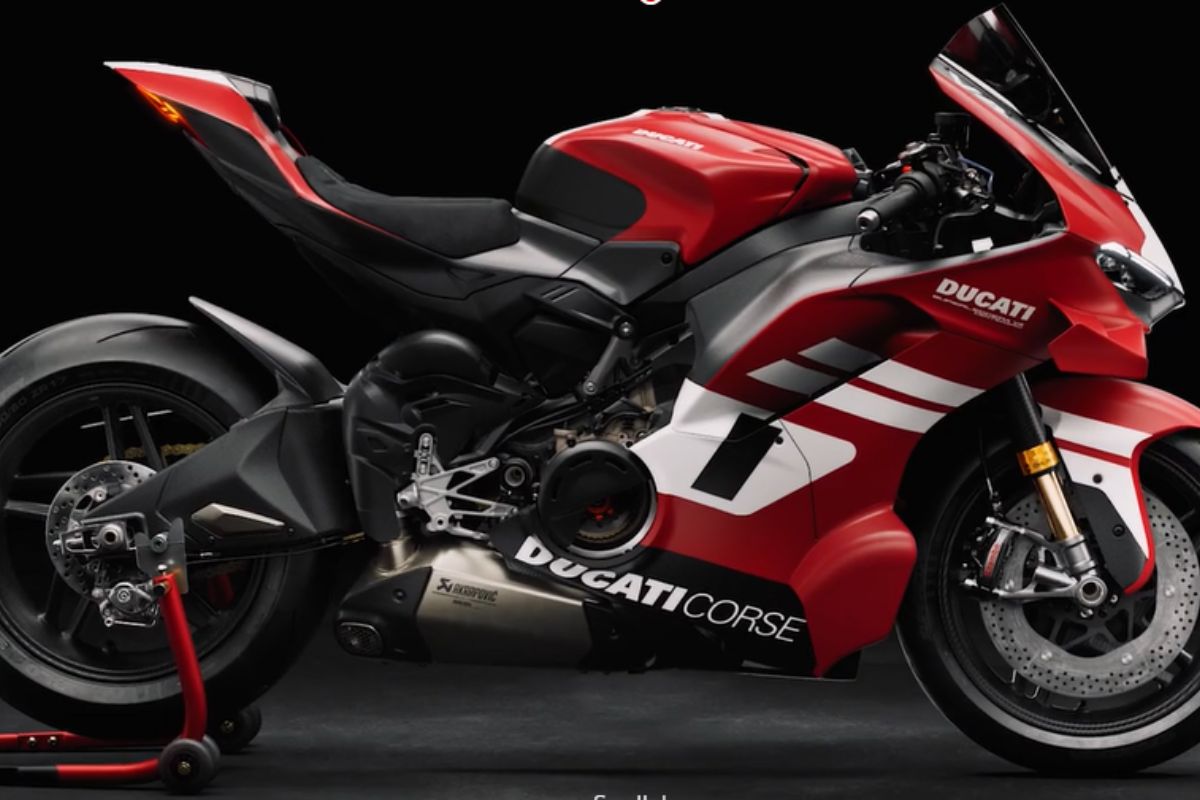
Ducati brings to Brazil the Superleggera V4 Centenario: 228 hp that become 247 with a track kit, carbon fiber and carbon-ceramic brakes, estimated price between R$ 1.5 and 2 million, deliveries only in 2027.

The Answer Appears in the More Classic Profile of Urban Transport: Small Businesses, Freelance Professionals, Deliveries and Services That Need a Bed and Payload Without Entering the World of Large Trucks.
The Effa V21 2026 Tries to Fit Into the Daily Life of Those Who Make a Living by Driving, With the Advantage of Accepting CNH B.
The Second Point Is Why It Becomes a Topic Even Though It’s a Project That Changes Little On the Outside.
The Phrase That Defines This Type of Utility Is Simple: It Doesn’t Change Its Look, But It Can Change the Bill.
When an Independent Compares One of These Small Trucks with Entry-Level Pickups, the Focus Shifts to Load Capacity, Maintenance Costs, and Practicality, Not Acceleration or Finish.
Engine Under the Seat and the Package That Favors Low RPM
The Effa V21 2026 Comes With Its Engine Under the Seat, in an Arrangement Described as Cab Over.
It Features a 1.5-Liter Engine, 16 Valves, with Timing Chain, Cited as 112 hp on Gasoline Only, Not Flex, and Torque of 14.3 kg at 4,000 RPM.
The Message Is Clear: The Goal Is to Pull Weight, Not to Race.
The Numbers Reinforce This Positioning.
The Weight Is Cited as 1,350 kg, Acceleration from 0 to 100 km in 40 Seconds, and Top Speed of 130 km/h.
It Seems Slow, and It Is, but the Logic Presented Is That the Gear Ratios Favor Torque at Low RPM for Urban Use, With an Indicated Payload of Up to 1,500 kg.
Leaf Spring, Rear Traction, and What This Says About Real-World Use
At the Rear, the Highlight Is the Leaf Spring with Six Blades, a Sturdy Solution for Work and Cargo.
The Rear Differential Appears as Confirmation of the Obvious: Rear Traction Is Expected for This Type of Vehicle, Because the Loaded Bed Places Weight Where Traction Is Needed.
The Less Attractive Side Is Comfort.
The Behavior Described Indicates a Stiff Suspension, Bouncing, and the Feeling of a “Bouncing” Rear, Exactly the Kind of Effect That Leaf Springs Usually Deliver When the Vehicle Is Empty.
This Is the Price of a Sturdy Package—it Can Handle Load, but Doesn’t Offer the Smoothness of a Vehicle Designed for Rides.
Bed Close to 1,700 L and the Openings That Facilitate Loading
The Bed Is Cited as Having a Capacity Close to 1,700 L With Side Opening, in Addition to the Rear Lid.
This Matters for Those Who Load and Unload Multiple Times a Day, Because Side Access Changes Work Time When Space Is Tight or When the Load Cannot Be Pulled From Above.
The Box Version Is Also Mentioned, Coming From Factory, With a Higher Cost, No Specific Value Given.
And There Is a Confusing Measure of “Nine 9 Cubic Inches” As Volume, A Detail That, As It Stands, Does Not Fit Into the Most Common Measurement Standard and Reinforces the Need to Check Technical Specifications and Documentation Before Buying.
Small Tank, Cited Consumption, and the Range Limit
The Tank Is Cited as 40 L, Described as Small, and This Aligns With the Urban Proposal.
Consumption Appears as 7 in the City and 9 on the Road, Always With Gasoline, According to Data Cited from Inmetro.
In a Work Vehicle, Range Becomes Routine, and a Small Tank Means More Stops, Even if the Route Is Short.
This Brings Up the Question of Use.
Those Who Drive for Deliveries on Repeated Routes May Accept This Logic Without Drama.
Those Who Frequently Hit the Road or Need a Margin of Range for Unexpected Events Will Likely Feel the Limitation Sooner.
Brakes, Basic Electronics, and Minimum Cabin Comfort
The Safety and Control Package Cited Includes ABS, Front Airbags, Traction Control, and Stability Control.
In Braking, the Suggested Arrangement Is Drum at the Rear and Solid Disc at the Front.
The Argument Presented Is Simple: Less Speed, Less Need for Ventilated Discs, Even Though This Doesn’t Eliminate the Importance of Maintenance and Quality Pads.
In the Cabin, the Package Mixes Simplicity and Modern Concessions. There’s Electric Steering and Air Conditioning, Two Items That Change the Lives of Those Who Spend the Day Working.
The Central Unit With Bluetooth and Cable Mirroring Appears as a More Symbolic Rather Than Essential Feature, and the Finish Is Described as Hard Plastic, Consistent With Utility Vehicles, but Distant from a More “Civilized” Pickup.
Assembly in Manaus, Warranty Through Accredited Providers, and the Part Nobody Sees

Another Sensitive Point for the Independent Is After-Sales Service.
The Assembly Is Cited as Being Done in Manaus. Warranty and Repairs Are Claimed to Be Linked to Accredited Workshops, with Mention of the Porto Seguro Network as an Example of Accreditation in a City Without a Local Dealer.
This Changes the Purchase, Because a Low Price on Paper Can Become a Headache If Maintenance Is Far Away, If Parts Take Time, or If the Driver Doesn’t Know Where to Resolve Issues.
In Work Utility Vehicles, Assistance Is Just as Important as Torque, and This Tends to Be the Detail That Separates Savings From Loss.
The Effa V21 2026 Is the Type of Vehicle That Doesn’t Try to Please Everyone.
It Acknowledges Being Slow, Stiff, and Simple, but Delivers What It Promises in Speech: Rear Traction, Leaf Springs, a Large Bed for Its Size, CNH B, and a Minimum Comfort Package With Electric Steering and Air Conditioning.
Now the Question That Matters to Those Who Live by Driving: Would You Trade Comfort and Finish for Payload and a Bed Close to 1,700 L in the Effa V21 2026, or Would You Prefer to Pay More for a Smaller Pickup Because It’s More “Civilized” in Everyday Life and Resale?









-

-

-

4 pessoas reagiram a isso.