





 Portuguese
  English
  Spanish
  5 min of reading
  0 comments


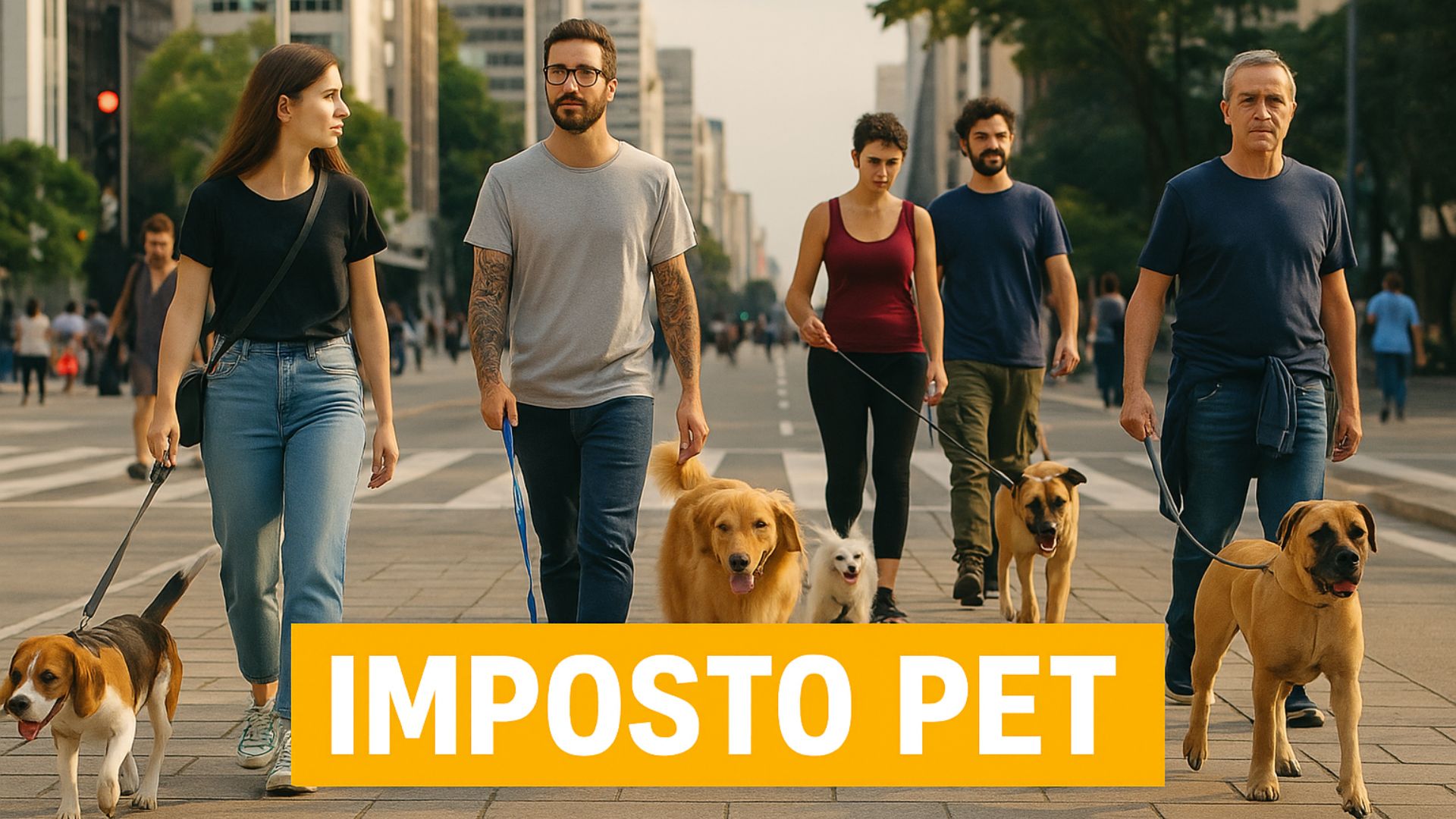
The Italian Province of Bolzano Examines the Creation of an Annual Fee for Residents with Dogs and a Daily Fee for Tourists with Pets. The Project, Still Under Discussion, is Scheduled to Begin in 2026 and Divides Opinions Among Local Authorities.
The Autonomous Province of Bolzano, in northern Italy, began analyzing a project in September 2025 that creates two fees related to dog ownership and circulation.
According to the newspaper The Guardian, the text proposes an annual charge of €100 per animal for residents and a daily fee of €1.50 for tourists staying with their pets.
The proposal, presented by the provincial tourism advisor Luis Walcher, foresees that the revenue will be allocated to urban cleaning, maintenance of specific areas for dogs, and enforcement of waste in public spaces.
-
The government requests the Federal Revenue Service for a new system to automate the income tax declaration, reducing errors, time, and bureaucracy for millions of Brazilians.

-
Pix in installments, international Pix, and contactless payment without internet: the Central Bank revealed the new features coming to the tool that is already used by almost every adult in Brazil.

-
Mercado Livre has just started selling medications with delivery in up to three hours to your door, and this move could completely change the way Brazilians buy medicines on a daily basis.

-
In Dubai, rising tensions from the war in the Middle East are causing super-rich individuals to leave the Gulf and direct their fortunes to a new financial refuge in Asia.


Implementation would start in 2026, if approved.
The Project Seeks to Fund Services Related to the Presence of Dogs
According to the local government, the aim is to create a source of funding for public services impacted by the presence of pets.
The annual fee and daily fee would, according to the provincial administration, have a specific purpose of funding cleaning and urban infrastructure.
The model envisions the use of the revenue for appropriate trash cans, collector bags, and dog parks, among other actions aimed at cohabitation with animals.
Charge Structure and Proposed Values
The text under discussion establishes that residents would pay €100 per dog per year, while tourists would spend €1.50 per night per animal, a value to be collected by hotels and other accommodation providers, following the model of the “tassa di soggiorno”, a stay tax already applied to people in various Italian cities.
In practice, a visitor staying for four nights with a dog would pay €6, and a resident with two dogs would have an annual cost of €200, not counting possible fines for non-compliance with public cleaning rules.
Political Differences and Positions
The proposal generated immediate debate among coalition and opposition parties.
Members of Fratelli d’Italia classified the text as excessive and argued that it penalizes guardians who already comply with the rules.
The provincial president Arno Kompatscher publicly acknowledged that there is no internal consensus within the Provincial Council, indicating that the text may be amended before the vote.
Local authorities claim that the measure is an operational alternative after the difficulties faced with the previous project of genetic identification of dogs.
According to them, the DNA system, implemented in 2024, had limited adherence and high costs, prompting the search for a management model considered simpler.
Background: The Canine DNA Project
The plan to create a DNA bank for dogs, launched in 2024, aimed to identify guardians who failed to clean up after their pets in public places.
According to provincial reports and Italian press coverage, the initiative encountered technical and financial obstacles, especially in collecting samples from tourists and unregistered animals.
As a result, the debate evolved into the creation of the so-called “dog fee”, a proposal that began to be seen as a continuous funding alternative for cleaning and enforcement.
Arguments and Expected Effects
According to advisor Luis Walcher, the two-pronged model — annual for residents and daily for visitors — aims to distribute responsibilities between residents and tourists.
The annual fee would ensure stable revenue to fund areas and services related to dogs, while the daily fee would reflect the potential use of public space by visitors.
The amount of €1.50 was classified by Walcher as “symbolic”, aimed at financing collector bags and additional cleanings in high tourist flow zones.
On the other hand, public policy experts and animal protection entities point out that symbolic values tend to have limited effects on uncivil behaviors.
According to these organizations, enforcement actions and educational campaigns would have a more direct impact on changing guardians’ habits.
Tourism Sector and Practical Implementation
In tourism, the proposed fee follows the format of fees already applied to guests in Italy.
According to the proposal, the fee would be charged by accommodation providers, which would pass the values on to the public administration.
The mechanism would facilitate control and reduce enforcement costs, according to the local government.
Entities associated with the tourism sector, however, assess that the measure may affect the flow of visitors traveling with pets, depending on how it is communicated.
Hotel associations state that the economic impact cannot yet be measured, but advocate for clarity in the allocation of resources to avoid negative perceptions about the destination.
Legal Aspects and Implementation Timetable
The provincial tax authority of Bolzano allows the creation of fees related to local services, provided that national parameters are respected.
The proposal, according to the Italian press, resumes a similar model to the annual fee for dogs that had been abolished by the central government about 16 years ago.
The plan establishes 2026 as the target date for implementation, conditioned on legislative approval and the definition of complementary regulations.
These regulations should address specific exemptions, such as guide dogs and assistance animals, as well as methods for proving residency and accommodation.
What is Still Undefined in the Text
So far, there is no finalized vote.
Points such as the definition of exemptions, the detailed use of collected resources, and the transparency model for their application remain open.
Some local lawmakers are requesting that the final text clearly specify the counterparties to the population, such as the frequency of cleaning, number of areas dedicated to dogs, and indicators for the application of funds.
Analysts consulted by European outlets state that the initiative is part of a broader trend of charging for urban services in Europe, aimed at balancing the costs of cohabitation between humans and animals in cities.
Still, there are differences regarding the effectiveness and proportionality of the model.
The debate is ongoing in the province and should have new developments in the coming months.
Will the annual fee of €100 for residents and the daily fee of €1.50 for tourists with dogs become effective tools for funding public cleaning or will they tend to be revised in the face of political and social pressure?








Seja o primeiro a reagir!