





 Portuguese
  English
  Spanish
  5 min of reading
  1 comment


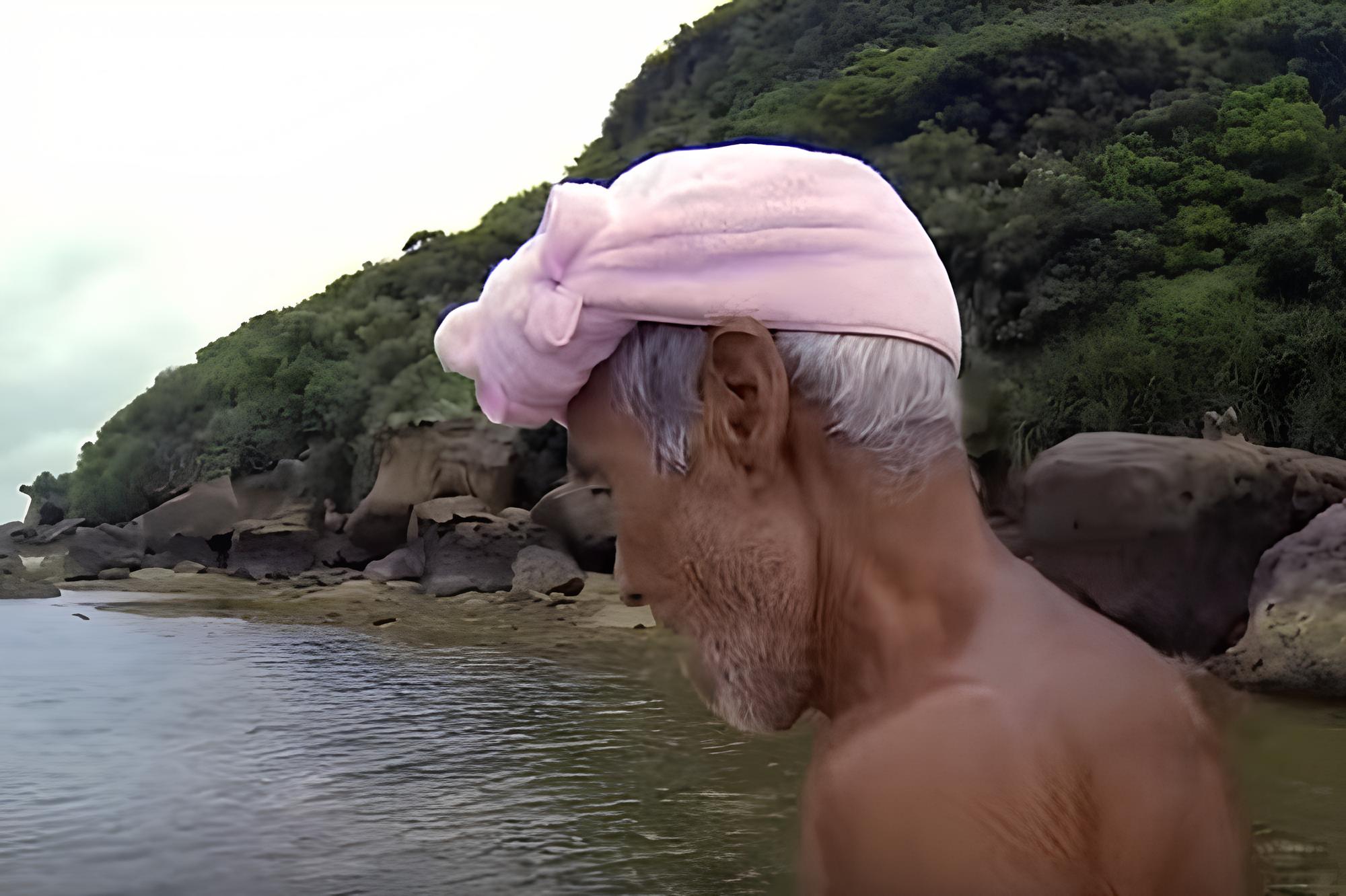


Japanese Lived Nearly 30 Years Isolated on a Desert Island, Surviving on Fishing, Rainwater, and Improvised Shelter in One of the Most Extreme Cases Ever Documented.
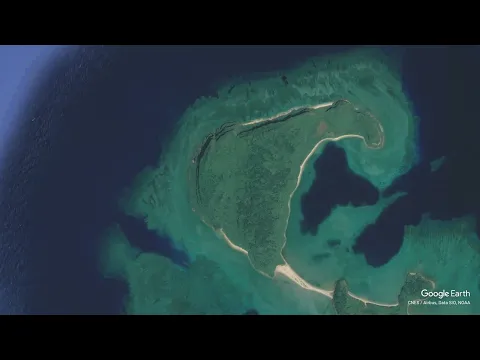
Japanese Lived Nearly 30 Years Isolated: In 1989, the Japanese Masafumi Nagasaki, then about 50 years old, made a decision that would change his life and become one of the most extraordinary stories of voluntary isolation in the modern world. He left his job, his apartment, and urban routine to live completely alone on a small uninhabited island in the Yaeyama archipelago, in the far south of Japan. The island, whose name only became public years later, remained hidden from curious onlookers and researchers until international reports revealed the case.
The location had everything that characterizes an extreme scenario: absence of electricity, no source of drinking water, sparse vegetation, tropical climate subject to typhoons, and total isolation, as the island had no port, natural shelter, or any kind of infrastructure. Access was only possible by small boats, and few people knew of Nagasaki’s presence on that wild piece of land.
It was there that he began a survival routine that would stretch over nearly 30 years.
-
These are the drivers who may stop paying tolls on highways in a project that promises to reduce costs for those who live from transportation in Brazil.

-
(Video): Italian pilot lands plane on moving train at 120 km/h and achieves unprecedented feat in aviation, even with a narrow runway and without direct visual contact.

-
It seems to have come out of a science fiction movie: A Brazilian city where it rains almost every day, recording over 4,000 mm per year, driven by climatic factors — a direct result of its strategic location in the Amazon.
-
The water crisis that could change everything this year has already begun; it’s not just about the climate, it affects technology, raises product prices, and can halt entire companies without warning.


Daily Fishing and Rainwater: The Foundation of Survival – The Routine of the Japanese Lived Nearly 30 Years Isolated
Without electricity, modern tools, and fixed supplies, Masafumi Nagasaki organized himself to live off what the environment could provide. Subsistence depended on three fundamental pillars:
Daily Fishing
The sea surrounding the island was abundant in small tropical fish, which he caught using simple methods, such as improvised lines, basic hooks, and nets that he mended himself. The catch was cooked over improvised campfires, which needed to be set up away from the fine sand to avoid the wind extinguishing the flames.
Rainwater Collection
Since the island had no freshwater springs, Nagasaki had to create a rudimentary rainwater collection system. He set up collectors with tarps, repurposed containers, and small hand-made channels to direct rainwater into pots and jugs he occasionally brought from the mainland.
During drier seasons, he managed every drop, drinking only what was necessary and avoiding excessive physical exertion.
Supplementary Foods
In some periods, he collected seaweed, small native fruits, and seeds found in the local vegetation.
When he had the chance, he saved scraps of rice, crackers, and basic supplies brought sporadically by fishermen friendly to his story.
The combination of these elements ensured his survival for decades, even without any infrastructure.

Improvised Shelter and Adaptation to the Extreme Environment
Despite the absence of buildings on the island, Masafumi Nagasaki built an improvised shelter using:
- boards washed ashore,
- tarps,
- stones,
- dry branches,
- and discarded objects he found on the beach.
Over time, the shelter became a small multifunctional structure, with space to sleep, store utensils, prepare food, and protect himself from storms.
Reports from documentarians show that, even in violent storms, he would crouch inside the structure, waiting hours for the winds to subside.
In typhoon seasons, when waves exceeded two meters and swept across parts of the beach, Nagasaki relied solely on the strength of his improvised construction.
A Routine Paced by the Sun and the Tide
As the years passed, his body and mind completely adapted to the island’s natural cycle. He woke up with the sunrise, organized his materials, checked the stored water, and set out to fish while the sea was still calm.
In the afternoon, he dedicated time to collecting wood, reorganizing the shelter, and preparing meals. At night, without any source of artificial light, he remained in the dark, watching the stars or resting to conserve energy.
The absence of electricity was total: there was no radio, cell phone, flashlight, or any modern equipment.
For decades, he lived in absolute technological silence, listening only to the sound of the waves and the winds.
International Recognition and the Impact of the Story
The case gained worldwide attention when Japanese photographers and documentarians decided to document the hermit’s routine. Reports from BBC, CNN, Business Insider, The Guardian, and Strait Times revealed the magnitude of the story, describing him as “the naked hermit of Japan,” because, over the years, he abandoned the use of clothes for most of the day due to the extreme heat of the island.
International interest sparked debates about voluntary isolation, mental health, physical endurance, and the relationship between humans and remote environments.
The Forced Removal in 2018
After nearly three decades living in this extraordinary manner, Masafumi Nagasaki was forced to leave the island in 2018, when Japanese authorities were alerted about his weakened health.
He was taken to the mainland for medical care and began living in public facilities, away from the isolation that marked his journey.

Despite this, many reports indicate that he expressed a desire to return to the island that he considered his permanent home. In 2022, he managed to briefly return for a farewell.
The Legacy of One of the Most Extreme Cases of Voluntary Survival
The story of Masafumi Nagasaki has become a reference in studies about human isolation. He lived nearly 30 years under conditions that challenge the limits of modern survival:
- without electricity,
- without running water,
- without constant support,
- without neighbors,
- without advanced tools,
- and facing tropical storms, extreme heat, and droughts.
What impresses specialists is his ability to maintain a sustainable, organized, and sufficiently efficient routine to ensure his survival for so long.
Today, his life is studied by anthropologists, psychologists, and documentarians seeking to understand how a human being can maintain physical and mental balance in total isolation.
Nagasaki’s legacy remains one of the most striking accounts of self-determination and resilience in the contemporary era — proof that, even in a hyper-connected world, there are still stories that seem to have been taken from another century.






Apesar das dificuldades, estava num seu próprio mundo, perfeito e interagindo diretamente com a natureza, isso prova que vó Sr humano tem a capacidade de se adtar a natureza e o seu habitat sem interferir e interagir, acredito que era mais feliz na ilha, mesmo isolado e sua longevidade segue o fluxo natural da vida sem a intervenção da vida moderna, o local é vim paraíso aparentemente, talvez foi o que proporcionou sua permanência e adaptação ao ambiente e seu mérito de determinação e inteligência as adversidades, pessoa que fez a diferença em sua existência no planeta e em sua época, admirável, acredito deixar uma lição e reflexão a nossa relação atual com o meio ambiente e interação