





 Portuguese
  English
  Spanish
  4 min of reading
  0 comments


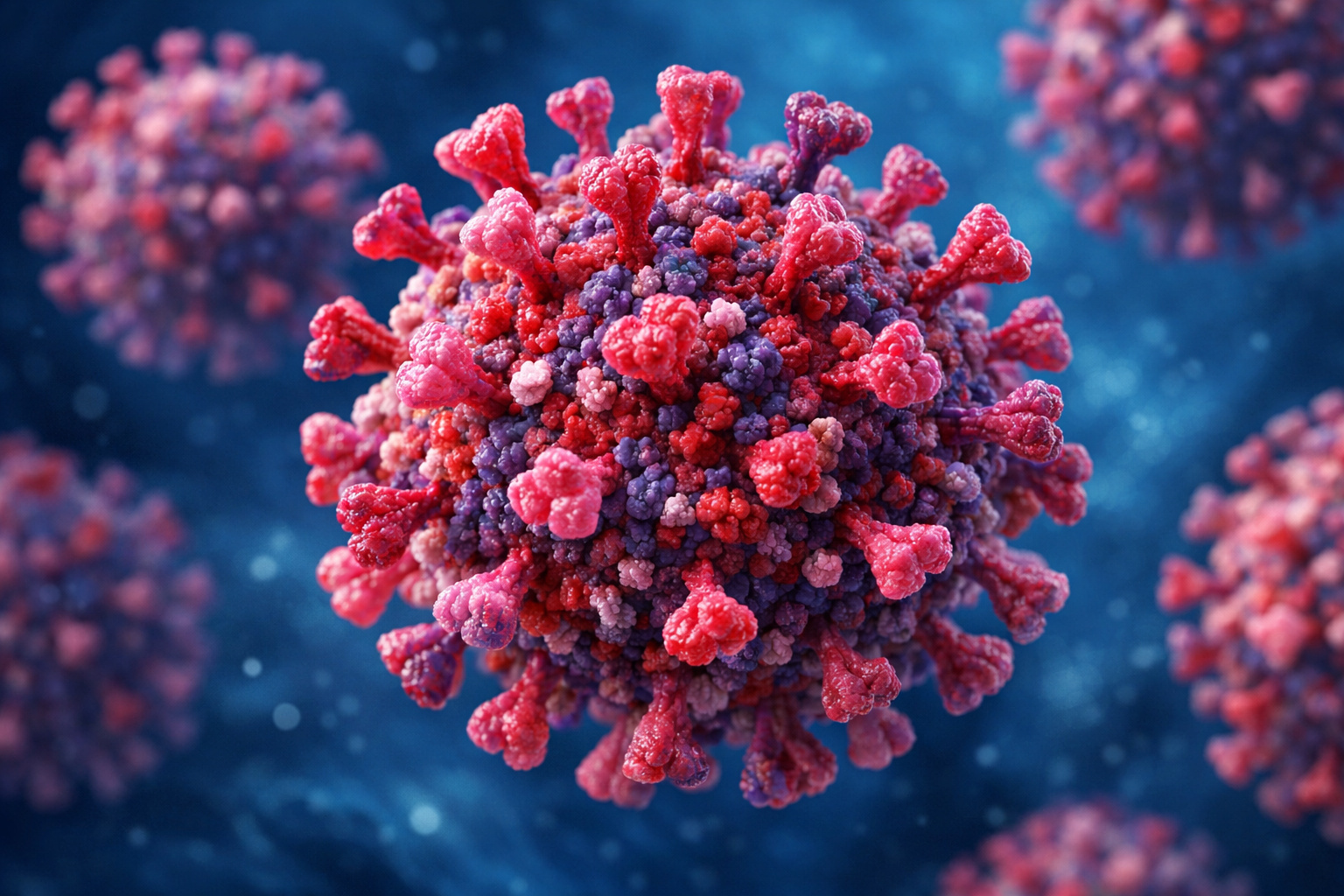
Official Note Dismisses Disease Records in the Country While Brazilian and International Authorities Monitor Recent Cases in Asia and Strengthen Epidemiological Surveillance Actions
The Ministry of Health officially stated that there are no confirmed cases of the Nipah virus in Brazil and that, so far, there is no indication of immediate risk to the population, even after the intense flow of people registered during Carnival. The statement was released amid increasing international attention following new records of the disease in Asia, especially in India and Bangladesh, countries that have historically faced localized outbreaks of the virus.
The information was disclosed by the Ministry of Health itself, through an official note published this week, in which the ministry emphasizes that Brazil maintains permanent epidemiological surveillance protocols capable of early identification of risk events involving emerging or re-emerging diseases. Furthermore, the agency states that it continuously monitors alerts and reports issued by international health authorities.
In this context, the Brazilian government seeks to clarify the population’s doubts and contain the dissemination of inaccurate information, highlighting that there is no reason to change travel, trade, or public event routines in the country at this time.
-
Friends have been building a small “town” for 30 years to grow old together, with compact houses, a common area, nature surrounding it, and a collective life project designed for friendship, coexistence, and simplicity.

-
This small town in Germany created its own currency 24 years ago, today it circulates millions per year, is accepted in over 300 stores, and the German government allowed all of this to happen under one condition.

-
Curitiba is shrinking and is expected to lose 97,000 residents by 2050, while inland cities in Paraná such as Sarandi, Araucária, and Toledo are experiencing accelerated growth that is changing the entire state’s map.

-
Tourists were poisoned on Everest in a million-dollar fraud scheme involving helicopters that diverted over $19 million and shocked international authorities.


Cases in India and Bangladesh Rekindle Global Alert and Mobilize Health Authorities
The international alert gained strength after the confirmation of two recent cases of the Nipah virus in India, both involving healthcare professionals. According to information relayed to the World Health Organization (WHO), 198 people who had direct or indirect contact with the infected individuals were identified, monitored, and tested, with negative results so far.
According to official data, the last confirmed case in India occurred on January 13, and the episode is approaching the end of the epidemiological monitoring period, indicating control of the outbreak. In light of this scenario, the WHO declared that it does not recommend travel or international trade restrictions, based on the information available so far.
In Bangladesh, however, a recent case caught the attention of health authorities. A woman between 40 and 50 years old presented initial symptoms such as fever, headache, vomiting, and weakness, rapidly evolving to seizures and loss of consciousness. She died at the end of January, and investigations suggest that the infection may be related to consumption of raw date palm sap, a traditional food that has been associated with previous outbreaks of the Nipah virus in the country.
Since 2001, Bangladesh has recorded almost annual cases of the disease. Only in 2025, there were confirmed four fatal infections, reinforcing the recurring and localized nature of the virus in the region.
What Is the Nipah Virus, How Does Transmission Occur, and Why Does the Disease Concern Specialists
The Nipah virus is considered a rare, serious, and highly lethal disease, with predominant transmission from animals to humans, especially through fruit bats and pigs. Infection can occur through direct contact with contaminated animals, secretions, or ingestion of contaminated foods, such as fruits or raw saps.
Although less common, there are also reports of transmission between people, especially in hospital or close-care settings, although this type of spread is considered limited. The incubation period of the disease ranges from four to 14 days, which requires rigorous monitoring of contacts in affected areas.
The initial symptoms include high fever, nausea, vomiting, and respiratory issues, which can progress to pneumonia and, in more severe cases, to encephalitis, characterized by drowsiness, disorientation, and seizures. The case fatality rate varies between 40% and 75%, a number considered high by public health specialists.
Currently, there is no approved vaccine or specific treatment, which leads the WHO to classify the Nipah virus as a pathogen of high epidemic potential. Nevertheless, specialists emphasize that the outbreaks recorded so far have been geographically restricted, controlled with classic measures of isolation, contact tracing, and intensive epidemiological surveillance.
In the case of Brazil, the Ministry of Health emphasizes that the country has a technical structure, rapid response protocols, and integration with international alert systems, factors considered fundamental to reduce risks and ensure efficient response to potential health threats.









-

-

-

-

-

-

16 pessoas reagiram a isso.