





 Portuguese
  English
  Spanish
  5 min of reading
  0 comments


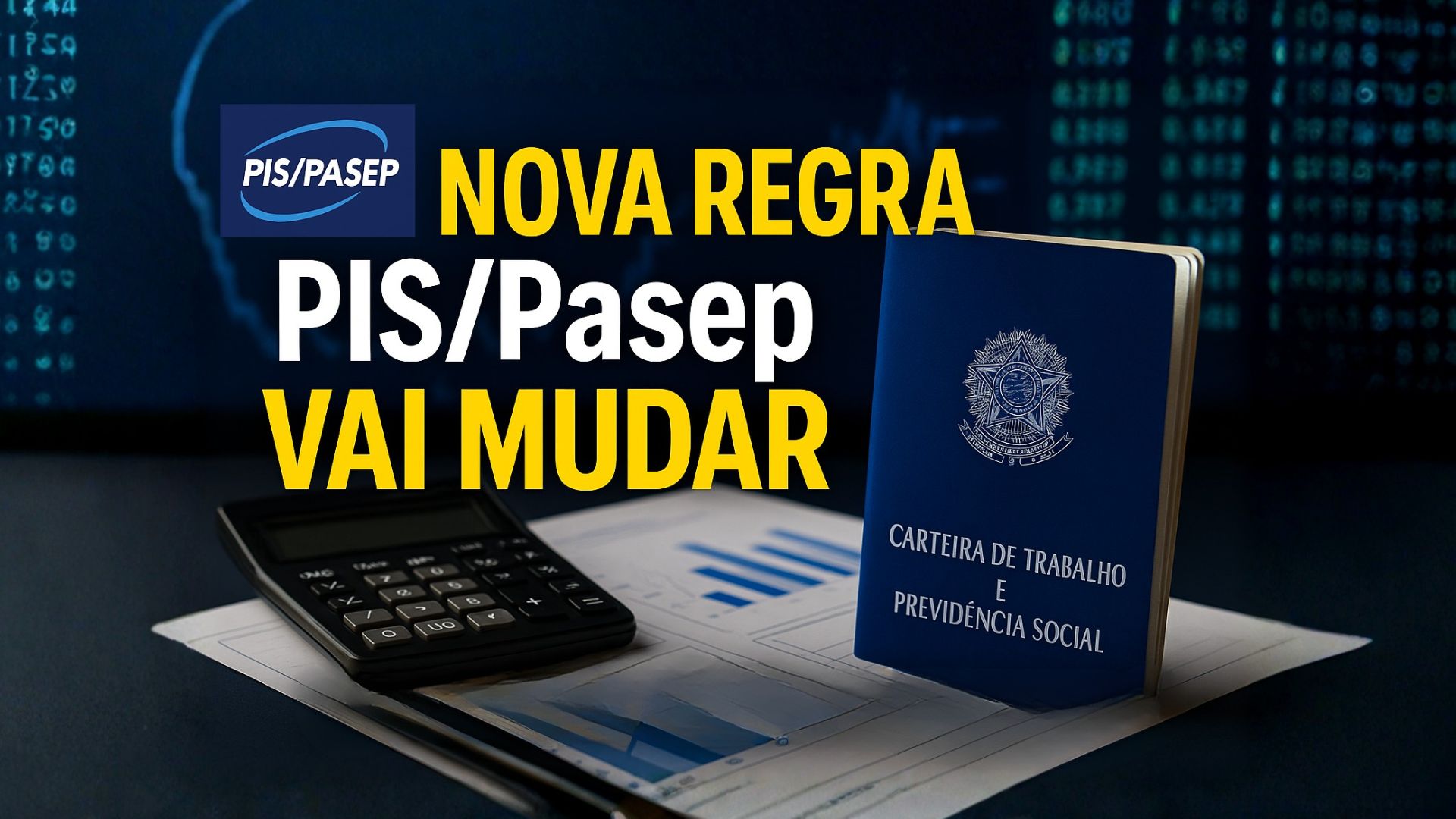
Changes To The Salary Allowance Should Alter Access To The Benefit And Redefine Income Bracket Over The Next Decade.
Starting in 2026, the salary allowance of PIS/Pasep will follow stricter income criteria, which is expected to remove about 3 million workers from the list of beneficiaries by 2030 and generate an estimated savings of R$ 24.8 billion for the federal government between 2025 and 2030, according to official projections from the Ministry of Finance.
Today, the benefit is paid to those who received, on average, up to two minimum wages in the base year of reference, always with a two-year lag in relation to the payment year.
With the change approved within the fiscal package of 2024, the limit will no longer automatically follow the value of two minimum wages and will become a fixed amount in reais, initially set at R$ 2,640.00, adjusted annually only for inflation measured by the INPC, until it converges to a ceiling equivalent to 1.5 minimum wage around 2035.
-
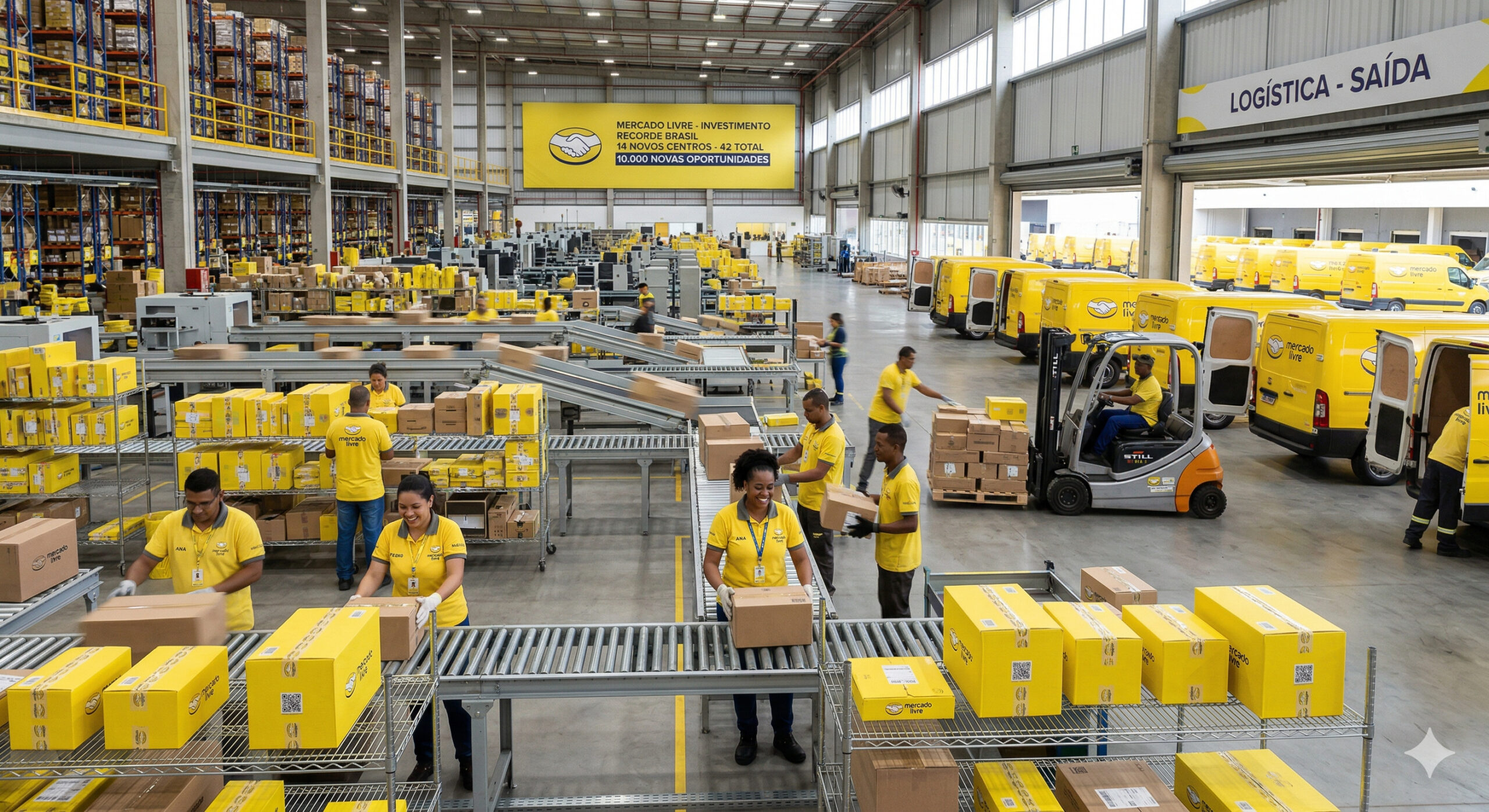
Mercado Livre “opens the vault” and announces a record investment of R$ 57 billion in Brazil in 2026, a value 50% higher than the previous year, with an expansion plan that includes 14 new logistics centers, totaling 42 units in the country and hiring an additional 10,000 employees.
-
How investment in technology can revolutionize the national economy and enhance industrial gains, according to a study that highlights the direct impact on productivity, innovation, and wealth retention within Brazil.

-
The largest food company on the planet, JBS, has just opened a 4,000 square meter laboratory in Florianópolis to develop customized proteins that modulate muscle mass gain, immune response, and metabolic performance.

-
After nearly 30 bids and competition among industry giants, a Spanish company purchases one of the largest airports in Brazil for almost R$ 3 billion and takes over the management of Galeão in a concession that will last until 2039.


Current Criteria For PIS/Pasep
Under the current model, the salary allowance is aimed at low-income workers who are formally employed in the private sector or public service.
Those who received, on average, up to two minimum wages per month in the base year considered, worked for at least 30 days with a formal contract, and have been enrolled in PIS or Pasep for at least five years are entitled to the benefit.
It is also required that the employment information be correctly reported by the employer in the Rais or eSocial.
The paid amount remains proportional to the number of months worked in the base year, referencing the minimum wage in effect in the year of payment.
Those who worked the entire year receive the full amount.
Those who were employed for fewer months receive only the corresponding fraction.
Although it serves as an annual income supplement, the salary allowance should not be confused with the 13th salary or other labor rights.
It is a specific program, funded by the Worker Support Fund (FAT) and with its own rules defined by law.
When Do The New Rules Take Effect
The change in the income criteria will take effect starting with the payroll for 2024, but the effects will only be felt in the payments made in 2026.
This is because, by rule, the allowance is always calculated based on information from two years prior to the payment calendar.
In practice, the allowance paid in 2025 will still follow the current rules, considering the income from 2023 and the limit of up to two minimum wages.
Only the benefit to be deposited in 2026, calculated based on the remuneration of 2024, will already use the new initial ceiling of R$ 2,640.00 adjusted for inflation.
The government emphasizes that there will be no change in the way the individual amount is calculated.
The allowance will remain linked to the minimum wage and will continue to be proportional to the number of months worked in the base year, from one to twelve parts.
The change solely affects who qualifies under the new access criteria.
Evolution Of The Income Limit Until 2035
The central point of the change lies in redefining the income ceiling.
Instead of the limit of two minimum wages, eligibility will now be determined by a fixed amount in reais, starting at R$ 2,640.00 and adjusted annually by the INPC.
This amount will serve as a reference to assess, each year, whether the worker remains within the allowed income bracket to receive the allowance.
While the new ceiling will be adjusted only for inflation, the minimum wage will continue to adhere to a valuation policy that combines INPC with GDP variation.
Thus, over time, the real limit should represent a smaller proportion of the minimum wage until the point where the Ministry of Finance projects that the allowance will be restricted to those earning up to approximately 1.5 minimum wage around 2035.
Official estimates indicate that, if current labor market parameters and minimum wage adjustments are maintained, approximately 3 million workers will no longer be eligible for PIS/Pasep by 2030.
In the same timeframe, the accumulated savings on expenses with the benefit is expected to reach R$ 24.8 billion.
Who Remains Eligible For PIS/Pasep
Despite the gradual reduction of the served public, those who remain within the requirements will continue to receive the salary allowance without changes in the calculation logic.
The requirements for the minimum enrollment time in PIS/Pasep, the time worked with a formal contract in the base year, and the correction of the information provided by the employer remain in effect.
The amount to be paid will continue to be linked to the minimum wage of the payment year and will not suffer direct cuts due to the new rules.
The change does not impose nominal reductions on the individual benefit but reduces the number of people who fit within the eligible income brackets.
The federal government states that the reformulation of the program does not alter other labor rights, such as the 13th salary, vacation, and FGTS deposits.
These rights remain regulated by labor legislation and social security norms.
The salary allowance continues to be an independent benefit, with its own sources of funding and specific rules.
Fiscal And Redistributive Objectives Of The Government
According to the Ministry of Finance, the change is part of the fiscal adjustment effort approved in 2024.
The goal is to direct PIS/Pasep more concentratedly towards low-income workers and contain the growth of mandatory federal expenses.
The government diagnoses that, with the valuation of the minimum wage and the gradual improvement of the formal labor market, the program has started to reach higher income brackets within the workforce, moving away from the originally defined public.
By limiting the income ceiling and uncoupling it from the two minimum wage rule, the official expectation is that the benefit will once again concentrate on workers with lower wages.
The measure also aims to reduce distributional distortions.
In addition, it contributes to the balance of public accounts over the next decade.
The projected savings of R$ 24.8 billion between 2025 and 2030 is part of the set of actions aimed at reinforcing compliance with fiscal rules and increasing the predictability of federal spending.
With this redesign of the rules, how are formal workers likely to reorganize their financial planning in light of the changes to access to the salary allowance?









Seja o primeiro a reagir!