





 Portuguese
  English
  Spanish
  4 min of reading
  0 comments


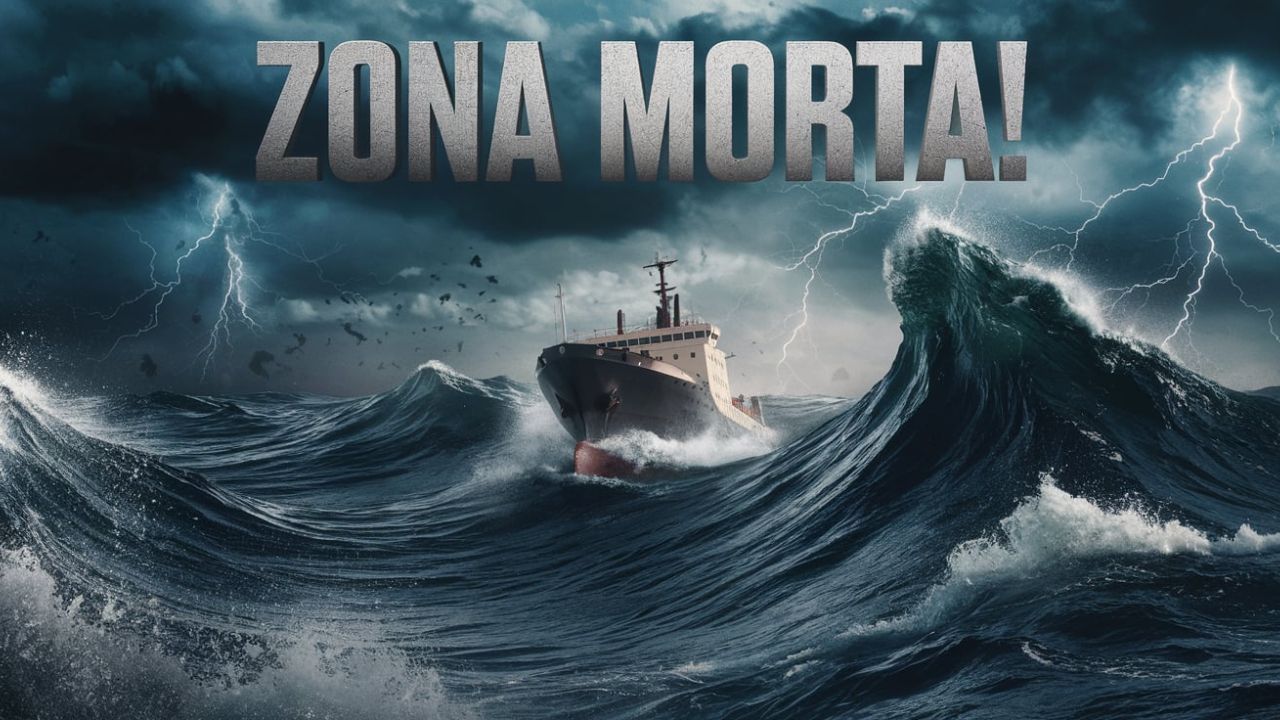
Winds of Up to 160 Km/H, Giant Waves of 30 Meters, and the Extreme Isolation in the North Pacific Explain Why Ships Do Not Risk the Shortest Route Between Russia and the USA. Understand the Challenges of This Crossing!
A ship journey between Russia and the United States. Sounds simple, right? A nearly straight, quick, and economical route. But the reality is not so practical. Most ships avoid this direct route. Instead, they choose longer and even more costly paths. But why? What is so challenging in the North Pacific?
To answer that question, it is necessary to understand the complex scenario that turns this route into a true maritime trap.
The Immense Size of the Pacific Ocean
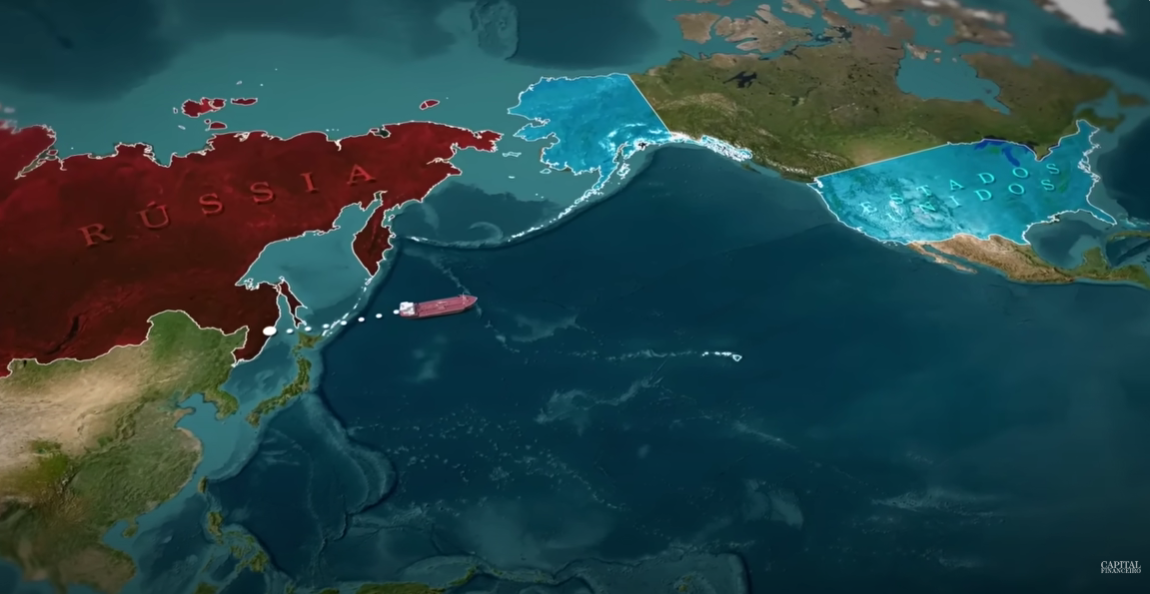
The Pacific Ocean is so vast that it seems like a universe in itself. It is the largest ocean on the planet, surpassing the smallest one, the Arctic, by more than ten times. This immensity creates absurd distances between land points, such as the stretch between Russia and the USA.
-
The induction stove you know may be numbered: a new invisible technology hides the stove under the stone countertop, heats only the pot, and promises to cook up to 50% faster while using less energy.

-
Garlic with pure honey undergoes a natural fermentation that transforms the two ingredients into a versatile condiment for marinades, sauces, and roasted vegetables, and it can also be used as a natural treatment in your garden.

-
A woman in the United States hired six immigrants for a $10,000 job on her house, and when the work was almost done, she allegedly called ICE to avoid paying and to have the workers deported.

-
iPhone in 2026: the technological innovations that go beyond cameras and processors


Navigating this region means being thousands of kilometers away from any safe port. And that is a big problem. If a ship has a mechanical failure, suffers an accident, or faces a storm, help may take days or even weeks to arrive. In such an isolated ocean, the risk increases exponentially, both for crews and for cargo.
Winds and Storms in the North Pacific Prevent Ships
In the North Pacific, the winds do not take it easy. Due to the lack of natural barriers, they blow freely, accumulating strength and energy. This creates perfect conditions for powerful storms, especially during the typhoon season.
The trade winds and westerlies are the protagonists of this chaos. They generate violent currents and gigantic waves that make navigation extremely dangerous. To get an idea, winds of 120 to 160 km/h are not uncommon in this region, creating storms that can turn into true walls of water at sea.
Giant Waves and Dangerous Currents
The waves in the North Pacific are another chapter apart. When the wind transfers energy to the water, it generates increasingly larger waves. In some cases, the so-called “rogue waves” emerge, or monstrous waves, which can exceed 30 meters in height.
These waves, combined with intense ocean currents, are a recipe for disaster. A famous example is the cargo ship MV Derbyshire, which sank in 1980 after being hit by extreme conditions in the Pacific. The isolation and force of nature make this region one of the most challenging places to navigate in the world.
Proximity to Safe Territories: A Strategic Choice
Now it makes sense why ships opt for longer routes. These routes may even take more time and fuel, but ensure proximity to safe territories. Territories such as Alaska, Hawaii, and U.S. overseas territories offer valuable support in case of emergencies.
For example, the territory of Guam, in the western Pacific, has Apra Harbor, a modern facility ready to accommodate commercial vessels. These strategic points save lives and cargo, making alternative routes much safer.
The Untamed Force of the North Pacific
Even with all technology and human advancement, the North Pacific remains a reminder that nature is still an untamed force. Its extreme conditions challenge even the most modern ships, forcing humanity to adapt strategies and respect the limits imposed by the ocean.
Ships do not avoid the route between Russia and the USA by chance. The combination of extreme isolation, violent winds, gigantic waves, and the lack of safe ports makes this region one of the most dangerous in the world. That is why captains choose safer routes, even if they are longer.
The North Pacific is more than an ocean. It is a challenge, a test that the relationship between man and nature is still far from being mastered. And, in the end, it is this wild force that reminds us of the grandeur of the planet we inhabit.




-

-

-

4 pessoas reagiram a isso.