





 Portuguese
  English
  Spanish
  3 min of reading
  0 comments


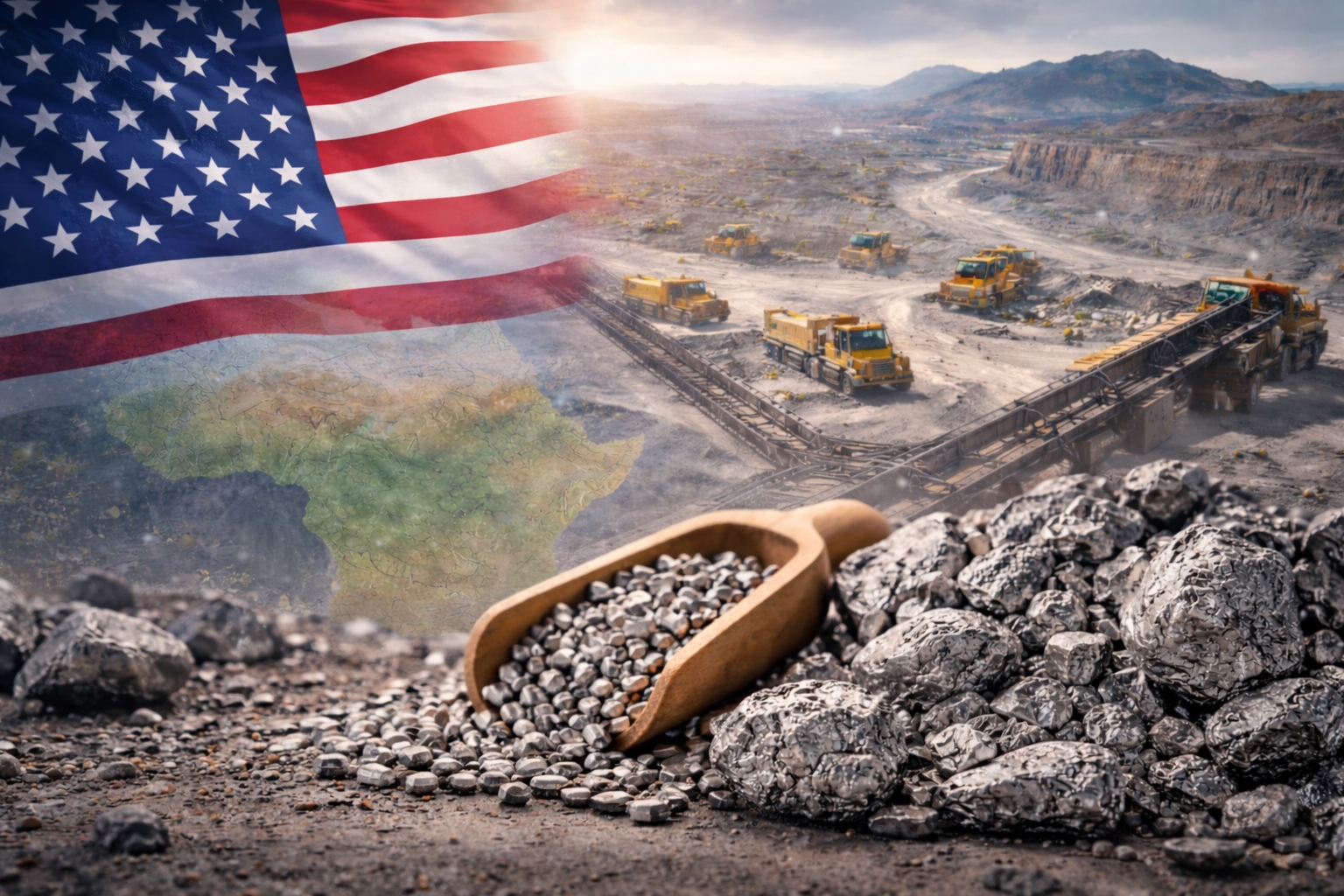
Investment Vehicle Backed By The United States Announced Plan To Raise Up To US$ 200 Million To Finance Critical Minerals In Cape Town – South Africa, Increasing Pressure For Secure Supply And Drawing Global Market Attention.
TechMet, an investment vehicle backed by the United States, announced that it intends to seek up to US$ 200 million to finance projects related to critical minerals. The announcement took place in Cape Town, South Africa, and gained momentum because this type of capital typically accelerates projects that are at the intersection of mining, industry, and supply security.
The point that connects the news to Brazil is straightforward: TechMet has a stake in Brazilian Nickel, a company linked to nickel in the country, as well as exposure to rare earth projects in Africa.
TechMet Stated It Aims To Raise Up To US$ 200 Million To Finance Critical Minerals In South Africa
TechMet stated it aims to raise up to US$ 200 million to finance critical minerals. The statement came from CEO Brian Menell during a mining event in Cape Town, South Africa, information reported by Reuters.
-
The government requests the Federal Revenue Service for a new system to automate the income tax declaration, reducing errors, time, and bureaucracy for millions of Brazilians.

-
Pix in installments, international Pix, and contactless payment without internet: the Central Bank revealed the new features coming to the tool that is already used by almost every adult in Brazil.

-
Mercado Livre has just started selling medications with delivery in up to three hours to your door, and this move could completely change the way Brazilians buy medicines on a daily basis.

-
In Dubai, rising tensions from the war in the Middle East are causing super-rich individuals to leave the Gulf and direct their fortunes to a new financial refuge in Asia.

In a market where projects require years of development, new capital often serves as the tipping point between promise and real progress. When an investor of this caliber signals cash expansion, the sector interprets it as a positioning move for the next phase of the industrial chain.
Why Critical Minerals Have Stopped Being Just A Mining Issue
The term critical minerals has gained weight for a practical reason: they are materials considered strategic for industrial chains ranging from energy to technology.
When the supply becomes concentrated, when logistics fail, or when projects are delayed, the impact can manifest in production costs and timelines. Estimates indicate that the demand for several of these minerals is likely to grow with the expansion of sectors related to electrification and industrial modernization.
TechMet Has A Stake In Brazilian Nickel, Linked To Nickel In Brazil
TechMet has a stake in Brazilian Nickel, linked to nickel in Brazil. This detail places the country on the map of investors seeking assets connected to strategic minerals.
There is no official number disclosed regarding production volume, timeline, or size of the investment associated with the Brazilian project. Still, Brazil’s presence in the portfolio helps to understand a larger trend: global capital is trying to secure positions in raw materials that support industrial chains considered priorities.
Rare Earths In Africa Reinforce That The Dispute Is Global And Not Local
In addition to Brazil, TechMet has exposure to rare earth projects in Africa. This broadens the interpretation that the fundraising does not aim at a single asset, but rather a portfolio linked to minerals seen as strategic in different regions.
In practice, the design is one of diversification. Different geographies, different materials, and an attempt to reduce the risks of concentration and supply bottlenecks, in a scenario where governments and companies seek more predictability.
What Could Happen Now With Up To US$ 200 Million Seeking Destination
If the fundraising advances, the most likely effect is to accelerate steps that typically stall projects, such as engineering, infrastructure, operational preparation, and supply chain organization.
There is also the signaling effect. When a vehicle backed by the United States seeks resources for critical minerals, market interest in similar assets and in regions that could become relevant pieces in global supply increases.
The result is a more selective race, where projects with technical viability, clear permits, and logistics tend to attract more attention than promises without structure.
The movement raises a question: will Brazil appear only as a source of raw materials, or can it capture more value through investments, processing, and the industrial chain linked to these minerals?
The discussion is simple, but it does not have an easy answer. When big money enters to compete for strategic metals, what matters more, the ability to produce quickly or the ability to control the route to industry?









-

-

2 pessoas reagiram a isso.