





 Portuguese
  English
  Spanish
  4 min of reading
  0 comments


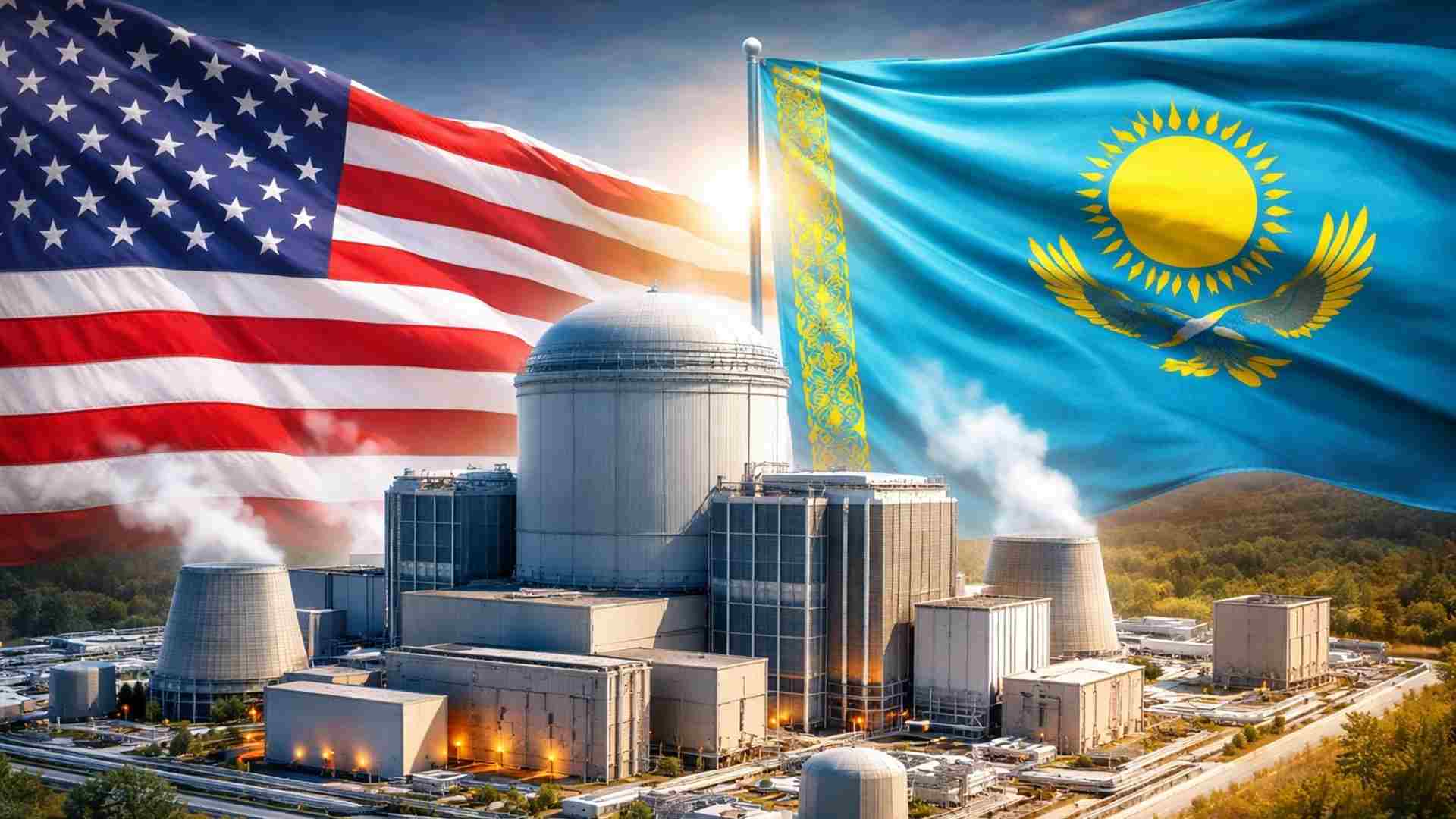
Partnership Announced Between The United States And Kazakhstan Foresees, Starting In 2026, Cooperation In Civil Nuclear Energy Focused On Small Modular Reactors, Creation Of Regional Training Center, Installation Of Educational Simulator In Almaty And Technical Studies For Integration Of SMRs Into The Kazakh Electric Grid, Expanding A Strategic Relationship Begun In 1991
The United States And Kazakhstan Announced An Agreement To Deepen Civil Nuclear Partnership In The First Months Of 2026, Focused On Small Modular Reactors, Workforce Training, And Technical Studies, Solidifying A Strategic Relationship Built Since 1991 And Expanding Energy Cooperation Between The Two Countries.
The Initiative Reinforces A Bilateral Relationship That Strengthens Over Decades And Marks A New Stage Of Nuclear Cooperation, Now Focused On Civil Energy And Institutional Development.
The Agreement Highlights Small Modular Reactors, Known As SMRs, Small-Scale Nuclear Fission Technologies.
-
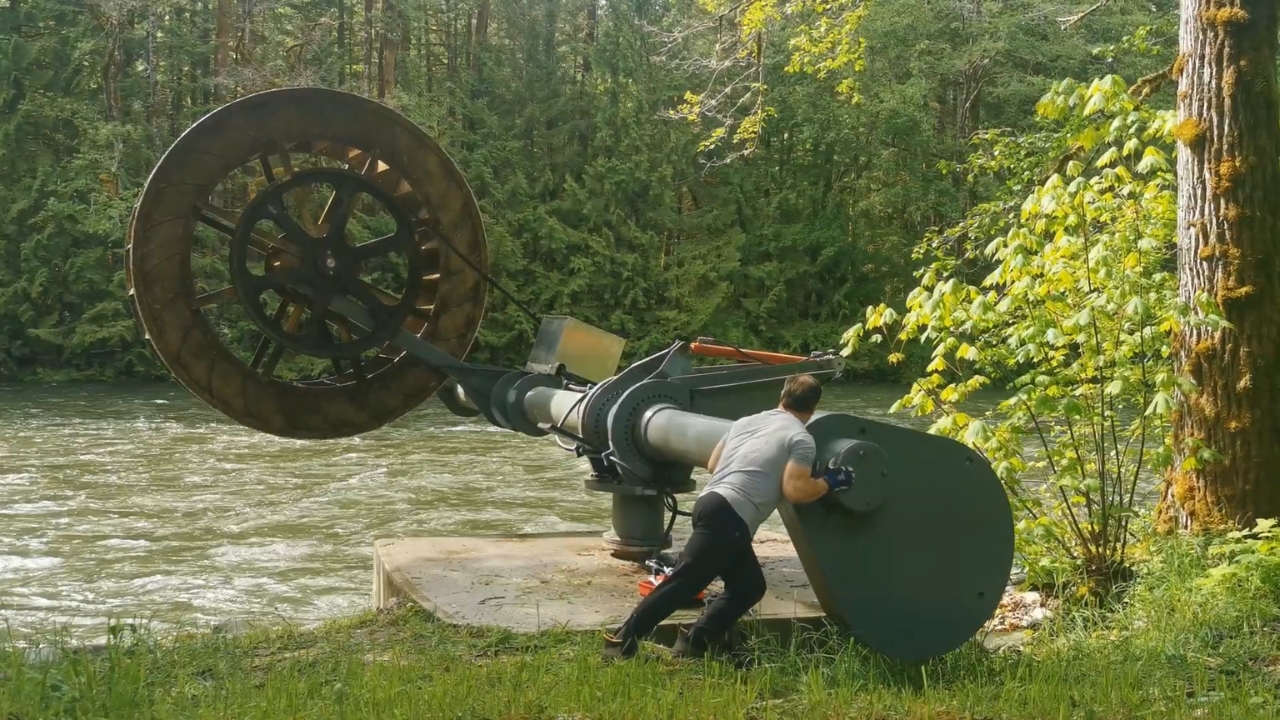
A Canadian retiree creates a hydroelectric system on a real river, generating energy continuously throughout the day and demonstrating how the power of water can supply a house with stability even in a simple structure.
-
Petrobras reaffirms its commitment to the market and ensures that it will carry out the energy transition safely to maintain national sovereignty.

-
Researchers discover a possible hydrogen deposit of up to 46 million tons beneath an ancient coal basin, and the volume could exceed half of the entire global production.

-
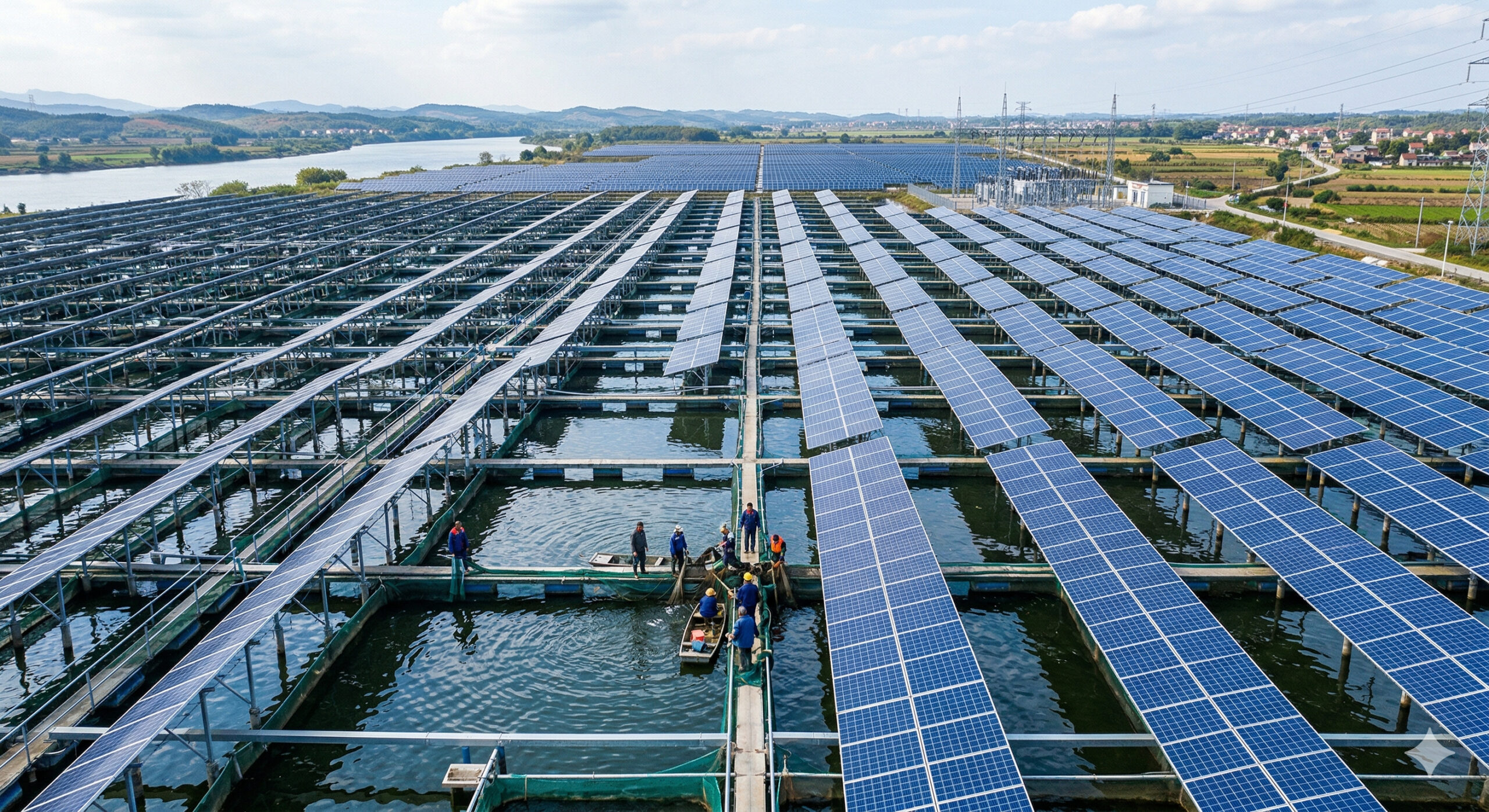
China bets on the Fishery-PV model and transforms fish farms into giant solar plants, covering ponds with panels that generate energy while utilizing the same space for large-scale aquaculture production.

Origin Of The Bilateral Relationship Between The United States And Kazakhstan
Despite The Geographical Distance Between North America And Eurasia, The United States And Kazakhstan Have Maintained Formal Ties Since The Early 1990s.
The First Milestone Occurred In 1991 When The U.S. Became The First Country To Recognize Kazakh Independence After The Collapse Of The Soviet Union.
During The Cold War, Kazakhstan Was Under Communist Regime, And American Recognition Represented A Central Step In The Country’s International Assertion Process. Subsequently, The Two Nations Established Formal Diplomatic Relations, Structured On Security And Economic Cooperation Objectives.
In The Nuclear Field, Collaboration Began In The 20th Century When The United States Assisted Kazakhstan In Eliminating Its Nuclear Arsenal From The Soviet Era. In 2018, The Relationship Evolved Into An Expanded Strategic Partnership That Now Supports Deepened Civil Nuclear Cooperation.
Announcement Of The First Program And Goals For 2026
In December 2025, Authorities From Both Countries Detailed Initiatives Linked To The Fundamental Infrastructure Program For The Responsible Use Of Small Modular Reactor Technology, Known As First, From The U.S. Department Of State. The Program Was Already Operational, But Kazakhstan Became The First Country In Central Asia To Integrate It.
The Announcement Indicated That 2026 Will Be A Year Of Relevant Advances In Civil Nuclear Partnership, Focused On Technical Qualification, Regulatory Planning, And Assessment Of Technologies. Kazakhstan’s Participation In First Is Presented As A Regional Milestone In The Responsible Use Of SMRs.
SMR Simulator And Local Workforce Training
Among The Concrete Actions Of The Agreement Is The Installation Of A Small Modular Reactor Simulator For Educational Use. The Equipment Was Developed By The American Companies Holtec International And WSC Inc. And Will Be Installed At The Kazakhstan Institute Of Nuclear Physics Located In Almaty.
The Central Goal Of The Simulator Is To Support The Development Of The Local Nuclear Workforce. It Was Designed To Provide Hands-On Training In Reactor Operation, Emergency Response, And Safety Systems, Allowing Future Professionals To Gain Applied Experience In A Controlled Environment.
The Project Has Received Recognition For Its Level Of Technical Detail, With Specific Attention To Operational Procedures And Safety Protocols. The Initiative Aims To Prepare The Country For A Possible Expansion Of Nuclear Energy Use, In Line With International Standards.
Resumption Of Nuclear Energy And Kazakhstan’s Strategic Position
After More Than 20 Years Without Nuclear Power Generation, Kazakhstan Decided To Resume Atomic Energy Production. The Decision Generated Diverse Reactions, But The Majority Of Votes Supported The Construction Of Nuclear Power Plants By The Government, Signaling Institutional Support For The Energy Strategy.
The Choice Fits Into A Particular Context: The Country Accounts For 40% Of The World’s Uranium Production Mined, Positioning It Simultaneously As A Supplier Of Nuclear Fuel And A Future User Of The Technology. This Dual Condition Places Kazakhstan In A Unique Position In The Global Sector.
The Resumption Of Nuclear Energy Occurs Parallel To The Partnership With The United States, Expanding The Relevance Of The Agreement For National Energy Planning And For The Integration Of The Country Into International Technological Chains.
Feasibility Studies And Safety Standards
The United States And Kazakhstan Initiated A Feasibility Study Aimed At Identifying Which SMR Project Developed In The U.S. Is Most Suitable, Both Economically And Technically, For The Kazakh Electric Grid And Its Overall Operational Conditions.
Additionally, The Partnership Resulted In The Creation Of A Regional Training Center Aimed At Supporting Nuclear Activities In Central Asia. The First Program Also Seeks To Strengthen Regulatory Preparation, Implement Safety Measures, And Ensure That The SMRs Comply With International Non-Proliferation And Safety Standards, Including References Applied By China.
The Set Of Initiatives Consolidates A Cooperation That Combines Diplomatic History, Energy Interests, And Technical Qualification, Establishing The Foundations For The Structured Adoption Of Small Modular Reactors In Kazakhstan Throughout 2026, Even In The Face Of Technical And Regulatory Challenges.









Seja o primeiro a reagir!