





 Portuguese
  English
  Spanish
  4 min of reading
  0 comments


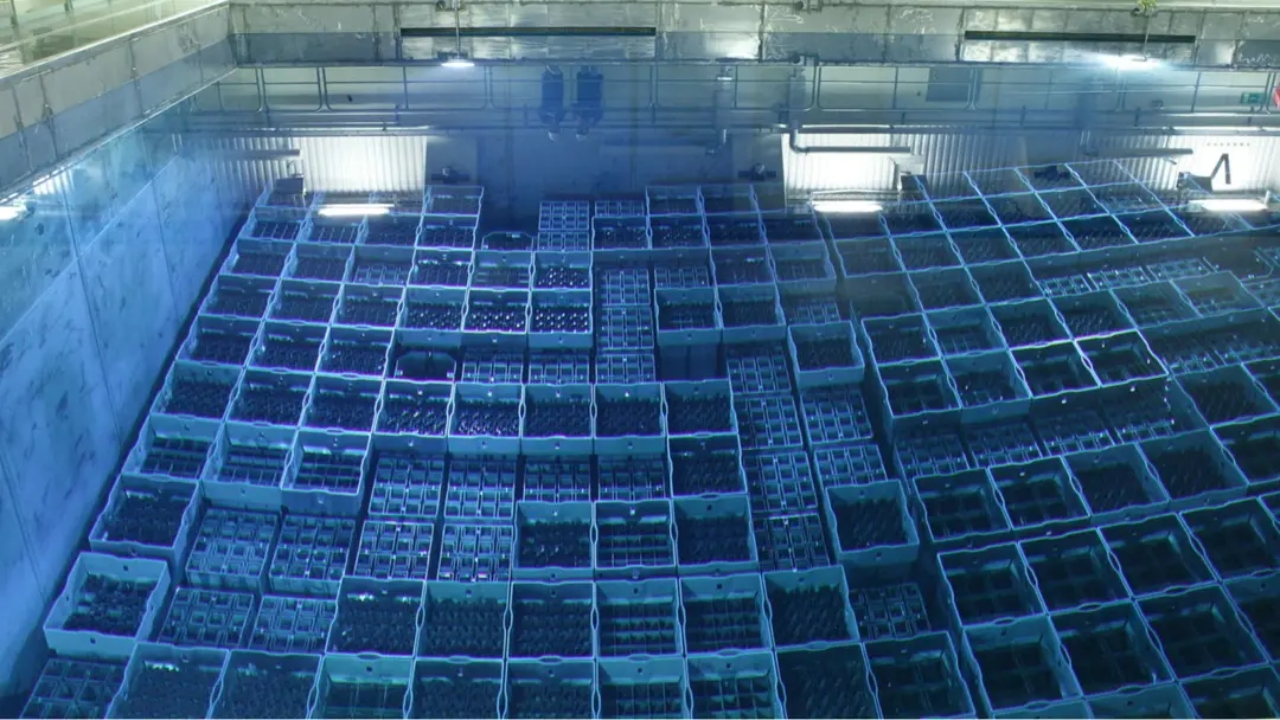
Operation at the Savannah River National Laboratory Targets Plutonium 244 and May Enhance Nuclear Forensic Research and Californium 252 Production
The United States has launched an operation to recover rare isotopes from materials produced during the Cold War, focusing on the Mark 18A targets.
The measure puts at stake the only global supply of unseparated plutonium 244, an extremely rare and valuable material for nuclear forensics.
Additionally, the work involves heavy curium, which can be converted into californium 252, an element used as a critical source for the start-up of nuclear reactors.
-
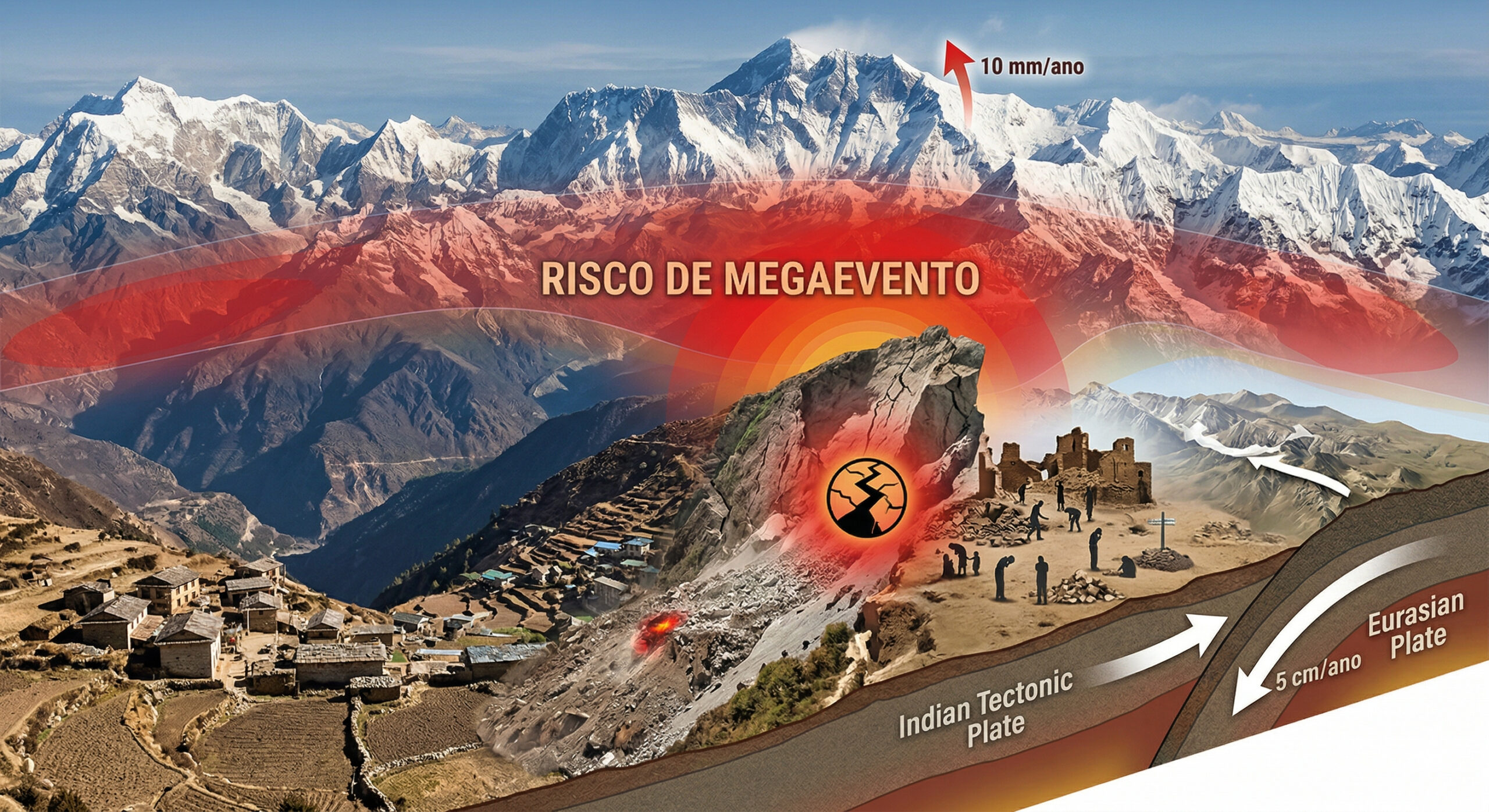
The Himalayas continue to grow to this day, with tectonic plates advancing 5 cm per year, mountains rising up to 10 mm annually, and the 2015 earthquake that killed 9,000 people may have increased the risk of an even larger seismic mega-event.
-
At an altitude of 400 km by astronauts from the International Space Station, Paris transforms at night into a golden mesh so precise that it reveals the outline of the Seine River, avenues, and entire neighborhoods like a luminous map drawn over the Earth.

-
iPhone 17 reaches historic low price with 256 GB, 120 Hz display, and drops to R$ 5,703 on Shopee, featuring A19 chip, dual 48 MP cameras, battery life of up to 30 hours, and advanced AI features.

-
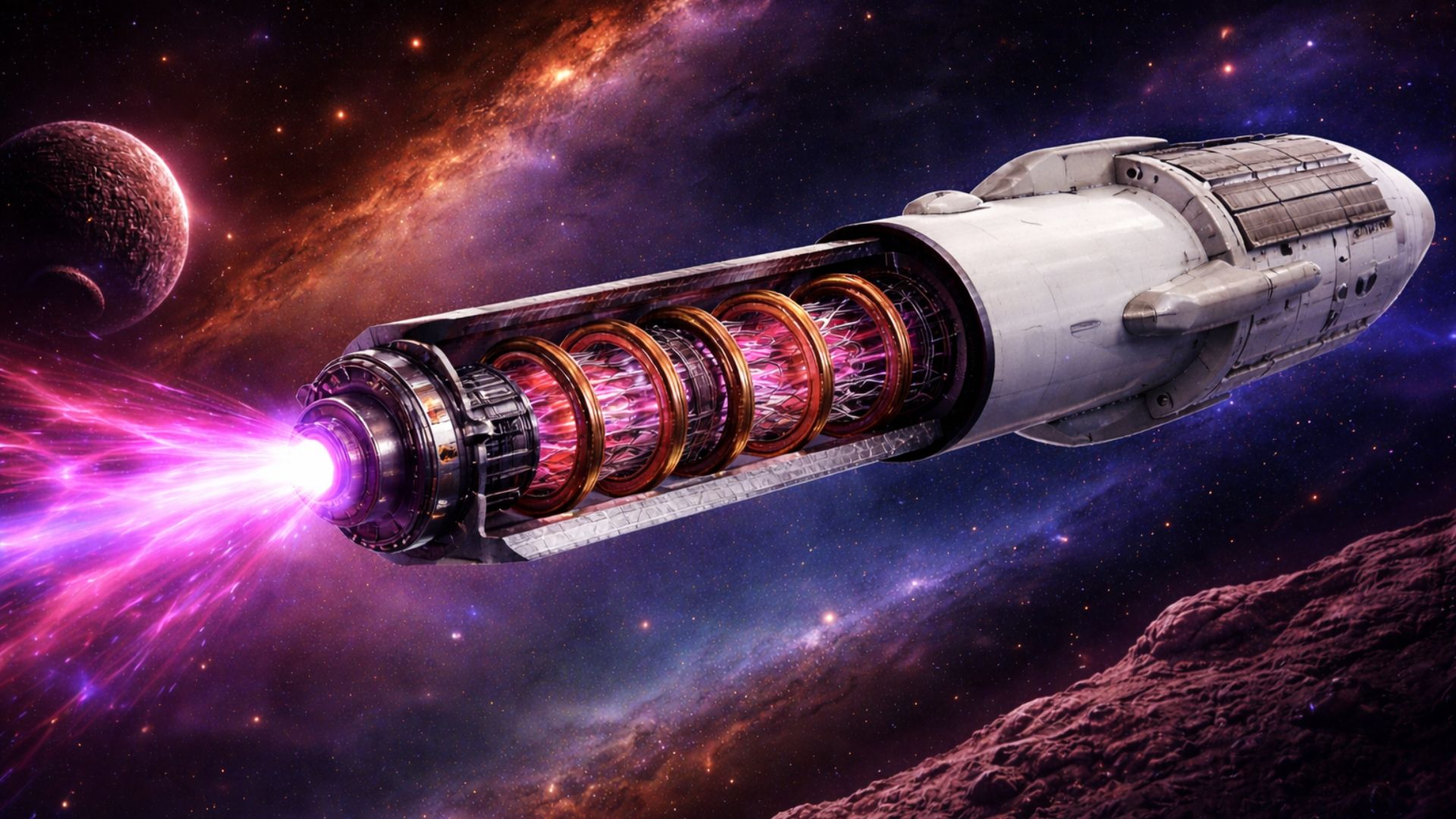
Trip to Mars getting closer: Pulsar Fusion, from the UK, advances with plasma ignition in fusion engine and could drastically reduce space travel time, making crewed missions faster, safer, and economically viable.

The initiative marks the return of specialized radiochemical processing capabilities that had been lost since the Cold War.
What Happened and Why It Draws Attention
The U.S. Department of Energy has activated a new radiochemical separation process at the Savannah River National Laboratory.
The goal is to recover strategic materials present in items known as Mark 18A targets, produced decades ago.
These materials contain plutonium 244, which had not been separated, as well as significant amounts of heavy curium.
The combination of rarity and scientific utility makes this set a target of high interest for missions considered critical.


How the Process Works When Applicable
The recovery involves radiochemical processing techniques to separate and utilize high-value isotopes.
A central part of the work involves converting heavy curium into californium 252.
Californium 252 serves as a source used for the start-up of nuclear reactors, helping to initiate processes within these facilities.
The operation is also considered a first step to increase the supply of strategic isotopes for the U.S. government.
What Changes Practically for Research and Security
The presence of plutonium 244 has a direct impact on nuclear forensic research, an area focused on identifying the origin and characteristics of nuclear materials.
Having access to the only global supply of this isotope may enhance the capacity for analysis and investigations related to the topic.
At the same time, the generation of californium 252 strengthens the use of critical sources in activities related to nuclear reactors.
The advancement also helps rebuild technical competencies in specialized radiochemical processing.
Mark 18A Target Recovery Program

The Mark 18A Target Recovery Program originated from a years-long collaboration between the National Nuclear Security Administration, the Office of Environmental Management, and the Office of Science.
The strategy integrates the mission of environmental cleanup with national security demands, transforming historical waste into strategic resources.
This shift moves the focus from safe storage to more active management, aligned with needs within the Department of Energy complex.
The project was designed and scheduled at the Savannah River site, enhancing the national capacity for nuclear recovery.
Points of Attention and Common Questions
A factor that emphasizes the importance of this management is the persistence of contamination associated with materials from the Cold War.
An environmental finding in facilities in South Carolina brought visibility to this type of risk: radioactive wasp nests were discovered during routine inspections near the area F tank farm.
One of these nests, attached to a support near a tank containing liquid radioactive waste, recorded radiation levels ten times above federal safety limits.
The assessment indicated inherited contamination from the site, with the possibility that the wasps had used contaminated clay or wood fibers from the environment, concentrating old radionuclides.
What May Happen from Now On
The work also has a direct effect on the training of professionals, providing hands-on training for scientists, engineers, and technical teams.
The initiative strengthens the knowledge base necessary to design, build, and operate radiochemical processing systems.
By recovering high-value isotopes, the program helps address challenges in the nuclear industry and requirements related to non-proliferation.
It also supports the national agenda to revitalize the nuclear industrial base and strengthen the nuclear fuel cycle.
The operation initiates the recovery of plutonium 244 and the production of californium 252, two elements with a direct impact on research, security, and applications in reactors.
By reactivating radiochemical processing capabilities, the United States advances in managing materials inherited from the Cold War and in transforming these wastes into strategic resources.







-

-

-

-

9 pessoas reagiram a isso.