





 Portuguese
  English
  Spanish
  4 min of reading
  0 comments


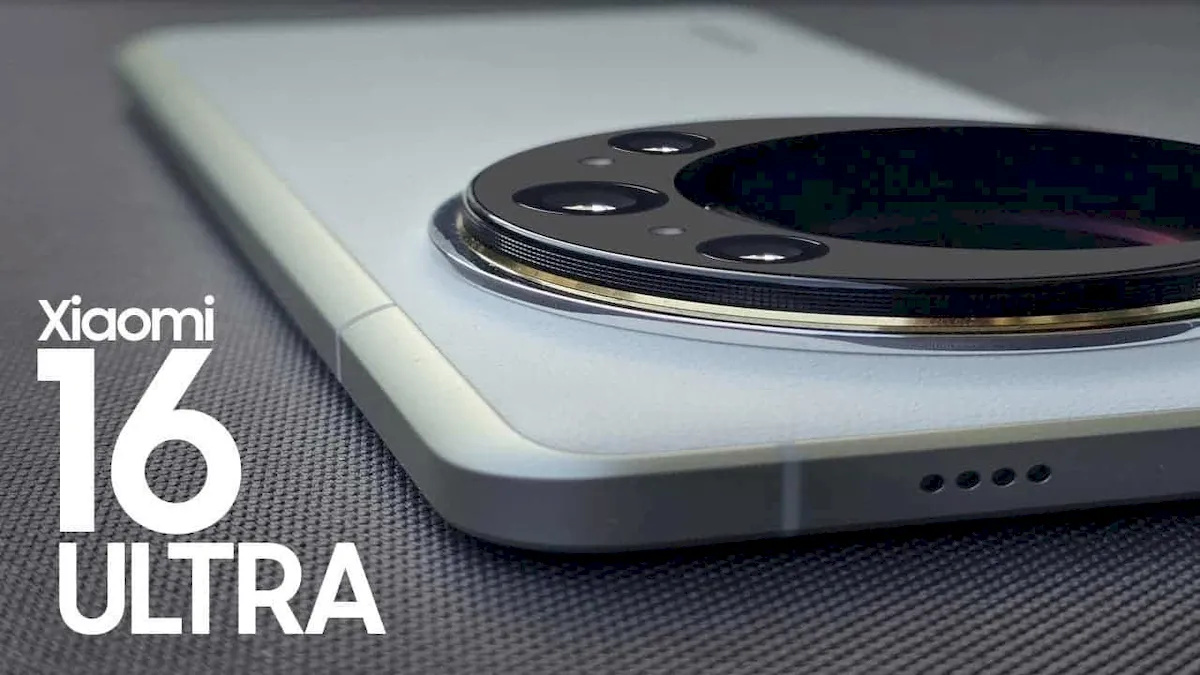
Xiaomi 16 Ultra May Arrive In 2026 With 7,500 mAh Battery, New Triple Camera Setup, And Advanced AI Features, According To Reliable Leaks.
The next big step for Xiaomi in the global smartphone market is starting to take shape even before the official announcement. The Xiaomi 16 Ultra, direct successor to the 15 Ultra, is already appearing in leaks within the MIUI ecosystem and in technical reports like the one from Notebookcheck, indicating that the brand is preparing one of the most significant upgrades in recent years. Among the most talked-about points are a battery of approximately 7,500 mAh and a new high-performance triple camera setup, suggesting that Xiaomi intends to strengthen its position among the best premium flagships in the global market.
The information is still preliminary, but already shows a clear direction from the company: greater autonomy, professional photography, and advanced artificial intelligence features. The expectation is that the model will be announced around MWC 2026, maintaining Xiaomi’s traditional launch calendar.
7,500 mAh Battery: Xiaomi’s Most Aggressive Leap In Autonomy
The possible adoption of a battery in the 7,500 mAh range catches attention for representing a considerable leap over the previous generation. In recent years, Xiaomi has been betting on high-energy-density modules developed in-house, allowing for larger batteries without a significant increase in thickness.
-
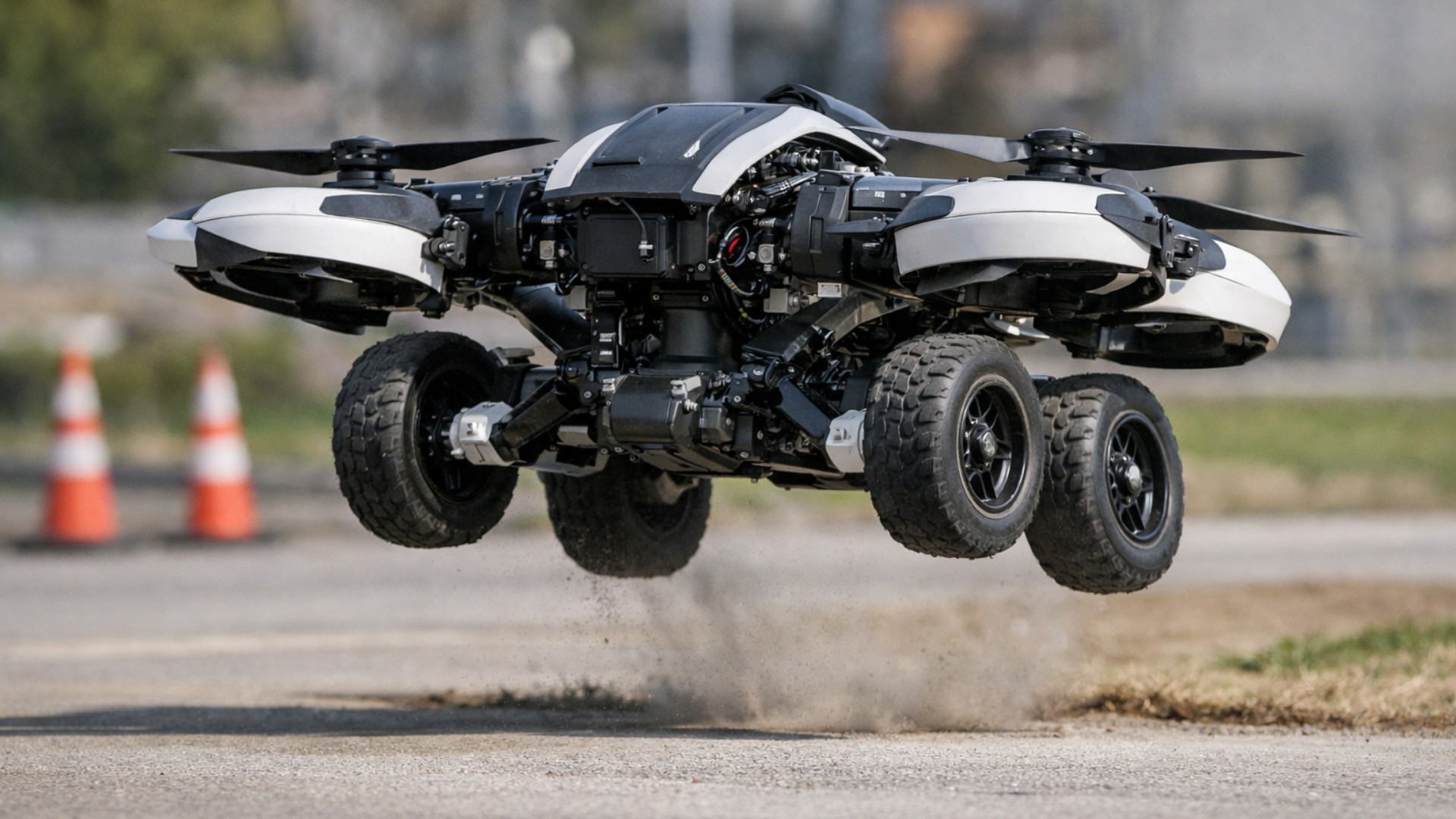
Researchers in the U.S. have created a flying robot that transforms into a land vehicle while still in the air. The technology, based on aerodynamic transition, converts landing into a scene worthy of Transformers and redefines mobility between sky and ground.
-
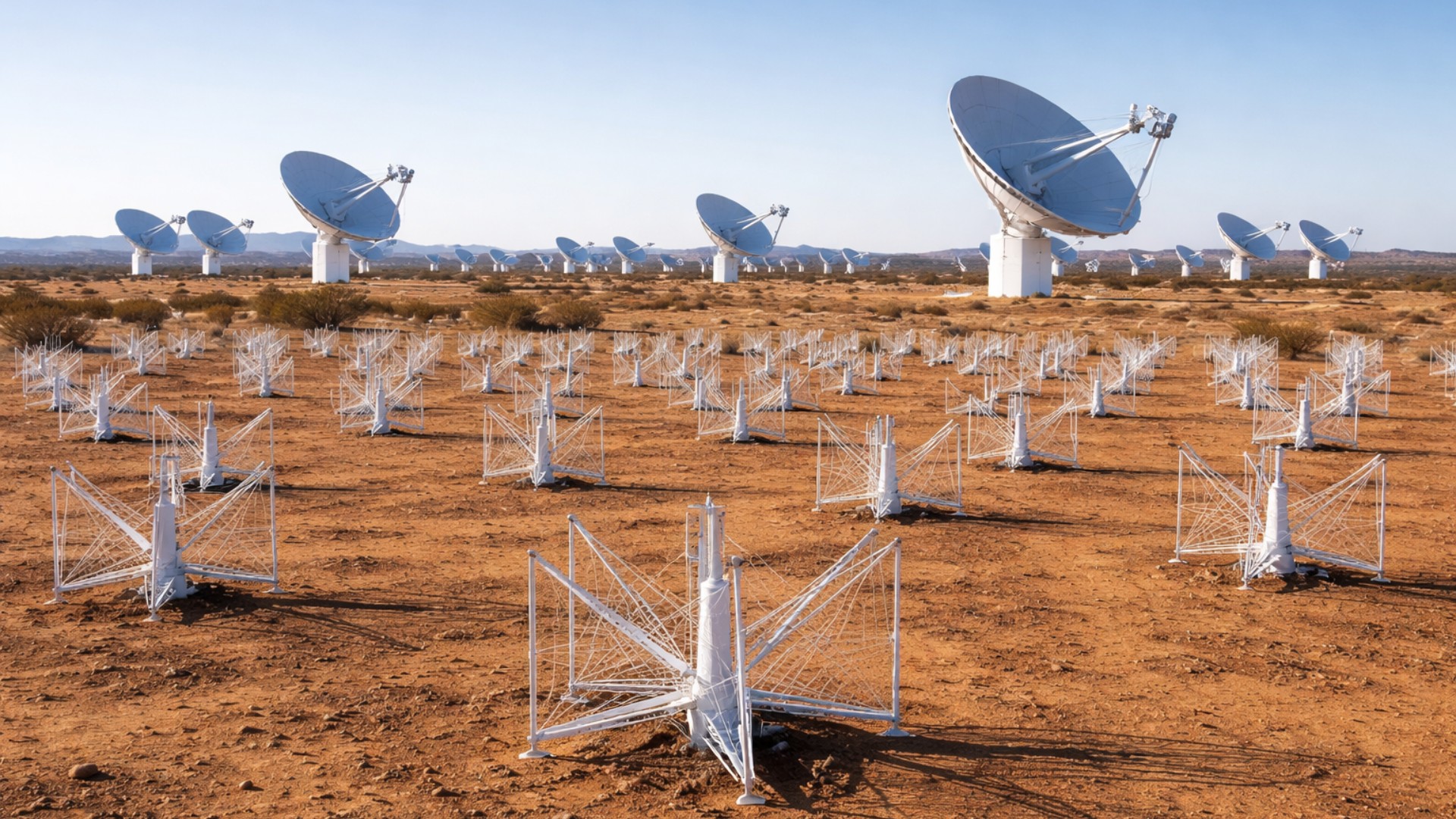
Spread across two continents, with 197 parabolic antennas in South Africa, 131,000 2-meter antennas in Australia, and a range of up to 150 km, the SKA begins to “listen” to the Universe on an unprecedented scale and accelerates the search for black holes, primitive galaxies, and nearly invisible radio signals.
-
Goodbye batteries: a new sensor created by Japanese scientists uses sweat as an energy source and points to a promising path for more sustainable devices, with greater autonomy and less need for frequent recharging.

-
The Brazilian Army inaugurated the assembly line for the Guaicurus armored vehicle with a contract for 420 units by 2033, and the same vehicle has already been tested in combat in Afghanistan and Lebanon by European armies.


If confirmed, this capacity places the Xiaomi 16 Ultra among the devices with the highest real autonomy ever released by the brand. Additionally, rumors suggest that the device will continue to offer ultra-fast charging with proprietary technology, maintaining Xiaomi’s strategy to deliver significantly lower recharge times than direct competitors such as Samsung and Apple.
The combination of high capacity and energy efficiency suggested by internal MIUI codes indicates that consumption will be optimized by the new chipset, probably a next-generation Snapdragon — providing one of the best battery performances for intense users, especially in gaming and video recording in 4K and 8K.
New Triple Camera Setup: Larger Sensors And Focus On Night Photography
One of the most discussed points in the leaks is the new triple camera system. The files found in sections of MIUI mention revised modules, with larger sensors and processing adjustments for captures in low-light environments.
Xiaomi has been heavily investing in the premium photography segment, and the Ultra line historically features the largest sensors and wide-aperture lenses from the brand.
While there is still no official confirmation on resolutions, insiders claim that the focus will be on improving stability, sharpness in motion, and quality in portrait mode. The telephoto module is also expected to receive important updates, enhancing optical zoom — something the company has been addressing with care since the Xiaomi 13 Ultra.
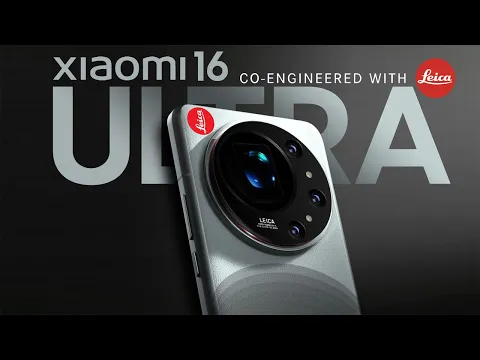

With the arrival of more advanced AI algorithms, the 16 Ultra is expected to integrate texture reconstruction features, more aggressive HDR, and professional modes aimed at photographers and content creators.
Performance And Efficiency: The Next Snapdragon Is Expected To Drive The Energetic Leap
Xiaomi traditionally launches its Ultra line with the most advanced Qualcomm chip available that year. For 2026, this means the presence of a next-generation Snapdragon, optimized with more modern lithography, focusing on efficiency and high graphic performance.
This combination will be essential to balance the autonomy promised by the 7,500 mAh battery with real consumption in heavy tasks. High frame rate gaming, advanced multitasking, and long recordings in 8K, for example, will benefit from the new power architecture expected for the chipset.
Behind the scenes, there are already discussions that Xiaomi intends to use the 16 Ultra as a showcase for its advances in device AI computing, especially in computational photography, real-time translation, and automation of processes within the HyperOS.
Refined Design And Expected Structural Improvements
Although there are no official images, analysts predict a more understated design, maintaining the characteristic circular module of the Ultra line, but with adjusted dimensions to accommodate the new main sensor.
The chassis is expected to continue using premium materials — aviation aluminum or titanium — and there is anticipation for new matte finishes to reduce fingerprint marks. The display should also receive improvements, including higher maximum brightness, greater durability against drops, and increased protection against reflections.
What To Expect From The Announcement And Global Arrival
Xiaomi has historically staggered its launches: first in China, then in the global market. If it follows the expected schedule, the announcement should occur in early 2026, with a global arrival months later.
Until then, new leaks should detail processing, cameras, storage, and connectivity standards. What already seems clear is that the Xiaomi 16 Ultra arrives with the intention of competing at the top of the premium market against devices from Samsung, Apple, and Huawei.









-

-

-

3 pessoas reagiram a isso.