





 Portuguese
  English
  Spanish
  3 min of reading
  0 comments


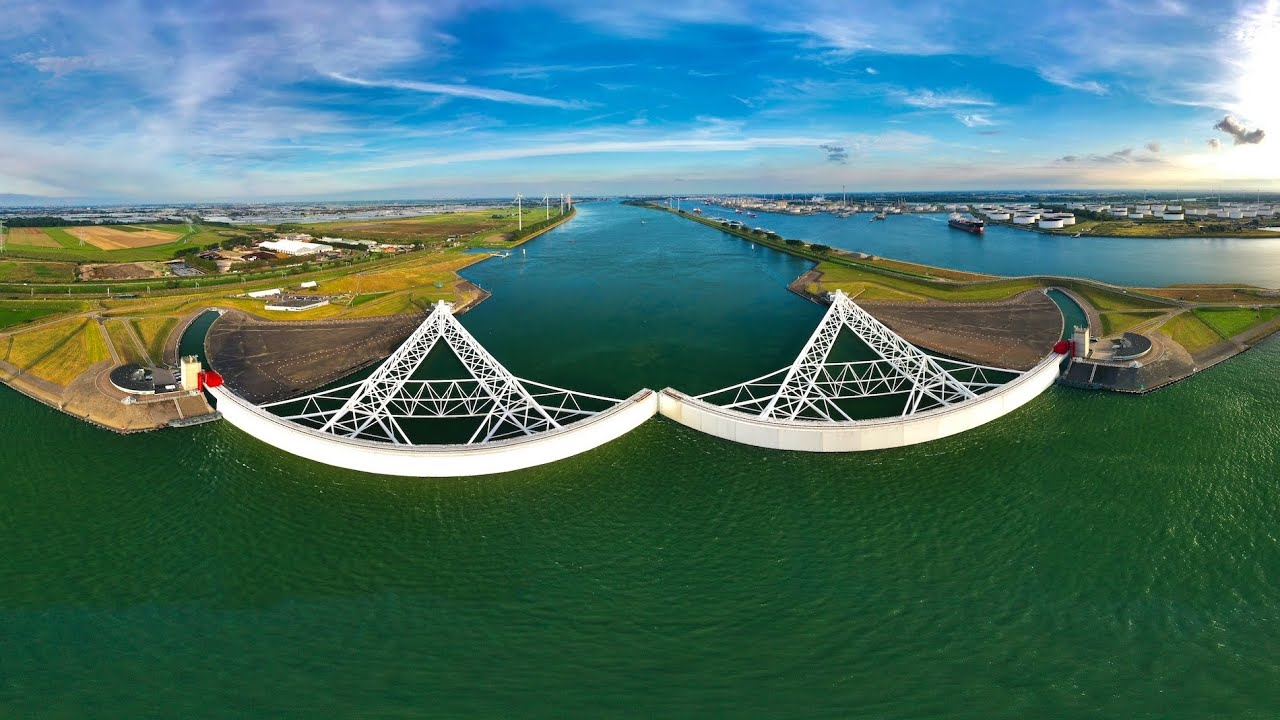
A Barrier With 210-Meter Gates Closes Automatically When Sea Level Rises and Protects One of the Most Strategic Regions in Europe.
On the coast of The Netherlands, a gigantic structure comes into action only when the risk is real. It does not remain permanently closed nor does it impede the normal flow of the sea, but moves on its own when storms threaten densely populated areas.
The construction was designed to protect Rotterdam, one of the largest ports on the planet, and serves as a last line of defense against the force of the North Sea in extreme moments.
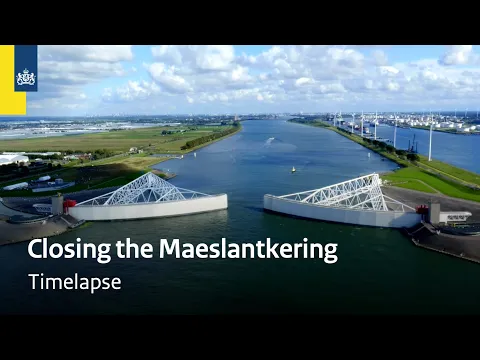
Known as Maeslantkering, this movable barrier has become a global reference by combining automation, heavy engineering, and climate control in a single structure capable of moving with millimeter precision.
-
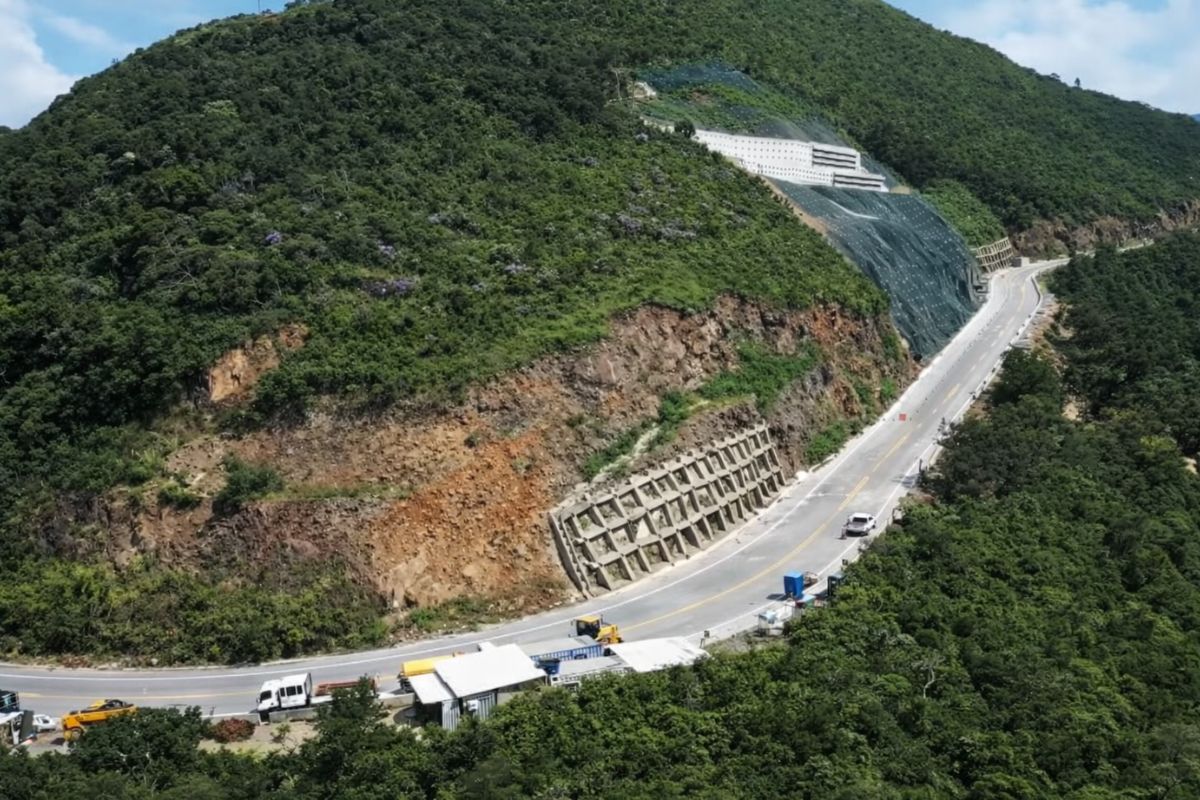
The section of Serra da Rocinha on BR-285 is now open in Timbé do Sul: 50 m tensioned curtains and top-down technique stabilize the slope, with a stairway duct controlling the water.
-
Scientists use sawdust mixed with clay to create a lighter brick, promising efficient thermal insulation and impressing by transforming waste into a solution for construction.

-
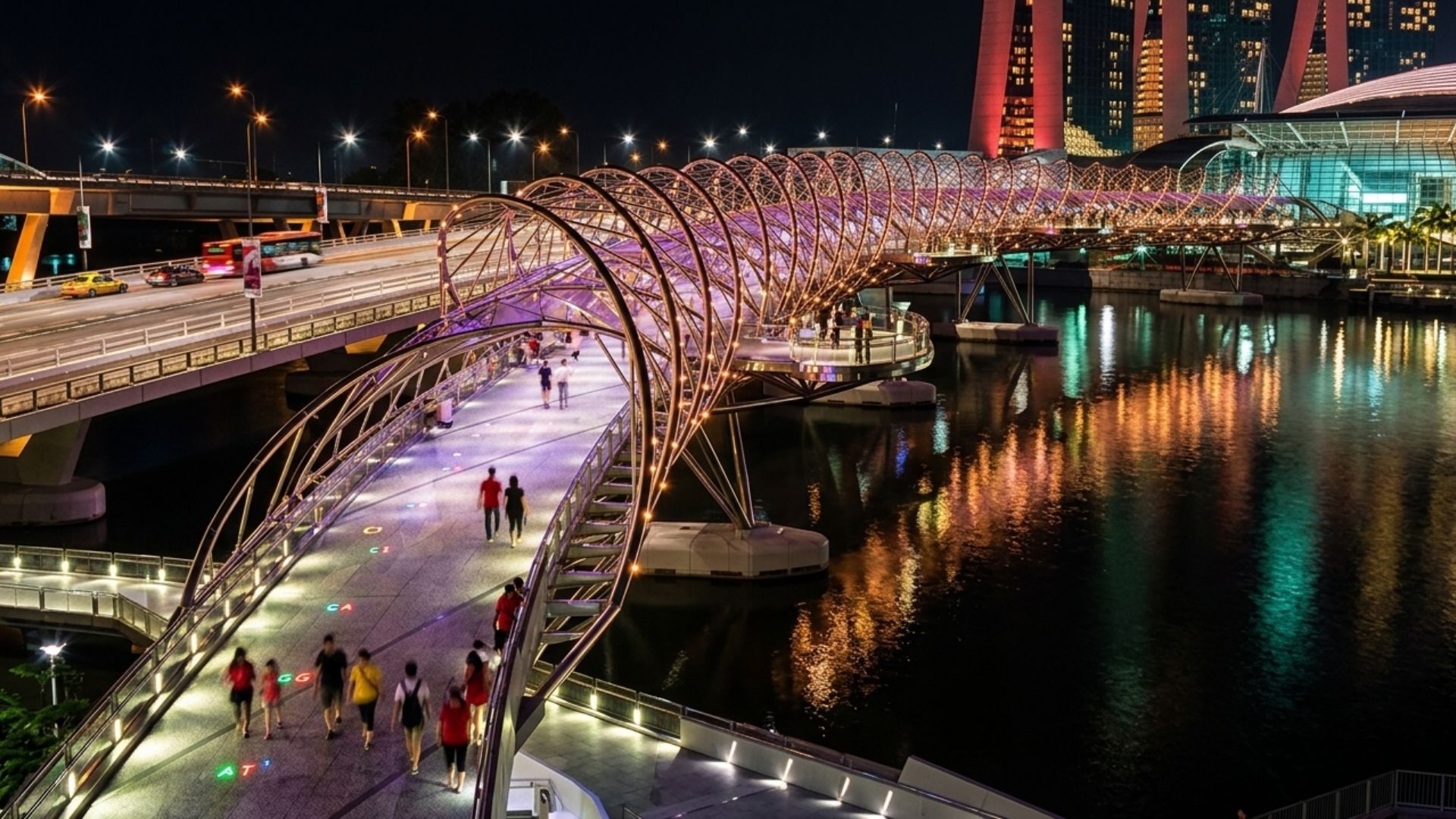
With a DNA shape, this bridge in Singapore draws attention in modern architecture and surprises tourists by transforming a simple crossing into an unforgettable visual experience in the urban heart.
-
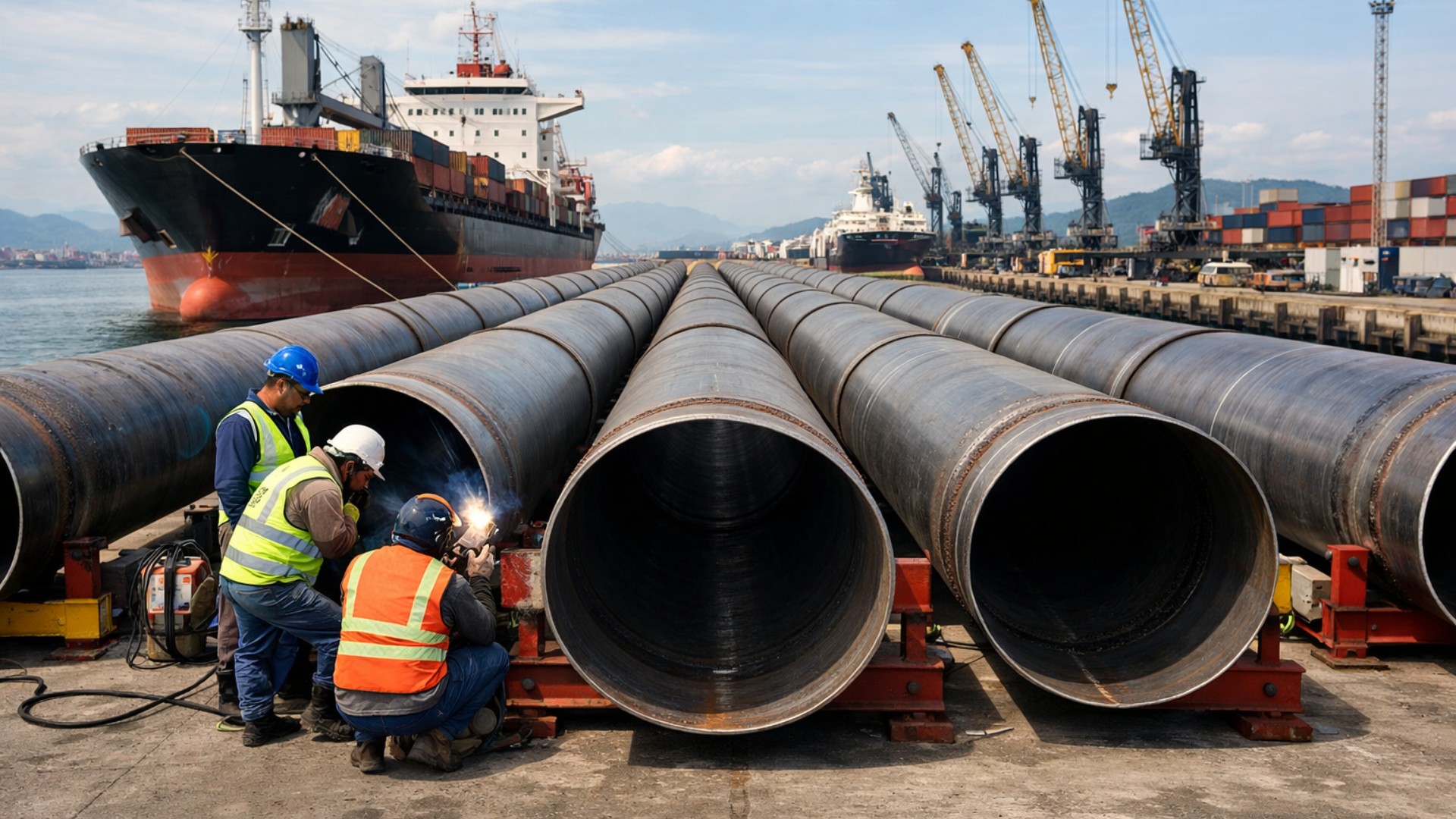
Giant underwater pipeline begins to take shape with a R$ 134.7 million project at the Port of Santos: the 1.7 km structure uses 12-meter and 700 mm pipes to supply water to 450,000 people in Guarujá.

What Happened and Why It Got Noticed
The barrier stands out because it does not depend on operators at the critical moment. The entire system was designed to decide and act on its own when certain risk levels are reached.
When the sea rises beyond the safe limit, the gates slowly shift, close the waterway, and form a temporary wall that prevents high tide from entering.
This automated behavior has turned the structure into a symbol of how engineering and technology can anticipate disasters without direct human intervention.
Where the Barrier Is Located and What Problem It Solves
The Maeslantkering is located near the city of Rotterdam, connecting the banks of a canal that provides access to the port and low-lying urban areas.
A large part of Dutch territory is below sea level. Storms from the North Sea can push large volumes of water into the canals and rivers, creating an immediate risk of flooding.
The barrier was built to protect this strategic region without permanently blocking navigation, which is essential for the local economy.
How the Automatic Closing of the Structure Works

Under normal conditions, the gates remain open and allow the passage of ships. When the water level reaches a critical point, the system begins to close gradually.
Each gate is 210 meters long and moves towards the center of the canal, where they meet and form a continuous barrier against the advancing sea.
After the extreme event, the process is reversed and the gates return to their original position, restoring the normal flow of water and maritime traffic.
The Numbers That Explain the Scale of the Maeslantkering
The scale of the work is impressive even by European standards. The 210-meter gates are among the largest movable parts ever built for water control.
The entire structure was designed to withstand extreme forces, maintaining stability even under intense pressure from severe storms.
This combination of size, weight, and precision has made the barrier a global reference in coastal defense solutions.
Why Movable Barriers Have Become Essential in Coastal Regions
In areas where cities, ports, and industries coexist with the sea, permanently closing everything is not a viable option. Movable barriers emerge as an intermediate solution, providing protection when necessary and opening up the rest of the time.
This model allows for risk reduction without compromising essential economic activities, such as navigation and international logistics.
In the case of the Maeslantkering, the structure acts as a physical insurance against rare but potentially devastating events.

The Direct Impact on Rotterdam and Surrounding Areas
The presence of the barrier provides an extra layer of security for Rotterdam and for nearby low-lying areas, where the rapid rise in sea level could cause severe damage.
In addition to physical protection, the structure influences urban planning and risk management, allowing vulnerable areas to continue operating with reduced exposure to disasters.
The automatic barrier in the Netherlands demonstrates how large-scale engineering can work discreetly, activating only when the sea threatens to exceed safe limits.










-

-

-

-

-

14 pessoas reagiram a isso.