





 Portuguese
  English
  Spanish
  5 min of reading
  2 comments


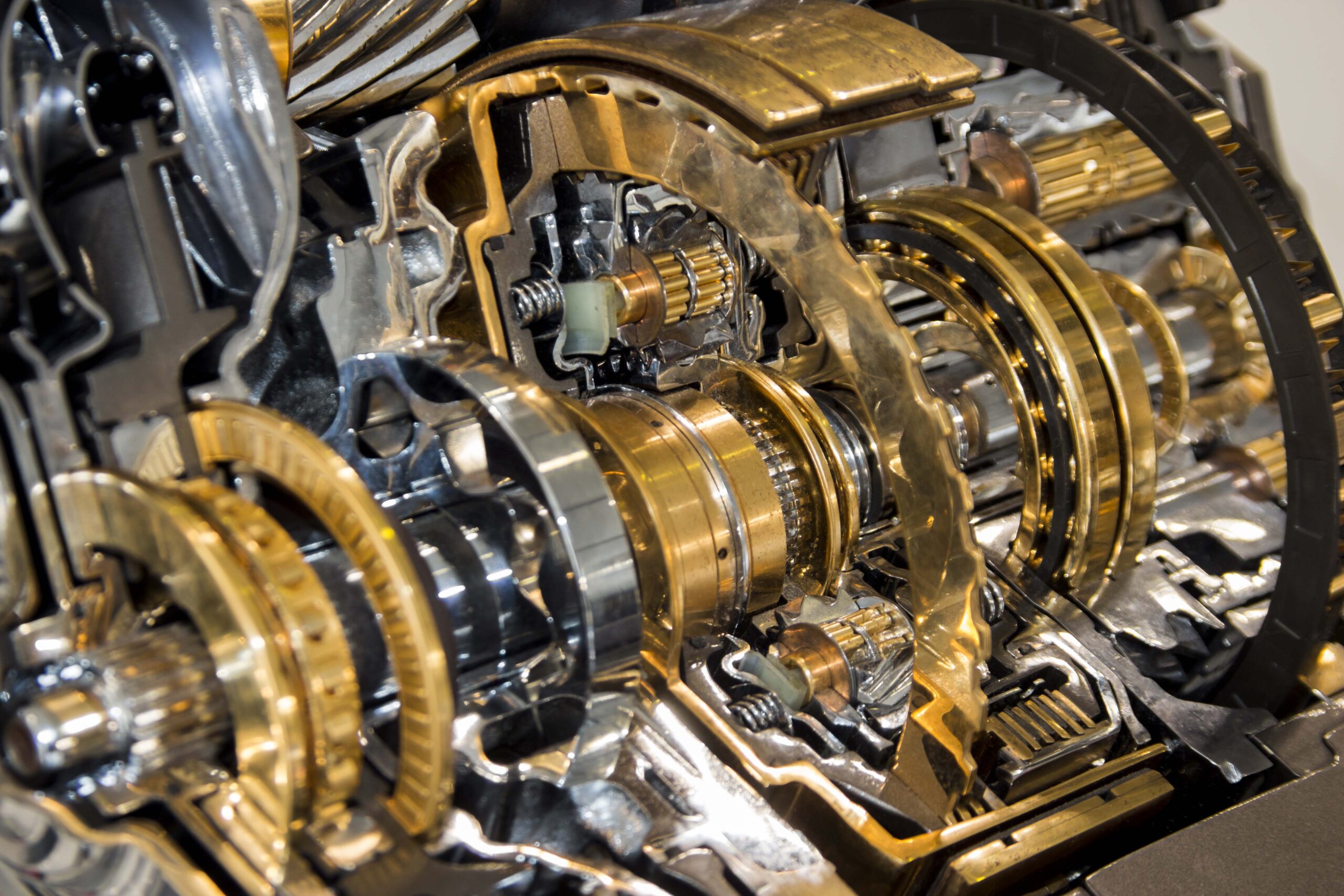


The AL4 Transmission of Peugeot, Citroën and Renault Accumulates Failures, Jerks and Slipping. Understand Why It Is One of the Most Criticized in Brazil.
Among Brazilian drivers, few automotive parts have such a bad reputation as the automatic AL4 transmission. Designed to equip models from French manufacturers like Peugeot, Citroën, and Renault, it has been the target of recurring criticism since the 2000s. The question that keeps appearing in forums, workshops, and even public petitions is direct: Is the AL4 the worst automatic transmission sold in Brazil?
The answer involves understanding its origins, the most reported symptoms, known technical failures, and maintenance efforts that, in some cases, still ensure longevity for this transmission.
Origins of the AL4 Transmission and Entry into the Brazilian Market
The AL4 transmission was born in the late 1990s in Europe as a solution with four automatic gears aimed at compact engines of up to 2.0 liters. In Brazil, it debuted in models like the Citroën Xsara and quickly spread across the Peugeot 206, 307, 408 lineup, as well as the Renault Mégane, Scenic, and other vehicles from the PSA-Renault alliance.
-
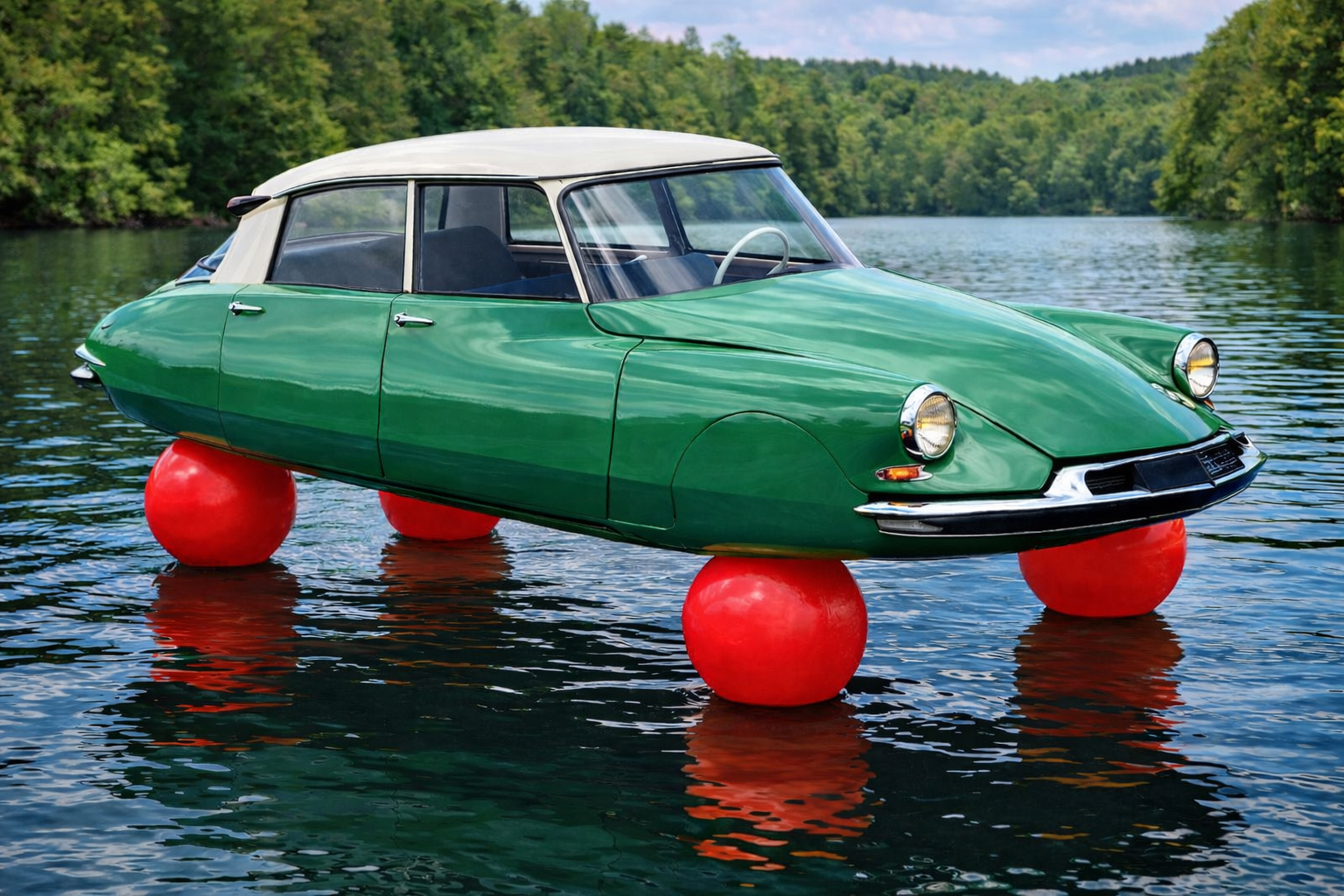
A French brand placed a car on four huge red balloons to prove that its suspension made the vehicle “float,” and the surreal scene became one of the most iconic and unusual images in automotive history.
-
Jeep Avenger begins production in Brazil, debuting as the brand’s new entry-level SUV and inaugurating an unprecedented phase by becoming the first national Jeep manufactured outside of Goiana, as part of a R$ 3 billion plan.
-
Costing R$ 12,490, the new Shineray Urban Lite 150 “cheap one” arrives in Brazil with a CVT transmission, digital dashboard, and LED lights, making it more affordable than the Biz and targeting those who want to abandon the bus.
-
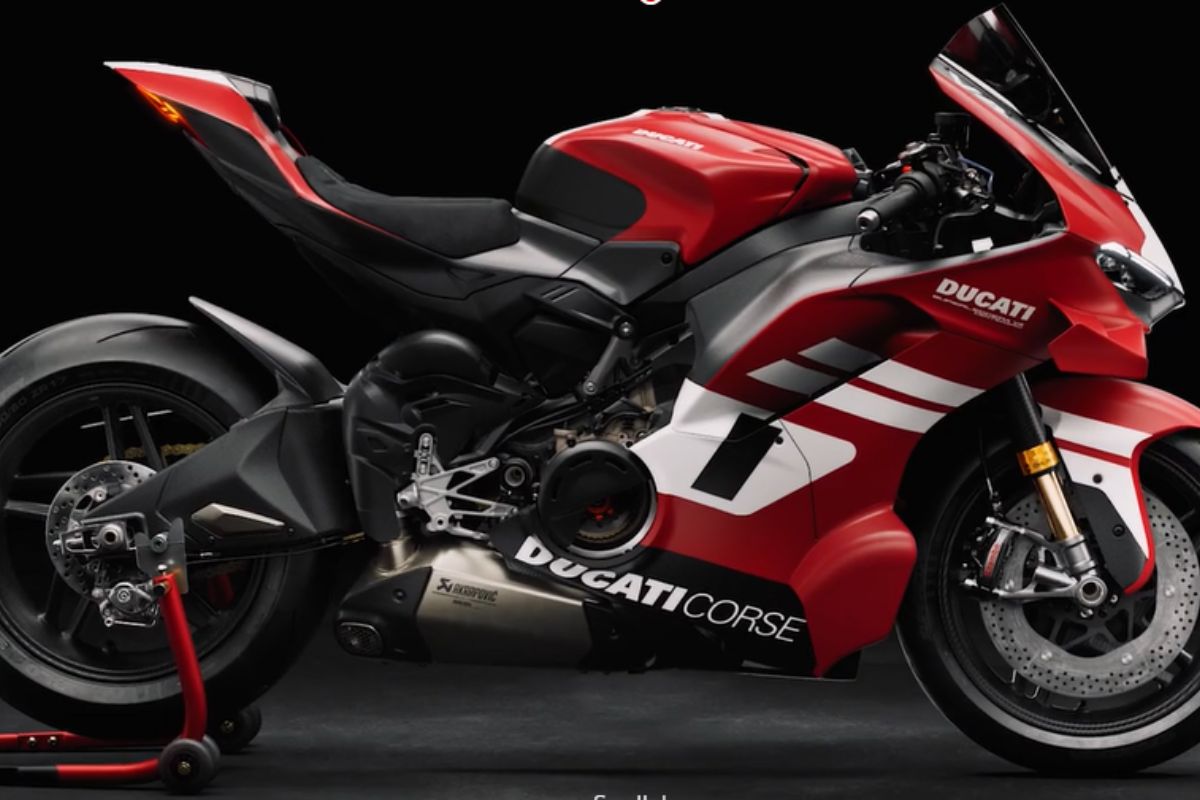
Ducati brings to Brazil the Superleggera V4 Centenario: 228 hp that become 247 with a track kit, carbon fiber and carbon-ceramic brakes, estimated price between R$ 1.5 and 2 million, deliveries only in 2027.



In theory, it was an affordable alternative to popularize automatics in a market dominated by manual transmissions. In practice, however, its trajectory was marked by high failure rates, generating distrust among consumers.
Main Reported Problems with the AL4 Transmission
The most common complaints from owners of vehicles with the AL4 have been recurring over the years and involve both mechanical and electronic failures. The most well-known symptoms are:
- Jerkiness during gear shifts, especially between 1st and 2nd gear, causing uncomfortable jolts.
- Slipping, when the car accelerates but does not deliver proportional power to the wheels.
- Emergency mode, which locks the transmission in 3rd gear after the system detects failures.
- Fluid leaks, caused by sealing problems, compromising lubrication.
- Premature wear, with reports of severe failures starting from 35 thousand kilometers driven.
Specialized workshops claim that these occurrences are so frequent that, in many cases, just identifying the car model is enough to predict the history of problems.
The Controversy of Maintenance and the “Lifetime” Fluid
One of the biggest controversies surrounding the AL4 is related to the transmission fluid. Contemporary manuals referred to “lifetime fluid”, suggesting there was no need for replacement. In practice, the degradation of the fluid at high temperatures caused internal components to suffer accelerated wear.
Independent workshops and specialists recommend fluid replacement every 40 to 60 thousand kilometers, contradicting the original promise of “zero maintenance”. Many drivers who followed the manual’s instructions ended up facing premature failures, which enhanced the negative reputation of the transmission.
Complaints, Petitions, and Repair Costs
Dissatisfaction with the AL4 reached such a point that consumers organized public petitions asking for a recall of the transmission, citing recurring defects even in vehicles with low mileage. In automotive forums, there are records of drivers reporting repair quotes exceeding R$ 8,000 — a high amount for used vehicles of lower market value.
More extreme cases, such as that of a Peugeot 2008 with a serious transmission failure and repair estimates in the vicinity of R$ 80,000, reinforce the image that the AL4 is not only fragile, but can also generate disproportionate costs compared to the vehicle it is installed in.
Why Does the AL4 Fail So Much?
The most pointed causes for the high failure rates include:
- Defective sensors and solenoid valves, which cause irregular shifts and trigger emergency mode.
- Inefficient cooling system, unable to maintain the fluid temperature under severe conditions.
- Limited design, since it is a four-speed transmission in a market that has evolved to more modern and robust gearboxes.
- Lack of preventive maintenance, exacerbated by the initial recommendation of lifetime fluid.
This combination has made the AL4 one of the most criticized transmissions in the country, even when compared to rivals from other brands that also had problematic batches.
Is There Still Anyone Who Defends the AL4?
Despite its terrible reputation, there are drivers and mechanics who argue that the AL4 transmission can work well if treated properly. With regular oil changes, frequent inspections, and moderate usage, some users report high mileage without serious failures.
Another argument is the relatively lower repair cost compared to modern dual-clutch or CVT automatic transmissions, which can be even more expensive when they fail.
In other words: the AL4 is not a condemned transmission from birth, but it requires a level of care and attention that many consumers did not expect when buying vehicles equipped with it.
Impacts on the Used Market
The bad reputation of the AL4 directly affects the market for used and pre-owned cars. Cars equipped with this transmission tend to have higher devaluation, precisely because potential buyers are aware of the risks and costs associated with maintenance.
In ads, it is not uncommon for sellers to try to highlight complete transmission services as a way to attract interested buyers. Still, the negative reputation weighs heavily, and many avoid any negotiation when the name AL4 comes up.
The Legacy of a Controversial Transmission
The AL4 transmission may not have official statistics confirming, in numbers, that it is the “worst in Brazil”. But the history of breakdowns, the thousands of reports from owners, the petitions for recalls, and the maintenance costs have created a stigma that is unlikely to be erased.
Among drivers, the doubt has already turned into consensus: anyone buying a car with an AL4 must be prepared to invest in constant maintenance or, in many cases, to face headaches.
The legacy of this transmission in Brazil is a warning for consumers and manufacturers: promising lifetime fluid and simple maintenance is not enough when reality shows recurring failures. In the end, the AL4 became more than just a transmission — it became a symbol of how a design can negatively mark the reputation of entire brands in the automotive market.










Tenho um carro com câmbio AL4…nunca tive problemas…preventiva em dia … 210.000 km….o resto é conversa mole..até uma ferrari quebra se não der manutenção…..povo brasileiro so quer montar dirigir…tem preguiça de ler….
O principal problema deste câmbio é a lógica eletrônica dele que obriga ao usuário urbano a usar praticamente apenas a primeira e segunda marcha, o que torna o uso extremamente chato e desconfortável, principalmente porque a primeira marcha entra quando se baixa de 19 km/h, obrigando o carro a dar uma desacelerada chata, portanto se trata de um erro de programação e para evitá-lo basta usar o tempo todo e modo “neve” que deixa o câmbio mais dócil e a dirigibilidade confortável, no entanto isso nao foi explicado a quase ninguém e condenando ainda mais o câmbio.