





 Portuguese
  English
  Spanish
  3 min of reading
  0 comments


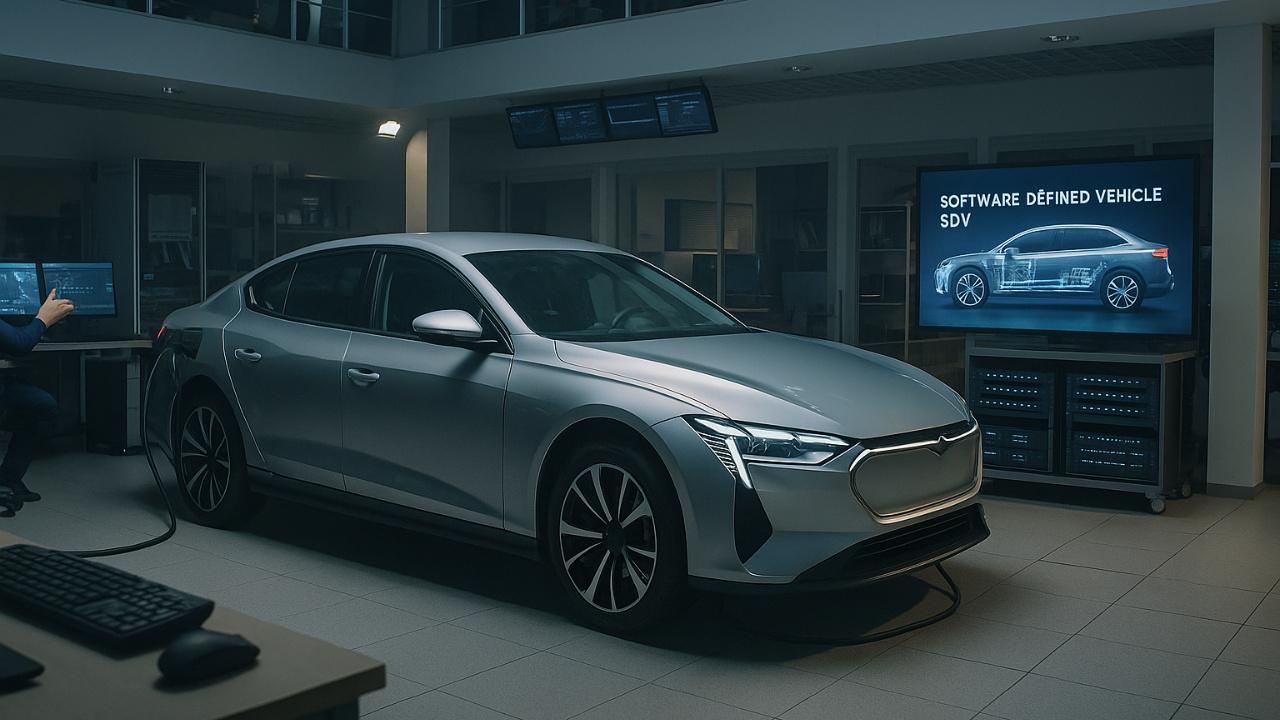
In The Automotive Outlook 2025: Ecosystem Centers Around The SDV, Automakers Adopt Zonal Architecture, AI And Software-First.
The automotive sector is undergoing a historic shift in 2025, with suppliers and technology developers focused on a transformation that repositions the entire market.
Thus, the trend indicated by the automotive outlook 2025: ecosystem centers around the SDV suggests that centralized processing, zonal architectures, and virtual platforms form the new core of the industry.
Zonal Architectures Lead The Automotive Outlook 2025: Ecosystem Centers Around The SDV
The basis of this transformation is the replacement of old distributed architectures — which used dozens or hundreds of electronic control units (ECUs) software in a single framework.
-
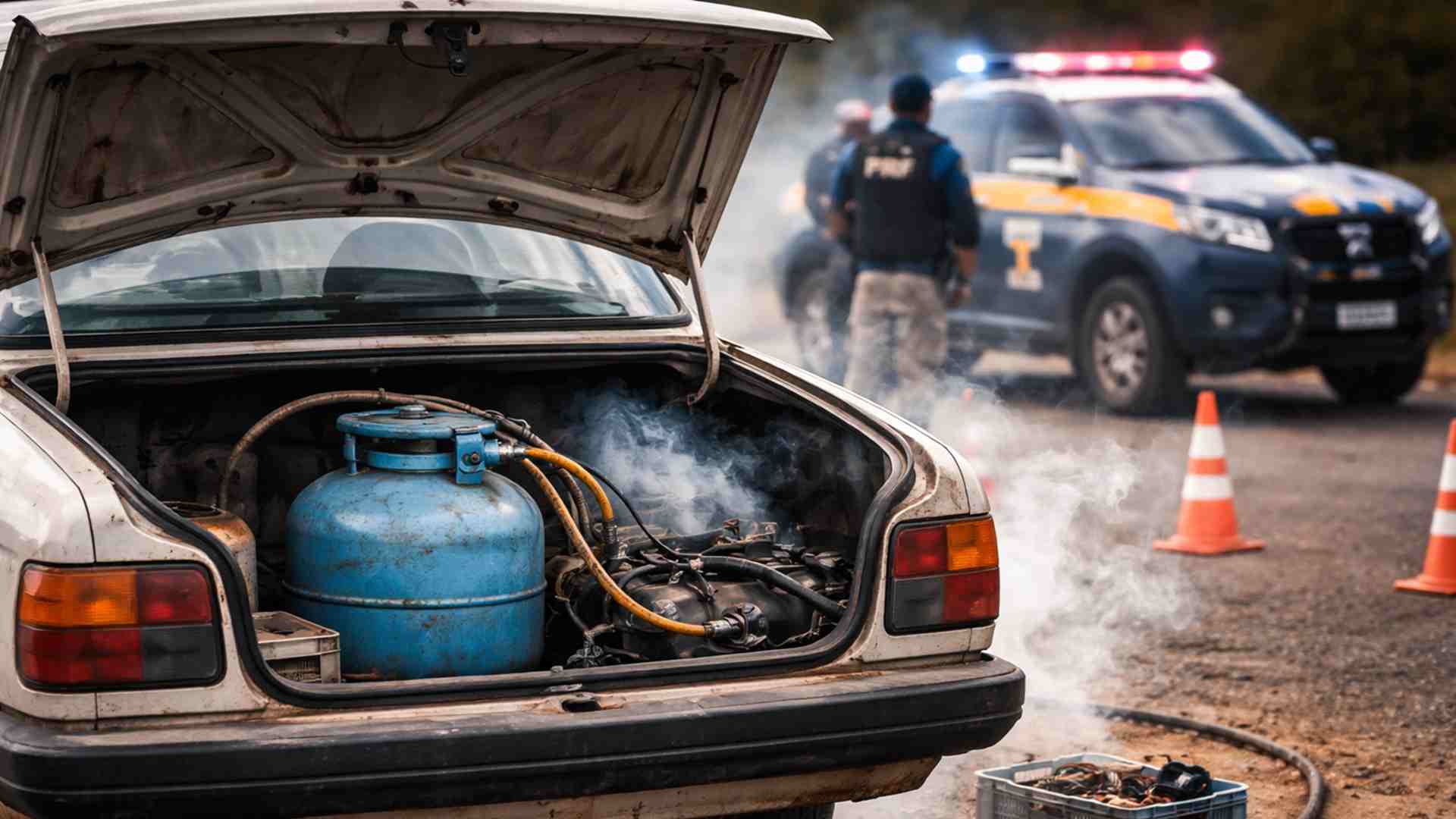
Chevette with cooking gas: How the gas cylinder ends up being used in cars clandestinely and why this makeshift solution can result in leaks, explosions, damaged engines, and seized vehicles.
-
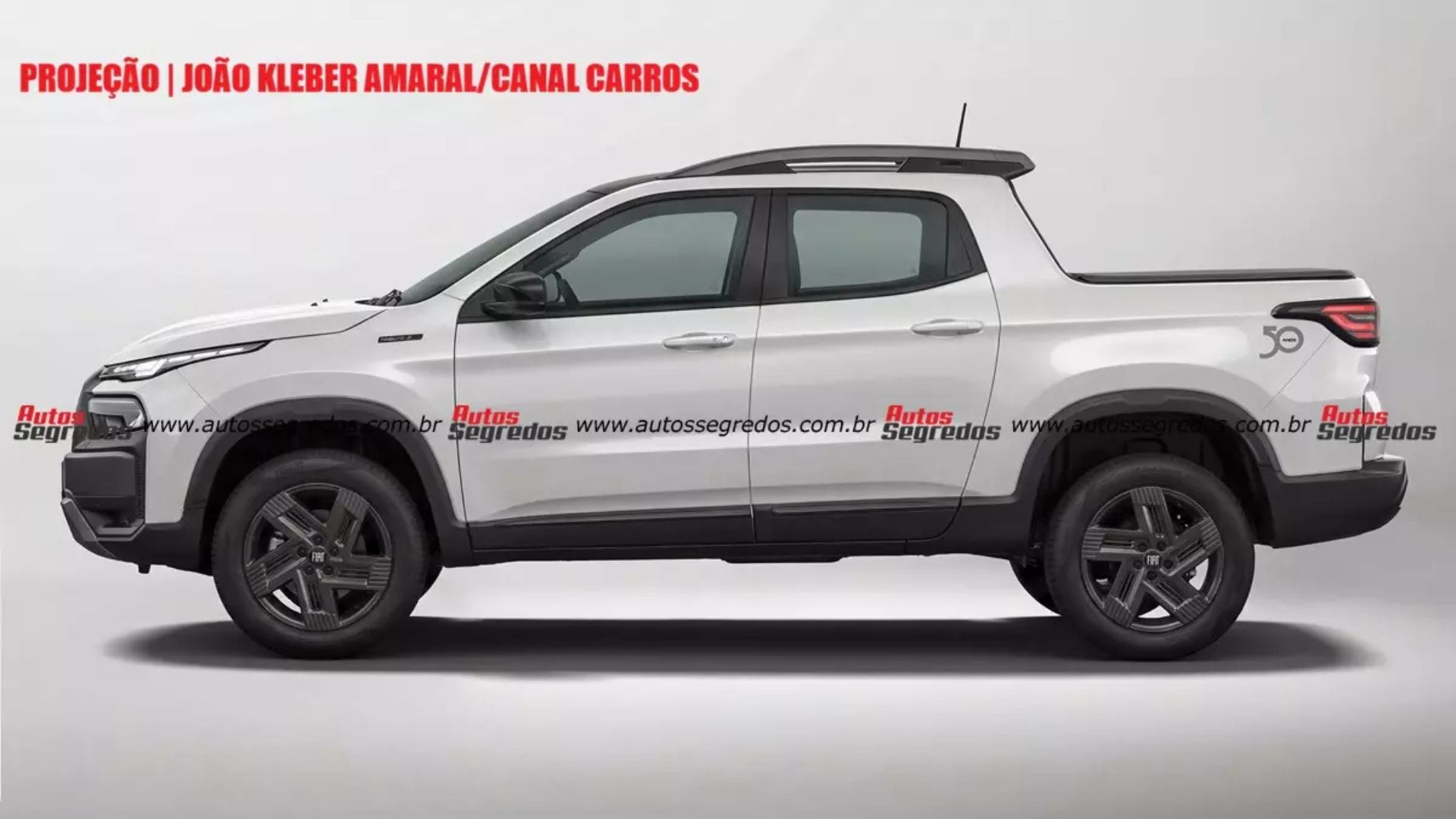
Fiat launches the new 2027 Toro hybrid with 48V, 176 hp, an electric motor of 15.5 hp, a 0.85 kWh battery, up to 7% fuel savings, 8% fewer emissions, and possible exemption from IPVA.
-
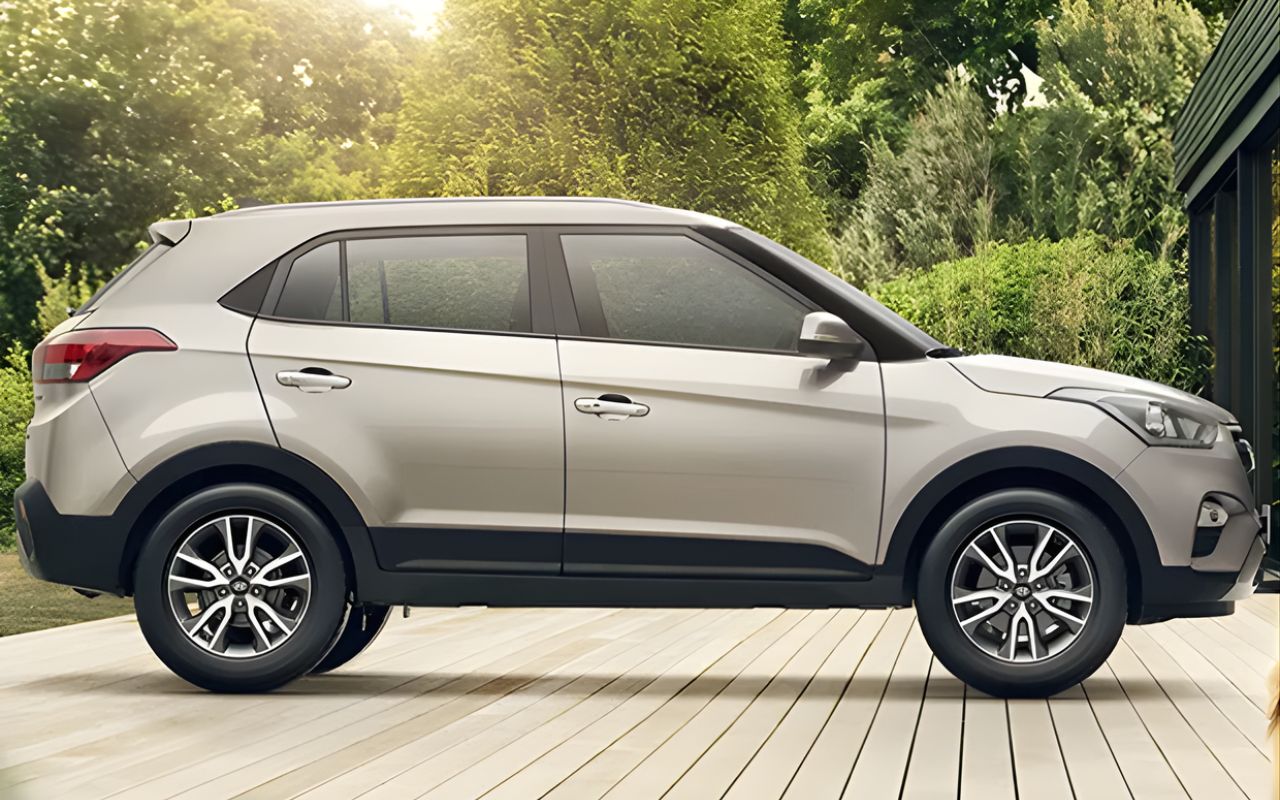
Used automatic cars from Hyundai that are reliable, offer comfort, good performance, and cost between R$ 45,000 and R$ 75,000.
-
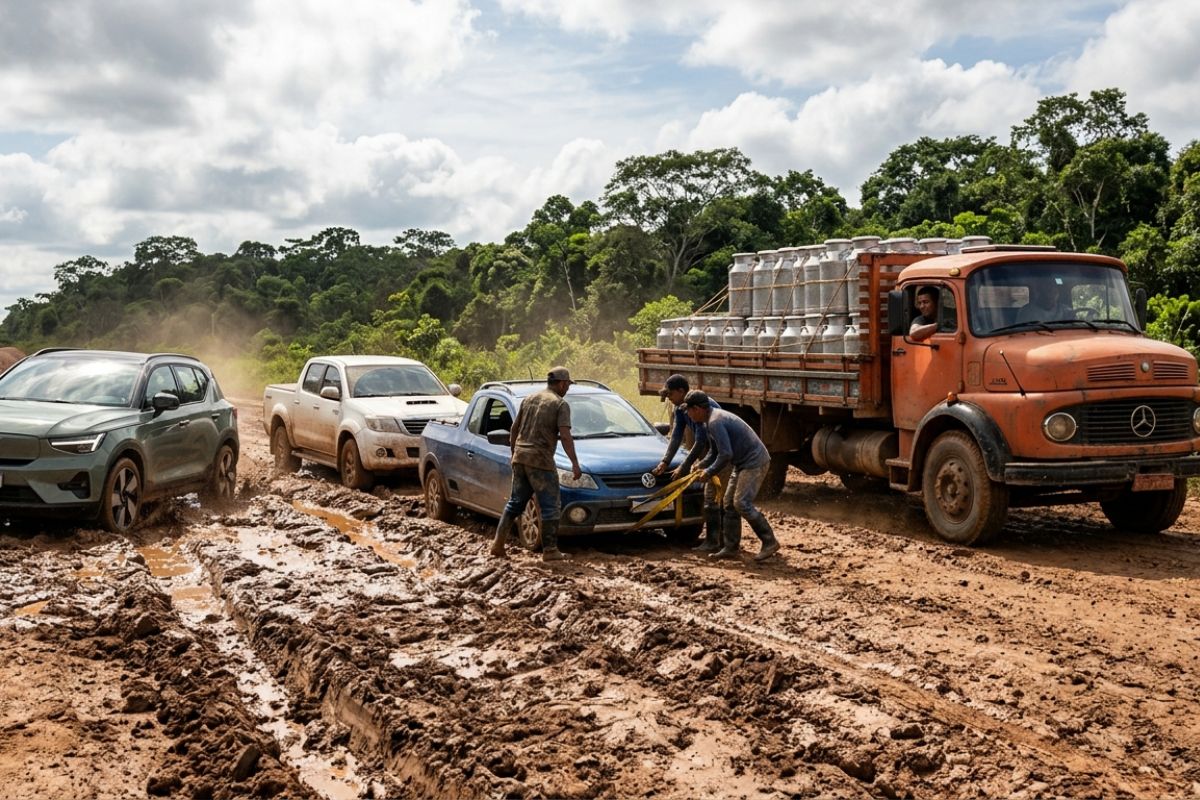
Electric car surprises on the Transamazon Highway as it tackles a mud pit; Saveiro and Hilux get stuck and need to be pulled out, while a milk truck crosses alongside with ease and draws attention.

It emphasizes that distributed architectures are incompatible with the need for rapid and coordinated updates.
Simplification, Cost Reduction And Greater Efficiency: The Pillars Of Change
The automotive outlook 2025: ecosystem centers around the SDV also shows that simplification is crucial for the adoption of zonal architectures.
The executive recalls that many cars already have around 100 million lines of code, and this number could reach 1 billion with the advancement of AI.
Weight, Cables And Redundancy: Problems That The SDV Begins To Solve
In some next-generation vehicles, there are already up to 150 ECUs. This excess generates kilometers of cables, increases costs, worsens performance, and can affect reliability. With the SDV, that changes.
Thus, this simplification also creates space for AI, advanced driver assistance systems, and autonomy features.
From Hardware To Software: The Shift That Guides The Automotive Outlook 2025: Ecosystem Centers Around The SDV
Another central point is the inversion of the traditional process. Instead of developing hardware and then adapting software, the SDV allows starting with software and only then migrating to hardware.
This creates a new paradigm: teams can develop and test applications in the cloud, without having to wait for physical boards, which reduces costs and accelerates the entire cycle.
Challenges For Traditional OEMs In The Transition Process
While new electric manufacturers can adopt centralized architecture from the start, traditional automakers need to make the change gradually.
The BMW, for example, will showcase this transition with the debut of the Neue Klasse line, which already uses simpler wiring and zonal architecture.
The Role Of AI And The Evolution To More Complex Virtual Platforms
Because the automotive outlook 2025: ecosystem centers around the SDV also lists artificial intelligence as a fuel for the adoption of new architectures.
Moreover, chiplets and virtual platforms are beginning to gain traction to allow different systems to be tested in parallel, accelerating time-to-market.
User At The Center: Customizable Experience And Greater Security
Thus, with software-defined functions, the driver’s experience becomes more customizable.
Schweiger emphasizes:
“Safety is at the top of OEM concerns.”
Regulations And Driver Monitoring Enter The Global Agenda
With the increase in automation, there is a growing need to monitor the driver and ensure that the use of technology is safe.
Vachani of Arm highlights that L2+, L3, and hands-free driving systems should gain more space, especially with the harmonization of international rules.









Seja o primeiro a reagir!