





 Portuguese
  English
  Spanish
  3 min of reading
  0 comments


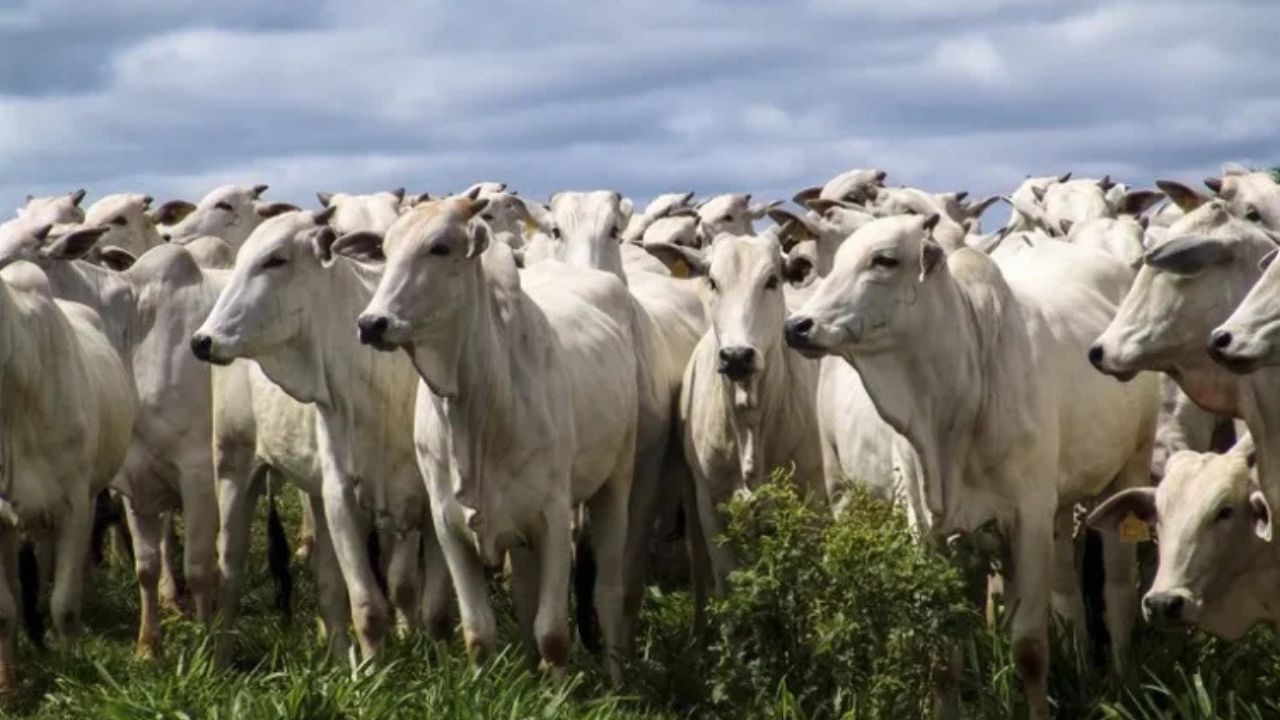
The municipality of Pará holds the largest cattle herd in the country, with over 2.4 million head, but faces serious socio-environmental challenges linked to the expansion of livestock farming.
São Félix do Xingu, in the state of Pará, consolidates itself as the capital of beef cattle farming in Brazil. With the largest municipal cattle herd in the country, the region’s remarkable economic success contrasts with alarming challenges. The municipality is an epicenter of deforestation, violent land conflicts, and pressure on indigenous territories and conservation areas. This article analyzes the duality of an agribusiness giant located on the Amazon’s frontier.
The Scale of Livestock Farming in São Félix do Xingu
São Félix do Xingu’s position as a national livestock leader is indisputable. In 2023, the municipality maintained its leadership with a herd of 2.452 million head of cattle, which represents more than 10% of the entire herd in Pará. This figure surpasses the total of ten other Brazilian states and results in the impressive proportion of up to 37 head of cattle for each inhabitant.
The local history is marked by extractive economic cycles, such as rubber and nuts, but from the 1990s onward, livestock farming expanded overwhelmingly, transforming its economic identity.
-
Friends have been building a small “town” for 30 years to grow old together, with compact houses, a common area, nature surrounding it, and a collective life project designed for friendship, coexistence, and simplicity.

-
This small town in Germany created its own currency 24 years ago, today it circulates millions per year, is accepted in over 300 stores, and the German government allowed all of this to happen under one condition.

-
Curitiba is shrinking and is expected to lose 97,000 residents by 2050, while inland cities in Paraná such as Sarandi, Araucária, and Toledo are experiencing accelerated growth that is changing the entire state’s map.

-
Tourists were poisoned on Everest in a million-dollar fraud scheme involving helicopters that diverted over $19 million and shocked international authorities.


Geographically, the municipality is one of the largest in Brazil, with a territory larger than that of countries like Ireland. The paradox is that over 70% of this vast area is composed of Indigenous Lands and Conservation Units, generating structural tension with agricultural expansion.
The Economy Driven by Livestock Farming
Livestock farming is the backbone of the local economy, with the agricultural sector accounting for 46.6% of the Gross Domestic Product (GDP) of the municipality, totaling about R$ 2 billion. The activity of raising cattle for beef is among the leading generators of formal jobs, making it the second largest employer, behind only public administration.
The predominant production model is extensive livestock farming, which utilizes vast grazing areas totaling approximately 20,000 km², dominated by the Nelore breed. There is already a movement towards more intensive systems focused on the recovery of degraded pastures.
Amid this cattle hegemony, cocoa farming emerges as the main alternative for economic diversification, with cocoa cultivation in agroforestry systems being seen as a viable option to recover areas and generate income.
Towards a More Sustainable Agriculture
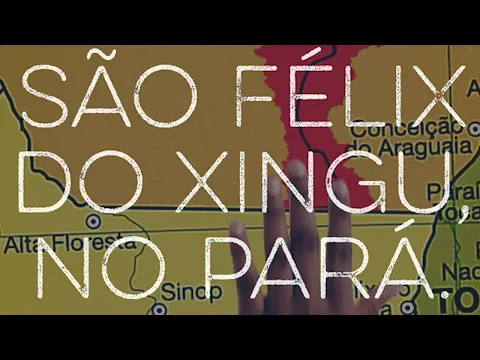

Despite the problems, initiatives seek a more sustainable future for local livestock farming. São Félix do Xingu was a pioneer in establishing a municipal committee for the ABC Plan (Low Carbon Agriculture) and has state programs such as “Sustainable Territories” to support pasture recovery.
The most transformative initiative is the Pará Individual Bovine Traceability System (SRBIPA), which aims to trace 100% of the herd to ensure a production chain free of deforestation and other illegalities. Success stories already exist, with producers increasing their land productivity and cooperatives thriving with cocoa in areas previously degraded by livestock farming.









-

-

2 pessoas reagiram a isso.