





 Portuguese
  English
  Spanish
  5 min of reading
  0 comments


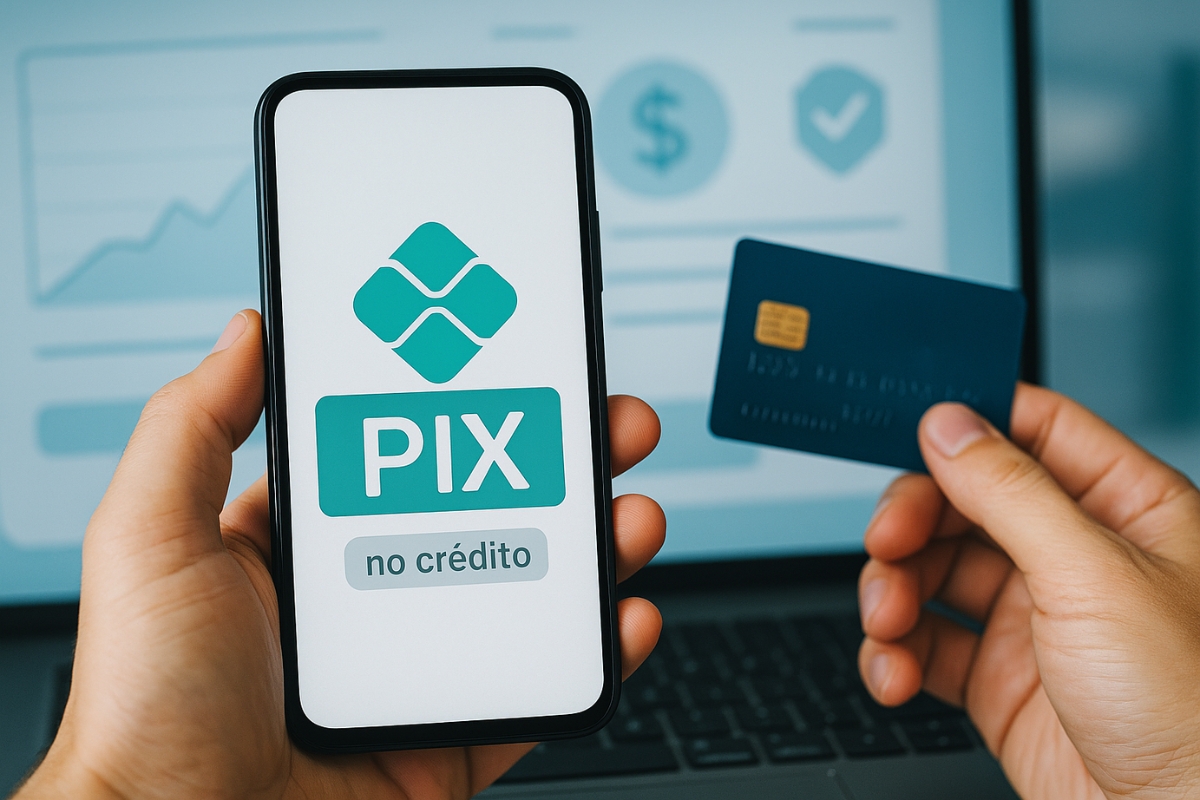
Pix in Credit Remains Alive Even Without Official Seal, BC Retreats for Safety and Debt Risk, Find Out What Changes at Your Bank and When Installments Might Be Worth It
The Central Bank decided not to proceed with the idea of creating a single rule for the so-called installment Pix. In practice, this means there will not be, for now, an official modality of Pix with standardized installments throughout the country. The decision came after months of delays and internal discussions on how this function should work.
Even with the withdrawal, installment payment via Pix does not disappear. It continues to be offered by banks and fintechs, but in a private manner, with its own rules. The main change is that each institution will follow its own model, without a national standard that equalizes fees, terms, and limits. Additionally, the use of the name “Installment Pix” has been banned, to avoid confusion with an official function of the system.
Why the Central Bank Retreated
The proposal for installment Pix emerged to organize a practice that had already begun to appear in several financial applications. The logic would be similar to that of a credit card: the customer would pay in installments, while the merchant would receive the total amount right away. The plan was discussed as a novelty to be launched in 2025, but the schedule kept getting postponed.
-
Mothers and daughters come together, create an ‘express’ beauty salon and turn the idea into a network with 21 units, revenue of R$ 16.7 million and 12,000 subscribers.

-
End of the 6×1 schedule: how the reduction of hours can affect service companies, industry, and agribusiness.

-
Brazil Ignores Trump’s threats to BRICS, Buys 42 tons of gold and reduces the Dollar’s share by 6.45% in international reserves.

-
Havan buys historic football land in Blumenau for a million-dollar amount protected by a confidentiality clause and is already planning to change even the layout of streets to build a megastore in half-timbered style costing 80 million reais.


Two factors weighed heavily in the decision to retreat. The first was the priority given to the safety of Pix. Recently, concerns had grown regarding scams and attacks on financial institutions. Consequently, the Central Bank preferred to focus efforts on protective measures before creating a new functionality that would mix instant payments with credit.
The second factor was the risk of indebtedness. By combining credit with such a fast payment, there was fear of encouraging impulse buying, leading people to commit income without realizing the real cost. There was concern to prevent installment Pix from becoming something akin to the expensive credit of a credit card, but there was no consensus on the best way to regulate this without overly limiting the market.

What Happens with Pix in Credit
For those already using installment payment via Pix, almost nothing changes in the short term. If your bank offers this feature, it can continue to do so. The difference is that it will not be recognized as an official modality of Pix. In other words, there will not be a uniform rule for everyone.
In practice, each institution will define its own conditions: how many installments it allows, what interest it charges, what limits it releases, and who can use it. This means that a person may find very different conditions depending on the bank where they hold an account.
Another important change is in the name. “Installment Pix” cannot be used commercially. Therefore, the services must appear under other terms, such as “Pix in Credit,” “Installment Pix in the App,” or similar names. The Central Bank’s idea is to make it clear that this is a credit product of the institution, not a standard function of the Pix system.
Advantages and Risks for the Consumer
Pix in credit tends to be attractive because it allows for installment purchases even without a card. In some cases, approval is quick, as long as there is available credit at the bank. For the merchant, it can also be advantageous, since the money is received immediately, unlike with cards, which can take longer.
However, this convenience requires caution. Since there is no national rule, interest rates can vary significantly. In some applications, the cost may be lower than that of a card. In others, it may be higher, especially if the customer has a higher risk profile or opts for many installments.
Another essential point is transparency. Without an official standard, the way interest, final value, and total effective cost are presented depends on each bank. Therefore, it is important to read the installment summary carefully before confirming. Small differences in the rate can have a significant impact on the total amount paid.
How the Future of Installment Pix Looks
The withdrawal does not mean a definitive end. The Central Bank has only removed the topic from the agenda for now. If the market grows in a disorganized manner or if many problems arise, the subject may return in another format.
Pix continues to expand, and the regulator is still studying new features related to user experience, credit, and security. This shows that the system is still evolving. The installment feature may return later if the BC finds a way to balance innovation, consumer protection, and system stability.
What to Do Before Installing Purchases with Pix
If you intend to use Pix in credit, it is worth treating the operation as a short-term loan. Before closing, check the total amount with interest, compare it with the card, and understand if the installments fit within your budget without straining the following months.
It is also important to remember that, despite the name, the installment does not function like traditional Pix. In regular Pix, the money leaves the account immediately and does not incur debt. In installment Pix, you are contracting credit. This can affect your available limit, financial organization, and even your ability to take on other commitments.
In the end, the Central Bank’s decision keeps the service alive but makes it more varied and less standardized. For the consumer, the message is simple: Pix in credit can be useful, as long as it is used with care and complete clarity about costs and terms.









-

-

2 pessoas reagiram a isso.