





 Portuguese
  English
  Spanish
  6 min of reading
  1 comment


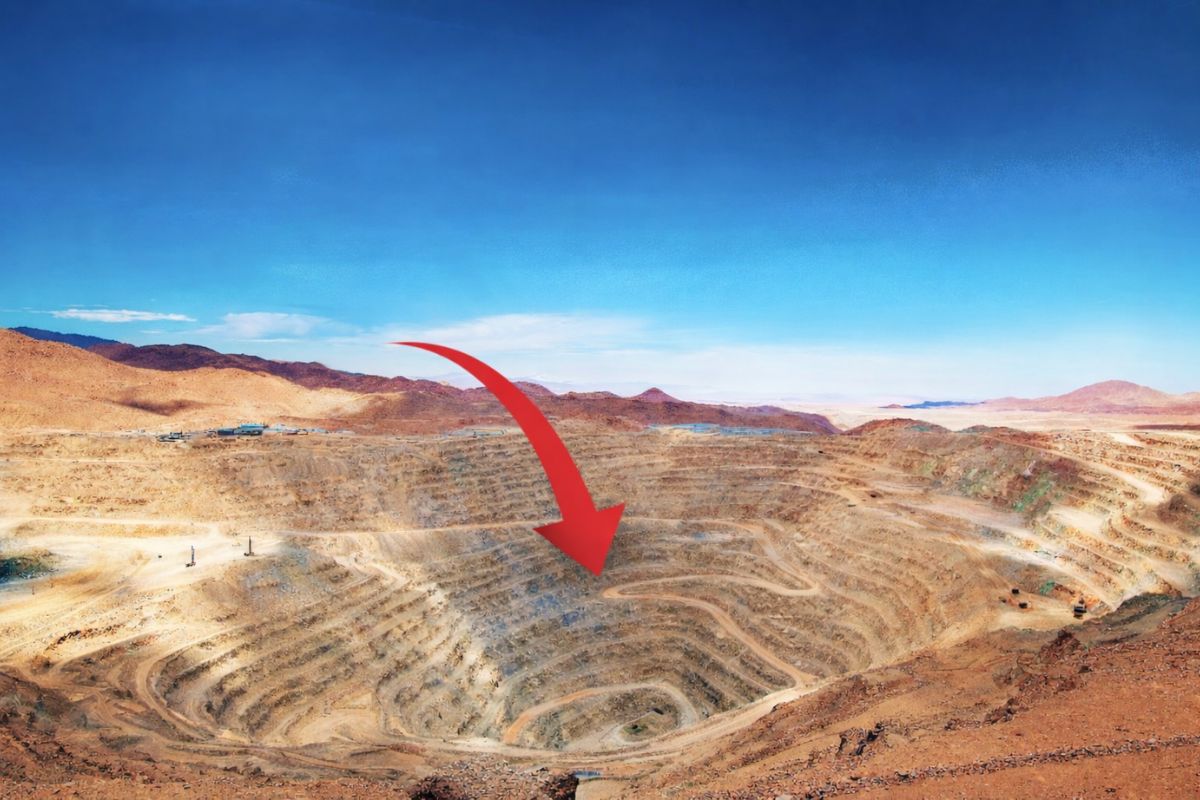


While The Deepest Hole In History Tests The Limits Of The Earth’s Crust With The Deepest Well In The World, Humanity Is Still Thousands Of Kilometers From The Center Of The Earth And Uses The Deepest Mine In The Earth As Another Window Into The Planet’s Interior.
Even Adding Everything That Modern Technology Has Accomplished, The Deepest Hole In History Is Just A Scratch On The Planet’s Crust. Humanity Has Dug 12,376 Meters Into The Earth And Yet The Center Of The Planet Remains About 6,731 Kilometers Below The Surface, As Distant As An Imaginary Trip From Lisbon To Astana.
Between The Childhood Fantasy Of Digging To The “Bottom Of The World” And Giant Drilling Projects, There Is A Story That Begins In Shallow Graves, Passes Through Pharaohs’ Tombs, Catacombs, Mines, Abyssal Caves, And Ends In A Well So Deep That It Could Hold 15 Burj Khalifas Stacked. In The End, the Deepest Hole In History Reveals Less An Absolute Triumph And More A Brutal Reminder Of How The Heat And Pressure Of The Earth Still Control Everything.
From The Dream Of Digging To The Center Of The Earth To The Reality Of The First Meters
At Some Point In Life, Almost Everyone Has Thought About Digging A Tunnel To The Other Side Of The Planet. However, The Reality Hits Right From The First Meters.
-
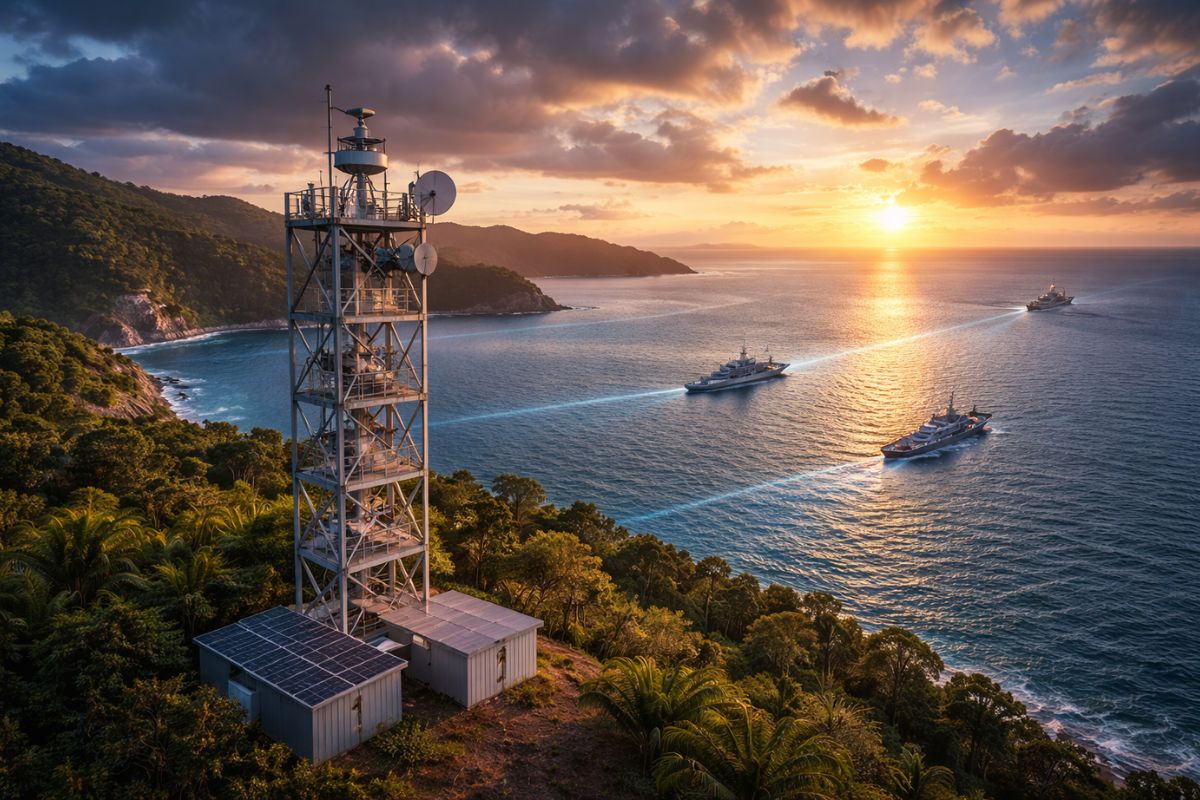
Brazil is about to inaugurate the largest maritime surveillance system in its history, with radars, infrared cameras, and autonomous sensors installed on Ilha Grande to monitor the entire Brazilian coast in real time.
-
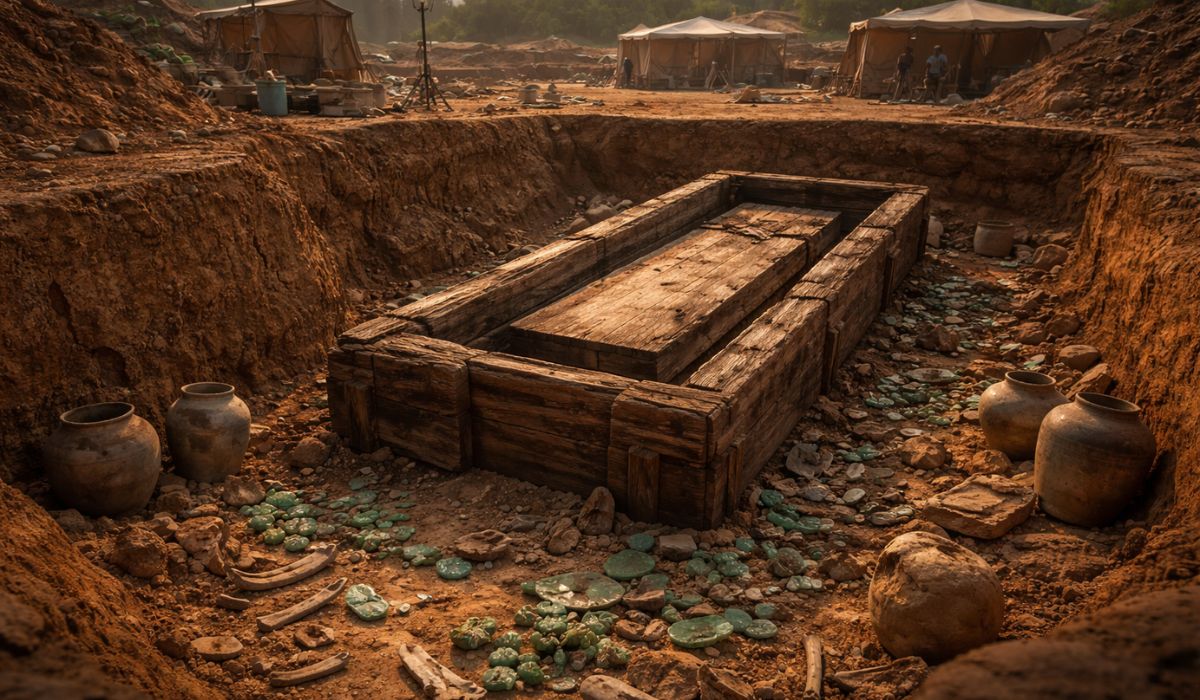
Archaeologists discover in China a 5,000-year-old tomb with over 350 artifacts, nearly 200 jades, and signs of intentional destruction, in a discovery that could be the gateway to a lost prehistoric kingdom.
-
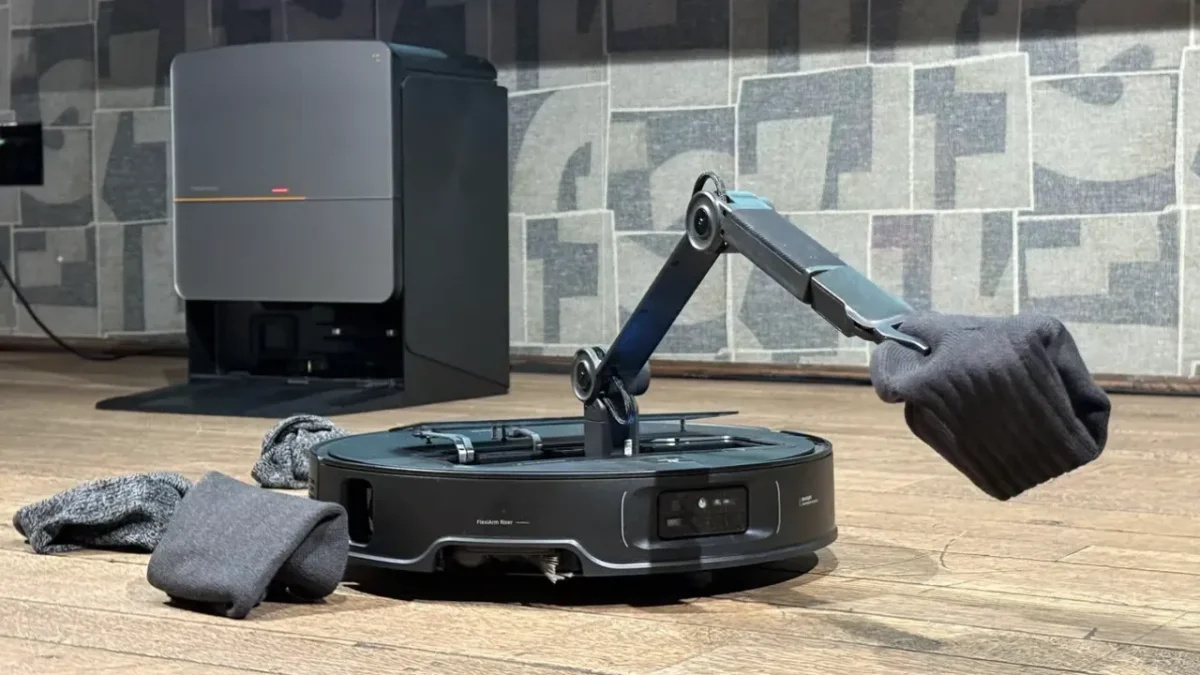
A vacuum robot with a five-axis mechanical arm capable of picking up objects from the floor, avoiding obstacles in real time, and continuing to clean on its own inaugurates a new generation of appliances that see, think, and act within the home.
-
Geographers redefine the Brazilian relief and confirm the presence of mountains in 14 states with a new system that changes historical criteria and alters the way the territory is classified.

From The Surface, At 1.8 Meters Deep, We Reach The Standard Depth Of A Grave In Much Of Western Culture. This Is Where Fantasy Begins To Hit The First Layers Of Human History.
A Little Deeper, At 4 Meters, Is The Same Range Where The Tomb Of Pharaoh Tutankhamun Was Found, Evidence That We Have Used The Subsoil To Hide Treasures, Secrets, And Power.
At 6 Meters, We Reach The Limit Where Metal Detectors Can Still Pick Up Signals. At 12 Meters, We Find The Deepest Burrows Dug By Animals Such As The Nile Crocodile.
At 20 Meters, The Reality Changes Scale: It Is The Depth Of The Catacombs In Paris, A Labyrinth Beneath The City That Holds The Remains Of More Than 6 Million People.
In Just A Few Dozens Of Meters, The Subsoil Already Mixes Fear, Death, History, And Basic Engineering, Long Before Any Mega Drilling Project.
Tunnels, Nuclear Waste, And The First Extreme Descents
When We Pass The Mark Of The Catacombs At 40 Meters Deep, We Reach The Deepest Pool In The World.
If It Were Drained And Someone Jumped From The Top, It Would Take Almost 3 Seconds To Hit The Bottom. At 100 Meters, A New Level Of Risk Appears: It Is The Typical Depth At Which Governments Bury Nuclear Waste.
Just Below, At 105.5 Meters, Is The Deepest Metro Station In The World, In Kiev. At 122 Meters, We Reach The Deepest Known Point Achieved By The Roots Of A Plant, A Fig Tree In South Africa.
At 220 Meters, The Congo River Earns The Title Of The Deepest River On The Planet, And At 240 Meters, A Railway Tunnel Connects The Japanese Islands Of Honshu And Hokkaido Beneath The Sea.
At 287 Meters, You Could Drive Through The Deepest Road Tunnel In The World, In Norway. At 305 Meters, Even That Deep, It Would Still Be Vulnerable To A Penetrating Warhead Capable Of Destroying Structures To That Depth.
None Of This Yet Competes With the Deepest Hole In History, But It Shows How We Have Slowly Pushed The Boundaries Of What Is Possible To Dig, Bore, And Cross.
Wells, Caves, And Mines: When The Hole Becomes An Abyss

At 392 Meters Deep, We Find The Woodingdean Water Well In The United Kingdom, Possibly The Deepest Hole Ever Dug By Hand. It Was Completed In 1862, Long Before Modern Machines Made Drilling Easier.
At 603 Meters, Things Get Frightening: It Is The Deepest Vertical Drop Ever Mapped Inside A Cave. Someone Who Fell There Would Face A Drop Greater Than The Height Of One World Trade Center In New York And Would Take Over 11 Seconds To Hit The Bottom.
A Little Deeper, At 700 Meters, Chilean Miners Were Trapped For 69 Days, In A Story That Showed The Human Cost Of Exploring The Subsoil.
At 970 Meters, There Is The Open-Pit Mine Of Bingham Canyon In Utah, The Deepest Hole On Earth That Still Has Open Sky Above.
It Is So Deep That You Could Place The Tallest Building In The World In The Center And Still Have Over 100 Meters To The Edge.
Even Deeper, At 1,410 Meters, A Finnish Metal Band Held The Deepest Concert In History, Turning A Mine Into A Stage.
At 1,642 Meters, We Find The Depth Of Lake Baikal In Russia, The Deepest Lake On The Planet. At 1,857 Meters Is The Deepest Part Of The Grand Canyon.
In Georgia, A Cave Reaches About 2,197 Meters Below The Surface, Considered The Deepest Known Cave In The World.
But The Deepest Hole That Someone Could Actually Fall Into, With A Continuous Shaft, Goes Beyond: In Moab Khotsong, South Africa, The Bottom Of The Mine Reaches 3,132 Meters. A Fall From The Top Would Take 25 Seconds To Impact.
Even Deeper, At 3,600 Meters, Was Found The Deepest Point Where A Multicellular Organism Has Ever Been Seen Alive, A Curious Worm That Resists Extreme Conditions.
At 4,000 Meters, We Find The Deepest Part Of The Deepest Mine On Earth, Also In South Africa. The Journey From The Surface To The Bottom Takes More Than An Hour, And The Temperature Reaches 66 Degrees Celsius.
Here, The Heat Becomes An Enemy As Important As The Depth.
From The Ocean Floor To The Crust Limit: Enter The Kola Superdeep Borehole
Below The Seafloor, The Oceanic Crust Averages Thickens To About 6,000 Meters. If Mount Everest Were “Planted” Underground Instead Of Pointing To The Sky, Its Height Of 8,848 Meters Would Still Fall Short Of Many Of These Wells.
The Deepest Point In The Ocean, The Mariana Trench, Reaches 10,994 Meters Below The Surface Of The Sea.
Yet, human Drilling Has Already Gone Beyond That Mark On Dry Land. At A Depth Of 12,262 Meters, Is The Kola Superdeep Borehole, A Soviet Experiment That Tried To Drill All The Way Through The Earth’s Crust.
The Project Only Reached About A Third Of The Crust Because, At That Depth, The Temperature Reached Approximately 180 Degrees Celsius, Too Hot For The Drill To Continue Operating.
The Kola Superdeep Is A Narrow Hole, Only About 23 Centimeters Wide. Fortunately, No One Could Fall Into It Accidentally.
Still, If It Were Possible To Drop Something Along The Entire Shaft, It Would Take About 50 Seconds To Reach The Bottom. For A Long Time, This Well Was The Natural Candidate For The Title Of Deepest Hole In History.
Z44-Chavyo: The Deepest Hole In History That Humanity Has Ever Dug
Recently, This Mark Has Been Surpassed. An Oil And Gas Well Known As Z44-Chavyo Drilled To A Depth Of About 12,376 Meters, Breaking The Soviet Record And Becoming the Deepest Hole In History Dug By Humanity.
In Comparative Terms, This Depth Is Equivalent To Stacking 15 Burj Khalifas On Top Of Each Other Within The Same Column Of Rock.
Still, The Feat Is Small When We Look At The Scale Of The Planet Itself. The Earth’s Crust Can Reach About 70,000 Meters In Thickness, And The Center Of The Earth Is Located Approximately 6,731 Kilometers Below The Surface.
If You Imagined The Surface In Lisbon, Portugal, And The Center Of The Planet In Astana, Kazakhstan, All Our Wells And Mines To Date Would Only Occupy A Tiny Fragment At The Beginning Of This Journey.
The Deepest Hole In History Shows That We Have Mastered The First Kilometers Of Rock Quite Well, But We Are Still Almost Blind To What Happens In The Real Depths Of The Earth.
The Heat, Pressure, And Limitations Of The Materials Used In The Drills Remind Us That, For Now, The Frontier Of The Planet’s Interior Remains Well Out Of Our Reach.
In The End, Digging Is Less About Reaching Somewhere And More About Measuring How Much Is Still Left. Each Meter Descended In Mines, Caves, And Mega Wells Like Z44-Chavyo Helps Us Understand A Little Better What Exists Beneath Our Feet, But It Also Reinforces How Much We Still Do Not Know.
And You, Do You Think Humanity Should Continue Trying To Increase The Deepest Hole In History, Or Have We Already Gone Deep Enough And It Is Better To Invest In Other Ways To Explore The Interior Of The Earth?




What a mishmash of units ! Makes the worthless article almost unintelligible.