





 Portuguese
  English
  Spanish
  2 min of reading
  0 comments


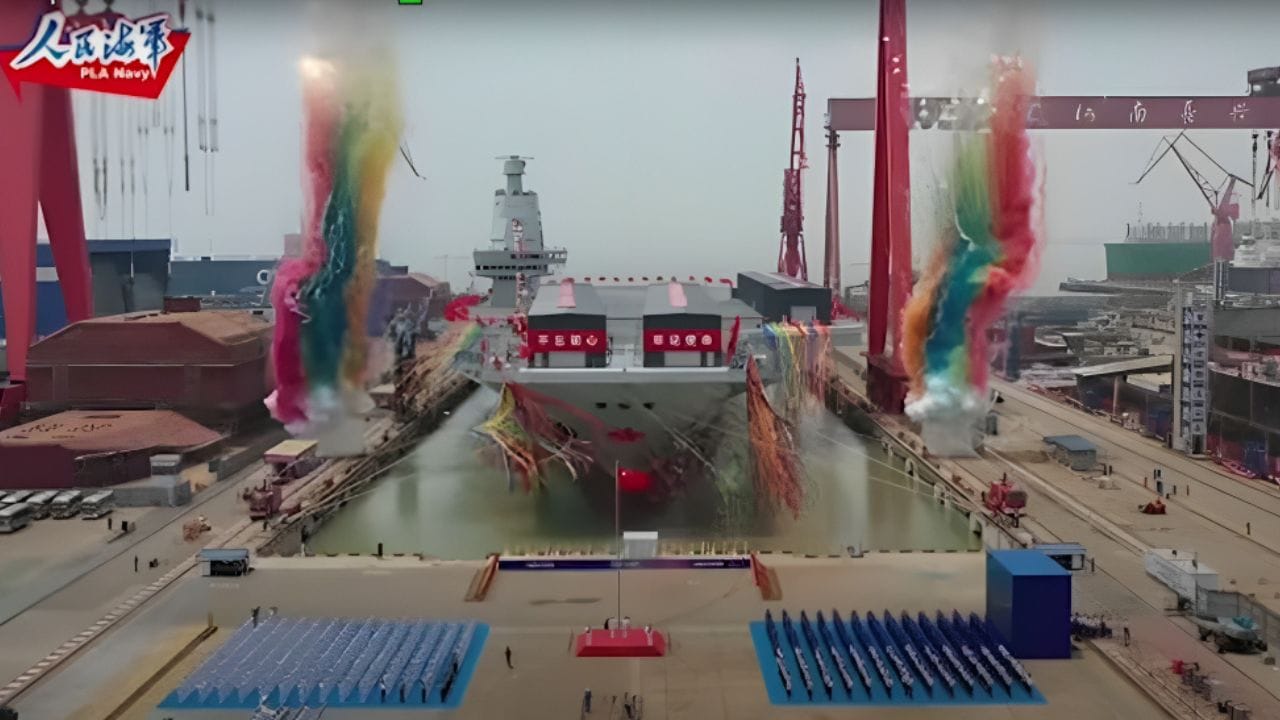
Since the initial acquisition of old aircraft carriers for study until the construction of its own advanced vessels, China has demonstrated a remarkable ability to learn, adapt, and innovate.
The journey of China’s aircraft carriers began in the 1970s, with the understanding that building an advanced aircraft carrier was beyond the country’s technical capabilities at the time. To bridge this gap, China acquired the decommissioned Australian aircraft carrier HMAS Melbourne in 1985. This ship served as a crucial learning tool, allowing Chinese engineers to study and replicate essential aircraft landing and takeoff systems.
Construction and Evolution of Chinese Aircraft Carriers
Progress in the construction of China’s aircraft carriers accelerated with the acquisition and refurbishment of the unfinished Soviet aircraft carrier Varyag in 2002. Renamed Liaoning, this first operational Chinese aircraft carrier was a crucial step in the development of the country’s naval capability. The experience gained from Liaoning paved the way for the launch of Shandong, an indigenous aircraft carrier that reflects China’s growing confidence in its own technology and design.
Fujian: The Peak of Innovation in Aircraft Carriers
The Type 003 aircraft carrier, Fujian, represents the pinnacle of China’s aircraft carrier development. This ship is not only a product of China’s naval ambition but also symbolizes the country’s journey, starting with an external design and evolving into a fully indigenous design. With the introduction of Fujian, China demonstrates that it is not only participating in the global aircraft carrier race but leading with significant innovations.
-
With 74% of companies facing difficulties in hiring, technicians and engineers in renewable energy are becoming scarce in Brazil and are essential to support the expansion of solar, wind, and green hydrogen projects.

-
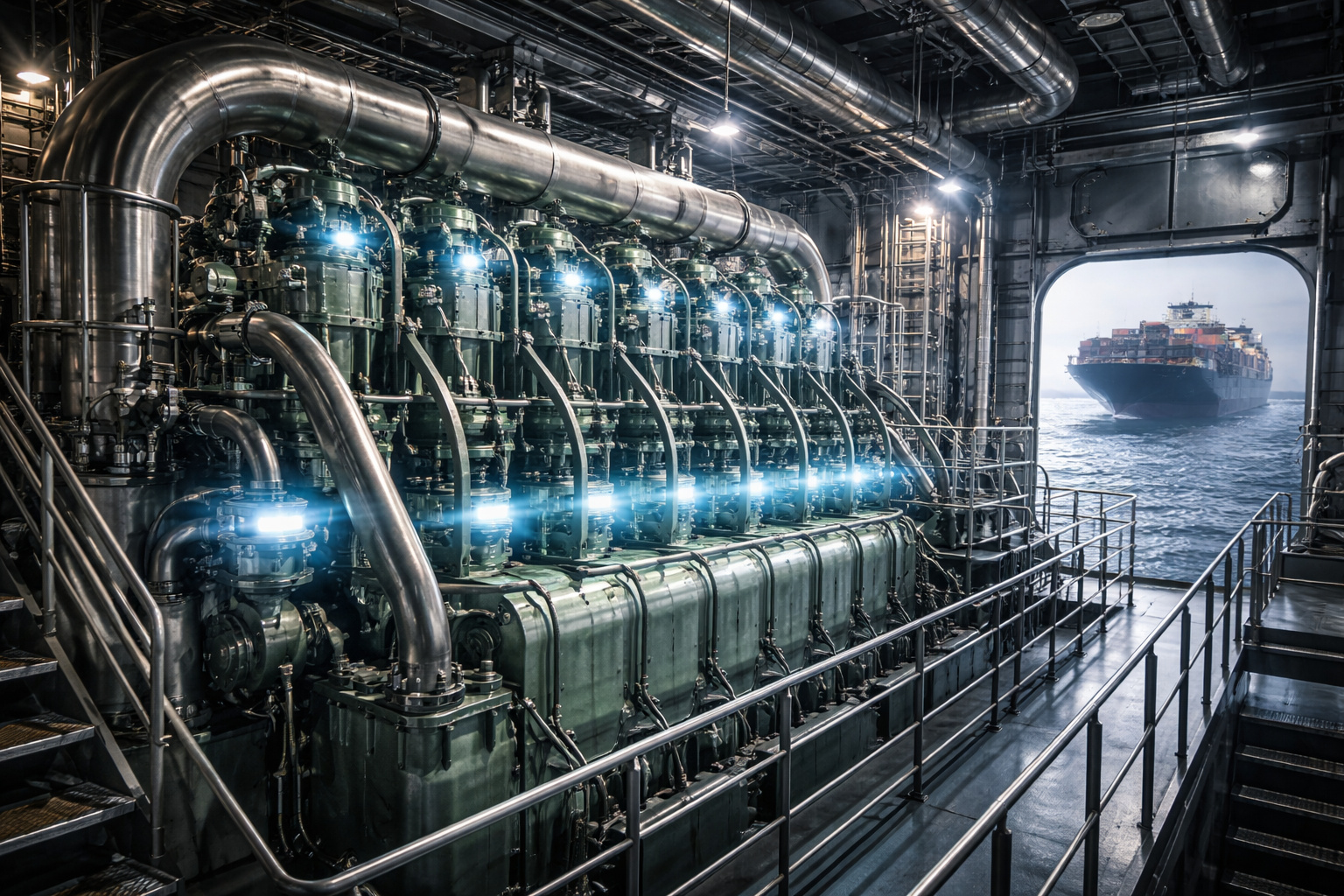
Europe is trying to create an ammonia-powered marine engine without auxiliary fuel, which could unlock the race for giant emission-free ships. The technology aims to eliminate one of the biggest obstacles to clean maritime propulsion.
-
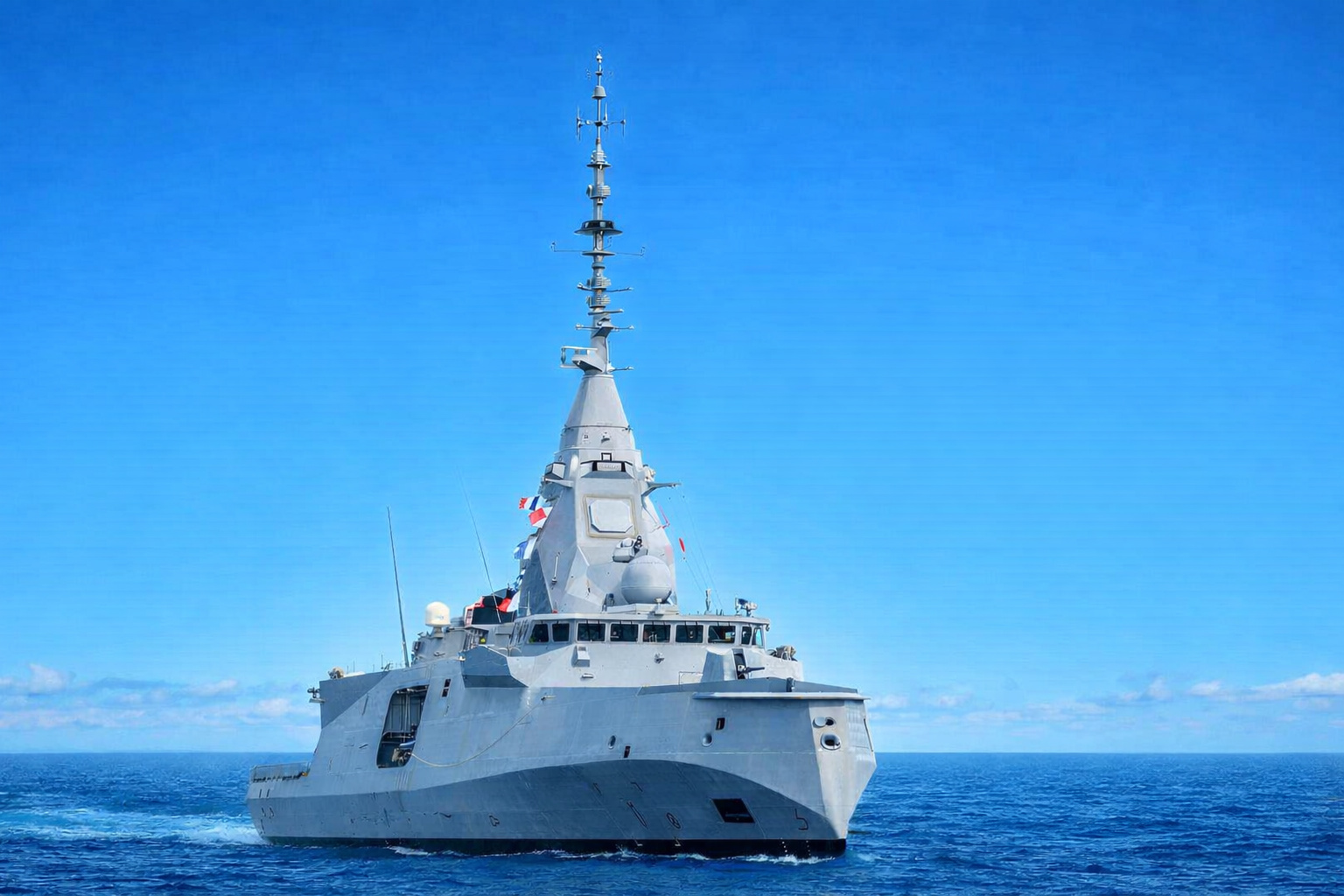
A 4,500-ton frigate with just over 100 crew members, state-of-the-art radar, and cruise missiles is being touted as the new standard of naval warfare in the 21st century.
-
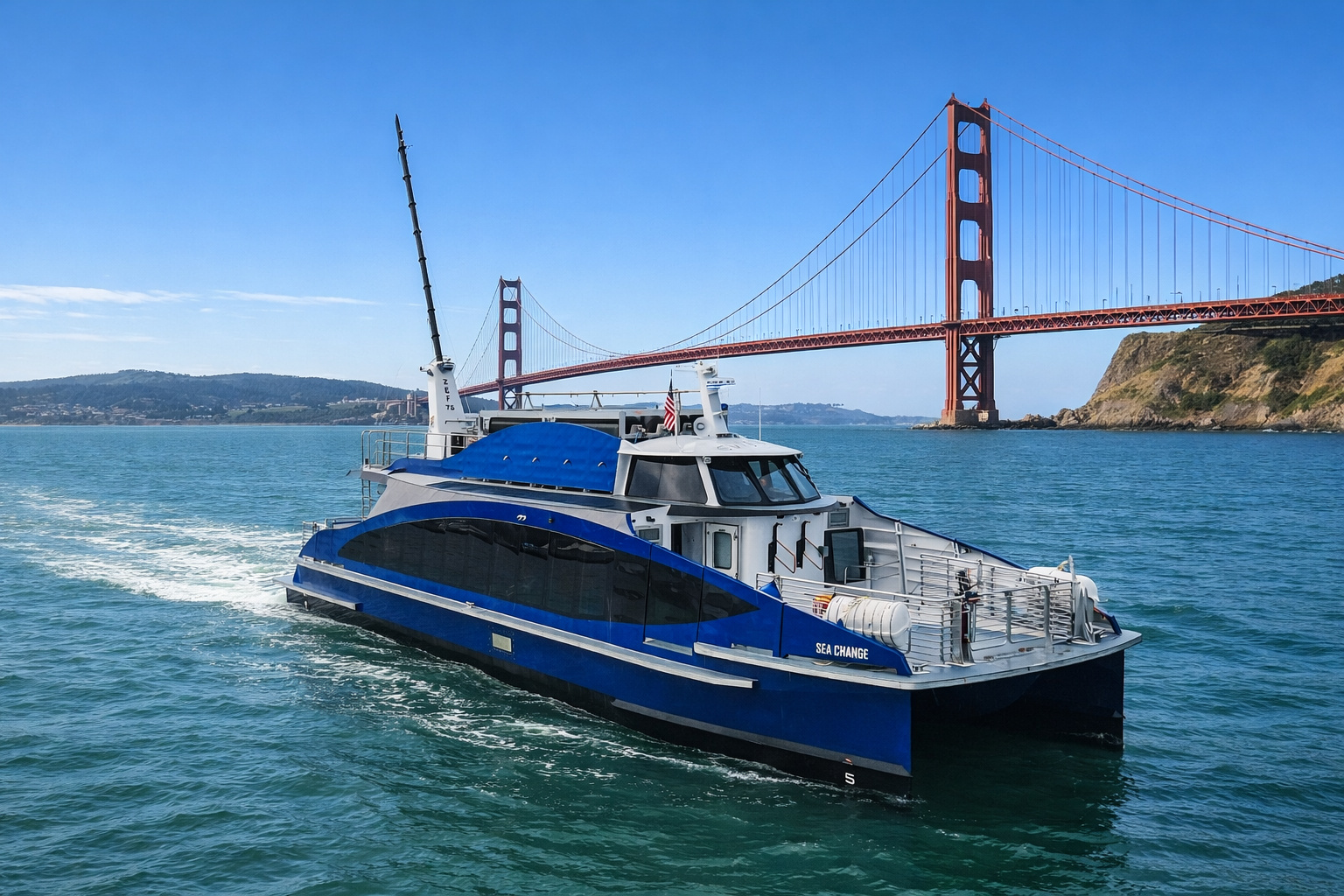
The first commercial hydrogen-powered ferry enters operation in the U.S., eliminates the use of diesel, uses fuel cells to generate clean energy on board, and transforms San Francisco Bay into a landmark of the new era of emission-free navigation.

Looking to the future, China is developing the Type 004, its first nuclear-powered aircraft carrier. This development marks a significant transition from reliance on external designs and technologies to an era of independent innovation and self-confidence. The Type 004 promises not only to enhance the operational capacity of the Chinese fleet but also to shift the balance of naval power in the Asia-Pacific region.
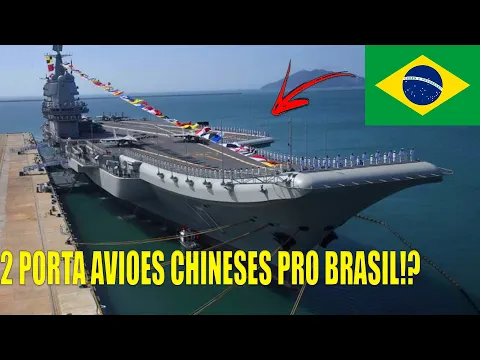

The Naval Ascent of China
The trajectory of China’s aircraft carriers is an example of pragmatic and strategic military development. Through decades of learning, adaptation, and innovation, China has transformed its vision of a powerful aircraft carrier fleet into reality. This journey from Liaoning to Type 004 illustrates not only the growth of China’s naval capability but also its rise as a global maritime power.








Seja o primeiro a reagir!