Portuguese
  Spanish


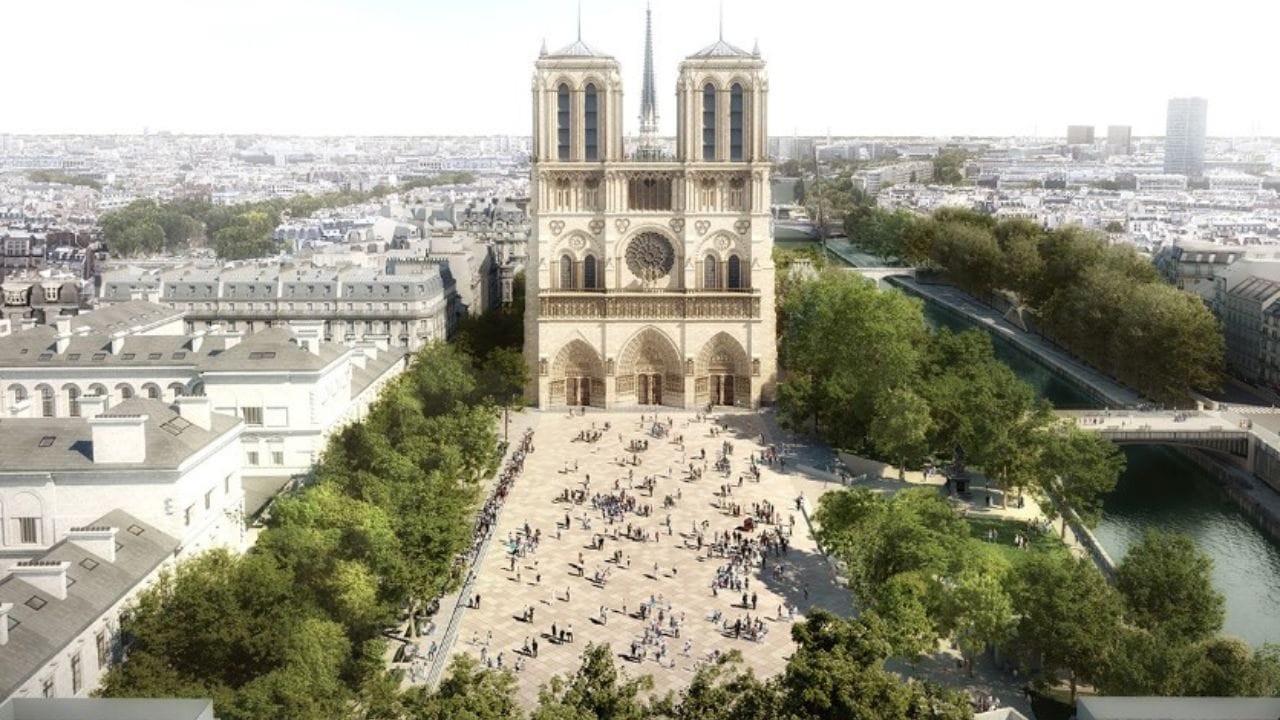

The Iconic Historic Landmark of Paris, Notre Dame Cathedral, Is Undergoing an Extensive Restoration Process Estimated at $865 Million Following the Devastating Fire of 2019.
On April 15, 2019, Notre Dame Cathedral in Paris was devastated by a massive fire, jeopardizing one of the most culturally significant architectural landmarks in French history. Nearly four years after the incident, the cathedral still raises questions about the causes of the fire. Although the incident has been classified as an accident, the true cause remains unknown.
Notre Dame
Notre Dame, located in the heart of the French capital, is a historic and cultural landmark. Its construction began in 1163, under the supervision of King Louis VII and Bishop Maurice de Sully. The project took nearly a century to complete due to its intricate Gothic patterns and the construction methods of the time.
The 2019 fire caused significant damage to the structure, leading to an international fundraising campaign for its reconstruction. With donation pledges reaching nearly $1 billion from major corporations and French billionaires, the Notre Dame restoration project has become one of the most significant megaprojects in modern engineering.
-
28-meter, 156-ton titans traveled 20,000 km from China to the port of Santa Catarina: Portonave received 7 fully electric megacranes, part of a R$ 210 million package, to double container handling.

-
They exchanged the idea of a large house for a 35 m² warehouse, spent US$ 12,000 on the structure, and created a tiny house in Colorado with space to live and work.

-
A newly opened terminal in the middle of the Amazon has begun transporting soy and corn through Amapá, eyeing the queue of ships that is congesting the ports in the South.

-
Goodbye to old tiles: renovation technique without construction transforms bathrooms in a few hours, eliminates debris, and reduces costs with coverings using special paints, high-resistance adhesives, and modern finishes that completely renew the space.



Restoration Works: Megaproject in Europe
The restoration work began in October 2019, with the first phase focusing on stabilizing the structure to prevent total collapse. The removal of 300 tons of melted metal and debris was necessary before reconstruction could begin. With the completion of this initial phase in November 2020, efforts turned to the actual reconstruction of the cathedral.


The Notre Dame restoration project is a remarkable achievement in engineering and conservation. Architectural and structural experts from across Europe are collaborating to restore the 13th-century cathedral to its former splendor. In addition to being a complex engineering project, the reconstruction of Notre Dame is a symbol of cultural and historical resilience.
It is anticipated that Notre Dame will reopen its doors in 2024, in time for the Summer Olympic Games in Paris. This restoration megaproject not only preserves one of France’s most treasured historical landmarks but also demonstrates the power of global collaboration in preserving our cultural heritage for future generations.