





 Portuguese
  English
  Spanish
  4 min of reading
  0 comments


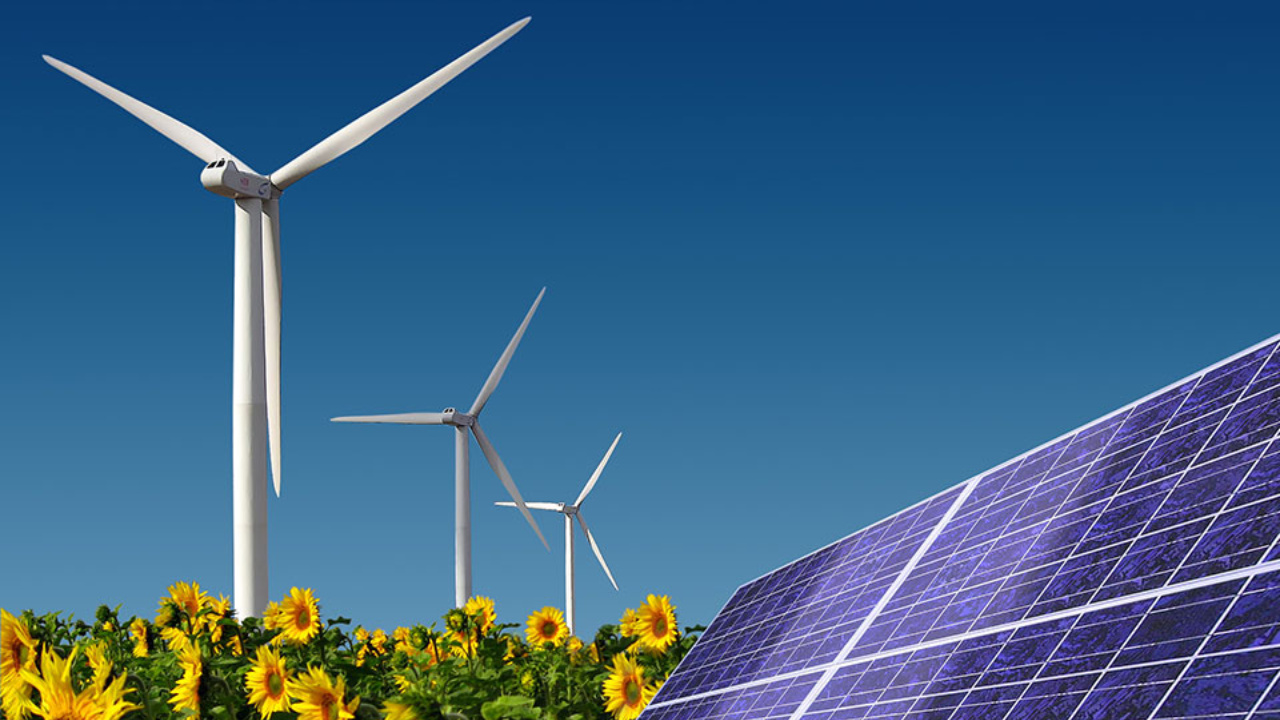
Seminar Promoted by Correio and Banco do Nordeste Highlights the Role of Renewable Energies in the Sustainable Development of the Northeast and the Strengthening of Public Policies and Green Financing.
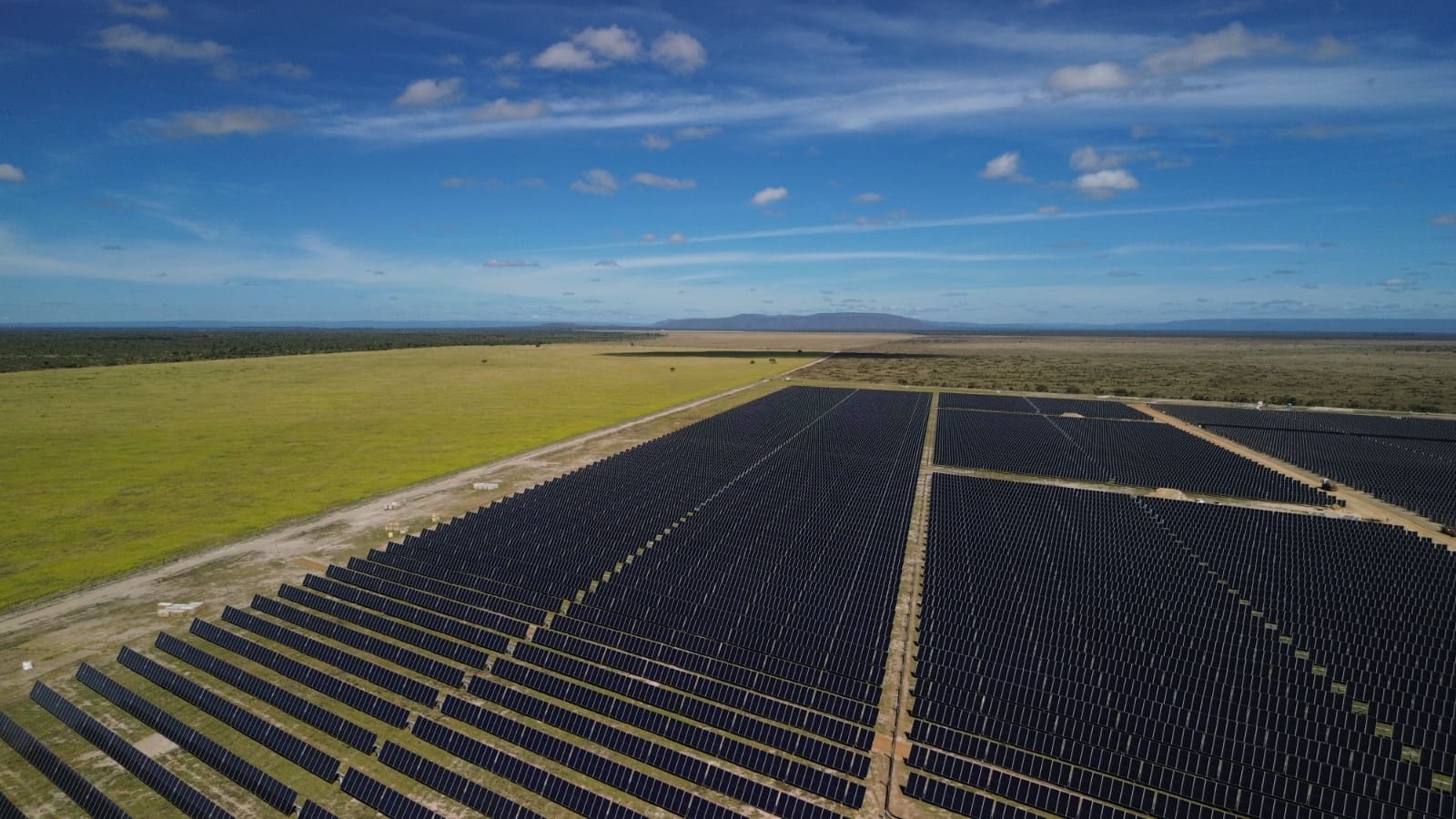
The advancement of renewable energies is repositioning the Brazilian Northeast as one of the most strategic regions for the sustainable growth of the country. With an abundance of natural resources, record installed capacity in solar and wind energy, and public policies focused on ecological transition, the region has taken on a central role in the national debate on low-carbon development.
This scenario will be at the heart of the discussions at a seminar promoted by Correio Braziliense, in partnership with Banco do Nordeste (BNB), bringing together experts, authorities, and institutional leaders.
Official Letter Recognizes the Northeast as a Driver of Sustainable Development
In September, the Ministry of Finance formalized this leadership by delivering the Commitment Letter for the Ecological Transformation of the Northeast. The document recognizes that the region has unique conditions to lead sustainable development in Brazil, mainly supported by the expansion of renewable energies and the appreciation of its environmental, social, and cultural assets.
-
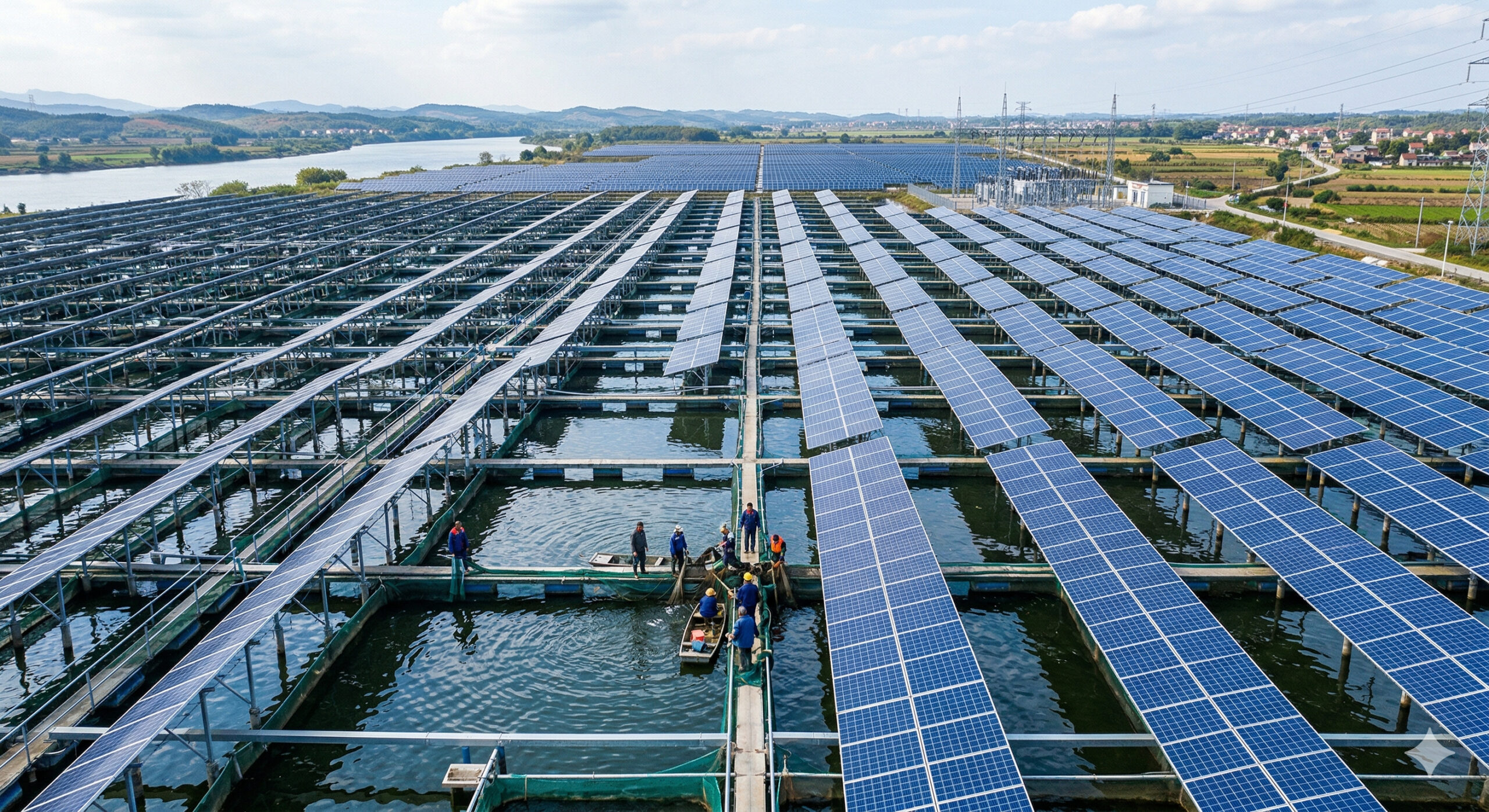
China bets on the Fishery-PV model and transforms fish farms into giant solar plants, covering ponds with panels that generate energy while utilizing the same space for large-scale aquaculture production.
-
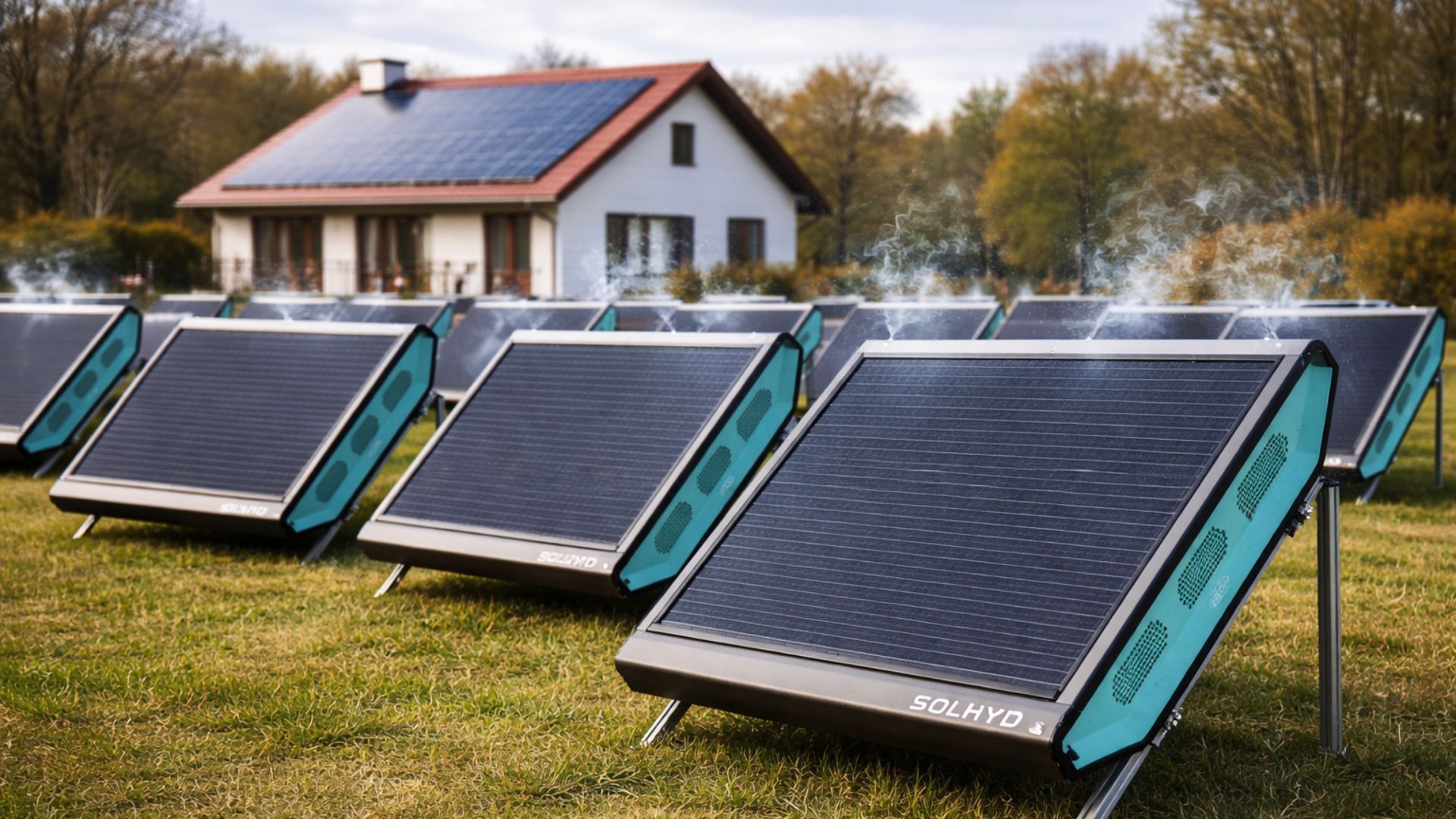
Green hydrogen at home: Belgium launches new technology that makes solar panels produce fuel from the moisture in the air, which could boost the energy transition.
-
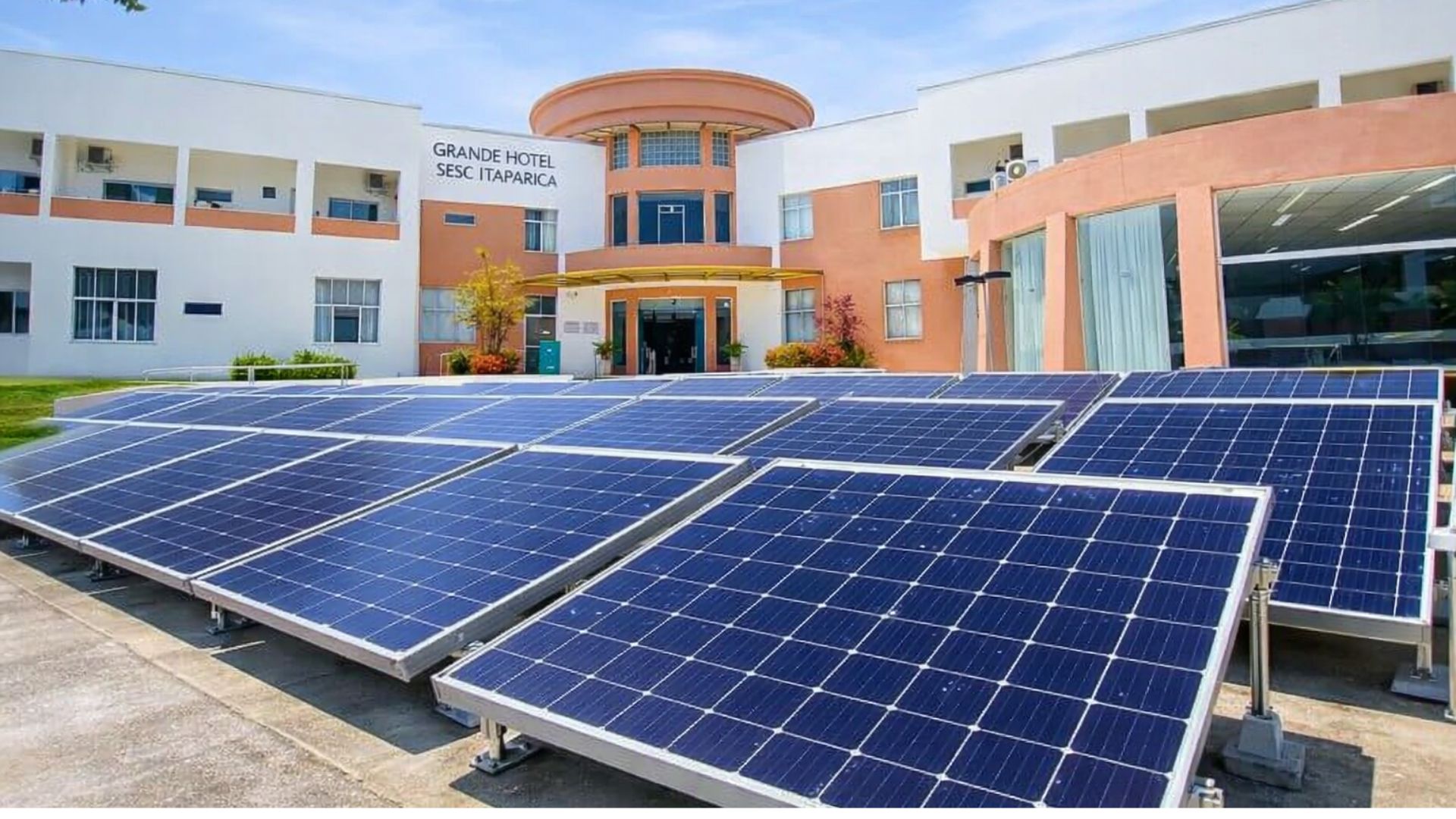
Sesc-BA bets on renewable energy with the support of EDP and drives the energy transition with a direct impact on cost reduction and the sustainability of its operations in Bahia.
-
Technology giant breaks global sustainability records: How Amazon’s leadership in renewable energy procurement transformed the global energy market in the past year.

In addition to energy infrastructure, the letter highlights sociocultural richness and traditional knowledge as vectors of innovative solutions.
Community practices adapted to the semi-arid region and balanced models of ecosystem management emerge as fundamental elements for a regenerative transition.
Banco do Nordeste Integrates Innovation and Sustainability into Its Institutional Strategy
According to Valdir Machado, manager of the Sustainable Development Policies Environment at Banco do Nordeste, the institution’s work combines innovation and sustainability inextricably. For him, this strategic vision is embedded in the bank’s DNA, guiding credit and financing policies throughout the region.
Northeast biodiversity also appears as a competitive differential. The document highlights the Caatinga, a uniquely Brazilian biome, as well as coastal and marine sociobiodiversity.
These environments provide a basis for productive chains in the bioeconomy and for the export of socio-environmental technologies, expanding the reach of renewable energies and sustainable solutions.
FNE Verde and Credit Lines Boost Sustainable Projects
Machado explained that the Constitutional Fund for Financing the Northeast (FNE) is the bank’s main instrument. It serves different profiles of entrepreneurs, including lines such as FNE Innovation and FNE Startup, as well as credit aimed at micro-entrepreneurs.
“We have a line called FNE Verde, which is one of the first lines of sustainable financing from a public bank. In the 1990s, FNE Verde already existed when ESG (English acronym for Environmental, Social, and Governance) was not as widely disseminated as today,” he commented.
Additionally, the bank operates the FNE Sol, focused on financing renewable energy generation systems for self-consumption, and maintains a strong presence in supporting innovation applied to renewable energies.
Northeast Attracts Low-Carbon Industries and Clean Energy
According to Rafael Dubeux, executive secretary of the Ministry of Finance, the Northeast occupies a strategic position to attract energy-intensive industries fueled by clean sources. He argues that regional potential should be leveraged to accelerate low-carbon industrialization, generate jobs, stimulate innovation, and enhance Brazilian competitiveness.
This combination of clean energy infrastructure, financing policies, and industrial vocation strengthens the role of renewable energies as a structural axis of regional development.
Climate Fund Increases Resources and Strengthens Regional Leadership
Data from BNDES and the Ministry of Environment and Climate Change show that the Climate Fund ended 2024 with R$ 10.2 billion in approved credit. The volume is nearly ten times higher than recorded in the last year of the previous government.
In this context, the Northeast was the region where resources grew most proportionally. In 2024, R$ 1.8 billion were approved, an amount 35.3 times greater than the R$ 51 million recorded in 2022. The growth reinforces the importance of renewable energies and sustainable projects in attracting these resources.
Seminar Expands Debate on Advances and Challenges
Valdir Machado also explained that the FNE does not cover all regional demand. Therefore, Banco do Nordeste sought to expand its action in partnership with BNDES and structured, in 2023, its first sustainable finance platform, paving the way for new fundraising instruments.
These topics will be at the center of the CB Debate, held by Correio Braziliense in partnership with Banco do Nordeste, on the morning of December 4. The meeting will discuss recent advances and obstacles that still challenge the region, as well as reflect on how the Northeast can continue to expand its productive and social capacity based on renewable energies and sustainability. Registration is free and the event will be broadcast on the newspaper’s social media.




Seja o primeiro a reagir!