





 Portuguese
  English
  Spanish
  3 min of reading
  0 comments


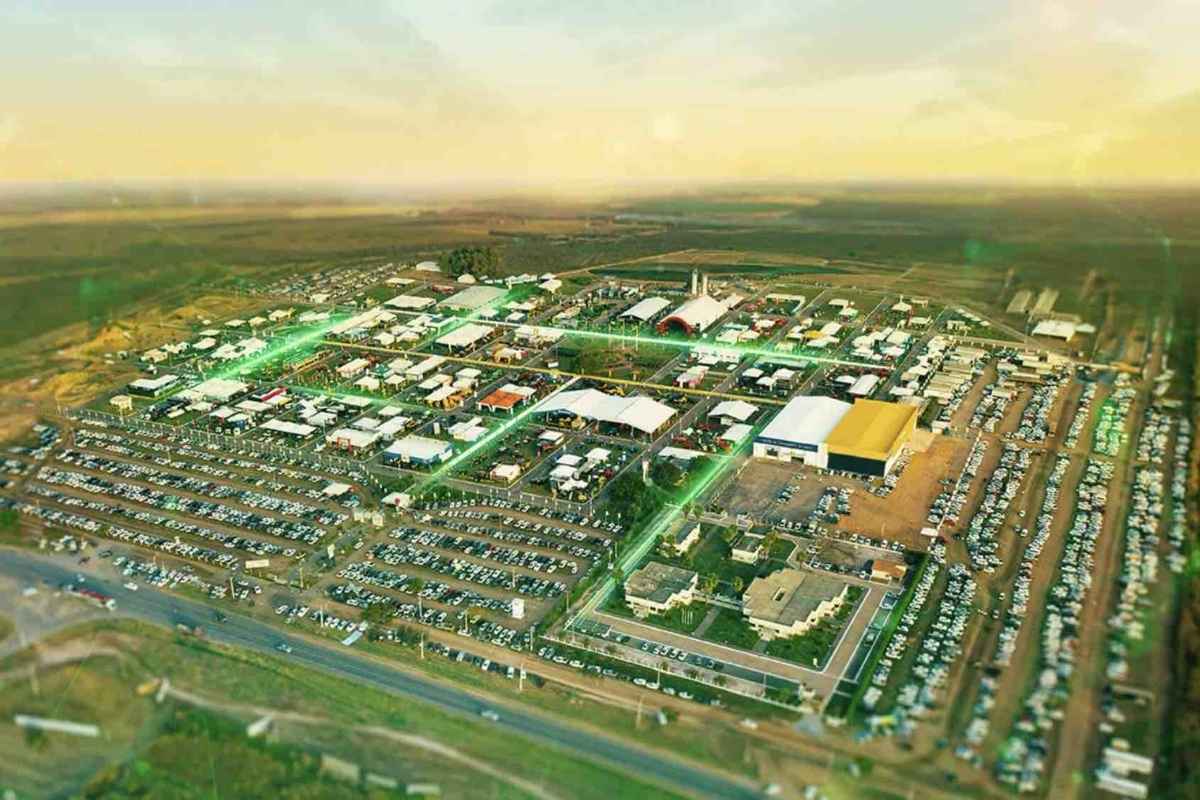
Known as LEM, the city of Luís Eduardo Magalhães, in western Bahia, has become one of the largest agro-business hubs and the brazillian interior city that attracts the most new residents and investments.
In the heart of the Bahian hinterland, a young and planned city is catching the attention of all of Brazil. Luís Eduardo Magalhães, or simply LEM, has established itself as one of the new frontiers of development in the country, driven by a high-tech agro-business and high quality of life indices.
According to an article published by the Terra Brasil Notícias portal in July 2025, the municipality has become a success story. The history of how a small village transformed into one of the fastest-growing cities in Brazil reveals the strength of the hinterland and the potential of national agribusiness.
What Is and Where Is Luís Eduardo Magalhães?
Luís Eduardo Magalhães is located in the Extreme West of Bahia, a region that has become one of the largest grain production hubs in the country. The city is an example of planned development, with wide avenues and modern infrastructure.
-
Friends have been building a small “town” for 30 years to grow old together, with compact houses, a common area, nature surrounding it, and a collective life project designed for friendship, coexistence, and simplicity.

-
This small town in Germany created its own currency 24 years ago, today it circulates millions per year, is accepted in over 300 stores, and the German government allowed all of this to happen under one condition.

-
Curitiba is shrinking and is expected to lose 97,000 residents by 2050, while inland cities in Paraná such as Sarandi, Araucária, and Toledo are experiencing accelerated growth that is changing the entire state’s map.

-
Tourists were poisoned on Everest in a million-dollar fraud scheme involving helicopters that diverted over $19 million and shocked international authorities.


The Story of Accelerated Growth: From Mimoso do Oeste to Agro Power
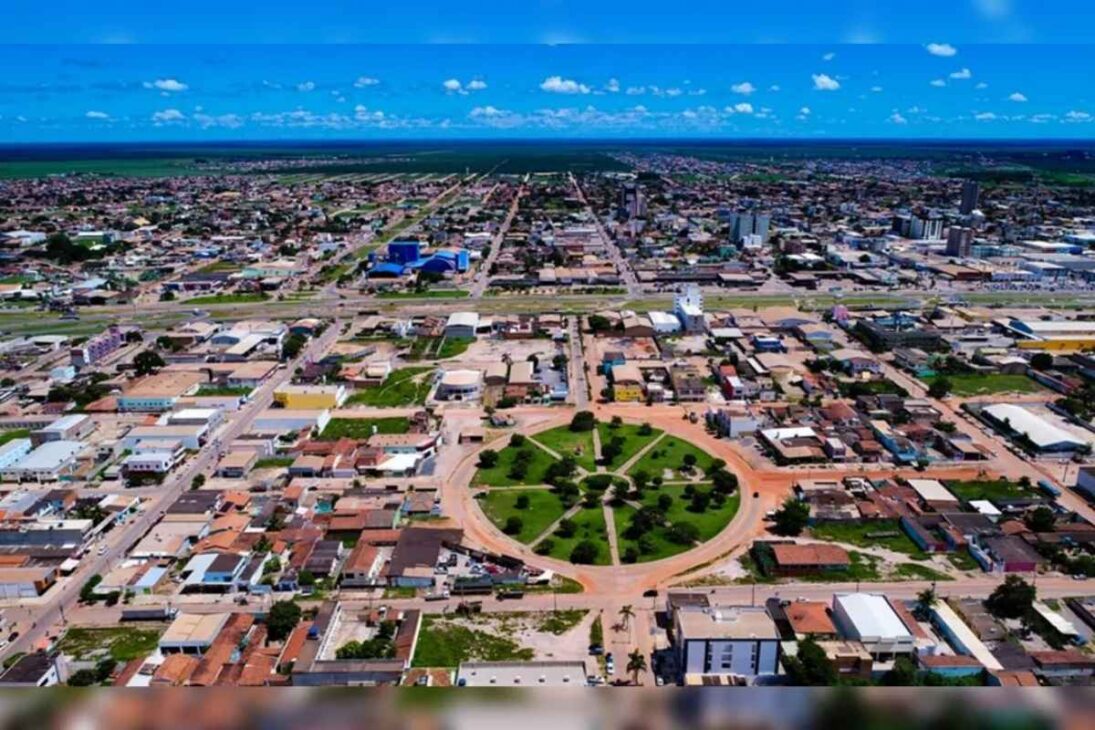
The story of this brazillian interior city is recent and impressive. What is now a thriving city started as a small village called Mimoso do Oeste in the 1980s.
The development was so rapid that, in the year 2000, the village was emancipated from the municipality of Barreiras, giving rise to the city of Luís Eduardo Magalhães. Since then, its growth has been exponential.
The Strength of the Economy: The Engine of High-Tech Agro-Business
The main engine of Luís Eduardo Magalhães is the agro-business. The city is a powerhouse in the production of soybeans, cotton, and corn, with fully mechanized and high-tech agriculture.
The strength of the sector in the region is so great that the city hosts the Bahia Farm Show, one of the largest and most important agricultural technology and business fairs in Brazil, attracting investors and entrepreneurs from all over the world.
Quality of Life and Development: The Indicators That Attract New Residents
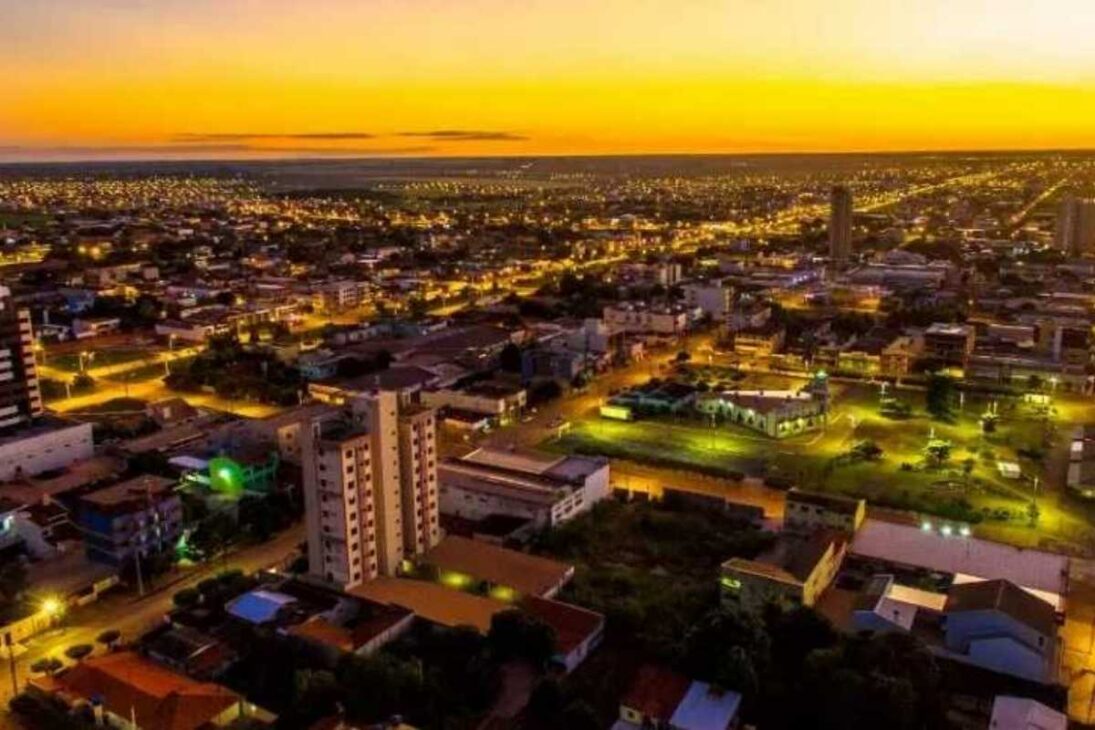
The economic success of LEM is reflected in its social indicators. The city has one of the highest Human Development Indexes (HDI) in Bahia, which means good quality in education, health, and income.
Its Gross Domestic Product (GDP) is also among the fastest-growing in the state. This combination of job opportunities and high quality of life is what has attracted thousands of new residents from all over Brazil, making it one of the cities with the fastest population growth in the country.
The Future of the “New Frontier”: Planning and Infrastructure
What sets this brazillian interior city apart from many others is its urban planning. Luís Eduardo Magalhães was designed to grow in an organized way, with infrastructure that supports its expansion.
With a promising future, the city consolidates itself as an example of how agro-business, combined with planning, can transform a region and create a new development hub in the heart of Brazil.










-

Uma pessoa reagiu a isso.