





 Portuguese
  English
  Spanish
  5 min of reading
  0 comments



Understand Why The Free Market Is Gaining Space In Brazil And How Renewable Energy Helps Companies Reduce Costs, Increase Competitiveness, And Transform Cost Economy Into Long-Term Strategy.
The Free Market for renewable energy is experiencing significant expansion in Brazil, driven by companies’ pursuit of cost savings, financial predictability, contract freedom, and alignment with sustainability practices. According to a publication by SEGS National Portal on February 9, this model has been transforming electricity into a strategic factor for competitiveness, shifting from merely a fixed expense to integrating long-term financial and operational decisions.
What Is The Free Market For Renewable Energy And Why Is It Growing
According to recent data from the Electric Energy Trading Chamber (CCEE) and the National Electric Energy Agency (ANEEL), the Free Market already accounts for more than one-third of the national energy consumption. Furthermore, a significant portion of the contracts involved includes clean sources, reinforcing the role of renewable energy as a key player in Brazil’s energy transition.
The Free Market for energy is an environment where consumers can directly negotiate electricity purchases with generators or traders. In this model, companies have the autonomy to define price, term, volume, and origin of the contracted energy.
-
The Brazilian state accelerates industrial competitiveness with a focus on the extraction of strategic minerals to boost the energy transition in Goiás.

-
A Canadian retiree creates a hydroelectric system on a real river, generating energy continuously throughout the day and demonstrating how the power of water can supply a house with stability even in a simple structure.

-
Petrobras reaffirms its commitment to the market and ensures that it will carry out the energy transition safely to maintain national sovereignty.

-
Researchers discover a possible hydrogen deposit of up to 46 million tons beneath an ancient coal basin, and the volume could exceed half of the entire global production.


Unlike the regulated market, where tariffs are imposed by local distributors, the Free Market allows direct negotiation, without the application of tariff flags. The distributor remains responsible for the physical delivery of energy, but the supply is defined in a free contract.
This flexibility ensures greater financial control and cost predictability, factors increasingly valued in a scenario of economic volatility.
Cost Economy In The Free Market Drives Company Migration
The cost economy is one of the main reasons that lead companies to migrate to the Free Market. Sector studies and analyses from CCEE indicate that negotiated contracts can result in more competitive prices than those of the captive market, especially in the medium and long term.
Moreover, contractual predictability reduces budgetary risks. By eliminating unexpected adjustments, energy becomes a controllable cost, facilitating financial and strategic planning.
Another relevant point is the end of tariff flags, which often increase electricity bills in the regulated market. In the Free Market, this risk is minimal, which directly contributes to the reduction of electricity expenses.
Renewable Energy As A Competitive Differential For Companies
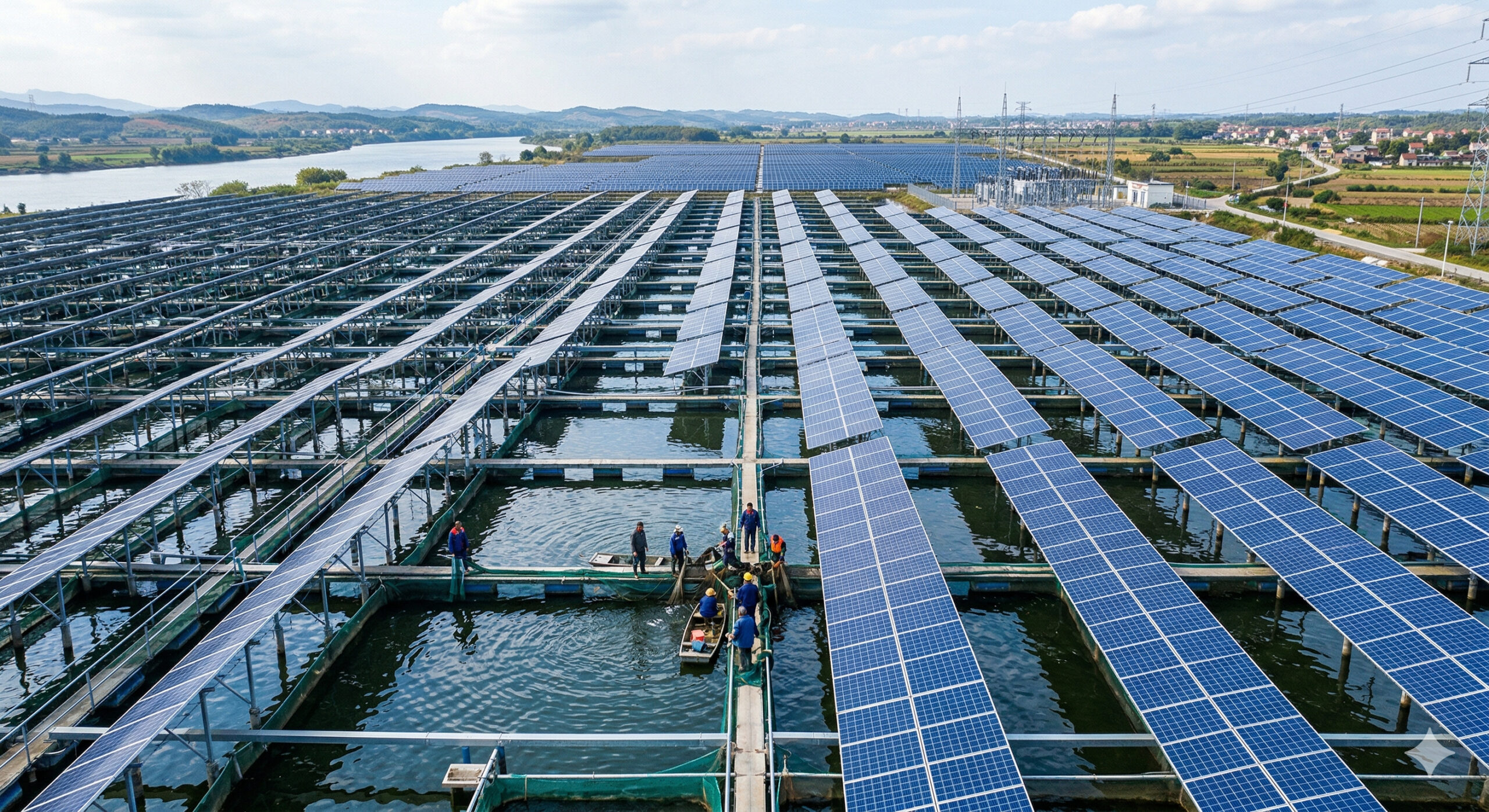
The ability to contract renewable energy is one of the biggest attractions of the Free Market. Companies can opt for sources such as solar, wind, biomass, and small hydropower plants, all with proven backing and recognized certifications.
Renewable energy has ceased to be just an environmental commitment and has become an economic decision. Brazil has one of the cleanest electricity matrices in the world, ensuring an abundant and competitive supply of these sources.
By contracting clean energy, companies reduce carbon emissions, strengthen ESG reports, and meet the demands of investors, customers, and global supply chains.
Free Market, Financial Predictability And Contractual Freedom
In the Free Market, companies gain the freedom to structure contracts aligned with their consumption profile. This includes longer terms, adjustable volumes, and fixed prices, reducing exposure to the volatility of the electricity sector.
This financial predictability is one of the biggest gains of the model. With stable energy costs, companies are able to plan investments, expansion, and product pricing with greater security. Furthermore, well-structured contracts help to avoid waste, improve energy efficiency, and strengthen corporate governance.

Business Competitiveness And Reduction Of Electricity Expenses
The reduction of electricity expenses directly impacts competitiveness. In the Free Market, energy is treated as a strategic input, influencing operational margins and financial results.
Companies that reduce energy costs gain a real competitive advantage, especially in energy-intensive sectors such as industry, agribusiness, logistics, retail, and services. This movement explains why organizations that adopt the Free Market tend to show greater financial resilience in challenging economic scenarios.
Growth Of The Free Market For Renewable Energy In Brazil
The advancement of the Free Market accompanies regulatory changes and the maturation of energy management in the country. ANEEL and the Ministry of Mines and Energy have been gradually expanding access to the model, encouraging competition and efficiency.
Currently, thousands of consumers already operate in this environment, and the trend is for continuous expansion. Official data shows that the participation of renewable energy in the Free Market grows year after year, reinforcing Brazil’s leading role in the energy transition. The Brazilian electricity sector is undergoing a structural transformation, where the freedom of choice replaces the rigid models of the past.
Cost Economy And Strategic Energy Management
The cost economy in the Free Market goes beyond energy prices. It involves predictability, risk control, and greater operational efficiency. Companies that closely monitor their energy consumption can adjust contracts, avoid waste, and align energy with business strategy. This transforms the electricity bill into a management tool, rather than just a monthly obligation. This new perspective on energy explains why the Free Market has been adopted by companies of various sizes and sectors.
Renewable Energy And Strengthening Corporate Image
Contracting renewable energy in the Free Market also strengthens companies’ reputation. Consumers and partners value brands committed to sustainability and environmental responsibility.
Sustainability has ceased to be rhetoric and has become a decision criterion. Companies aligned with ESG practices tend to have better access to credit, better commercial conditions, and greater acceptance in international markets. Furthermore, anticipating environmental requirements reduces future regulatory risks.
The Future Of Strategic Energy In Brazil
The growth of the Free Market for renewable energy shows that Brazilian companies are adopting a more strategic view of energy consumption. The combination of cost savings, financial predictability, contractual freedom, and sustainability makes this model increasingly attractive.
Electricity has ceased to be merely an inevitable expense and has become a competitive differential. Based on real data, regulatory evolution, and market maturity, the trend is that the Free Market will continue to expand in the coming years.
For companies looking to reduce electricity expenses, strengthen environmental commitments, and increase competitiveness, the Free Market consolidates as one of the most relevant decisions in the current Brazilian energy landscape.








Seja o primeiro a reagir!