





 Portuguese
  English
  Spanish
  3 min of reading
  0 comments



New Government Decision Unlocks Pre-Salt Areas and Promises to Accelerate Oil Exploration in the Campos, Santos, and Espírito Santo Basins.
The oil sector in Brazil has just entered a new phase. A decision made by the federal government promises to change the pace of exploration in the pre-salt.
From now on, large areas are already cleared to enter exploration bids without needing to go through environmental analyses block by block.
This changes the game for companies and also for the country itself. After all, less bureaucracy means more speed. And more speed means more drilling, more production, and more competition for Brazilian oil.
-
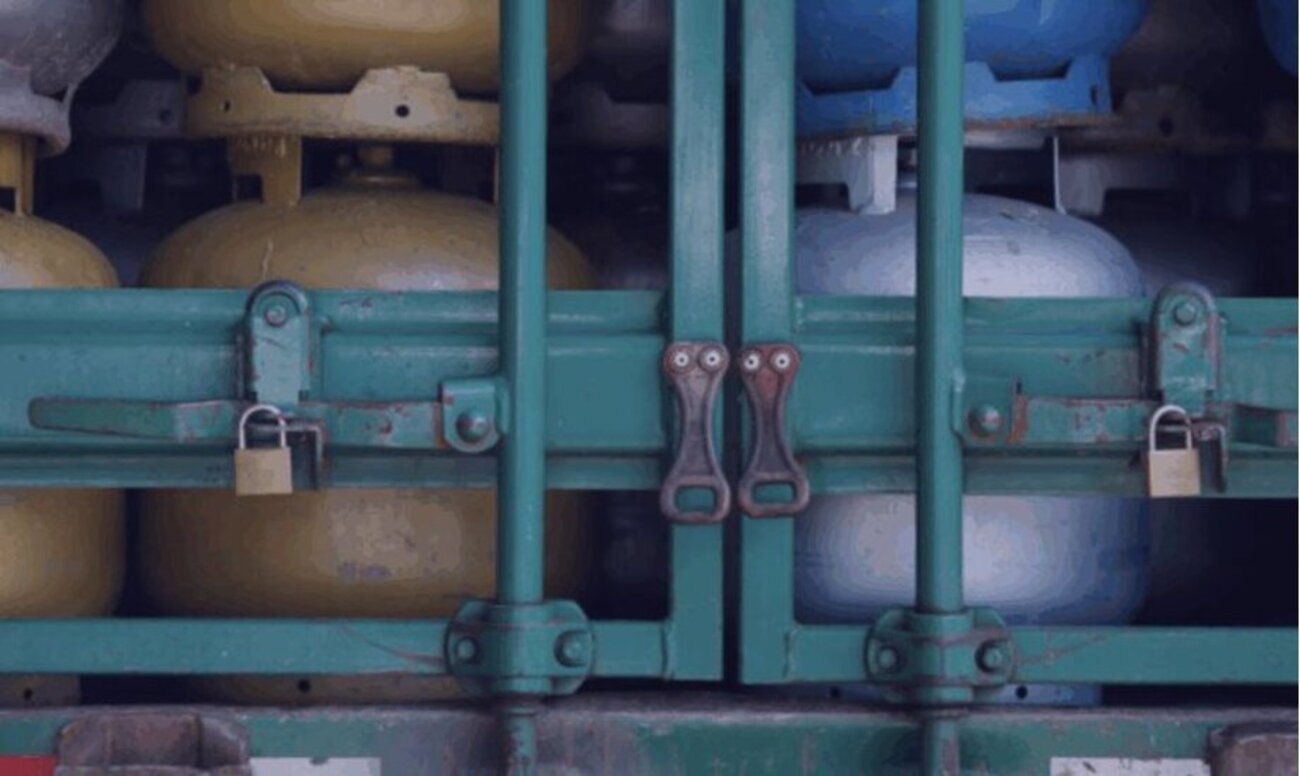
Petrobras evaluates suspension of sales to distributors and considers canceling the cooking gas auction following guidelines from the Federal Government.
-
Lula reveals a masterstroke by Petrobras to undo a deal made by Bolsonaro, which involves the return of an important refinery that currently produces less than half of what was expected and makes Brazil dependent on international diesel.

-
A study confirms that the natural gas sector will reduce greenhouse gas emissions in Brazil by 0.5% and accelerate the energy transition by 2026.

-
Petrobras implements a severe adjustment and confirms a 55% increase in the price of aviation kerosene with a proposal for installment payments for the companies.

Entire Pre-Salt Areas Receive Early Environmental Approval
On Tuesday, February 11, 2026, the Ministries of the Environment and Mining and Energy released a joint statement that authorizes the inclusion of oil blocks in large areas of the Campos, Santos, and Espírito Santo basins.
These regions cover a significant part of the pre-salt. Until now, each block required a separate environmental analysis. The process was slower. Now, a large continuous area has received approval in advance.
In practice, this reduces deadlines. Additionally, it increases predictability for companies looking to invest in Brazilian oil.
The measure directly impacts the OPC and OPP, two models used in ANP auctions.
With the new environmental approval, already approved blocks can be included quickly. Additionally, new blocks can also enter the bids with much more agility.
Therefore, the ANP itself is already working to update the bids and increase the number of areas available for oil and gas exploration.
This movement increases supply and boosts competition among domestic and foreign companies.
Difference Between OPC and OPP Changes Who Gets the Oil
In the Permanent Concession Offer, the winning company assumes all risks. If it finds oil, it becomes the owner of the extracted oil. In exchange, it pays signing bonuses, royalties, and, in some cases, special participation to the Union.
In the Permanent Sharing Offer, mainly used in the pre-salt, the logic is different. The oil belongs to the Union. The company invests, takes the risks, and if successful, receives only a portion of the production. The other portion, called Union oil, remains with the government, along with royalties and bonuses.
This makes the pre-salt even more strategic for the country.


According to the interministerial ordinance, the joint statements indicate which areas can be offered with environmental safety. They consider restrictions, protected areas, and the potential for oil.
With this, the government aims to reduce uncertainties. At the same time, it wants to attract more investments.
The initiative is seen as a regulatory milestone. This is because it strengthens legal security, increases transparency, and brings more predictability to the auctions.









Seja o primeiro a reagir!