





 Portuguese
  English
  Spanish
  5 min of reading
  0 comments



Understand How the Biodiesel Industry Joins the AliançaBiodiesel, Led by Aprobio and Abiove, to Strengthen Dialogue with the Government, Advocate for the Advancement of Mandatory Blending, and Enhance the Competitiveness of the Sector in Brazil and Abroad.
The Brazilian biodiesel industry has decided to advance its institutional organization by creating the AliançaBiodiesel, a joint initiative of the Brazilian Association of Biofuels Producers and the Brazilian Association of Vegetable Oil Industries. According to an article published by Globo Rural and other outlets this Tuesday (3), the central objective is to strengthen the coordination with the federal government and regulatory agencies, in addition to enhancing the competitiveness of biodiesel both in the domestic market and in the international arena.
The formalization of the alliance occurs at a strategic moment. The Future Fuel Law establishes a progressive increase in the mandatory blending of biodiesel with diesel between 2025 and 2030, with a growth of one percentage point per year until reaching 20% in 2030. However, currently, the blend is fixed at 15%, below the schedule that anticipated 16% since March 1st.
Industry and AliançaBiodiesel Structure New Front for Articulation with Government
In light of this scenario, the AliançaBiodiesel emerges as a coordinated response from the industry, seeking regulatory predictability, legal security, and qualified technical dialogue with the government and the National Agency of Petroleum, Natural Gas and Biofuels.
-
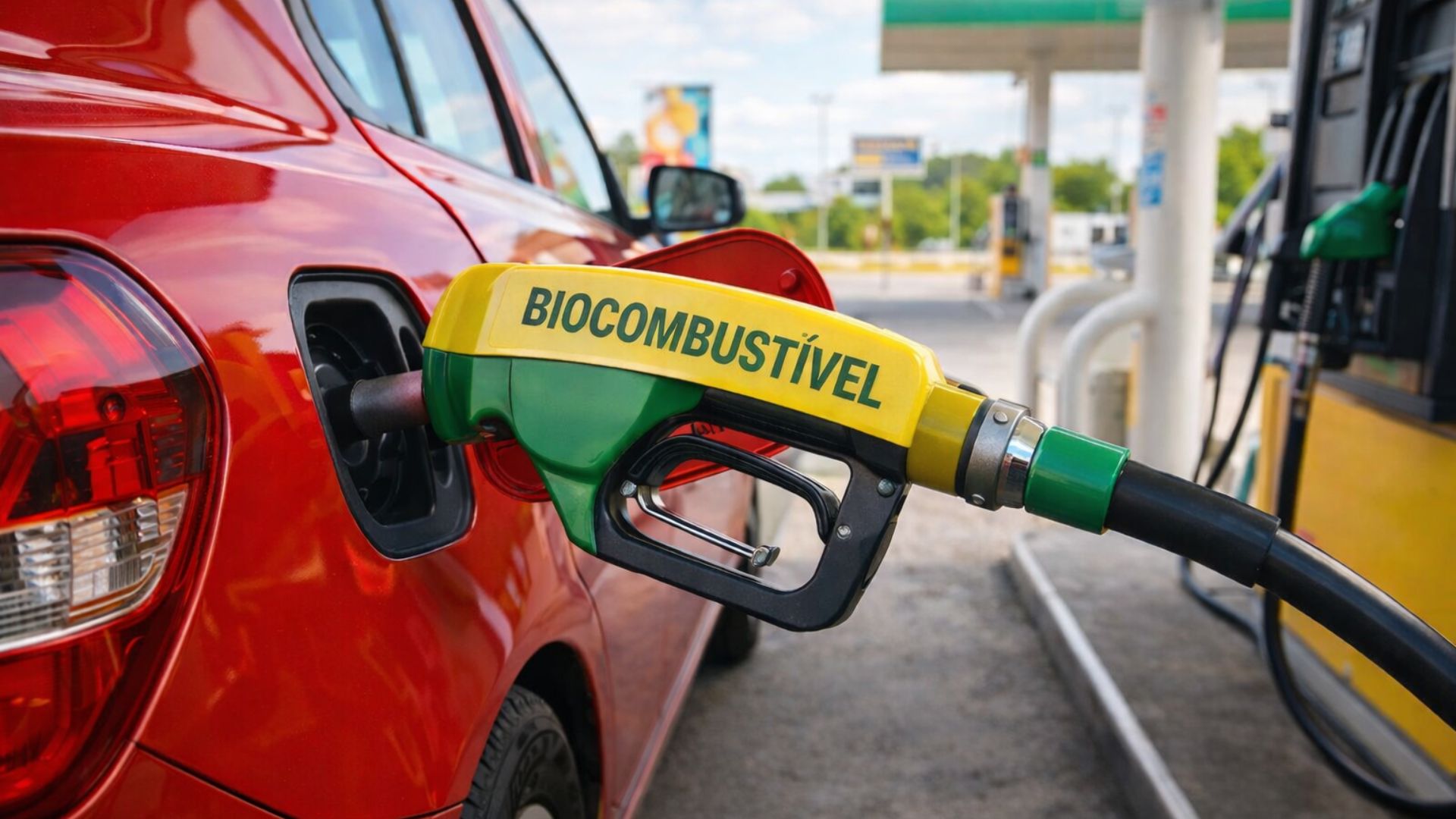
Brazil accelerates hydrogen and biofuel projects to consolidate the fuel of the future and reduce dependence on oil by 2026.

-
CNPE strengthens policy and prevents imported biodiesel from being mixed with diesel, aiming to strengthen the Brazilian industry and protect jobs by reducing external dependence amid tensions in the global market.
-
Revolution in public transport: Goiânia puts into circulation the first articulated buses powered by biomethane in Brazil and promises to drastically reduce pollution on the Anhanguera Corridor.

-
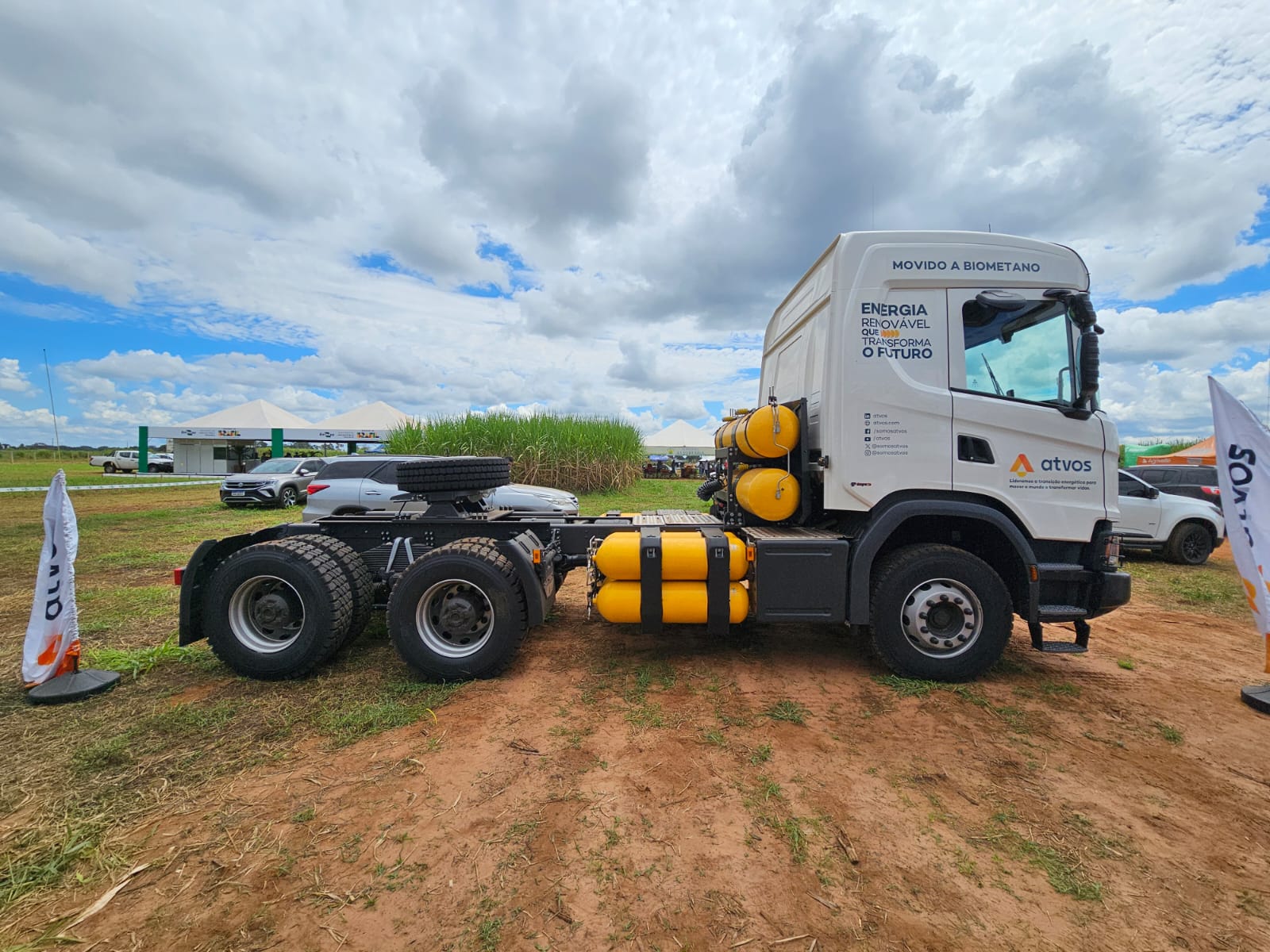
From the field to the pipelines: Mato Grosso do Sul accelerates the energy transition and consolidates a new axis in renewable energy with the arrival of a giant biogas plant.

The creation of the AliançaBiodiesel was approved by both entities on February 26. The official launch is scheduled for March 25, in Brasília, with the presence of entrepreneurs, parliamentarians, representatives from the Executive, and market players.
The initiative reflects a shared perception within the industry that the moment requires a more robust institutional coordination. Aprobio, which represents biodiesel producers, and Abiove, which includes companies in the vegetable oil sector, decided to align agendas and positions.
By unifying efforts, the AliançaBiodiesel seeks to enhance dialogue with the government, advocate for the implementation of legally established policies, and strengthen the sector’s position in regulatory and technical debates. The expectation is that joint action will expand institutional influence and reduce communication noise with authorities and the market.
Future Fuel Law Pressures Industry, Aprobio and Abiove to Act in a Coordinated Manner
The Future Fuel Law stipulates that the blend of biodiesel to diesel will progressively increase between 2025 and 2030, by one percentage point per year, until reaching 20% in 2030. This schedule is considered essential by the industry to ensure predictability and investment stability.
Currently, the percentage stands at 15%, while the plan was for 16% since March 1st. This lag reinforces the need for ongoing articulation with the government and regulators.
For Aprobio and Abiove, the consolidation of the AliançaBiodiesel allows for a more structured defense of compliance with the legal calendar. The sector understands that frequent changes in mandatory blending impact contracts, agricultural planning, industrial capacity, and logistics.
Regulatory predictability is deemed an indispensable condition for the continuity of investments. The industry operates with adjusted margins and relies on clear signals from the government to expand or modernize production plants.

Quality as a Central Value of AliançaBiodiesel in Dialogue with Government and Market
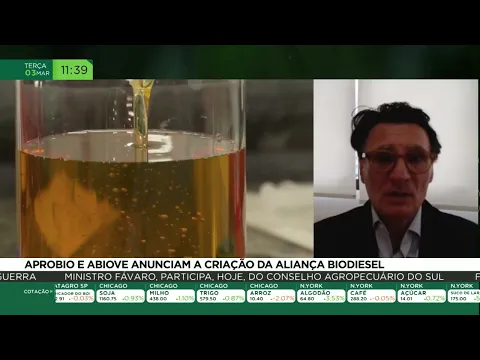
In addition to defending the legal schedule, the AliançaBiodiesel will also work to improve the relationship with the consumer market and consolidate product quality. According to Jerônimo Goergen, president of Aprobio, quality is treated as an absolute priority and should guide dialogue with all sector interlocutors.
The industry acknowledges that expanding the blend to higher levels requires technical trust. The biodiesel sold in Brazil follows specifications defined by the ANP, which establishes strict control parameters.
The coordinated action between Aprobio and Abiove is likely to strengthen good industrial practices, standardization of processes, and transparency in communication. For the government, this signaling is relevant as it demonstrates commitment to energy security and operational performance. By prioritizing quality, the AliançaBiodiesel also seeks to enhance the sector’s credibility with distributors, transporters, and end consumers.
Competitiveness of the Industry in Domestic and International Markets Gains New Momentum
Brazil is one of the largest producers and consumers of biodiesel in the world. National production exceeds 6 billion liters annually, according to data released by the ANP, consolidating the country as a reference in biofuels.
In this context, the industry believes that the AliançaBiodiesel can help strengthen the competitiveness of Brazilian products. In the domestic market, complying with the schedule up to 20% in 2030 represents a gradual increase in demand and predictability of consumption.
In the international market, the potential for expansion depends on trade agreements, recognition of sustainability criteria, and regulatory alignment. The joint articulation between Aprobio and Abiove allows the sector to present unified positions to the government, especially in international negotiations.
The biodiesel production chain involves everything from processing oilseeds to industrial transformation. Abiove represents companies responsible for a significant portion of soybean crushing and vegetable oil production, while Aprobio encompasses biodiesel plants. The institutional integration via AliançaBiodiesel strengthens this strategic connection.
Government and Industry Facing Regulatory and Environmental Challenges
The energy transition has increased the relevance of biofuels in public policies. The Brazilian government has adopted legal instruments to stimulate renewable sources, and biodiesel occupies a central position in this strategy.
For the industry, technical dialogue with the public authority is essential. Issues such as sustainability criteria, traceability of raw materials, and emission assessments need to be addressed based on data and evidence.
The AliançaBiodiesel emerges as a structured channel for this debate. The union between Aprobio and Abiove broadens the capacity for technical formulation and strengthens dialogue with ministries, parliamentarians, and regulatory agencies.
From an environmental perspective, biodiesel is recognized for contributing to the reduction of greenhouse gas emissions when compared to fossil diesel, considering life cycle methodologies adopted in national public policies. This attribute is often highlighted in discussions about increasing the blend.
AliançaBiodiesel Redefines the Role of the Industry in the Sector
The creation of the AliançaBiodiesel signals a new phase of institutional maturity for the industry. By formalizing a joint front between Aprobio and Abiove, the sector demonstrates an intention to act in a more coordinated, technical, and strategic manner.
The official launch on March 25, in Brasília, with the participation of entrepreneurs, parliamentarians, and representatives from the Executive, reinforces the political dimension of the initiative. The goal is not only to defend specific interests but to build a structuring agenda for the future of biodiesel.
The expectation is that the AliançaBiodiesel will help ensure compliance with the gradual increase of the blend from 15% to 20% by 2030, as provided for in the Future Fuel Law. At the same time, it aims to strengthen the image of Brazilian biodiesel as a competitive, reliable product aligned with energy transition goals.
In a complex and constantly evolving regulatory environment, the coordination between industry, government, Aprobio, and Abiove tends to be decisive in consolidating Brazil as a global protagonist in the biofuels segment.









Seja o primeiro a reagir!