





 Portuguese
  English
  Spanish
 5 min of reading
  0 comments


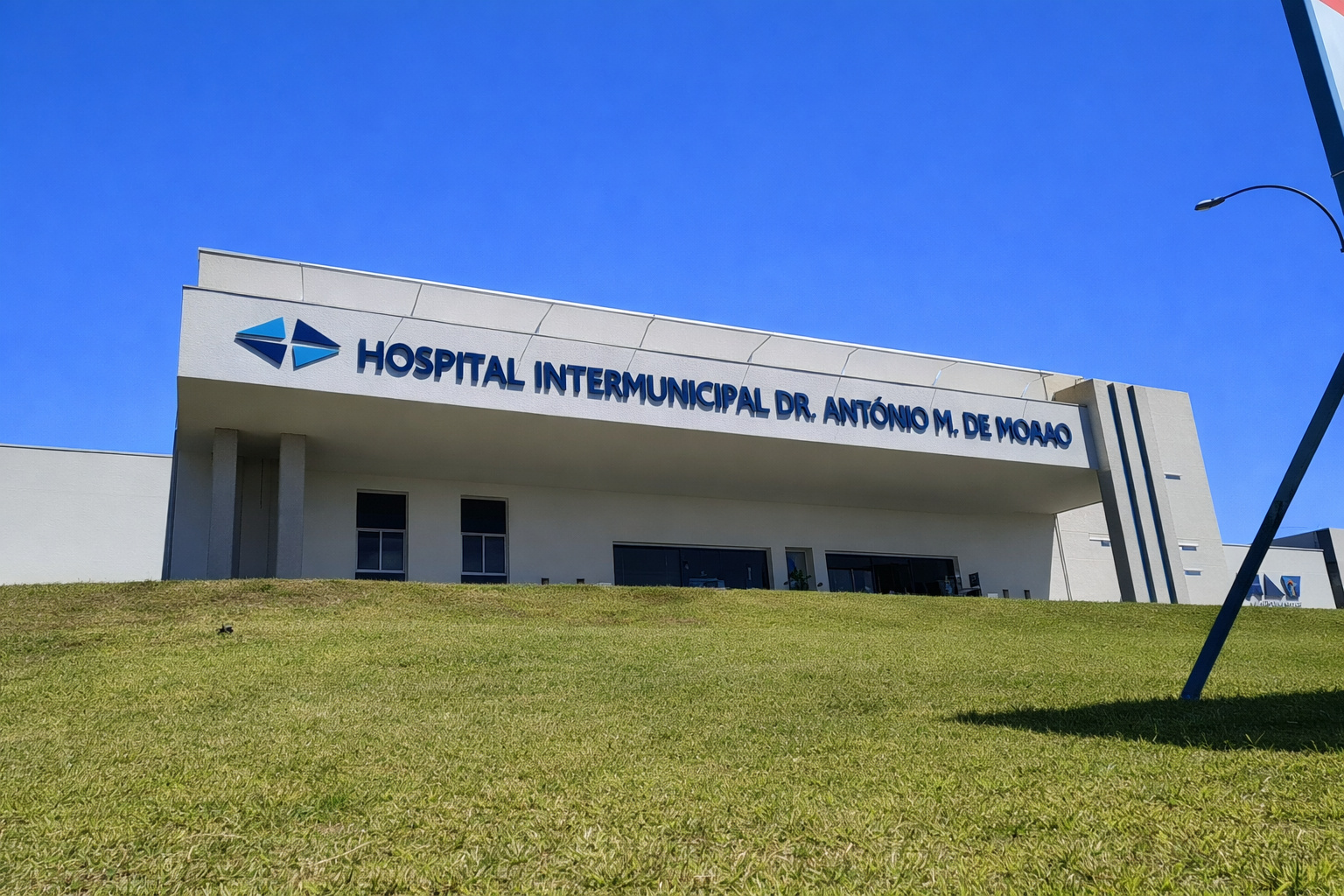
Implementation of Solar Plant at Intermunicipal Hospital Will Have Investment of Up to R$ 2 Million and Promises Significant Savings
The implementation of a solar plant at the Intermunicipal Hospital will receive an investment of up to R$ 2 million from Itaipu Binational and is expected to significantly reduce the hospital’s electricity expenses. The project plans to install a photovoltaic system capable of generating part of the energy consumed by the hospital, ensuring greater efficiency and sustainability.
The investment is part of actions aimed at strengthening public infrastructure and promoting renewable energy. Furthermore, the initiative may expand the unit’s service capacity, as the savings obtained from the electricity bill can be directed towards improvements in infrastructure and services.
In this context, the implementation of the solar plant represents a strategic advance for the regional health sector, which faces constant challenges related to high operational costs.
-
Seagri’s headquarters invests in solar energy with Neoenergia Coelba and promises to cut electricity costs, highlighting a strategic advance in sustainability and energy efficiency within state public administration.

-
Solar Pyramid draws attention by converting solar energy into million-dollar savings and repositioning the City Hall of Curitiba as an example of innovation, sustainability, and intelligent use of public resources.

-
Europe records strong euro economy with solar energy in March and sparks curiosity about which country leads growth that redefines the energy market and reduces costs.

-
Piauí reaches a historic milestone in energy transition: State records nearly 160,000 households powered by solar energy and leads growth in the Northeast.
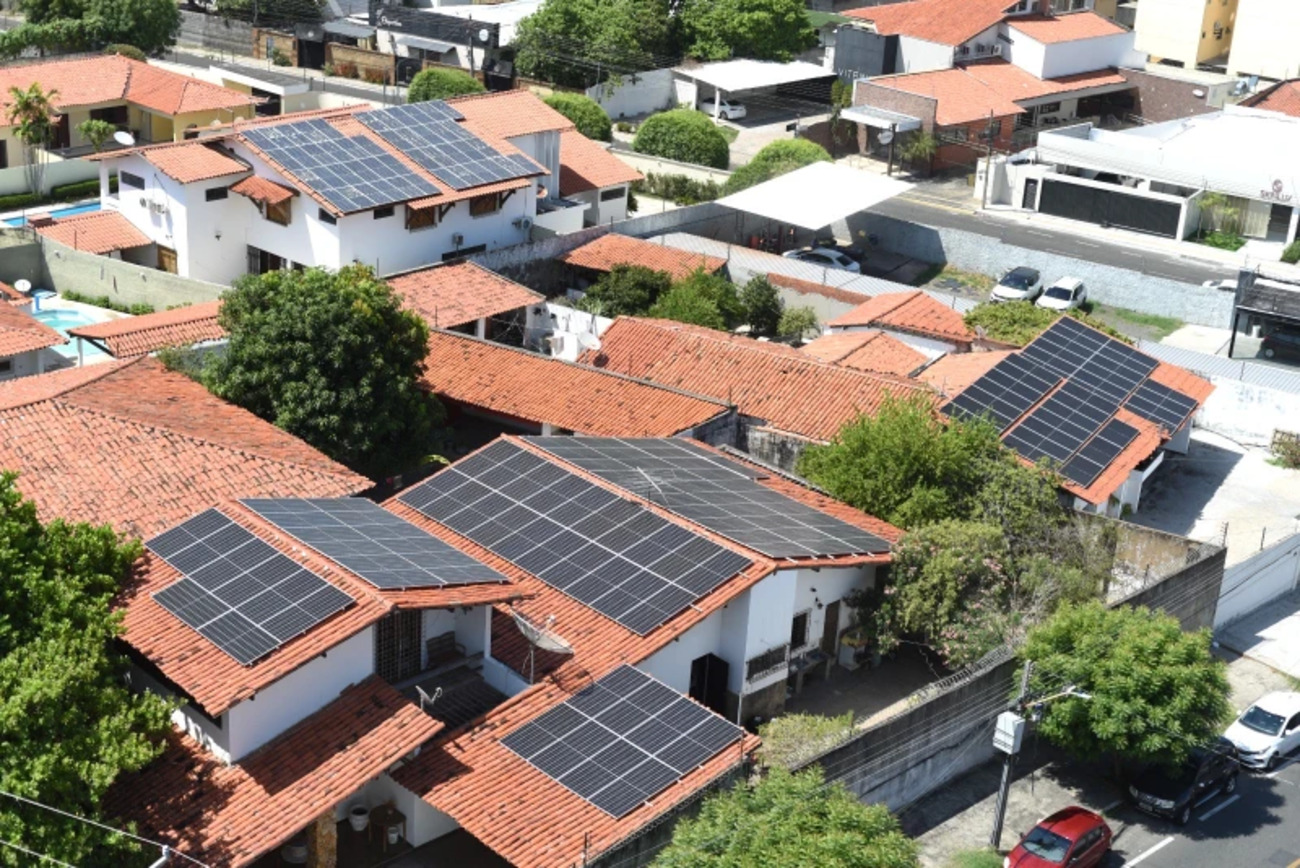
How the Implementation of the Solar Plant at the Hospital Will Work
The project plans to install photovoltaic panels in a suitable area of the hospital complex. These devices will capture sunlight and convert radiation into electricity through inverters.
Additionally, the system will need to connect to the conventional power grid. This way, the hospital can use the energy generated during the day and offset credits when there is excess production.
The implementation of the solar plant will allow the unit to reduce its dependence on the local utility company, especially during peak consumption times. Thus, savings are expected to become permanent over the years.
Meanwhile, Itaipu Binational reinforces its role in socio-environmental projects and energy efficiency in municipalities in the region.
Cost Reduction and Direct Impact on Service
Hospitals operate 24 hours a day and maintain high-complexity equipment in constant operation. Therefore, the electricity bill represents a significant portion of the monthly expenses.
With the implementation of the solar plant, the Intermunicipal Hospital may reduce fixed costs and direct resources to priority areas, such as acquiring medical equipment and increasing bed capacity.
Moreover, savings on electricity strengthens the financial planning of the institution. Thus, managers gain greater budgetary predictability.
At the same time, the initiative reduces pressure on public coffers, as the hospital serves several municipalities in the region.
Sustainability in the Health Sector with the Implementation of Solar Plants in Hospitals
The implementation of the solar plant also strengthens the environmental agenda in the hospital sector. The generation of clean energy reduces greenhouse gas emissions associated with the consumption of conventional sources.
In this context, hospitals begin to integrate the Brazilian energy transition. Additionally, the adoption of renewable energy strengthens the institutional image of the unit in the community.
Sustainability has become a priority in public projects. Therefore, the partnership with Itaipu Binational expands the reach of initiatives that combine savings and environmental responsibility.
Meanwhile, other health institutions observe the model as a reference for future similar actions.
Role of Itaipu Binational in the Investment
Itaipu Binational has historically worked on regional development projects. The company directs part of its investments towards structural actions in municipalities close to the power plant’s area of influence.
In this scenario, the implementation of the solar plant at the Intermunicipal Hospital reinforces the commitment to energy efficiency and sustainable development.
Additionally, Itaipu expands its role beyond hydropower generation. The company invests in solar energy projects, electric mobility, and environmental preservation.
Thus, the investment of up to R$ 2 million represents more than a financial investment. It consolidates a strategy for diversification and support for public policies.
Solar Energy and National Trend
Brazil has seen continuous growth in solar energy generation in recent years. The technology has become more accessible and competitive.
In this context, the implementation of solar plants in public buildings is expanding in different states. Schools, hospitals, and administrative buildings are adopting photovoltaic systems to lower costs.
Additionally, the drop in equipment prices drives new projects. The expansion of the market also stimulates job creation in the renewable energy sector.
Thus, the Intermunicipal Hospital follows a national trend that combines savings and sustainability.
Benefits for the Served Municipalities
The Intermunicipal Hospital serves residents of various cities in the region. Therefore, any reduction in operational costs directly impacts the population.
With the implementation of the solar plant, the unit can direct saved resources to improve infrastructure and expand services.
Moreover, the project may encourage other municipalities to seek similar solutions. Savings on electricity becomes a strong argument for new investments in self-generation.
Meanwhile, the region strengthens its image as a hub of innovation in clean energy.
Project Stages and Next Steps
The implementation of the solar plant involves technical stages that include feasibility studies, system sizing, and electrical adaptation.
Additionally, specialized professionals carry out the installation of the panels and inverters. After completion, technicians test the system to ensure efficiency and safety.
In this context, the expectation is that the unit will begin generating part of the consumed energy shortly after the completion of operational stages.
Preventive maintenance also integrates the planning, ensuring continuous performance over the years.
Positive Environmental Impact
The generation of solar energy emits no pollutants during operation. Therefore, the implementation of the solar plant contributes to reducing the carbon footprint of the hospital unit.
Moreover, the project encourages the conscious use of natural resources.
Meanwhile, the population practically observes how investments in clean energy can benefit essential services.
The reduction of costs combined with environmental preservation strengthens the concept of sustainable development in practice.
Renewable Energy as a Long-Term Strategy
The implementation of the solar plant at the Intermunicipal Hospital represents a strategic long-term measure. The initial investment translates into continuous savings over the system’s lifespan, which can exceed two decades.
Moreover, the predictability of energy generation strengthens the financial planning of the unit.
In this context, public managers find in solar energy a viable alternative to face the constant increase in electricity rates.
On the other hand, the project also demonstrates that institutional partnerships can accelerate structural solutions.
What Changes Practically for the Population with the Implementation of the Solar Plant
For citizens, the implementation of the solar plant means greater efficiency in public resource management.
Savings on the electricity bill can expand investments in medical equipment, structural renovations, and professional training.
Moreover, the initiative demonstrates that public hospitals can adopt modern and sustainable solutions.
Meanwhile, the partnership with Itaipu reinforces the importance of cooperation between institutions to improve essential services.
The implementation of the solar plant at the Intermunicipal Hospital marks a significant advancement in the integration of sustainability and efficient public management.
With an investment of up to R$ 2 million from Itaipu Binational, the project is expected to reduce costs, increase investment capacity, and contribute to environmental preservation.
Furthermore, the initiative aligns with the national trend of expanding solar energy in public buildings.
In this context, the hospital unit becomes part of a larger movement to modernize public infrastructure, showing that renewable energy can generate a direct and positive impact on people’s lives.









Seja o primeiro a reagir!