





 Portuguese
  English
  Spanish
  3 min of reading
  0 comments



In Brazil, Low-Cost Compacts Are Lacking for Brazilian Families. Today, ‘Popular’ Models Cost at Least 70 Thousand Reais in a Country Where the Minimum Wage Does Not Exceed 1500 Reais. And It Is Not Just About the Price of the Car, but About Fuel Consumption, Mechanics, and Preventive Maintenance. Brands Like Renault, Hyundai, and Nissan Could Bring Compact Models That Are Successful in Europe and Make Them Available Without Inflated Prices.
Low-cost compacts? These vehicles promise not only efficiency and fuel savings, but also bring modern technologies and attractive designs, suitable to meet the contemporary demands of drivers in the country.
The introduction of these compacts to the market would represent a new era for the automotive sector in Brazil, marked by a growing diversity of options that combine accessibility and quality. With features that challenge the stereotype that more affordable cars offer fewer resources, these new models are ready to capture the attention of a consumer base that seeks practicality without compromising the driving experience. This movement is a direct response to the needs of an audience that values both cost-effectiveness and environmental respect.
Renault Kwid 2025 and the Nissan Micra Are Among the Options That Could Transform the Entry Vehicle Scenario in the Country


Models such as the Renault Kwid 2025 and the Nissan Micra are among the options that could transform the entry vehicle scenario in the country. The Renault Kwid, known for its affordability, has been redesigned and now features characteristics such as full LED headlights and a completely revamped interior with modern technologies like a digital dashboard and automatic air conditioning.
-
A French brand placed a car on four huge red balloons to prove that its suspension made the vehicle “float,” and the surreal scene became one of the most iconic and unusual images in automotive history.

-
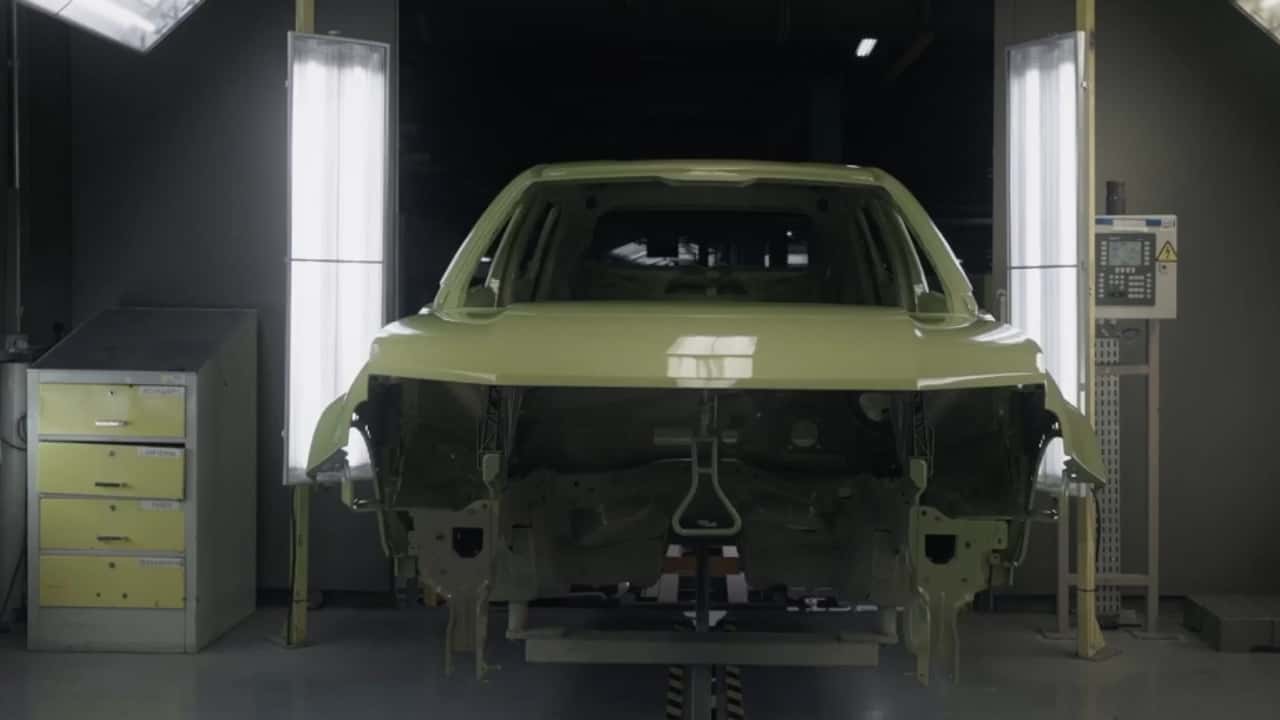
Jeep Avenger begins production in Brazil, debuting as the brand’s new entry-level SUV and inaugurating an unprecedented phase by becoming the first national Jeep manufactured outside of Goiana, as part of a R$ 3 billion plan.
-
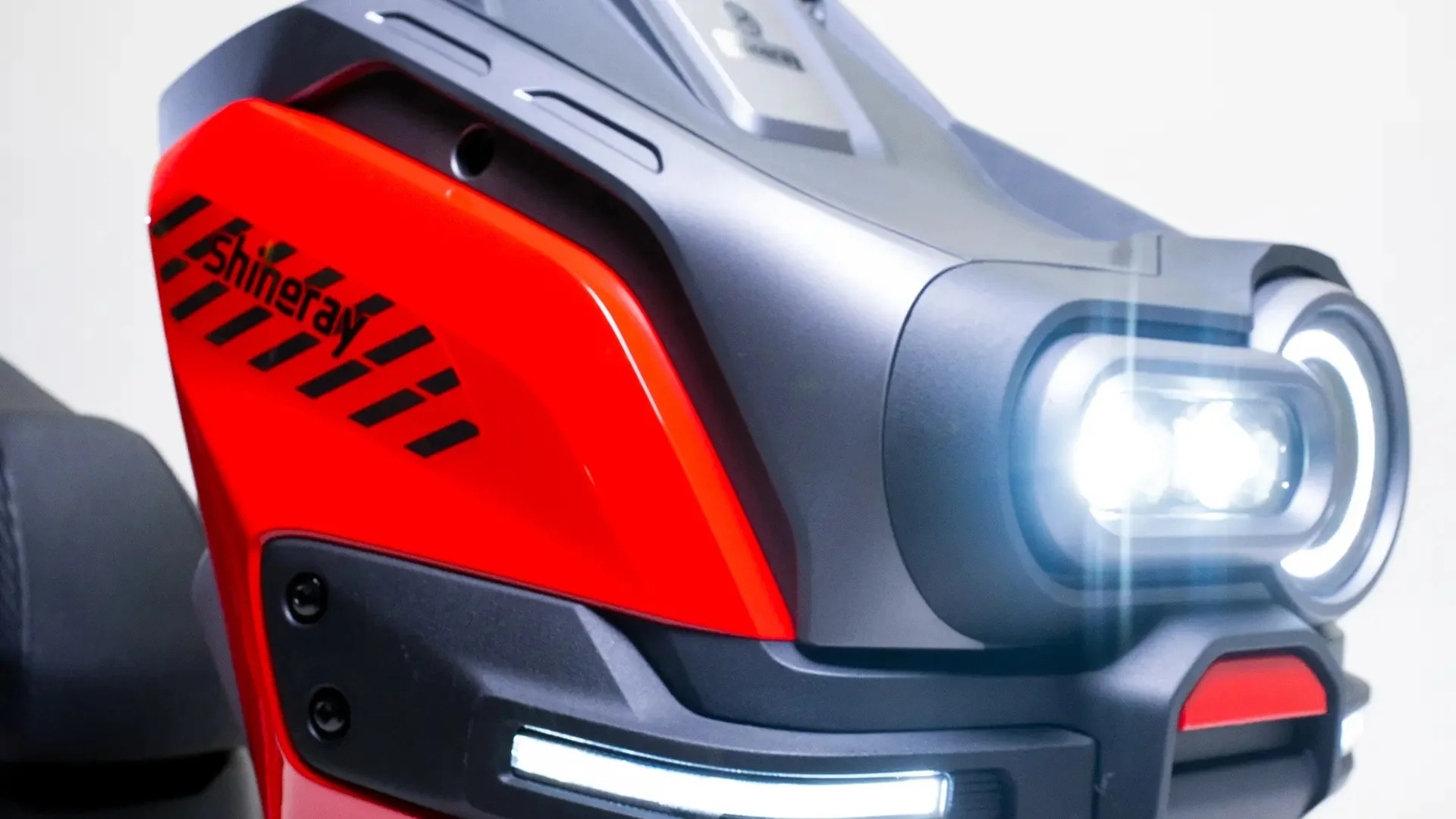
Costing R$ 12,490, the new Shineray Urban Lite 150 “cheap one” arrives in Brazil with a CVT transmission, digital dashboard, and LED lights, making it more affordable than the Biz and targeting those who want to abandon the bus.
-
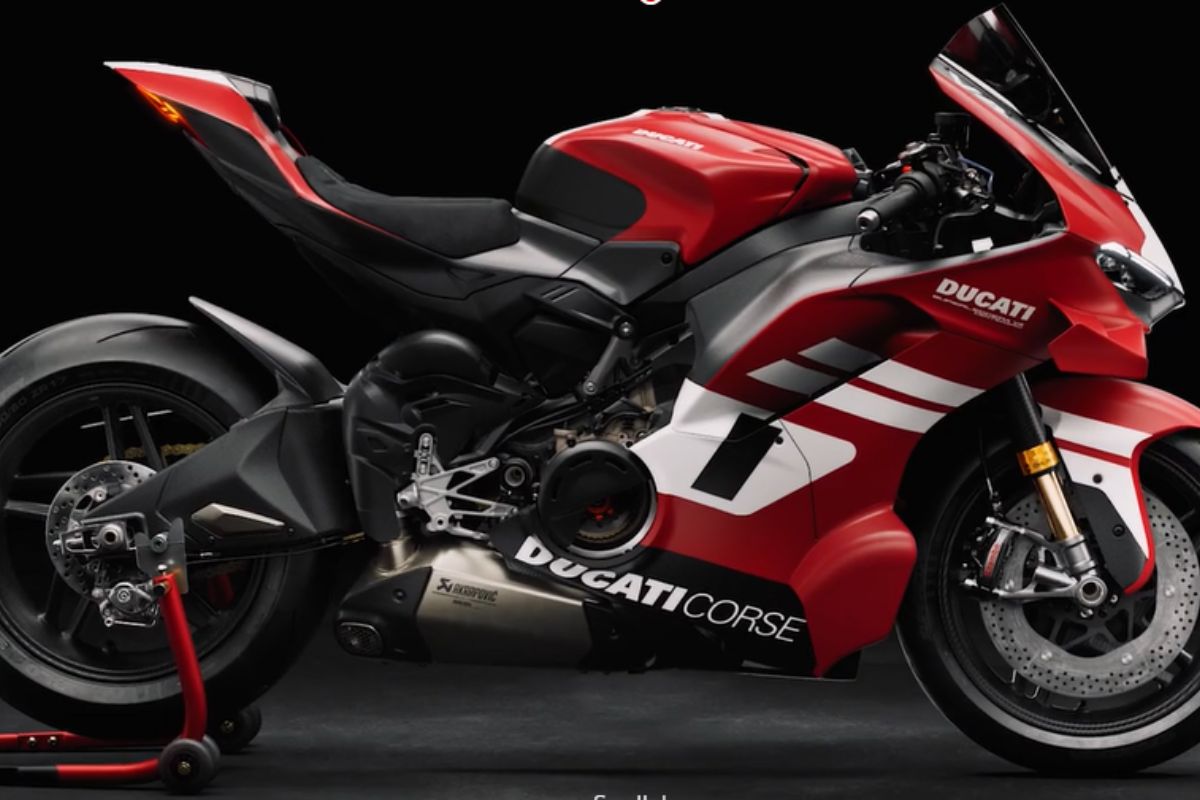
Ducati brings to Brazil the Superleggera V4 Centenario: 228 hp that become 247 with a track kit, carbon fiber and carbon-ceramic brakes, estimated price between R$ 1.5 and 2 million, deliveries only in 2027.

For example, the KWID in Europe, model 2025, is priced at 20 thousand euros, while the minimum wage on the old continent is 1500 euros. In Brazil, the model will cost around 60 thousand reais, where the minimum wage does not reach 1500 reais.
On the other hand, the Nissan Micra, although it has not been planned for the Brazilian market until now, stands out for its attractive design and robust mechanics, including a 1.0 turbo three-cylinder engine that offers an excellent balance between performance and fuel consumption.
Hyundai Venue Also Joins the List as an Attractive Option in the Subcompact SUV Segment
In addition to these, the Hyundai Venue also joins the list as an attractive option in the subcompact SUV segment. With characteristics comparable to the Hyundai Creta, but in a more compact and affordable package, the Venue is particularly suited for the urban market, combining a modern design with a comfortable interior and a comprehensive list of features.
These Low-Cost Compacts Are Positioned to Appeal to a Wide Range of Buyers, From Young People Seeking Their First Car to Families Needing an Economic Vehicle for Daily Use
These vehicles not only represent an economical option for consumers but also reflect a trend towards more sustainable and efficient vehicles, adapted to the needs and conditions of Brazil. With varying prices, these low-cost compacts would be positioned to attract a wide range of buyers, from young people seeking their first car to families needing an economical vehicle for daily use.
As the country continues to develop its infrastructure and economy, the demand for compact and economical vehicles is likely to increase, making these new launches a vital part of the growth of the automotive sector in Brazil.










Seja o primeiro a reagir!