





 Portuguese
  English
  Spanish
  4 min of reading
  0 comments


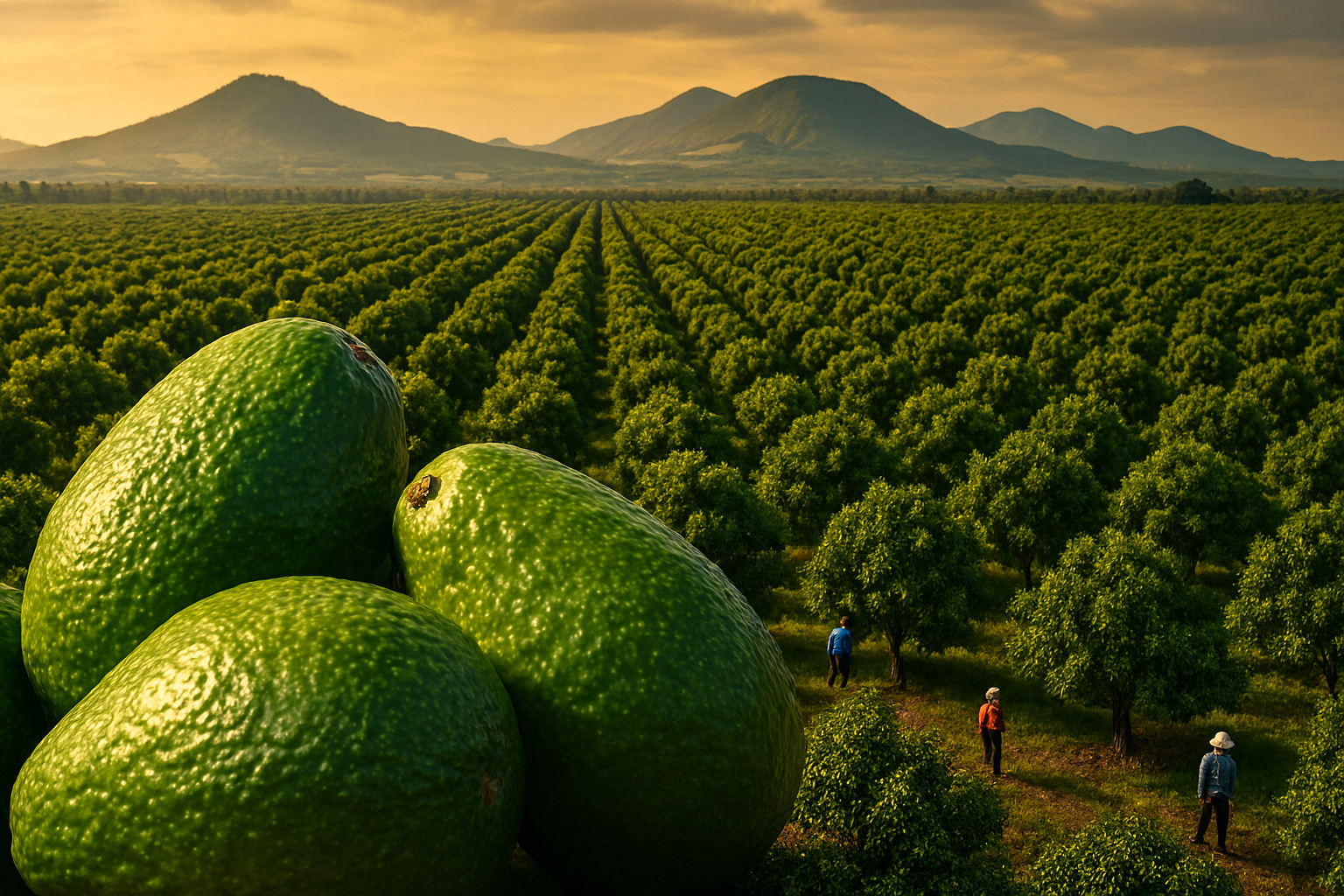
The Michoacán Region in Mexico Concentrates the Largest Avocado Production in the World, with Millions of Tons per Year, Billion-Dollar Exports, and a Highly Technological Agricultural Model.
According to official surveys by the FAO (Food and Agriculture Organization of the United Nations), the USDA (United States Department of Agriculture), and the INEGI (National Institute of Statistics and Geography of Mexico), the Mexican state of Michoacán, located in the country’s northwest, currently concentrates the largest avocado-producing region on the planet. In 2023, the region surpassed 2.4 million tons harvested, occupied around 170,000 cultivated hectares, and accounted for approximately 30% of the world’s total production, with exports exceeding US$ 3 billion, primarily to the United States, Canada, the European Union, and Japan.
Why the State of Michoacán Became the Global Epicenter of Avocado
Michoacán brings together a rare combination of natural, technical, and logistical factors. The region has an average altitude between 1,500 and 2,400 meters, deep volcanic soils, good drainage, and a mild climate throughout the year. This configuration allows for continuous production, something uncommon in other producing regions worldwide, which rely on more limited seasonal windows.
Additionally, Michoacán is the only Mexican state authorized to export fresh avocado to the United States, after phytosanitary agreements established with the USDA and the APHIS (Animal and Plant Health Inspection Service). This authorization was granted due to strict pest control, traceability of production, and quality standards required by the North American market.
-
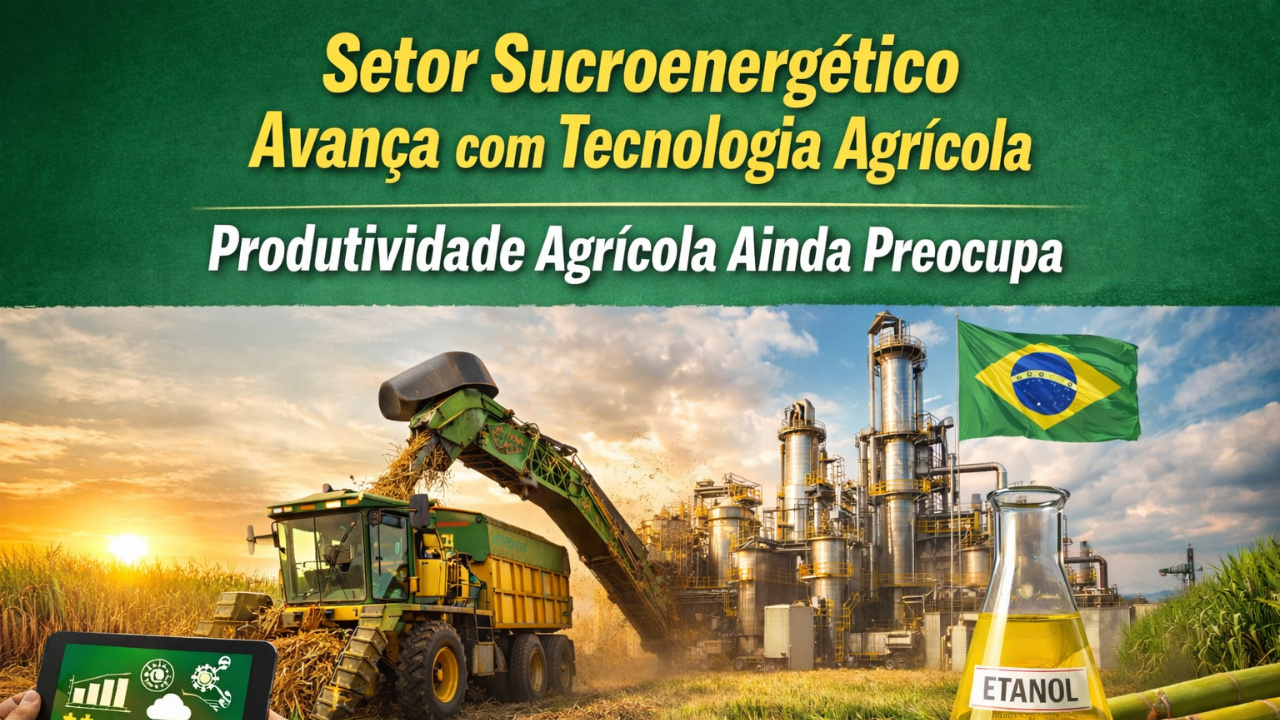
The sugar-energy sector advances with agricultural technology, but agricultural productivity still raises concerns.
-
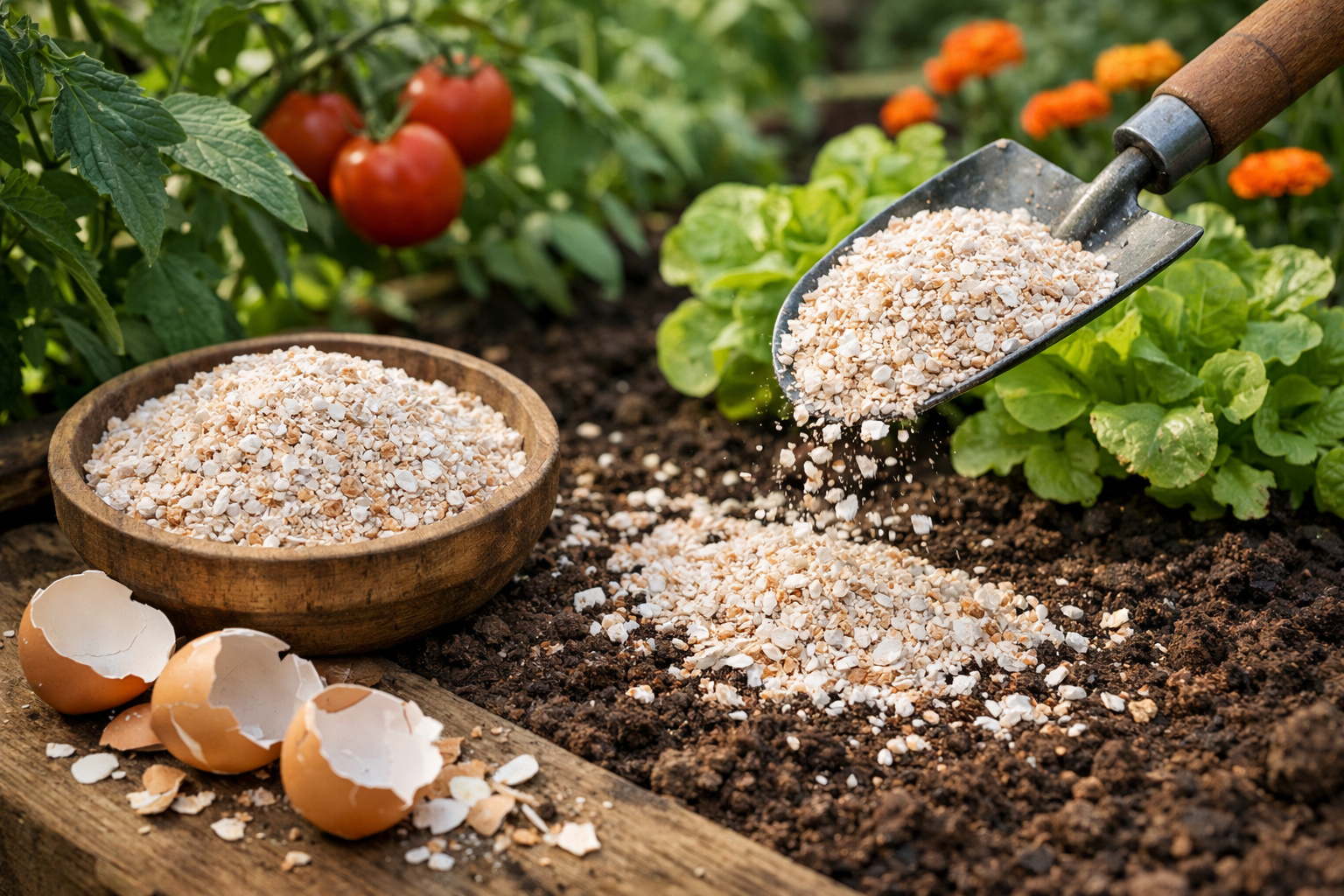
The eggshell that almost everyone throws away is made up of about 95% calcium carbonate and can help enrich the soil when crushed, slowly releasing nutrients and being reused in home gardens and vegetable patches.
-
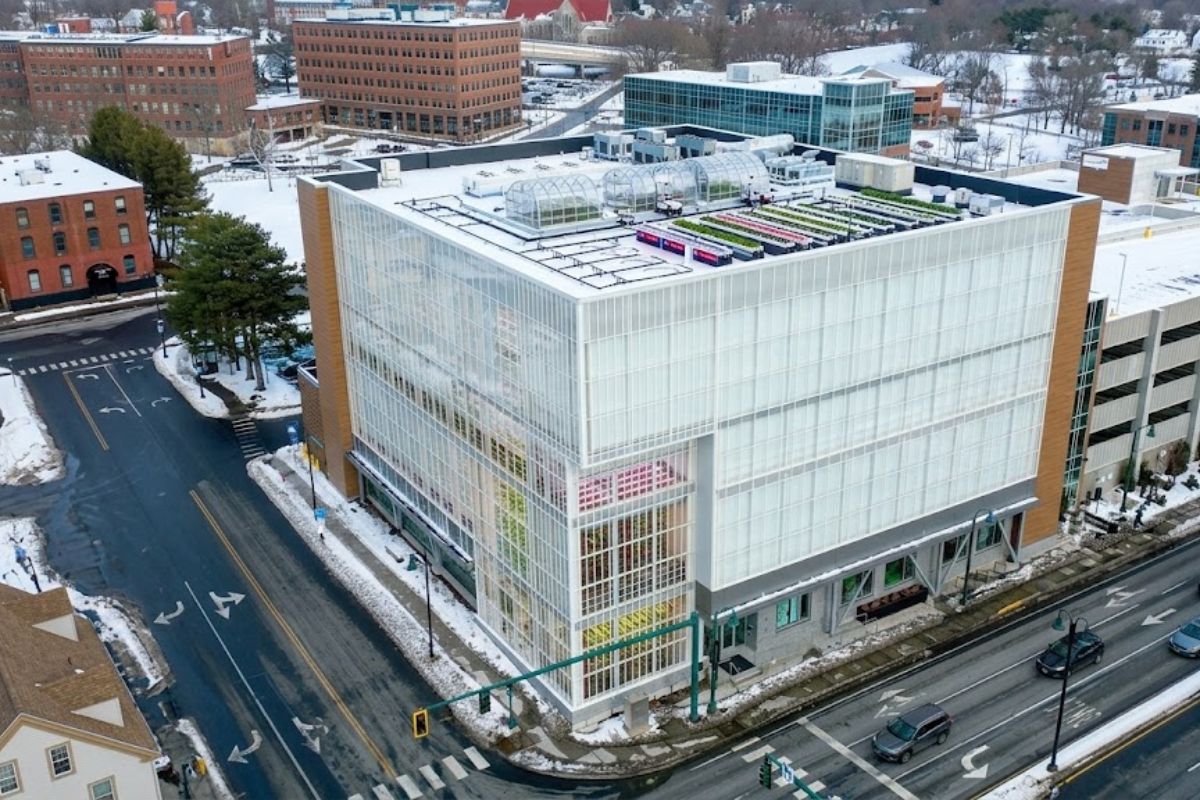
This farm in the United States does not use sunlight, does not use soil, and produces 500 times more food per square meter than traditional agriculture: the secret lies in 42,000 LEDs, hydroponics, and a system that recycles even the heat from the lamps.
-
The water that almost everyone throws away after cooking potatoes carries nutrients released during the preparation and can be reused to help in the development of plants when used correctly at the base of gardens and pots, at no additional cost and without changing the routine.


Today, the state has about 170,000 hectares cultivated with avocado, spread across dozens of producing municipalities, such as Uruapan, Tancítaro, and Peribán, forming a true green belt specializing in a single fruit.
Industrial-Scale Production with Advanced Agricultural Technology
Although avocado cultivation is traditional in Mexico, the current production model in Michoacán is highly technological. Large areas use drip irrigation, soil moisture sensors, climate monitoring, and precise nutritional management, reducing losses and increasing productivity per hectare.
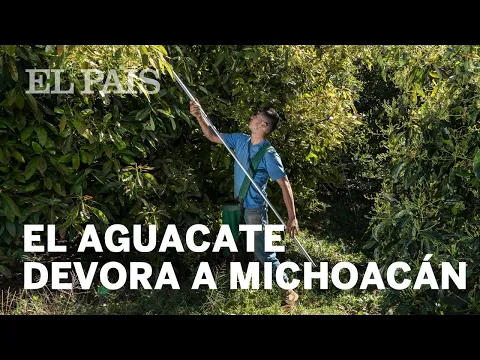

According to technical reports from the Apeam (Association of Producers and Exporters of Avocado in Mexico), the average productivity in well-managed areas can exceed 12 tons per hectare per year, a high number for perennial crops.
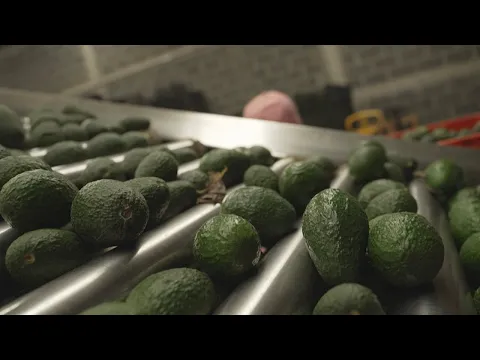
The harvesting is done in a staggered manner throughout the months, allowing for a constant supply to the external market. Subsequently, the fruits go through sorting, washing, selection, and packaging centers, many of which operate in an almost industrial regime, with automated lines and permanent phytosanitary inspection.
A Logistics Chain that Functions as a Global Industry
The success of Mexican avocado is not explained solely by agricultural production. The big differentiator lies in the integrated logistics chain, which connects farms, packing facilities, inspection centers, and refrigerated transport networks.
The majority of the production intended for export travels by refrigerated trucks directly to the United States, crossing the border at specific authorized points. According to the USDA, over 80% of the avocado consumed in the U.S. originates from Mexico, with Michoacán being the standout.
In addition to the United States, Mexican avocado is also exported to Canada, Japan, European Union countries, and the Middle East, requiring refrigerated sea logistics and compliance with international food safety standards.
Billion-Dollar Economic Impact for Mexico
The avocado sector is currently one of the most valuable in Mexican agribusiness. Data from the Bank of Mexico and the Ministry of Economy indicate that the product ranks among the top agricultural export items in the country, surpassing traditional crops in added value.
It is estimated that the avocado chain generates hundreds of thousands of direct and indirect jobs, involving farmers, agricultural workers, logistics operators, technicians, agronomists, and food industry professionals.
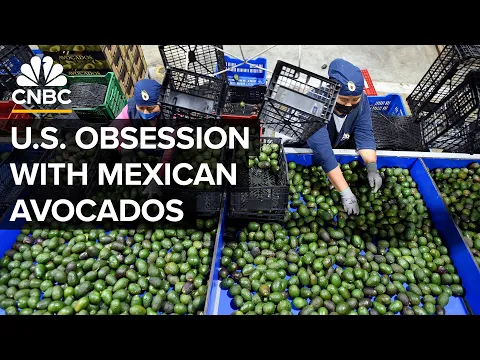
In some municipalities in Michoacán, avocado accounts for more than 60% of local income, profoundly transforming the regional economy and raising living standards in areas previously marked by subsistence agriculture.
The Role of the American Market and Extreme Consumption Events
Avocado consumption in the United States has exploded in recent decades, driven by dietary changes and the popularization of products such as guacamole, salads, and perceived healthier diets.
One of the most symbolic moments in this market is the Super Bowl, when avocado consumption reaches historic peaks. According to data from the USDA, during the event alone, more than 100,000 tons of avocado are consumed, much of it originating from Michoacán.
To meet this demand, producers and exporters plan harvests, logistics, and stocks months in advance, demonstrating the level of industrial coordination that the sector has achieved.
Environmental Challenges and Pressure on Natural Resources
Despite the economic success, the model also faces criticism and environmental challenges. Intensive avocado cultivation requires large volumes of water, raising concerns during drought periods. There are also debates about illegal deforestation, unplanned agricultural expansion, and pressure on local ecosystems.
These issues are monitored by agencies such as the SEMARNAT (Secretariat of Environment and Natural Resources of Mexico) and by international organizations related to agricultural sustainability. In recent years, programs for environmental certification, traceability, and responsible management have been expanded to ensure access to the most demanding markets.
An Agricultural Model that Influences the World
The case of Michoacán has become a global reference. Producing countries such as Peru, Chile, Colombia, and Kenya are studying the Mexican model of integration between production, sanitary certification, and export logistics.
More than just a fruit, avocado has come to represent how an agricultural culture can transform into a national economic engine, connecting small producers to global value chains and moving billions of dollars every year.










-

-

-

-

-

18 pessoas reagiram a isso.