





 Portuguese
  English
  Spanish
  5 min of reading
  0 comments


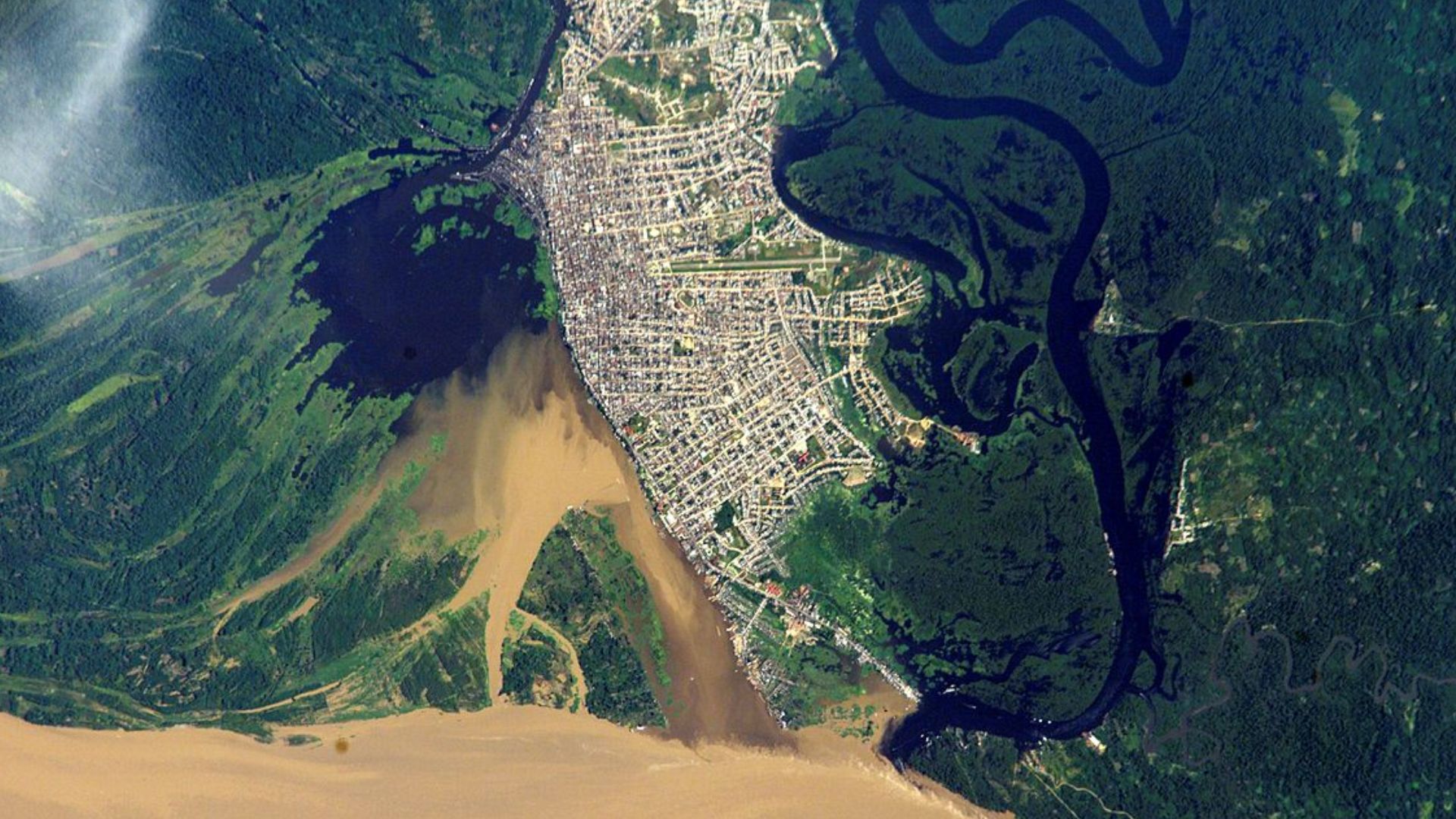
Iquitos, In The Heart Of The Amazon, Defies Urban Logic By Growing Isolated From Roads, Maintaining Pulsating Life And Robust Infrastructure Amid The Forest, Accessible Only By Plane Or Boat.
Iquitos, located in the northeast of Peru, stands out on the global stage as the largest city in the world without any direct land connection to the rest of the country or even to other cities.
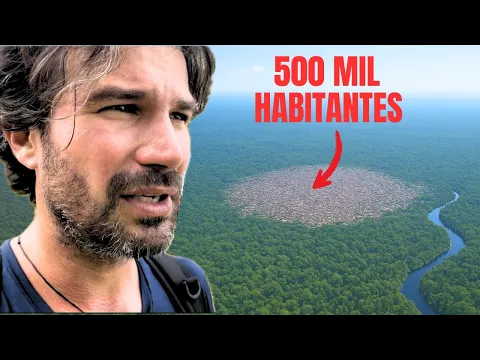
Nestled in the heart of the Amazon rainforest, this metropolis of approximately 500,000 inhabitants impresses not only with its population size but also with the unique logistics that shape the daily lives of its residents and visitors.
Access to Iquitos is only possible by two means: plane or boat.
-
He started running at 66 years old, broke records at 82, and is now a subject of study for having a metabolic age comparable to that of a 20-year-old, in a case that is intriguing scientists and inspiring the world.

-
Oldest tree on the planet reappears after 130 years of searches: Wattieza, 385 million years old, was 10 meters tall and had no leaves or seeds; Gilboa fossils in New York solved the mystery in 2007.

-
A 48-square-meter house assembled in hours with 4,000 bricks made of recycled plastic that does not absorb moisture, has natural thermal insulation, and costs less than 90,000 reais in a complete kit.

-
Luciano Hang revealed that Havan’s air fleet has already accumulated more than 20,000 landings, 10,000 flight hours, and 6 million kilometers traveled, and he says that without the planes, the company would never have grown so quickly.


There are no national roads, interstate highways, or land routes that allow access to the city, making it unique among medium or large urban centers.
Traveling to Iquitos by boat can take several days, depending on the point of origin and conditions of the Amazon rivers.
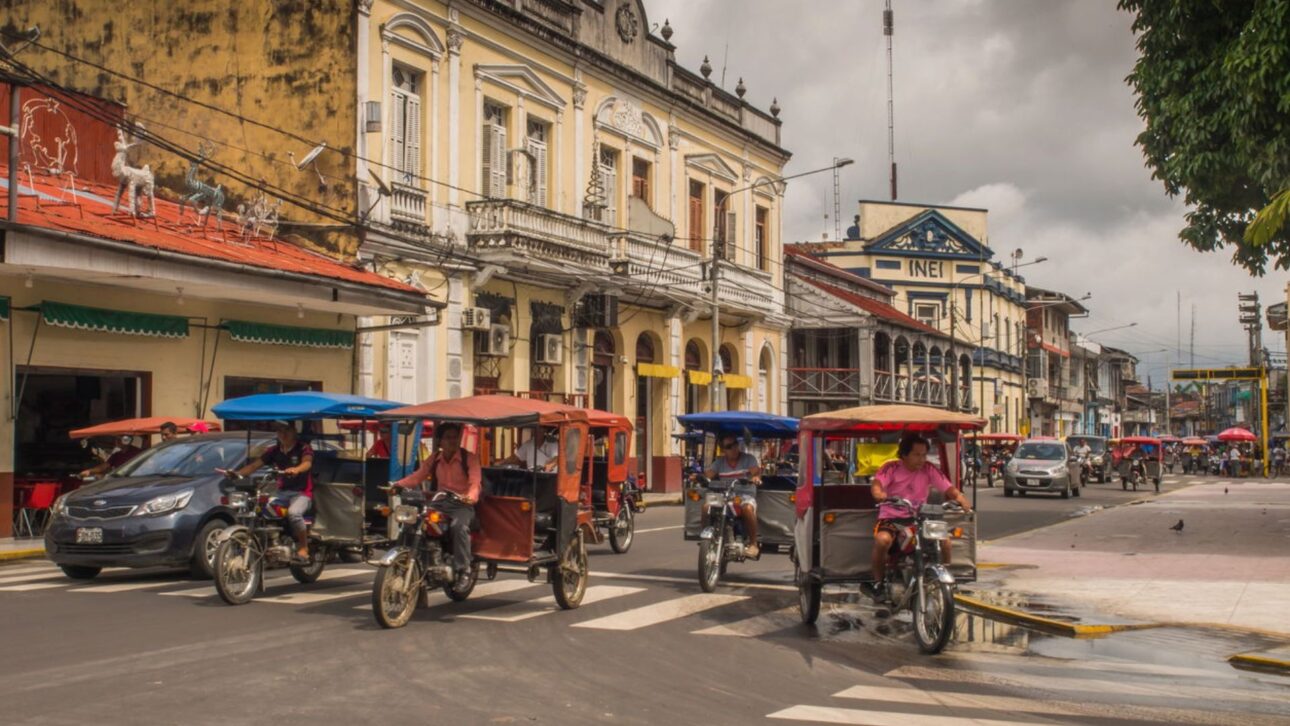
Amazonian City Isolated By Nature
The city is surrounded by a lush natural landscape.
Iquitos is bathed by the Amazon, Nanay, and Itaya rivers, creating a typical tropical jungle setting where nature imposes itself in all aspects of urban life.
Despite a local road known as LO 103 connecting Iquitos to the small town of Nauta, about 100 kilometers to the south, there is no continuation of that route to other regions of Peru.
Thus, this internal road connection does not reduce the city’s geographical isolation from the rest of the country.
Population And Urban Infrastructure
With a population between 465,000 and 500,000 inhabitants, according to updated data in 2025, Iquitos is not a village or remote settlement, but instead a dynamic city with robust urban infrastructure, active commerce, universities, hospitals, and a vibrant cultural life.
Its economy is heavily influenced by ecotourism, thanks to its proximity to primary forest areas and natural reserves, and by river trade, essential for supplying basic goods and consumer products.
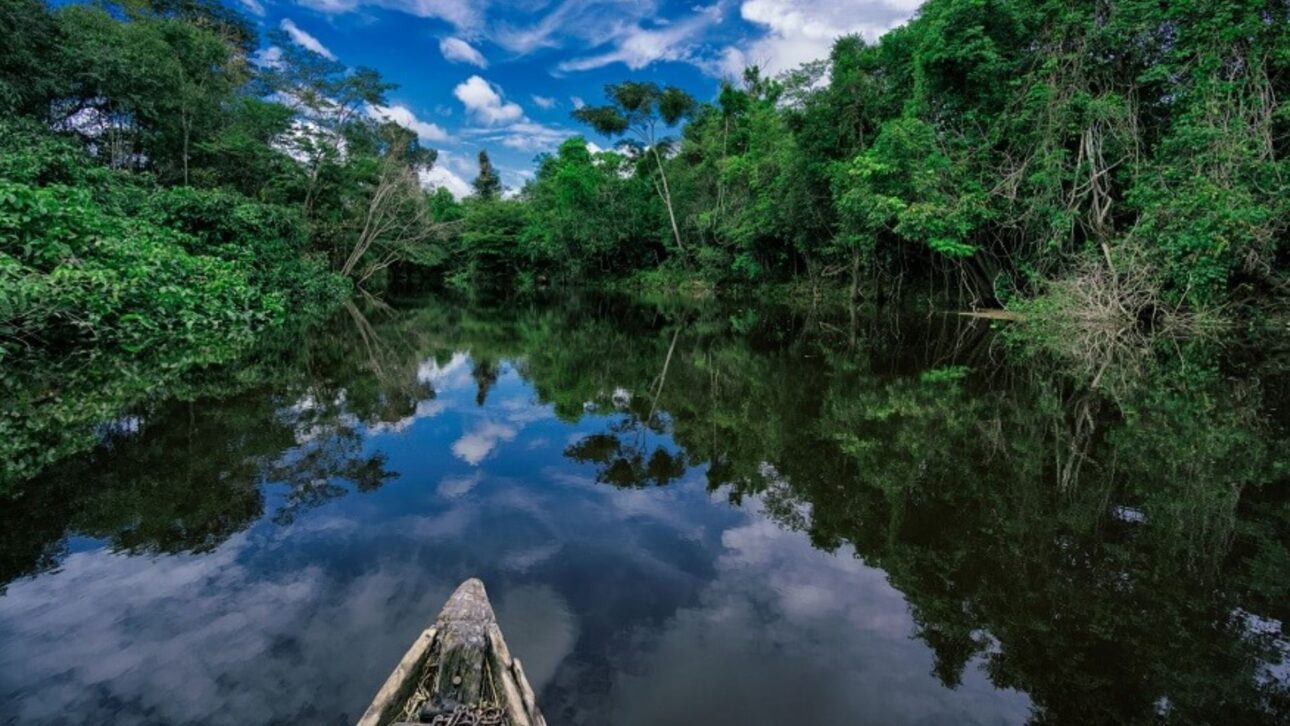
Logistics And Daily Life In Iquitos
The absence of a road connection presents unique challenges for logistics and mobility in Iquitos.
All transportation of goods, fuel, and food depends on river traffic along the Amazon river or air transport, which is usually more expensive and subject to cargo limitations.
The prices of products reflect the high cost of this logistics, impacting the daily lives of residents.
On the other hand, this condition of isolation helps preserve, in part, the surrounding forest and limits the advance of deforestation, according to environmental organizations.
Tourism, Connections And Challenges
Another aspect that draws attention is the flow of visitors.
Many tourists seek Iquitos as a starting point to explore the Peruvian Amazon, whether on fauna and flora observation expeditions or to learn about riverside and indigenous communities in the region.
Flights to the city mainly come from Lima, the Peruvian capital, and occasionally from other Amazonian cities, while the vessels arriving in Iquitos navigate long distances, connecting the municipality to Manaus, Belém, and even to the Atlantic Ocean, always via rivers.
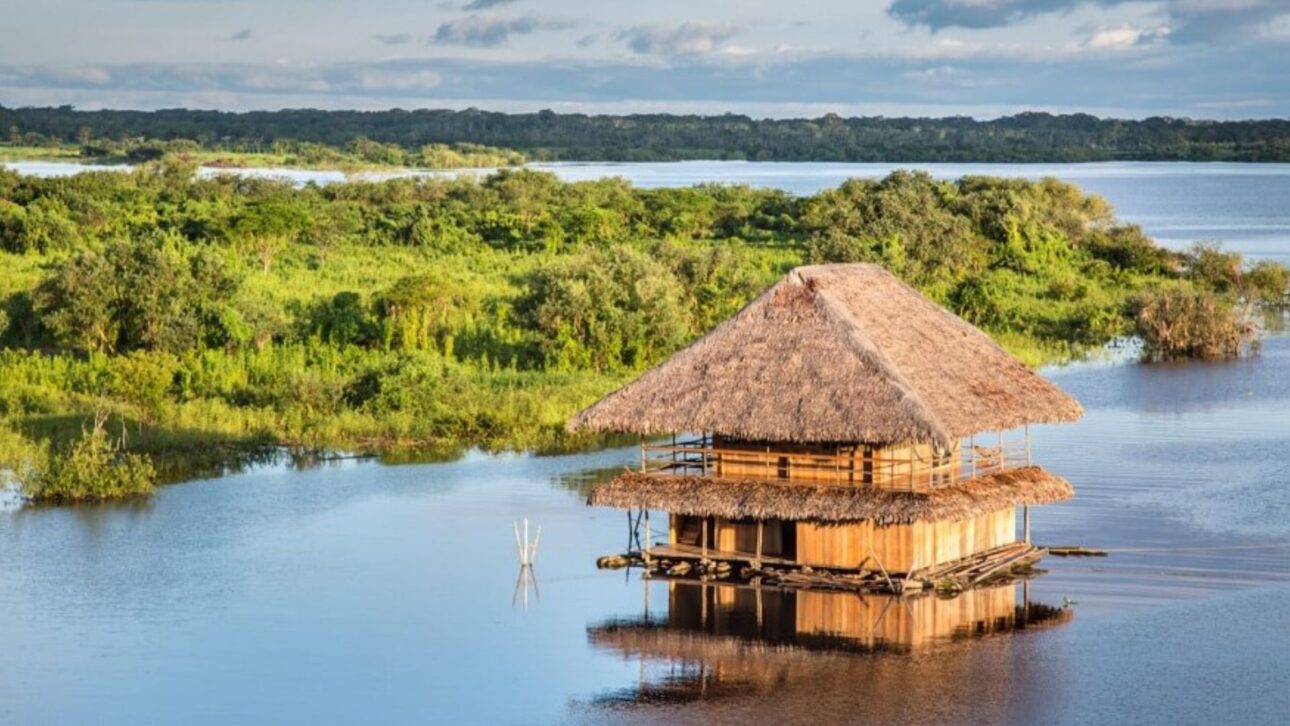
Adaptation To The Climate And The Forest
Life in Iquitos develops at its own pace, marked by adaptation to challenges imposed by geography and the Amazonian climate.
During flood periods, rivers can invade low-lying parts of the city, altering routines and requiring urban adaptation systems.
The equatorial climate, with high temperatures and humidity throughout the year, influences not only daily life but also the architecture of houses and urban planning.
Integration, Technology And Services
Despite the road isolation, Iquitos is not completely disconnected from the modern world.
The city has internet, telephony, and electricity connections, although fluctuations may occur during intense flooding or severe weather events.
Public services, commerce, and leisure options follow similar patterns to other large urban centers, but always adapted to the Amazonian reality.
International Recognition Of Isolation
The status of “largest city in the world without a land connection” is recognized by various international sources and by the Guinness World Records, which highlight the contrast between the urban scale of Iquitos and its inaccessibility by roads.
This scenario makes Iquitos a rare case of a large continental metropolis dependent exclusively on river and air routes for integration with the rest of the country and the continent.

Relationship With The Rivers And Local Culture
The routine of its inhabitants reveals an intimate relationship with the rivers, which serve as transport routes, sources of food, recreation, and even social connections.
Boats and small vessels are common, playing a central role both in the economy and in local culture.
The city also hosts universities, research centers, and hospitals, establishing itself as a regional service hub in the heart of the jungle.
Urbanization In The Middle Of The Amazon Jungle
Iquitos sparks international curiosity not only due to the absence of roads but also because of the challenge of maintaining an organized and functional urban life in the midst of the Amazon rainforest.
Its existence demonstrates the capacity for adaptation and resilience of a population that, despite logistical isolation, finds innovative ways to live and thrive in the heart of the world’s largest tropical rainforest.
In a global scenario where road connections symbolize development and integration, the experience of Iquitos offers a new perspective on the relationship between cities, nature, and infrastructure.
Have you ever imagined what it would be like to live in a metropolis where the only way out to the outside world must pass through rivers or the sky?







Seja o primeiro a reagir!