





 Portuguese
  English
  Spanish
 4 min of reading
  3 comments


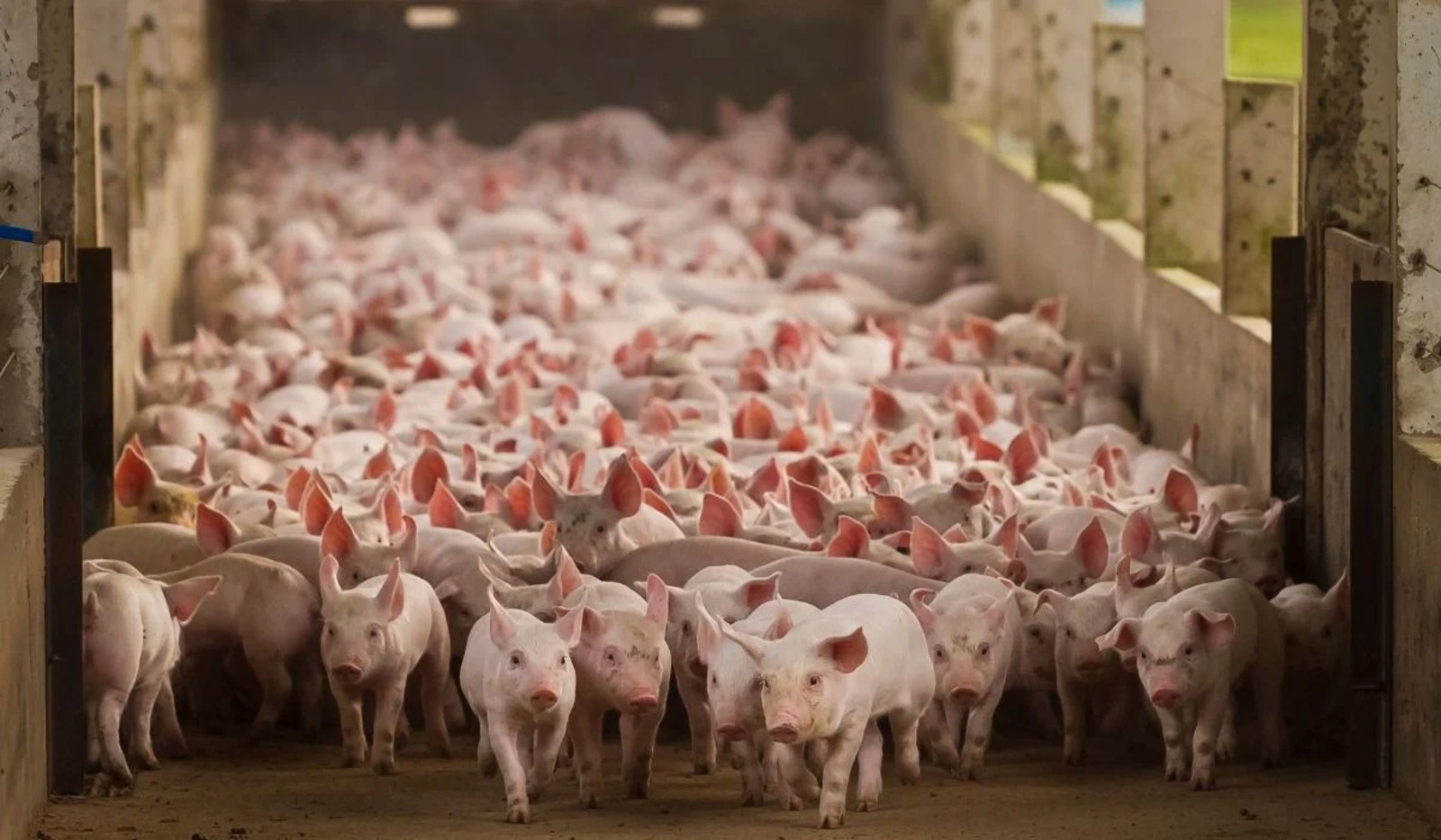


Toledo Gathers Nearly One Million Pigs, Strong Agricultural Tradition and Continuous Growth, Forming a Productive Chain That Sustains Jobs, Drives Industries and Consolidates the Municipality as a National Reference in the Animal Protein Sector
The presence of 950 thousand pigs makes Toledo, in the west of Paraná, a national reference. The municipality, located about 540 km from Curitiba, has an estimated population of 145 thousand inhabitants, according to IBGE. The number reveals a curious relationship: nearly six animals for each resident, which reinforces the centrality of pig farming in the local economy.
The formation of this scenario is linked to the colonization process in western Paraná. Families from the South arrived about 70 years ago and depended on animals and crops to ensure their livelihood.
Moreover, many had six, seven, or eight children, which required diversified activities. Therefore, pig farming grew alongside milk production, even before the arrival of cooperatives.
-
Mothers and daughters come together, create an ‘express’ beauty salon and turn the idea into a network with 21 units, revenue of R$ 16.7 million and 12,000 subscribers.

-
End of the 6×1 schedule: how the reduction of hours can affect service companies, industry, and agribusiness.

-
Brazil Ignores Trump’s threats to BRICS, Buys 42 tons of gold and reduces the Dollar’s share by 6.45% in international reserves.

-
Havan buys historic football land in Blumenau for a million-dollar amount protected by a confidentiality clause and is already planning to change even the layout of streets to build a megastore in half-timbered style costing 80 million reais.


According to the Secretary of Agriculture of Toledo, Luiz Carlos Bombardelli, this movement paved the way for the increase in the herd.
He states that agriculture alone would not be enough to sustain so many families, and for that reason, pig farming gained strength until it became one of the pillars of the region.

Pig Farming Grows and Reinforces Leadership in the Sector
The Municipal Livestock Production Survey 2024, released by IBGE, shows that Toledo recorded a 1.8% increase in the herd compared to 2023. It is the second largest volume in the historical series.
Throughout Paraná, the number reached 7.3 million animals, equivalent to 16.6% of the national total. Santa Catarina is the leader, while the three southern states together account for 51.9% of Brazilian production.
The country accounted for 43.9 million pigs in 2024. IBGE also recorded a record in animal slaughter, with a 1.2% increase in quantity and a 0.6% increase in carcass weight.
Among the five largest municipal herds in Brazil, Toledo ranks first, followed by Uberlândia, Marechal Cândido Rondon, Concórdia, and Tapurah.
Productive Chain Boosts Jobs and Income
The economic impact is broad. In Toledo, 37% of jobs are linked to livestock farming, primarily pig farming. About 24 thousand people work directly or indirectly with animal protein.
Bombardelli explains that the activity drives industries, cooperatives, and local commerce. Gas stations, restaurants, and other services also feel the effects of the sector.
The relevance of agribusiness was recognized by State Law 21,360/2023, which defined Toledo as the “capital of agribusiness.”
The municipality has a Human Development Index of 0.782, according to PNUD, one of the best in Paraná.
In addition, it led the Gross Value of Agricultural Production state ranking in 2023, with R$ 4.59 billion, maintaining first place for the 11th consecutive year.
Another positive indicator appears in the IFDM of May 2025, which classified the city as the 6th most developed in the country.
The local GDP reached R$ 7.5 billion in 2021, with a per capita GDP of R$ 51,745.73, reinforcing the weight of economic activity.
Paraná Expands Its Participation in the National Scene
Nine municipalities in Paraná are among the largest producers of animal protein in Brazil, including pig farming.
Among them are Toledo, Marechal Cândido Rondon, Castro, Carambeí, Nova Aurora, Palotina, Assis Chateaubriand, Arapoti, and Ortigueira.
The data shows continuous growth in the state. In 2024, Paraná’s producers slaughtered 12.4 million pigs, representing 21.5% of national slaughters.
The advance is significant compared to 2014, when the total was 6.9 million. Therefore, the 79% increase over a decade reinforces the vigor of pig farming in Paraná.
Environmental Challenges and Family Succession Worry the Pig Sector
Even with good results, the sector faces obstacles. According to Edson Pacheco, agronomist and manager of Assuinoeste, the region presents agricultural areas with high organic loads related to animal waste.
This requires more efficient solutions to avoid environmental impacts and ensure production continuity.
Moreover, there is concern about family succession. Many young people leave the countryside, which reduces the number of producers in the activity.
Therefore, it is necessary to increase profits and meet families’ needs to stimulate continuity.
Pacheco highlights the search for alternative treatments that allow productivity increases. He explains that removing the polluting load from waste and reusing water within the farm can unlock the potential of pig farming in western Paraná.
This strategy would allow for herd expansion without increasing the area used.
The combination of tradition, technology, and environmental challenges shows that Toledo remains at the center of Brazilian pig farming.
The city maintains a relevant role because it built a solid productive chain that continues to grow and shape the local economy.
With information from Gazeta do Povo.








Diferentemente do que está expresso na matéria, na cidade de Toledo que tem 160.000 habitantes nao há nenhum suíno até porque a vigilância Sanitária não permite, nem os órgãos ambientais emitem licenciamento. Os suínos, aí a matéria esta correta, são criados na área rural do município. Finalizando os suínos são criados no municipio de Toledo, mas não na cidade de Toledo.
Oo
TEM CERTESA QUE ESSE 1.000.000 PORCOS ESTÃO NA CIDADE? ENTÃO TEM MAIS PORCO QUE GENTE NESSA CIDADE.