





 Portuguese
  English
  Spanish
  4 min of reading
  0 comments


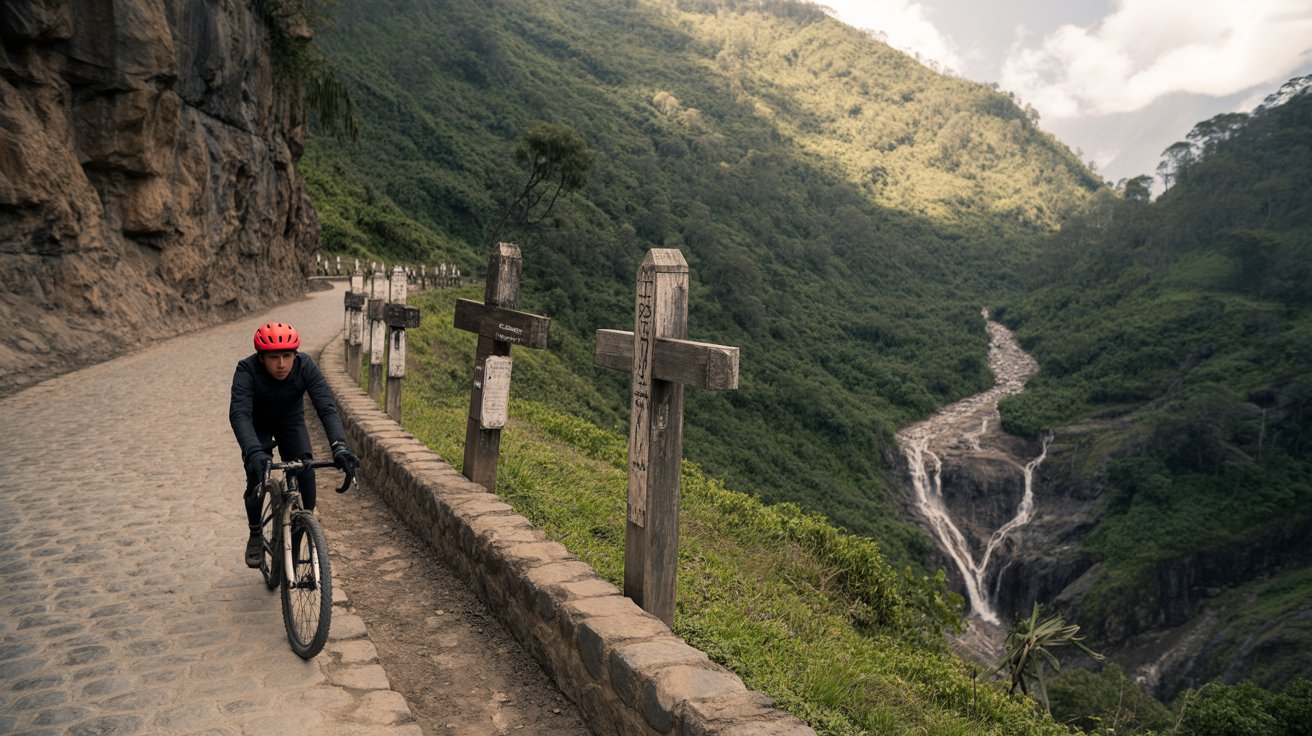
Built in the 1930s, the Death Road Cuts Through the Bolivian Andes Among Narrow Curves, Waterfalls, Crosses, and Abysses of Up to One Thousand Meters Towards the Tropical Yungas
Connecting La Paz to the subtropical Yungas region, the so-called Death Road stretches 64 kilometers in one of the most dramatic descents in the world. Starting from an altitude of 4,800 meters, the road winds through mountains and cliffs until it reaches the tropical forest and the plains of the Bolivian Amazon.
Also known as Camino de los Yungas or Camino de la Muerte, the road has points less than three meters wide, an absence of guardrails, and extremely tight curves. The La Cumbre passage, where the route begins, is often shrouded in dense fog that reduces visibility to almost zero.

During the journey, it is common to see makeshift shrines along the roadside: crosses, dried flowers, and faded portraits mark the spots where vehicles have plunged down cliffs of up to one thousand meters. Even after the construction of an alternative route, the original road remains active — now as an attraction for cyclists and adventurers.
-
Friends have been building a small “town” for 30 years to grow old together, with compact houses, a common area, nature surrounding it, and a collective life project designed for friendship, coexistence, and simplicity.

-
This small town in Germany created its own currency 24 years ago, today it circulates millions per year, is accepted in over 300 stores, and the German government allowed all of this to happen under one condition.

-
Curitiba is shrinking and is expected to lose 97,000 residents by 2050, while inland cities in Paraná such as Sarandi, Araucária, and Toledo are experiencing accelerated growth that is changing the entire state’s map.

-
Tourists were poisoned on Everest in a million-dollar fraud scheme involving helicopters that diverted over $19 million and shocked international authorities.


Built by War Prisoners, the Road Became a Symbol of Sacrifice and Forgetting
The road was constructed after the Chaco War (1932–1935), executed with the labor of Paraguayan prisoners. The objective was to connect the Bolivian capital with the tropical regions and facilitate the flow of resources such as gold, timber, and coca leaves.
In the 1990s, the number of accidents was so high that the Inter-American Development Bank classified the road as “the most dangerous road in the world.” It is estimated that up to 300 people per year lost their lives on that stretch, mainly bus drivers, truck drivers, and trufis — a type of collective taxi common in the region.
Despite the risks, the route has always been vital for national logistics. Even today, drivers must maneuver to the left of the road (the opposite rule of the country’s standard) to allow better visibility of the edge during the descent, in an attempt to avoid falls.
Today, the Old Path Has Become an Adventure Tourist Destination with Cyclists Facing Abysses and Waterfalls
With the paving of a new safe route in 2006, the old stretch was relegated to tourism. The road has become sought after by cyclists who descend the 64 km equipped with helmets, gloves, and specialized guides.
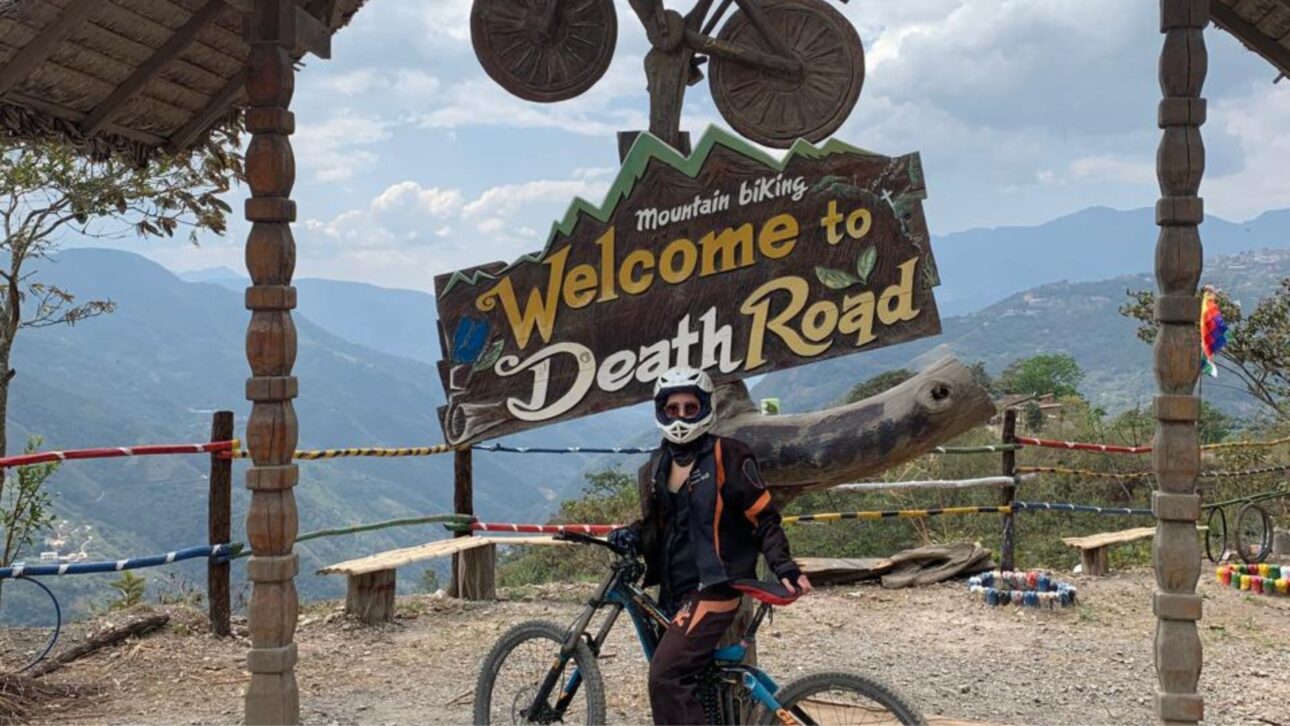
During the journey, travelers face potholes, slopes soaked by small waterfalls, and the constant risk of skidding. Despite the control and safety measures, at least 18 cyclist deaths have been recorded since 1998.
The landscape is as breathtaking as it is dangerous. From the heights of the Andes, visitors can see a dramatic transition to the lush green of the Yungas, a region with dense flora and fertile soil, serving as the gateway to the Bolivian Amazon rainforest.
Yungas Region Is the Cradle of Agricultural Production and Guardian of Millennia-Old Cultural Treasures
The Yungas are historically known as Bolivia’s agricultural breadbasket. With a humid climate and fertile soil, the region is home to plantations of coffee, bananas, cassava, citrus fruits, and, above all, coca — a plant considered sacred by Andean cultures.
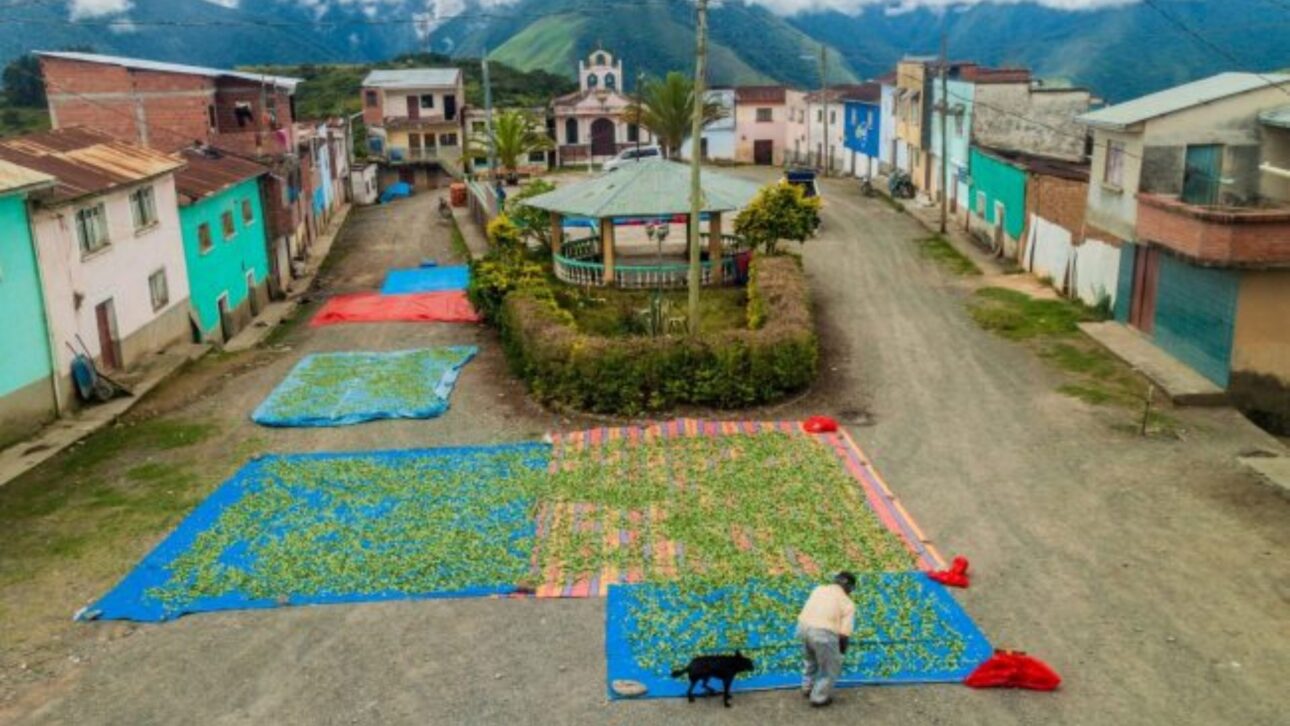
Coca, with its stimulating and nutritious properties, has been used for millennia by indigenous peoples in ceremonies, medicine, and as an aid against the effects of altitude. Currently, one-third of the Bolivian population regularly consumes the leaf, which is still legalized in the country.
With farming terraces built on the slopes, the region also hosts communities that follow Inca and Tiwanaku traditions, with trails used for centuries by caravans of llamas and farmers.
Coroico, at the End of the Road, Blends Gold History with Tourism and Tranquility
The final destination of the Death Road is Coroico, a city surrounded by green hills and a mild climate, which was once a center of gold mining. Today, the municipality attracts tourists seeking tranquility, with affordable lodges and local cuisine.
The so-called “gold route” remains active in the region, with illegal mines operating along rivers like the Coroico and the Sacambaya. Since the 18th century, legends about hidden Jesuit treasures have fueled searches for lost riches.
The British explorer Percy Fawcett popularized some of these stories in his book Fawcett’s Exploration, where he recounts a supposed hidden Jesuit tunnel in the surrounding area. Fawcett disappeared during an expedition in search of the mythical city of “Z.”
Conflicts Over Coca and Mining Have Marked Bolivian Politics in Recent Decades
The rise in gold prices and the growth of drug trafficking in recent decades have created tensions in the region. Movements of coca growers have organized against the forced eradication of the plant and propelled Evo Morales to power.
A trade union leader of Aymara origin, Morales implemented the policy “Coca Yes, Cocaine No,” legalizing traditional production. The measure marked a break with the U.S. anti-drug agenda and strengthened indigenous prominence in national politics.
Today, coca remains legalized in Bolivia, being treated as a cultural heritage. The road, in turn, has become a physical symbol of the contradictions between modernity, tradition, and survival in Andean territory.
Information has been compiled from data from the Inter-American Development Bank, reports from BBC Travel, Lonely Planet, and official tourism guides from Bolivia.










-

-

-

6 pessoas reagiram a isso.