





 Portuguese
  English
  Spanish
  4 min of reading
  0 comments


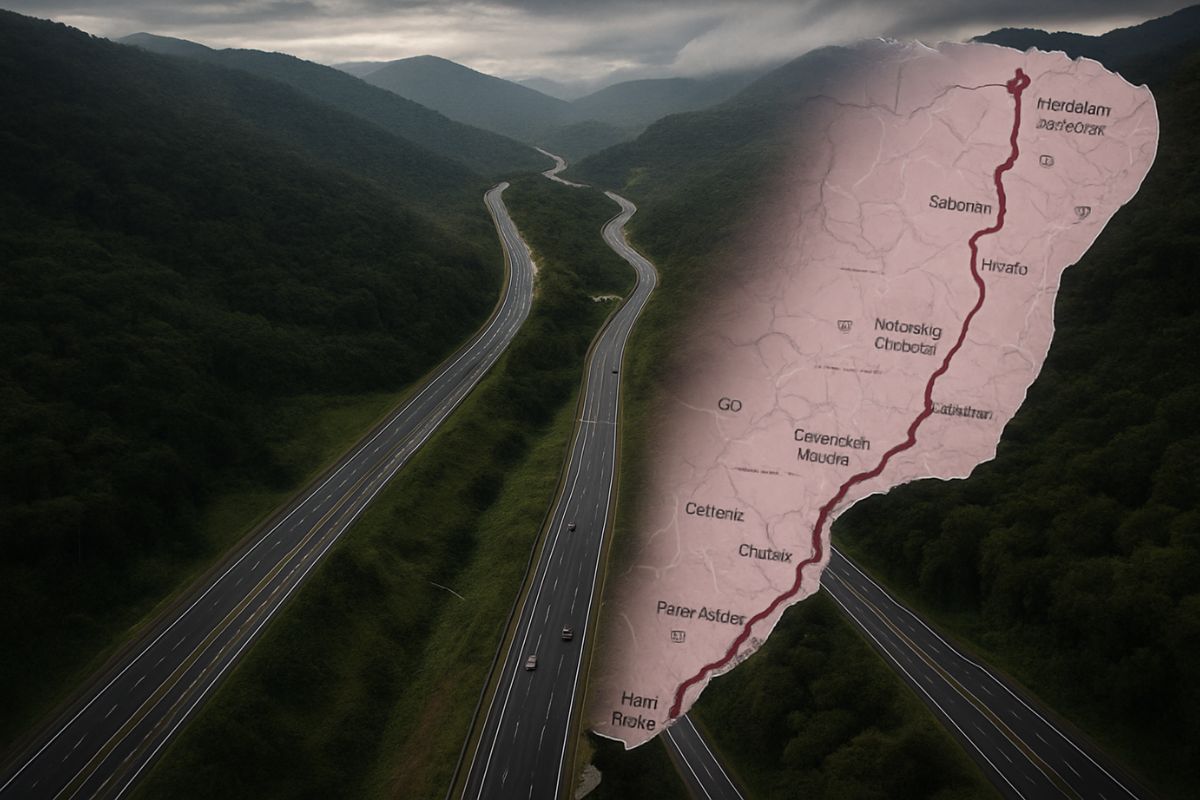
With 4,660 km, BR-116 Is The Longest National Highway That Is Fully Paved. Discover Its Route, The Dangers, And The Projects That Shape The Country’s Road Backbone.
The BR-116 highway is a vital artery for Brazil. Consolidated as the longest national highway, it serves as a true backbone connecting the country from end to end. Its importance, however, is accompanied by significant challenges in safety and infrastructure.
This article details the multiple facets of BR-116. We will explore its features, the deep socioeconomic impact, the safety challenges, and the massive investments that aim to modernize the longest fully paved highway in Brazil.
What Is BR-116? The Road Backbone of Brazil
BR-116 holds the title of the longest national highway. With an approximate length of 4,660 km, it is also the longest highway in the country to be completely paved. Its route connects the city of Fortaleza in Ceará to Jaguarão in Rio Grande do Sul, on the border with Uruguay.
-
Friends have been building a small “town” for 30 years to grow old together, with compact houses, a common area, nature surrounding it, and a collective life project designed for friendship, coexistence, and simplicity.

-
This small town in Germany created its own currency 24 years ago, today it circulates millions per year, is accepted in over 300 stores, and the German government allowed all of this to happen under one condition.

-
Curitiba is shrinking and is expected to lose 97,000 residents by 2050, while inland cities in Paraná such as Sarandi, Araucária, and Toledo are experiencing accelerated growth that is changing the entire state’s map.

-
Tourists were poisoned on Everest in a million-dollar fraud scheme involving helicopters that diverted over $19 million and shocked international authorities.


The highway crosses ten Brazilian states. It connects important metropolitan areas such as Fortaleza, Rio de Janeiro, São Paulo, Curitiba and Porto Alegre. Being a primary axis in the north-south direction, it is essential for passenger transport and the flow of a vast range of products, serving as a pillar for integration and the economy of Brazil.
Portrait of a Giant: The Multiple Names and Segments of BR-116
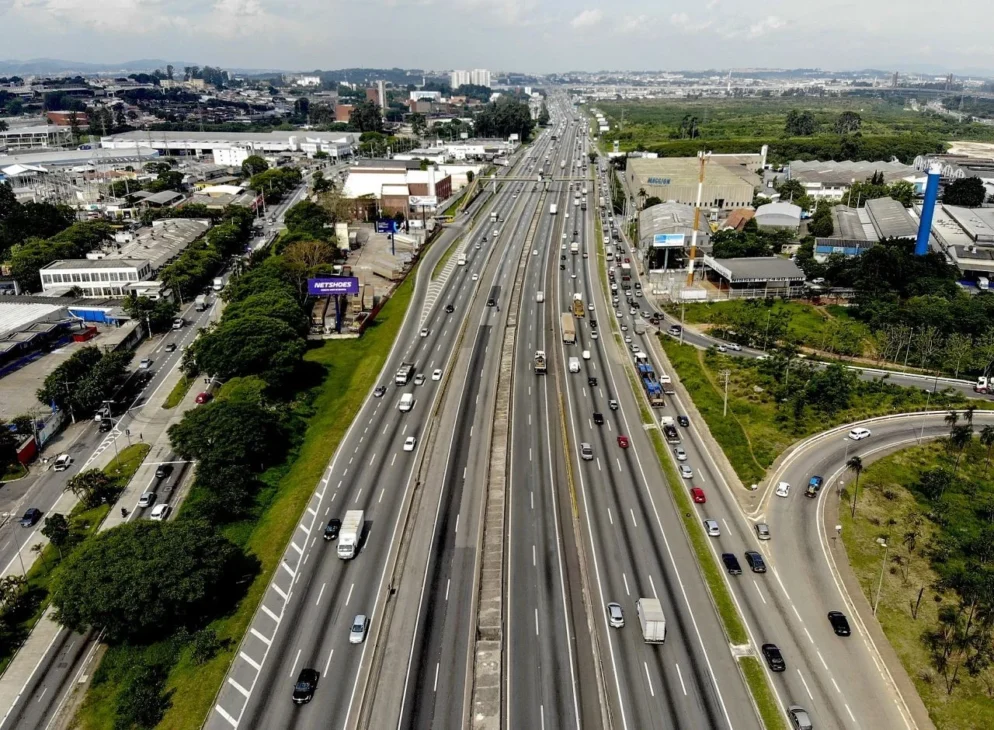
Throughout its extensive route, BR-116 is known by various names, reflecting its importance in each region.
- Presidente Dutra Highway: The vital stretch between the metropolitan areas of São Paulo and Rio de Janeiro.
- Régis Bittencourt Highway: Connecting Curitiba to São Paulo, historically known as “Highway of Death.”
- Santos Dumont Highway: In the segment from Fortaleza to Rio de Janeiro.
- Via-Serrana: The name for the stretch between Jaguarão (RS) and Curitiba (PR).
The highway has extensive duplicated stretches, such as the 850 km connecting Curitiba to Rio de Janeiro. However, significant portions of BR-116 still operate with a single lane, highlighting the ongoing need for investments in modernization and an increase in its capacity.
The Engine of The Economy: How BR-116 Drives Development
BR-116 is one of the pillars of the Brazilian economy. It is one of the most important and busy highways in the country, crucial for connecting urban centers and transporting goods. The modernization of its stretches has a direct impact on regional development.
The duplication of the highway in Rio Grande do Sul, for example, is crucial for reducing transportation costs, increasing agribusiness competitiveness, and optimizing logistics at the Port of Rio Grande, through which 80% of the state’s exports flow. Concession projects, such as the Rota do Recôncavo in Bahia, aim to strengthen economic integration between cities like Salvador and Feira de Santana.
The Safety Challenges on The Longest National Highway
Road safety experts and official data from the Federal Highway Police (PRF) point to a serious paradox. BR-116, despite its importance, consistently ranks among the most dangerous highways in Brazil.
According to the PRF’s 2024 Yearbook:
- BR-116 was the highway with the highest number of fatalities in the country, totaling 821 deaths.
- It was also the second with the highest number of accidents (11,478) and injuries (13,115).
Experts analyze that the accidents are multifactorial. They involve human errors, such as fatigue and speeding, but also infrastructure problems. Critical stretches, such as the Vitória da Conquista (BA) ring road, are known for daily accidents. The combination of high traffic volume, especially of trucks, with single-lane sections and challenging topography creates a high-risk scenario.
Investments to Transform BR-116


A significant national effort is underway to modernize the longest national highway. Duplication, recovery, and new concessions projects span multiple states. The goal is to increase the capacity, safety, and efficiency of the highway.
In Bahia, the “Rota do Recôncavo” project expects R$ 15.7 billion in investments, with 356 km of duplications. In Minas Gerais, sections in Governador Valadares are being duplicated. In Rio Grande do Sul, the duplication between Guaíba and Pelotas is progressing, in addition to improvements in the Porto Alegre region. Public investment, through DNIT, and private concessions, such as those of CCR on Via Dutra, are key strategies to ensure the future of this vital artery for Brazil.










-

-

-

-

4 pessoas reagiram a isso.