





 Portuguese
  English
  Spanish
  6 min of reading
  0 comments


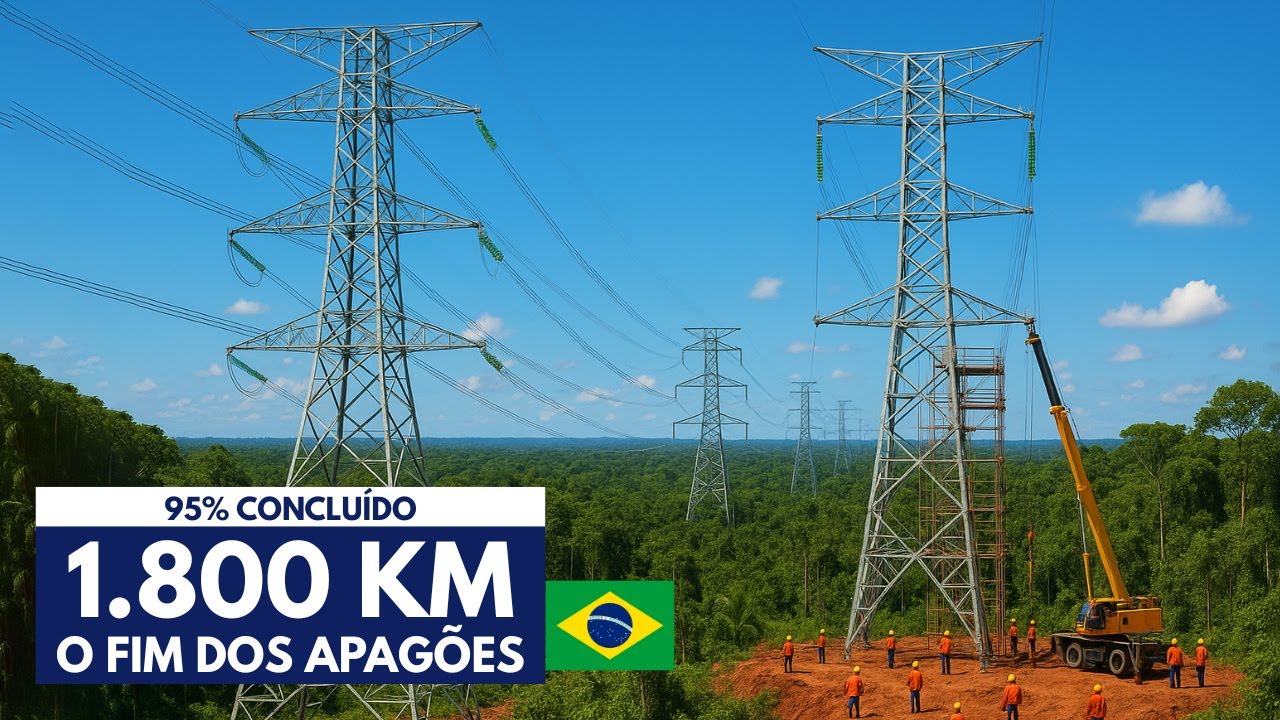
With 95% of the Works Completed, the Tucuruí Transmission Line Advances to Integrate the North Region of Brazil into the National Energy System, Facing Extreme Challenges and Promising to End Blackouts with a Historic Mega Project of 1,800 km
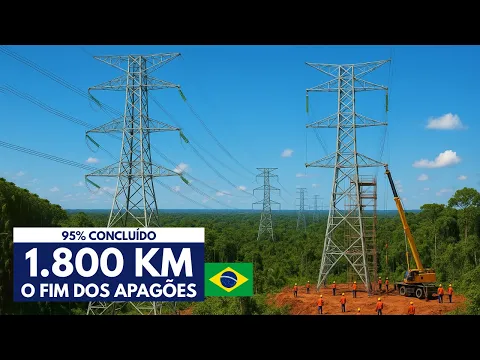
A mega project that can forever transform the energy sector of the North Region of Brazil is about to become a reality. With 95% of the works completed, the Tucuruí Transmission Line — a 1,800 km transmission line — cuts through jungles, rivers, and extreme logistical challenges to finally connect the northern states to the National Interconnected System (SIN). When completed, the structure will eliminate recurring blackouts, reduce costs associated with thermal energy, and enable a new era of sustainable growth for the region.
The initiative is considered the most important in the energy sector in the last decade and has been closely monitored by the federal government, energy experts, and local communities. The project not only ensures energy security but also symbolizes national integration in its most tangible form: bringing electricity to those who have historically been left out of development.
Mega Project of the Tucuruí Transmission Line: What It Is and Why It Is Essential
The Tucuruí Transmission Line is an electric power transmission line that extends for about 1,800 km, connecting the Tucuruí Hydroelectric Plant (PA) to the states of Amapá, Amazonas, Roraima, and Pará. The main goal is to link these states to the SIN, ensuring a more stable, clean, and affordable energy supply.
-
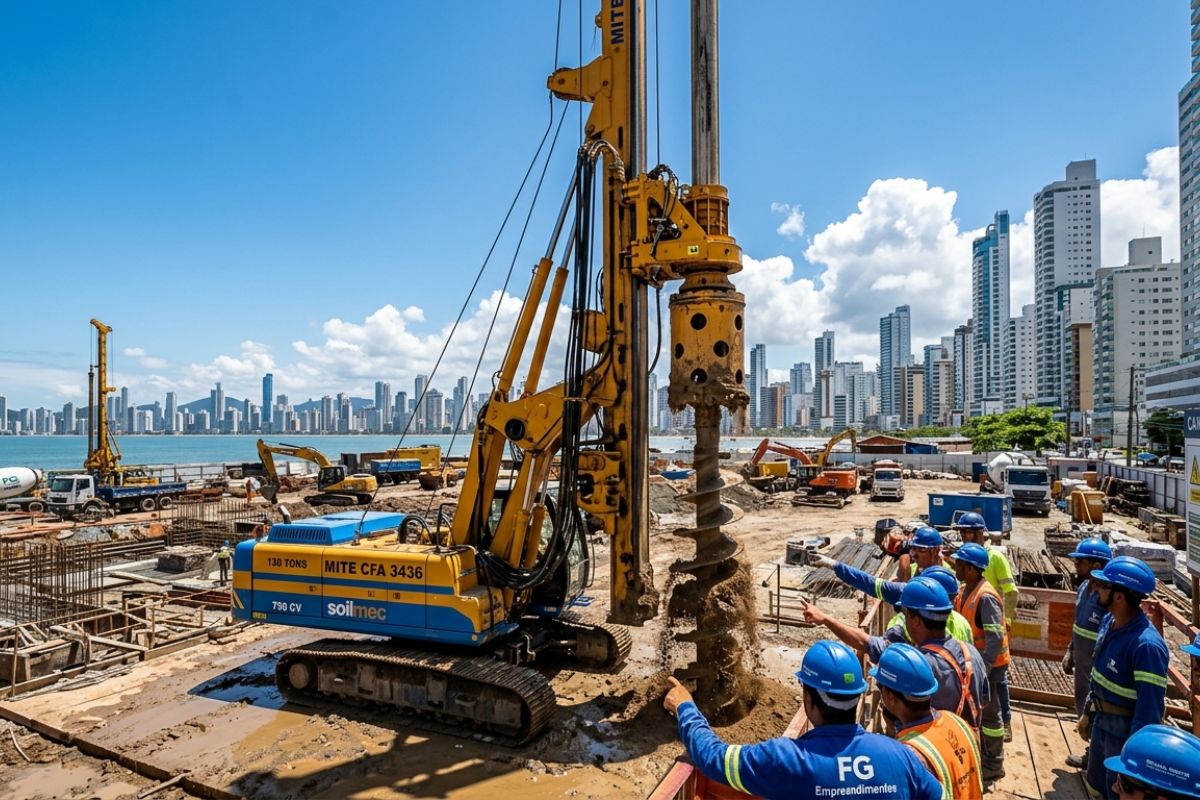
Italian giant of 130 tons arrives at the Senna Tower construction site and accelerates foundations: Mite CFA 3436 drills up to 50 m, 750 hp engine, investment of R$ 20 million, unique in Latin America.
-
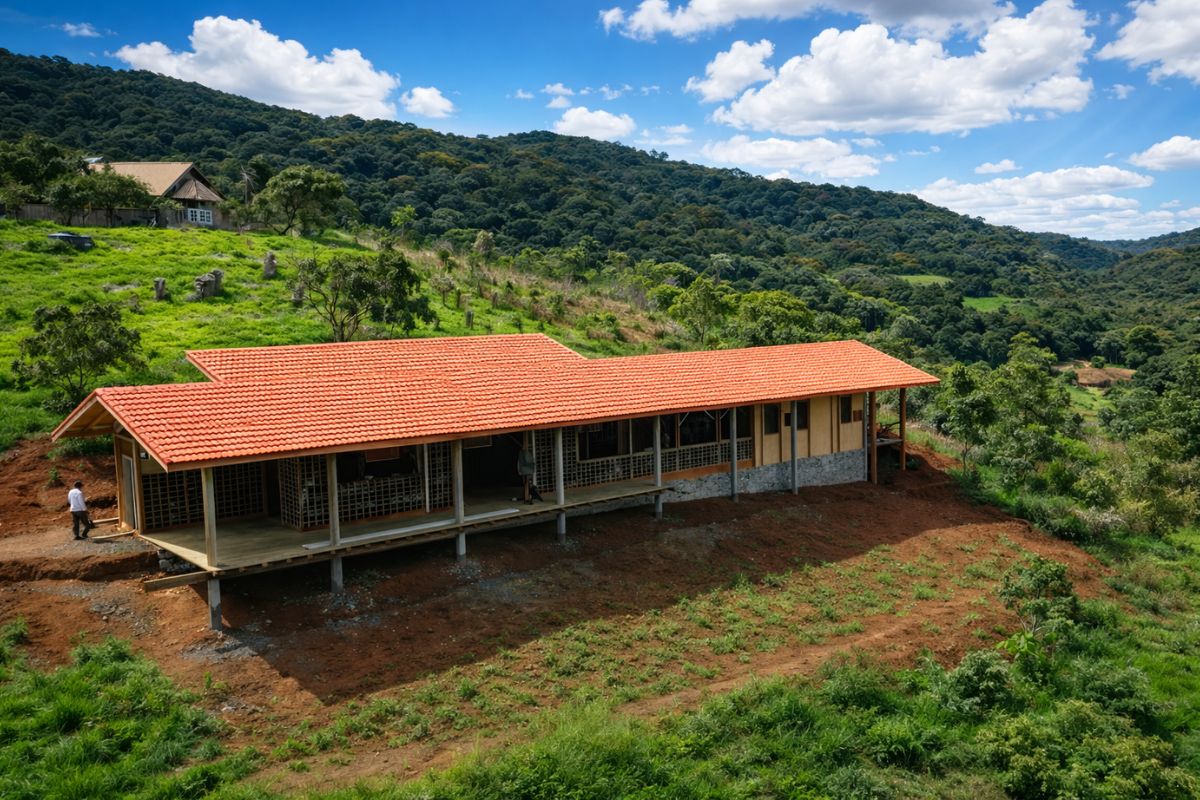
The adobe house in Monteiro Lobato takes shape with bamboo and clay from the land, a stone foundation, and a roof for the wind; cracks are normal, and finishing with lime turns it into a “common house.”
-
Four friends with over 30 years of friendship built a “mini village” by the banks of a river in Texas to grow old together, with houses of just 32 m² and a shared common space. The Bestie Row project has become a model of alternative living that is starting to spread around the world.

-
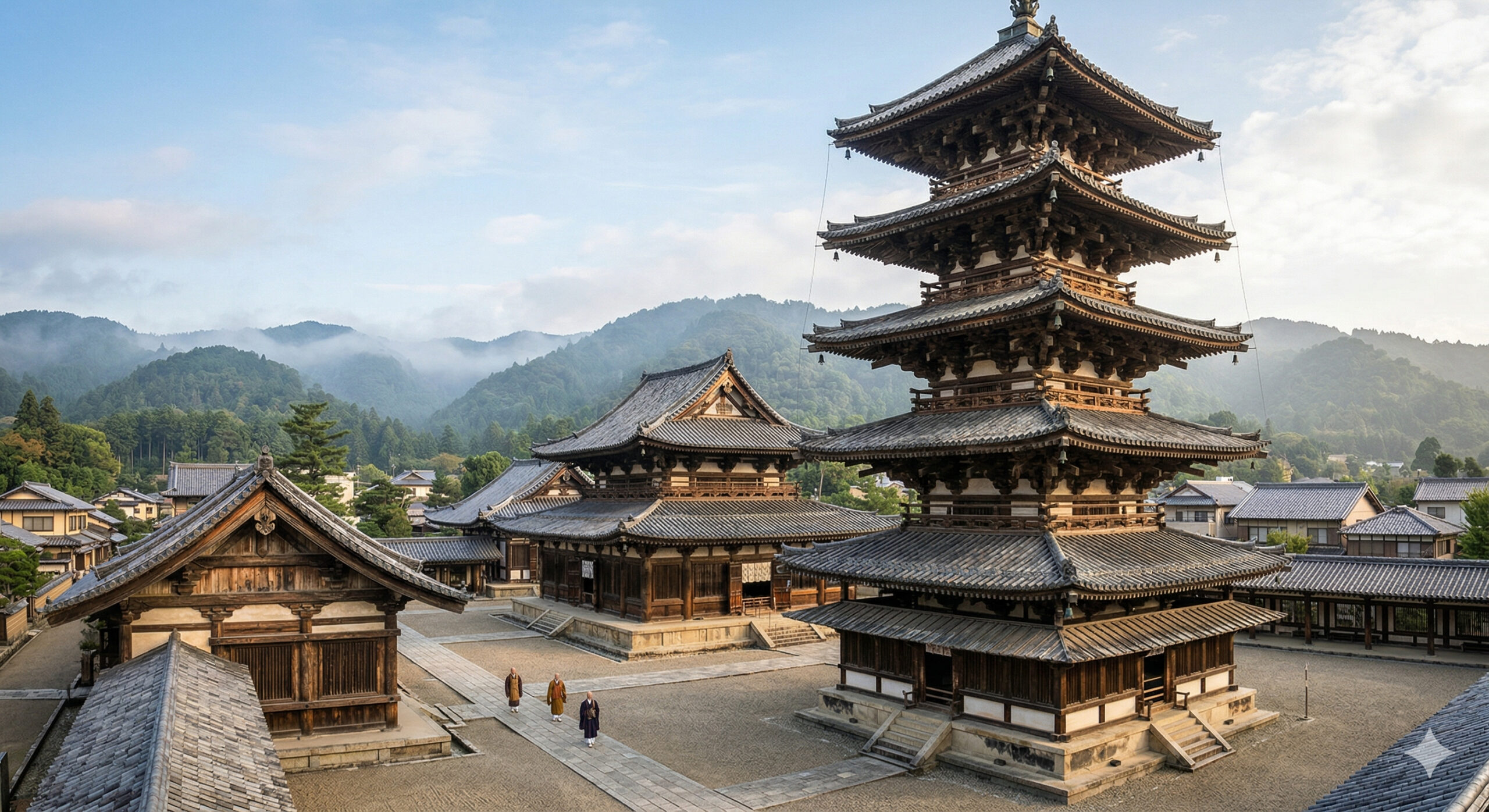
The ancient Japanese capital, planned over 1,200 years ago, still withstands earthquakes with colossal wooden temples and palaces, built without concrete or modern steel, by masters who created engineering capable of enduring centuries.


Currently, states like Roraima depend almost exclusively on thermoelectric plants powered by diesel oil — a highly polluting, inefficient, and failure-prone model.
In 2019, for instance, Roraima faced a severe energy crisis after the interruption of power supply from Venezuela, exacerbating issues with blackouts. With the transmission line, it is expected to eliminate this type of vulnerability entirely and ensure greater energy autonomy.
North Region of Brazil: Energy Isolation and Recurring Blackouts
Historically, the North Region of Brazil has been excluded from the national energy system. This disconnection has resulted in higher tariffs, lower reliability, and constant electrical instability. According to data, the cost of energy in Roraima can be three times higher than in states like São Paulo or Minas Gerais.
Moreover, the constant blackouts jeopardize essential services such as hospitals, schools, and commercial centers. The vulnerability of the energy system negatively impacts the business environment and deters potential investors. With integration into the SIN, the scenario is expected to change radically, promoting not only greater energy security but also new vectors for economic and social development.
Technical Structure of the Tucuruí Mega Project
The execution of this mega project involved monumental engineering challenges. There are approximately 3,600 transmission towers, some reaching heights of up to 295 meters. The river Amazon crossing requires spans over 2 km, which demands advanced technology and highly specialized labor.
The lines operate at voltages of 500 kV (between Manaus and Belém) and 230 kV (toward Macapá), with a transport capacity of about 2,400 MW.
The project also incorporates fiber optic infrastructure, which will provide digital connectivity to isolated communities, positively impacting sectors such as education, health, and public security.
Challenging Logistics in the North Region of Brazil
Carrying out a project of this scale in the North Region of Brazil meant facing unique obstacles. The transportation of equipment and materials was done using heavy-lift helicopters, barges crossing rivers with strong currents, and roads opened specifically for the project, often in the midst of dense forest.
During the years of execution, over 4,000 workers were mobilized in different fronts of construction. Teams operated in flooded areas, under extreme heat and various natural risks. Despite the challenges, the project adhered to the safety and quality standards required by Aneel and the Ministry of Mines and Energy.
Environmental Licensing and Consultation with Indigenous Peoples in the Mega Project
As it involves a mega project in an area of sensitive biodiversity, the Tucuruí Transmission Line underwent a rigorous environmental licensing process. The Ibama conducted extensive impact assessments, particularly in regions like the Uatumã Sustainable Development Reserve and the Waimiri-Atroari Indigenous Land.
After years of negotiations and legal disputes, the federal government and the concessionaire Transnorte Energia reached an agreement with the local indigenous peoples.
The communities have become partners in environmental monitoring, helping to preserve the forest and ensuring that the project respects their traditions and rights.
Benefits of the Tucuruí Transmission Line for the North Region of Brazil
The operational onset of the Tucuruí Transmission Line will bring direct and indirect benefits to millions of Brazilians. The North Region of Brazil will finally be able to overcome decades of energy isolation and pave the way for a new growth cycle.
Among the main gains are:
- Drastic reduction of blackouts and interruptions in supply;
- Saving billions of reais per year by replacing thermal energy with hydroelectric power;
- Stimulus for the establishment of new industries and expansion of trade;
- Improvement in social indicators and quality of life.
Only in Roraima, subsidies paid by the federal government to maintain diesel plants reach R$ 7 billion annually. The savings generated by the connection to the SIN will allow redirection of these resources to priority areas such as health, education, and urban infrastructure.
Controlled Environmental Impacts in the Tucuruí Transmission Line
Despite crossing areas of rich biodiversity, the project has adopted compensatory and preventive measures to mitigate its impacts. Among the actions are the reforestation of degraded areas, monitoring of fauna and flora, and investment in conservation units.
A concrete example is the allocation of R$ 450,000 to the Uatumã SDR, a sum aimed at environmental preservation and strengthening the management of the reserve. Furthermore, the involvement of local communities has been essential to ensure more balanced development, respecting both the environment and traditional ways of life.
Mega Project Enters the Final Stretch with Completion Expected in 2025
With 95% of the execution completed in April 2025, the mega project now enters its final phase. The expectation is that the Tucuruí Transmission Line will begin operations by the end of the year, after the release of the operating license by Ibama and the completion of the last technical tests.
After more than a decade of setbacks, Brazil is on the verge of completing one of the most strategic projects in its energy infrastructure. This represents an advancement that not only eliminates historical bottlenecks but also signals a public policy more committed to regional equity and sustainable development.
The Energy Future of the North Region
The completion of the Tucuruí Transmission Line represents a transformative milestone for the North Region of Brazil. The project addresses historical challenges such as frequent blackouts and promotes access to quality, sustainable, and affordable energy.
More than just a transmission line, the project symbolizes the recognition of a strategic region for the country, both environmentally and economically. With stable energy, the North will be able to expand its agricultural production, foster regional industries, attract new technologies, and ensure a better quality of life for its populations.
The region’s future can finally be as bright as the potential it has always possessed — now with the necessary infrastructure to make that future happen.






Seja o primeiro a reagir!