





 Portuguese
  English
  Spanish
  5 min of reading
  9 comments





Subaru Takes Unexpected Center Stage in New Global Automotive Reliability Assessment, Changing Traditional Market Perceptions and Attracting Attention from Brazilian Consumers.
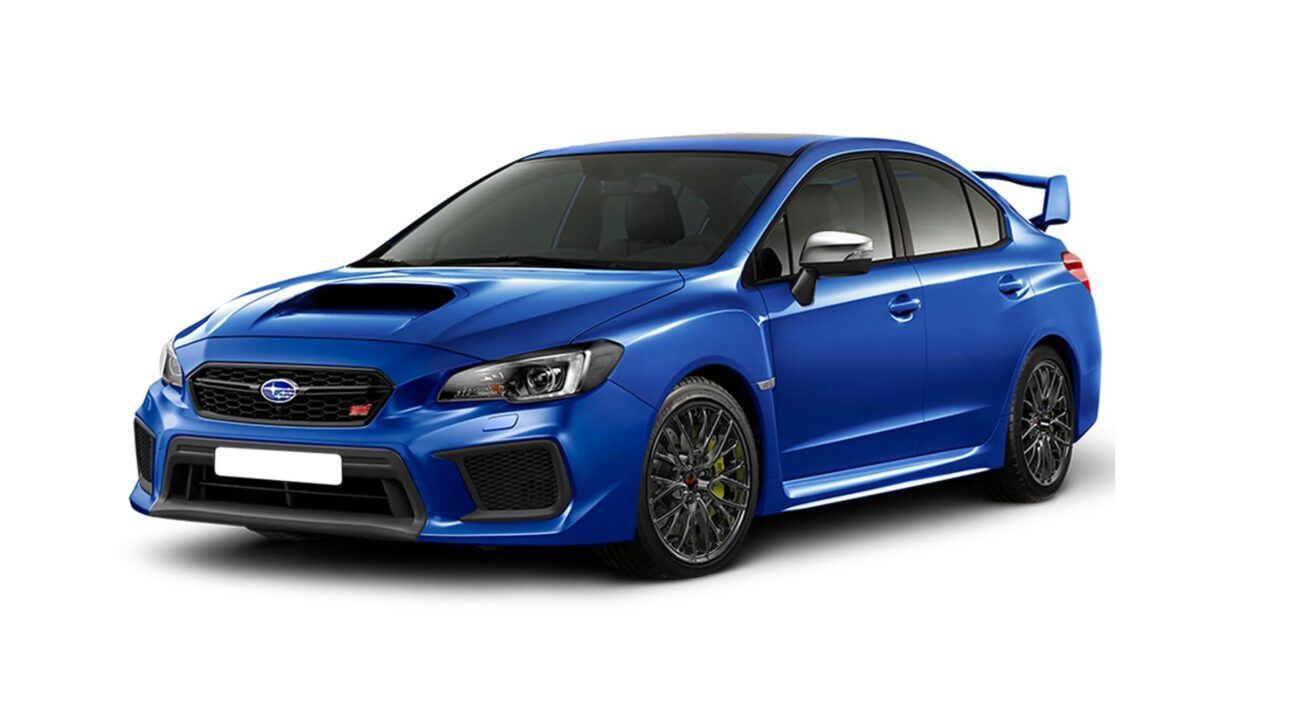
Subaru, a Japanese brand with a discreet presence on Brazilian streets, has taken the lead in the main automotive reliability ranking compiled by Consumer Reports, a North American publication renowned for independent testing and owner surveys.
This performance places the automaker ahead of giants like Toyota and Honda, traditionally associated with the idea of “unbreakable car” among Brazilian consumers.
Subaru Leads Reliability Ranking
According to Consumer Reports, Subaru was identified as the most reliable brand among those evaluated, in a recent survey analyzing hundreds of thousands of vehicles worldwide, based on owner reports and track tests by the publication’s technical team.
-
The car stored for 38 years: when opening the barn door, what appears is breathtaking and looks like a scene from a movie!

-
Fiat works miracles in the Brazilian market, lowers the price of its 0 km hatch to R$ 69,990, reestablishes the model as the cheapest car in the country, and reignites the battle against Kwid and C3.
-
Chevette with cooking gas: How the gas cylinder ends up being used in cars clandestinely and why this makeshift solution can result in leaks, explosions, damaged engines, and seized vehicles.
-
Fiat launches the new 2027 Toro hybrid with 48V, 176 hp, an electric motor of 15.5 hp, a 0.85 kWh battery, up to 7% fuel savings, 8% fewer emissions, and possible exemption from IPVA.
The publication indicates that the company not only tops the reliability index but also ranks among the best in safety and owner satisfaction.
This leadership breaks a decades-long hegemony of Toyota and Lexus at the top of reliability lists and reinforces Subaru’s strategy of betting on gradual evolutions, avoiding abrupt changes in engines and transmissions.
By repeating already established solutions, the brand reduces the chance of typical failures associated with entirely new projects, which reflects in fewer breakdowns and less visits to the repair shop.
Toyota and Honda, however, continue to receive high ratings and appear just behind Subaru in the same survey, maintaining their reputation for low defect rates and predictable maintenance.
How Consumer Reports’ Reliability Ranking Works
The Consumer Reports survey gathers information from vehicle owners who report mechanical, electrical, electronic, and structural problems, including severity of failure, downtime in the shop, and repair costs.
This data is combined with performance, safety, and fuel consumption tests conducted on track.
The methodology considers different types of propulsion, including combustion, hybrids, and electric vehicles, and weighs the frequency of defects over the years.
Consumer Reports highlighted that pure electric vehicles and plug-in hybrids still experience, on average, more problems than conventional combustion vehicles, although the gap is narrowing as technology matures.
The final result is a ranking where Subaru, Lexus, Toyota, Honda, and Acura appear among the most reliable brands.
Reliability and the Preference of Brazilian Buyers
In the Brazilian market, consumers often associate durability with Toyota and Honda, particularly due to models like Corolla, Hilux, Civic, and HR-V, which have built a reputation for robustness in severe use, fleets, and apps.
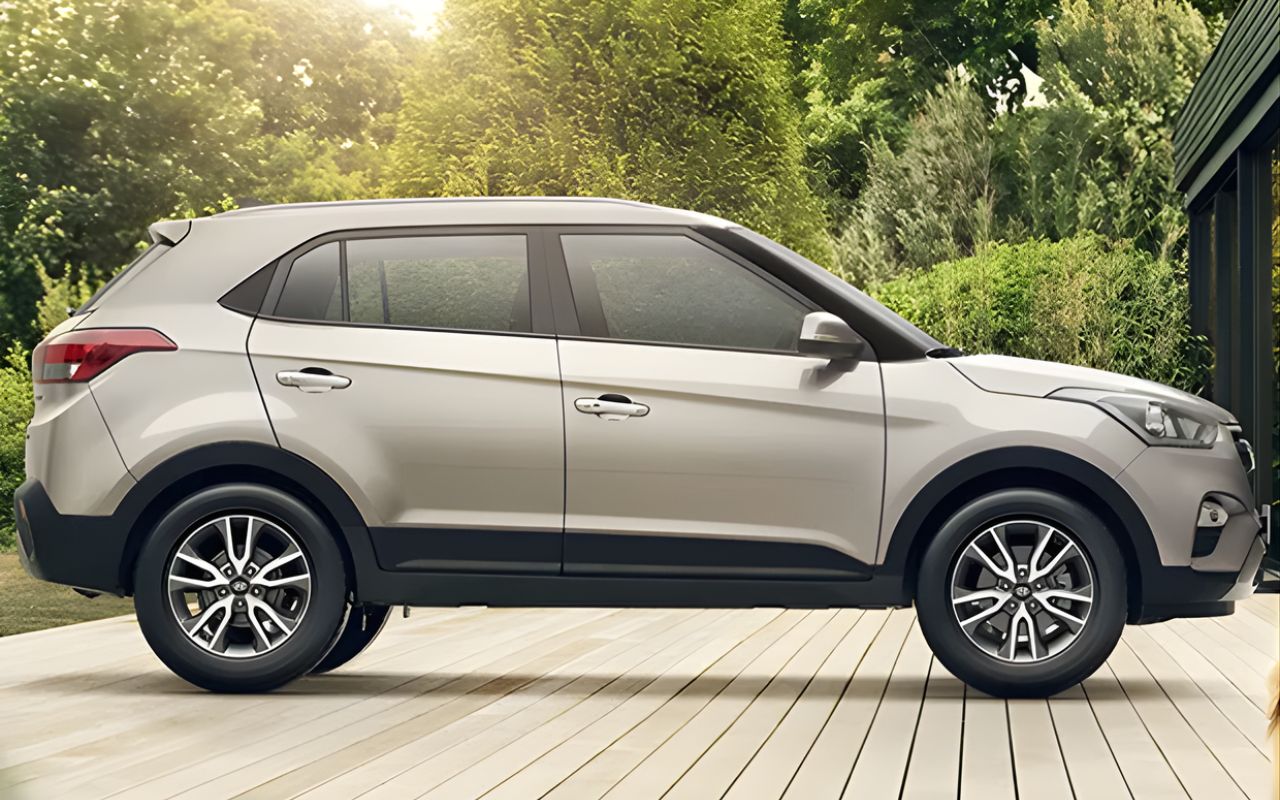
At the same time, cars like Chevrolet Onix, Hyundai HB20, Volkswagen Polo, Fiat Argo, Jeep Compass, Nissan Kicks, and Hyundai Creta frequently appear among the best sellers, but do not always lead international reliability assessments.
Meanwhile, Subaru remains a niche brand in Brazil, with a small dealership network and focus on imports like Impreza, Crosstrek, WRX, and Forester.
Subaru in Brazil: Discreet Presence and Technical Recognition
Although not commonly seen in the country, Subaru has built a reputation in markets like the United States, Europe, and Japan as a manufacturer of durable vehicles, especially in regions with harsh climates and low-traction surfaces, thanks to the use of all-wheel drive and boxer engines.
In the case of the Forester, one of the brand’s most important SUVs, the recent generation maintained the 2.5 boxer engine from the FB family, used since the end of the last decade.
This continuity reduces the risk of typical problems associated with newly launched mechanical assemblies.
The hybrid version, already available in markets such as North America, Japan, Europe, and Oceania, combines the well-known boxer engine with next-generation electric systems.


For the consumer, this standardization facilitates access to parts, simplifies maintenance, and keeps costs more predictable, a decisive factor in the brand’s good evaluation.
Boxer Engine and the Image of Durability
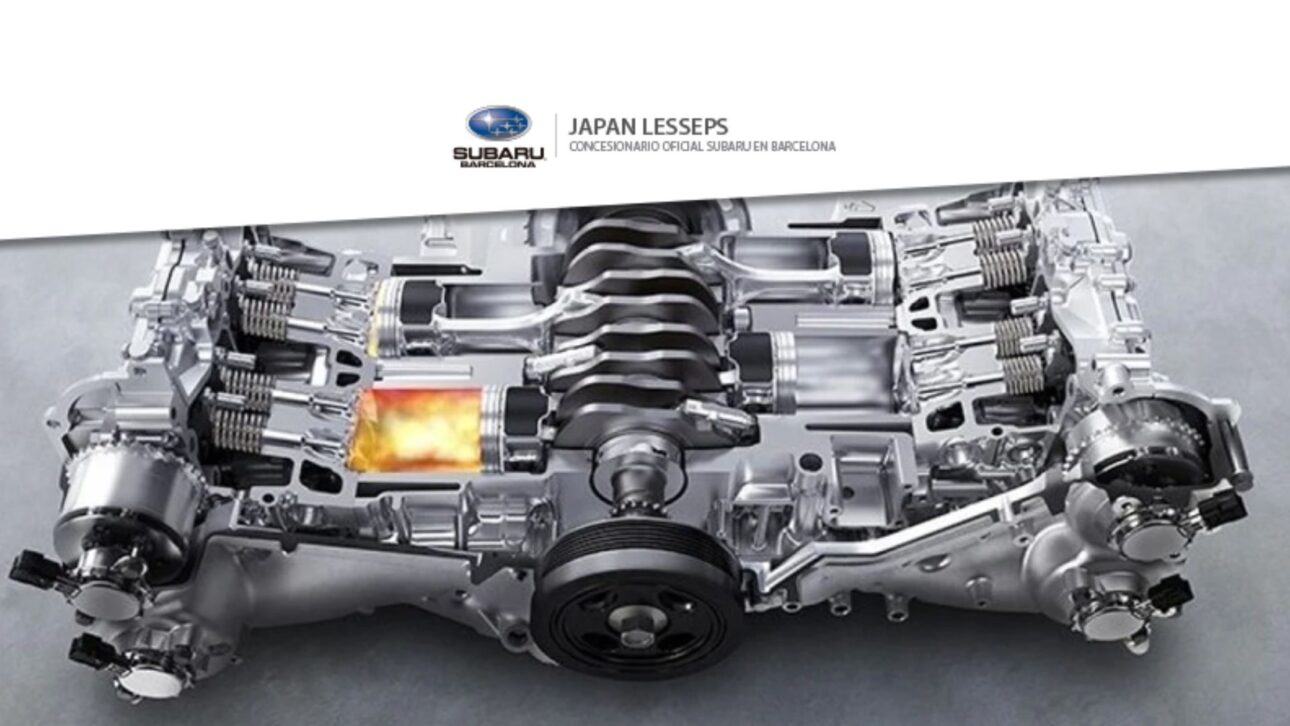
The Subaru Boxer engine is one of the central elements of the brand’s engineering.
In this type of architecture, the cylinders are positioned horizontally, on opposite sides, and the pistons move in opposing directions, as if throwing punches against each other.
This configuration lowers the center of gravity, improves stability in curves, and better distributes weight on the front axle.
Additionally, the almost universal use of the boxer engine throughout the lineup facilitates parts sharing, reducing complexity and contributing to lower maintenance costs.
Advancement of Hybrids and Electric Vehicles
The popularization of hybrids and electric vehicles requires continuous testing by automakers, which may increase the incidence of failures in early generations.
Consumer Reports indicates that these models still experience, on average, more problems than conventional combustion cars, although the difference is decreasing.
Automakers like Toyota, Honda, and Hyundai offer volume hybrids, such as Corolla Cross Hybrid, Accord Hybrid, and Kona Hybrid, which are beginning to accumulate real usage history.
Subaru has recently expanded its hybrid offerings with Forester Hybrid and Crosstrek Hybrid, in addition to revising its electrification strategy to prioritize hybrid systems and efficient combustion engines, accompanying the development of electric SUVs in partnership with Toyota.
Impact on Brazilian Consumers
For those looking to change cars, the results from Consumer Reports may influence purchase decisions.
The finding that Subaru leads the global reliability ranking, surpassing much more popular brands in Brazil, is likely to spark interest among consumers seeking used or niche imported cars.
At the same time, factors such as parts availability, insurance, dealership network, and depreciation remain crucial in the Brazilian landscape.
Even so, Subaru’s new prominence may lead more buyers to reevaluate their choices and pay closer attention to durability data before deciding which car to take home.







Subaru só faz carro **** leia -se forester **** muito caro sem contar que mesmo que a marca fosse popular no pais poucos iriam querer dar 250 mil nesse carro ja q tem a BMW e fora que esses **** **** nao abaixariam o preço por nada pra ser competitivo por isso prefiro os carros chinês eles vendem os tiggos, haval e BYD com preços muito barato e ainda entregam acabamento de primeira, entao os BR n liga se a subaru ta no brasil ou nao
Não quebra o motor, mas o câmbio pqp!
Realmente é triste o quanto o consumidor brasileiro despreza a Subaru e quanto a Subaru despreza o consumidor brasileiro, deixando a marca morrer na mão do grupo CAOA, que jamais irá promover a marca Subaru colocando em risco a CAOA Cherry. Quem dirige um Subaru não quer outro carro, principalmente se for em pista molhada ou irregular. A Subaru Japão deveria abrir os olhos para o nosso país e o nosso país abrir os olhos para a Subaru ao invés de buscar **** de carros chineses, como BYD por exemplo.