





 Portuguese
  English
  Spanish
  4 min of reading
  1 comment


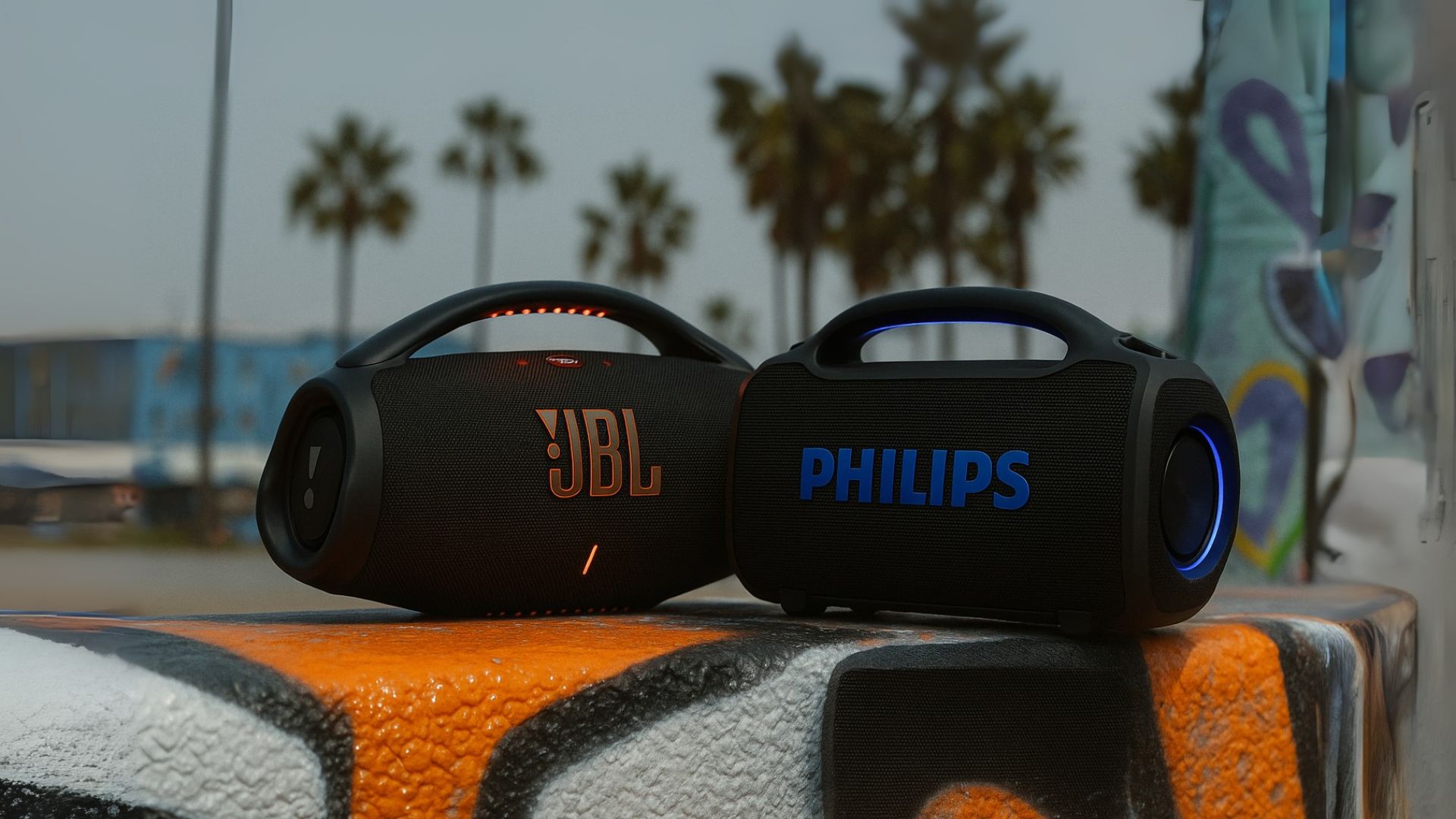


The Brazilian Market Welcomes Two Launches of Premium Speakers in 2025 That Promise to Shake the Segment With a Focus on Power, Autonomy, and Durability, Offering Distinct Proposals for Demanding Consumers and Lovers of Music Outdoors.
The premium portable speaker segment in Brazil gained two important reinforcements in 2025.
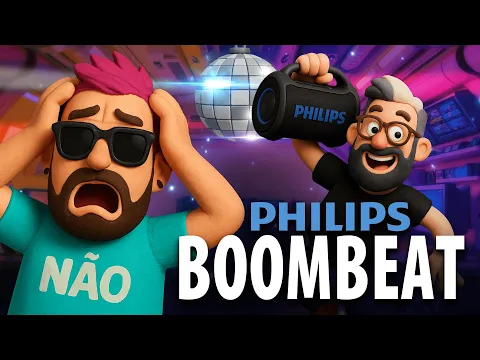
On one side, the Philips Boombeat TAX400B, a new product that bets on a raw power of 200W, practical design with a removable handle, and extra features like karaoke.
On the other side, the JBL Boombox 4, the new generation of the brand’s most iconic line, which arrives even more powerful, with an autonomy of up to 34 hours and total water and dust resistance.
-
After decades of failed attempts, Brazil is once again looking to space with an orbital rocket measuring 12 meters, weighing 12 tons, costing R$ 189 million, and scheduled for launch in 2026, in a new race to finally achieve autonomous access to orbit.

-
The Earth will plunge into a few minutes of darkness in broad daylight in August 2026, when a total solar eclipse transforms the sky into one of the most impressive astronomical phenomena in recent years.

-
How the terraforming of Mars can transform the planet: artificial aerosols can increase the temperature by up to 35°C in 15 years, creating conditions for liquid water.

-
Scientists drilled nearly 8,000 meters into the ocean floor above the fault that caused the 2011 tsunami in Japan and discovered that a layer of clay 130 million years old was responsible for making the wave much worse than any model had predicted.


These launches reflect global trends in the sector.
Consumers want versatile speakers that can function at both pool parties and outdoor trails, but they also demand sound power comparable to larger audio systems.
Sound Power and Bass Features
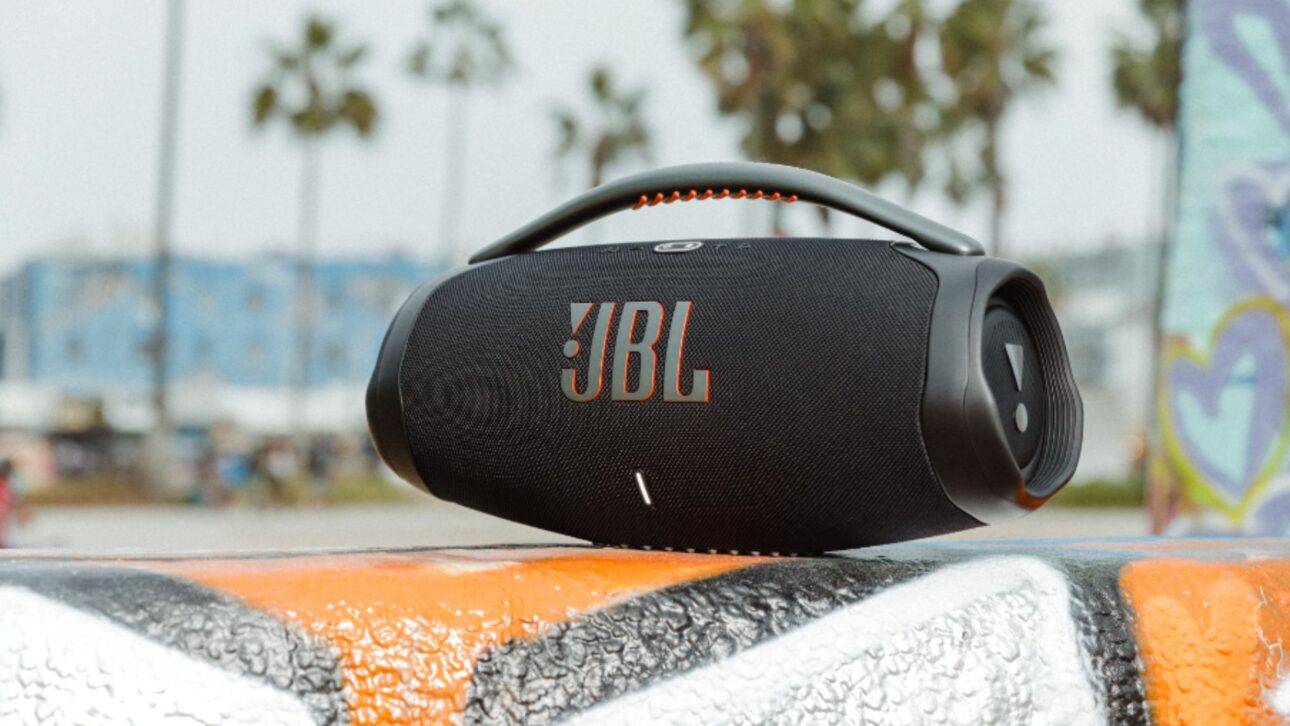
The Philips Boombeat impresses by announcing 200W of real power, a value that places it among the strongest in the category.
The model also features the Dynamic Bass Boost (DBB) capability, which enhances bass in music that requires additional impact.
The brand promises a balance between robust bass and clear treble even at higher volumes.
The JBL Boombox 4 relies on advanced acoustic engineering.
It has two 5″ woofers (65W RMS each in AC mode), two 0.75″ tweeters (40W RMS each), and three passive radiators, a combination that ensures intense bass and definition in mids and highs.
The difference is the AI Sound Boost, which adjusts the sound in real time to reduce distortions.
Another highlight is the bass customization, with two options:
- Deep Bass, which emphasizes deep sub-bass.
- Punchy Bass, which offers firmer and faster beats.
Battery Autonomy
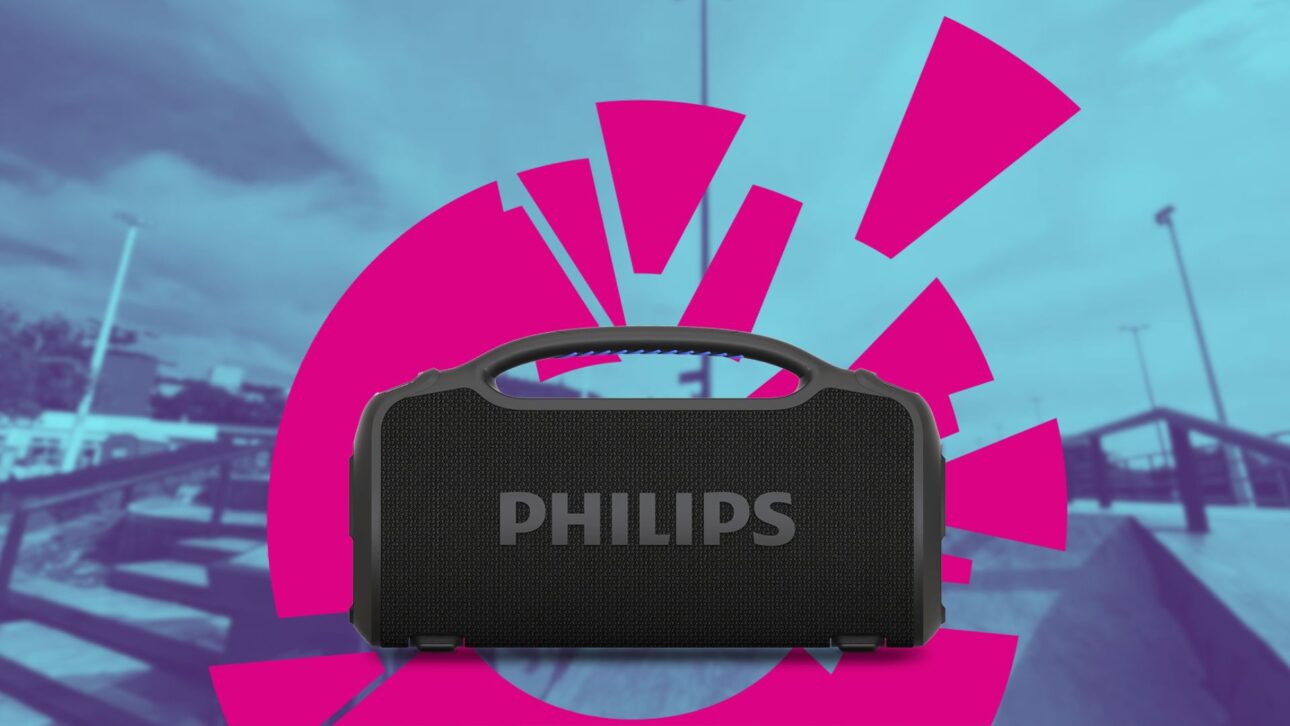
The battery competition shows distinct philosophies.
The Philips Boombeat offers up to 15 hours of continuous playback and also works as a 4,500 mAh power bank, capable of charging smartphones without interrupting the music.
Meanwhile, the JBL Boombox 4 practically doubles that time.
It provides 28 hours of standard playback and up to 34 hours with the Playtime Boost feature, ensuring use for entire days without needing a recharge.
Resistance and Durability
Both speakers were designed for outdoor environments but offer different levels of protection.
The Philips Boombeat has an IP66 rating, which protects against dust and strong water jets, sufficient for the beach, pool, or trails.
The JBL Boombox 4 offers an IP68 rating, allowing submersion in water and total protection against dust.
Additionally, the Boombeat comes with a removable handle, designed for mobility, while the Boombox 4 has been redesigned, remaining larger, yet lighter than its predecessor, with a width of 51 cm and a weight of 5.89 kg.

Connectivity and Extra Features
The Philips Boombeat focuses on versatility:
- Bluetooth with a range of up to 25 meters
- auxiliary input and USB port
- microphone input, which allows using the speaker as a karaoke machine or microphone at events
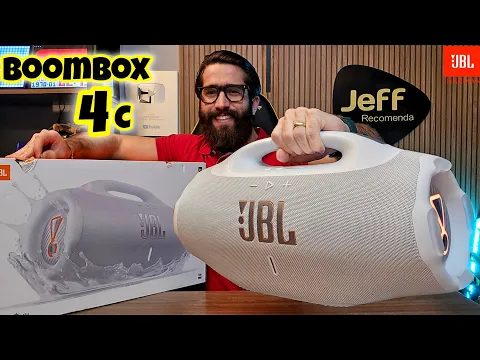
The JBL Boombox 4 invests in modern connectivity:
- Bluetooth 5.4 for greater stability
- Auracast™, which connects multiple JBL speakers
- PartyBoost, which expands the sound stage
- USB-C port for charging mobile devices
Design and User Experience
The Philips Boombeat bets on practicality with its detachable handle, allowing shoulder transport, and compact body, ideal for quick movements.
The JBL Boombox 4 preserves the robust aesthetics of the line but with optimized ergonomics and intuitive controls on the top panel, including a dedicated button for bass enhancement.
Price and Positioning
The JBL Boombox 4 arrives in Brazil for R$ 3,199.00, reinforcing its premium profile.
The Philips Boombeat has not yet had an official price disclosed, but the expectation is that it will be more accessible, targeting consumers who want power and durability without investing at JBL’s level.
Final Verdict
- Philips Boombeat: suitable for those seeking 200W of power, multiple connections, integrated karaoke, and a competitive price. A choice focused on cost-effectiveness and medium-sized parties.
- JBL Boombox 4: ideal for those who prioritize battery life of up to 34 hours, IP68 resistance, customizable bass, and advanced connectivity. A speaker for long events and technology-demanding users.
With different proposals, both models show that the competition in 2025 goes beyond power. It’s about offering distinct experiences for distinct consumer profiles.
And you, would you choose declared power with versatility or autonomy and premium connectivity to keep the party going endlessly?








How can it reach Uganda if I wanted one