





 Portuguese
  English
  Spanish
 4 min of reading
  12 comments


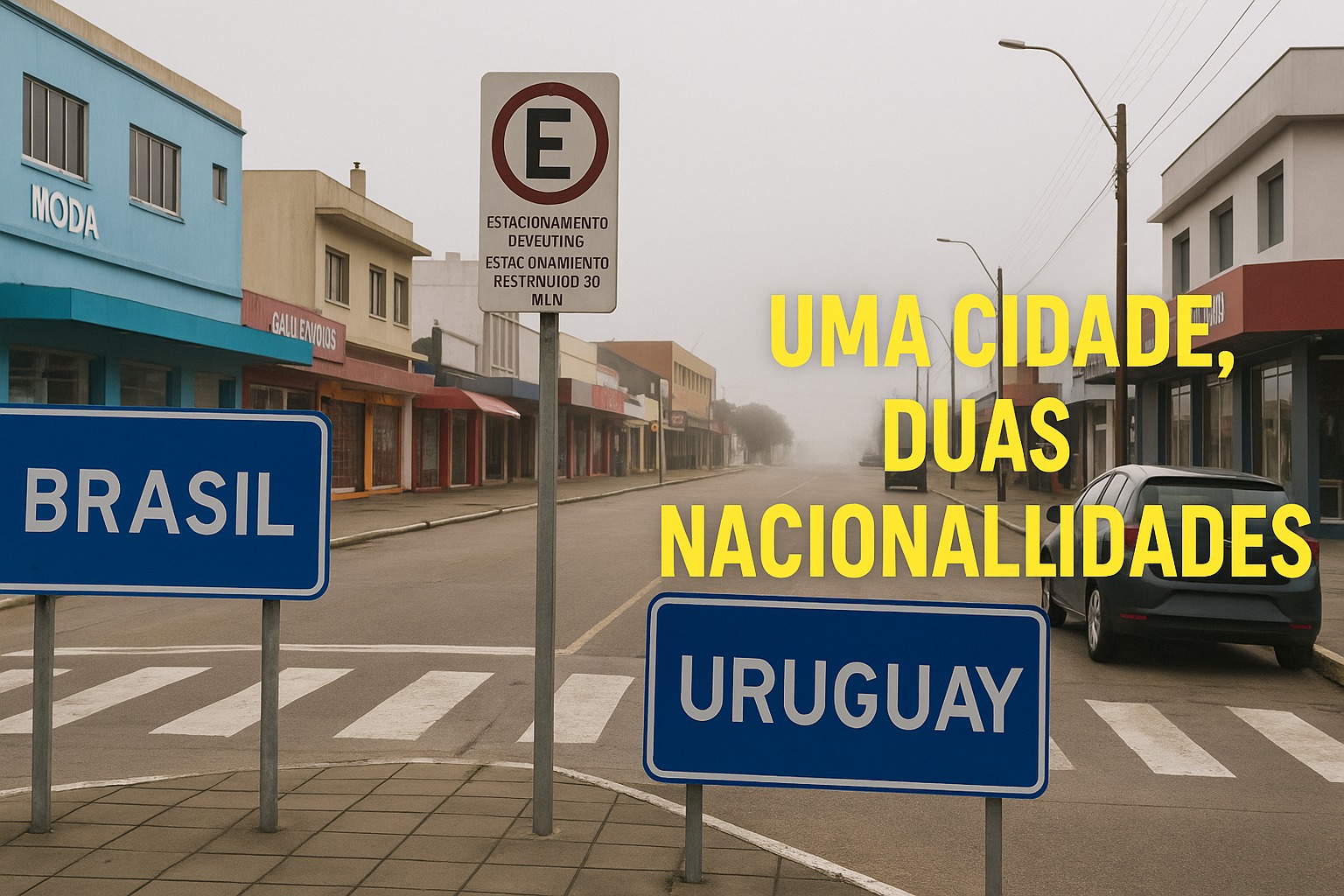


Located in the southernmost part of Brazil, the city of Chuí offers unique landscapes, intense binational life, and a daily life marked by direct coexistence with Uruguay
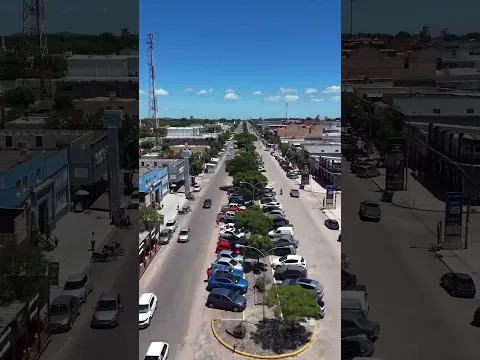
Located in the southernmost part of Brazil, Chuí appears on the map as the southernmost municipality in the national territory. The geographical position highlights the city because it creates an environment in which the feeling of being on the border happens at every corner. In several urban stretches, it is enough to cross the street to change countries, something that surprises those arriving for the first time.
This characteristic also influences the daily lives of the residents, as coexistence with Uruguayan culture is part of the routine.
Additionally, visitors notice how this exchange is present in the language, cuisine, and even in the way commerce works in both directions of the avenue separating Chuí from Chuy.
-
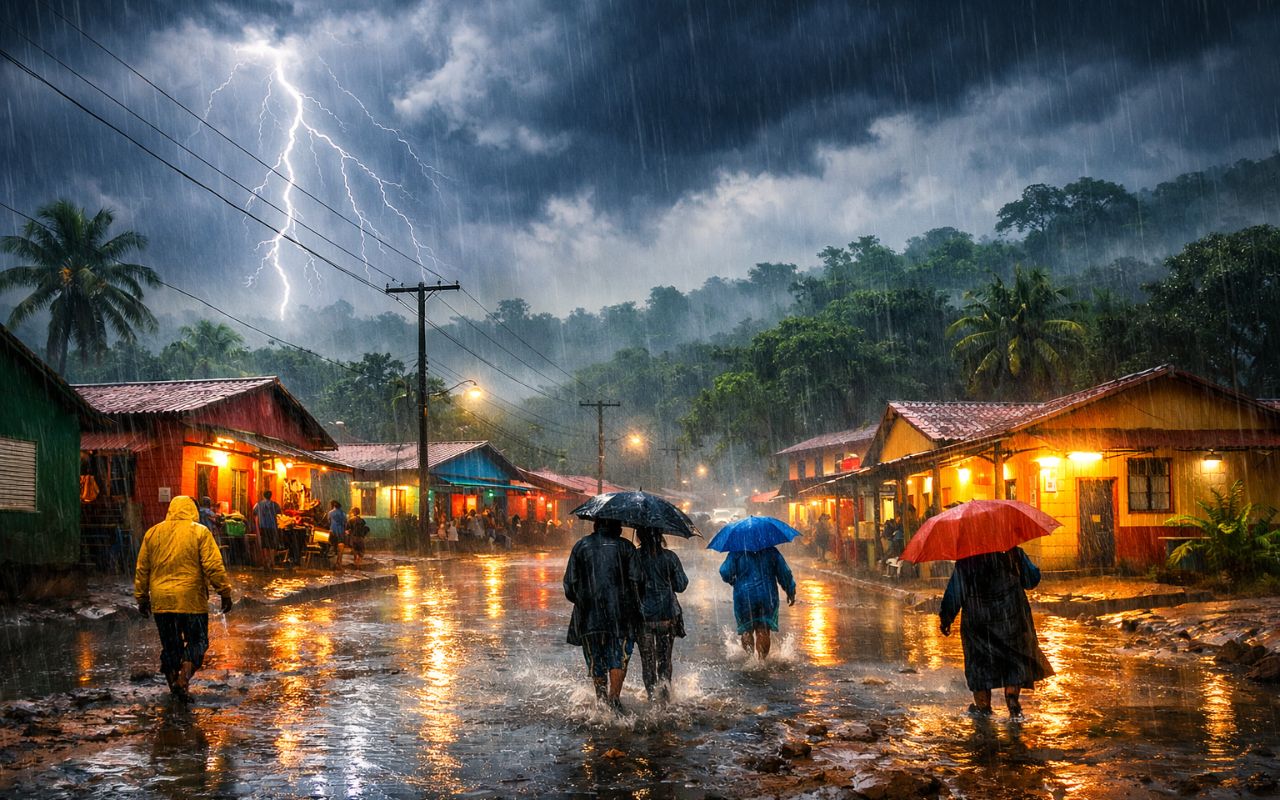
It seems to have come out of a science fiction movie: A Brazilian city where it rains almost every day, recording over 4,000 mm per year, driven by climatic factors — a direct result of its strategic location in the Amazon.
-
The water crisis that could change everything this year has already begun; it’s not just about the climate, it affects technology, raises product prices, and can halt entire companies without warning.

-
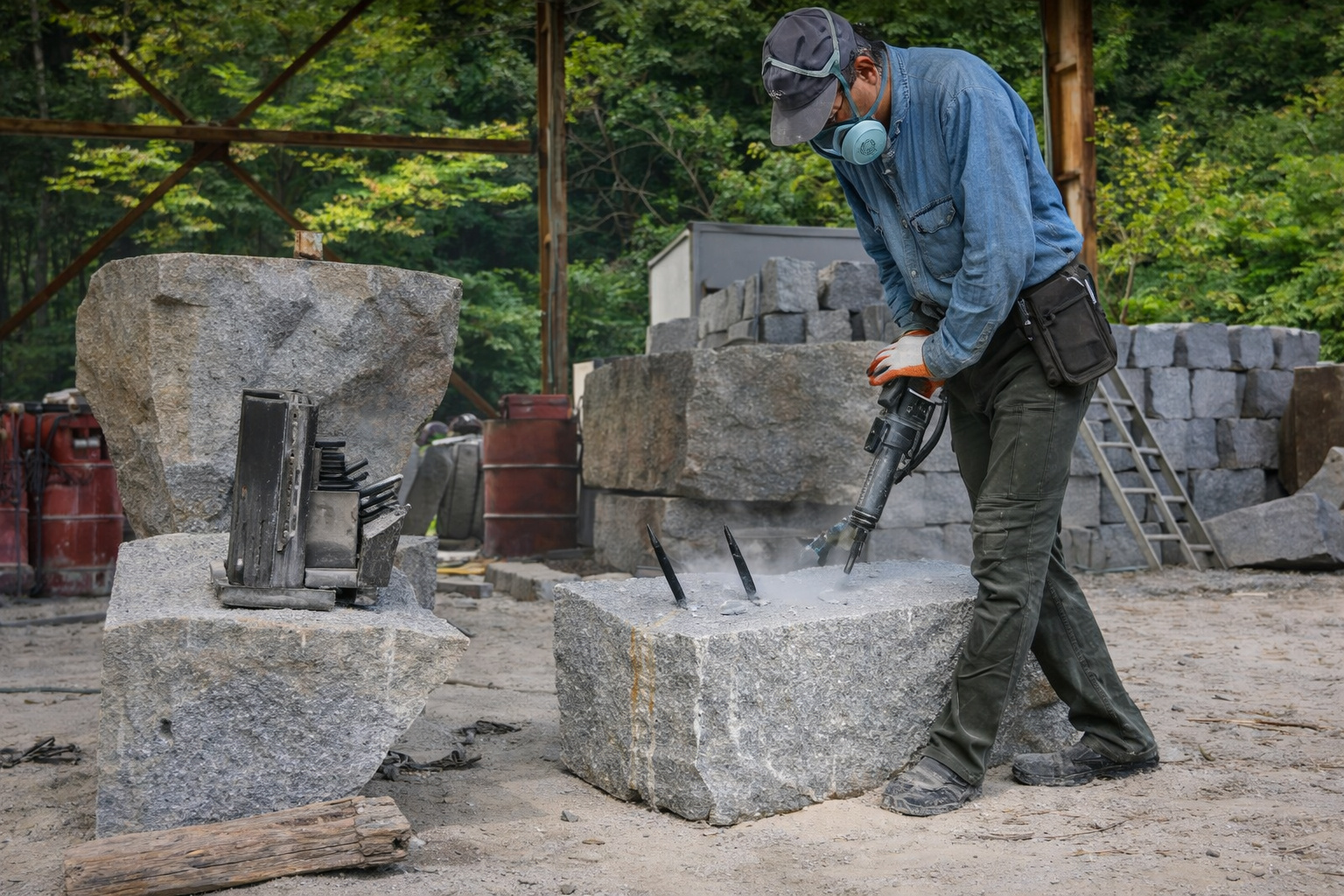
A Japanese mason transforms raw granite into small cups and handcrafted utensils, collects giant stones, cuts with precision, and impresses with detailed manufacturing and finishing.
-
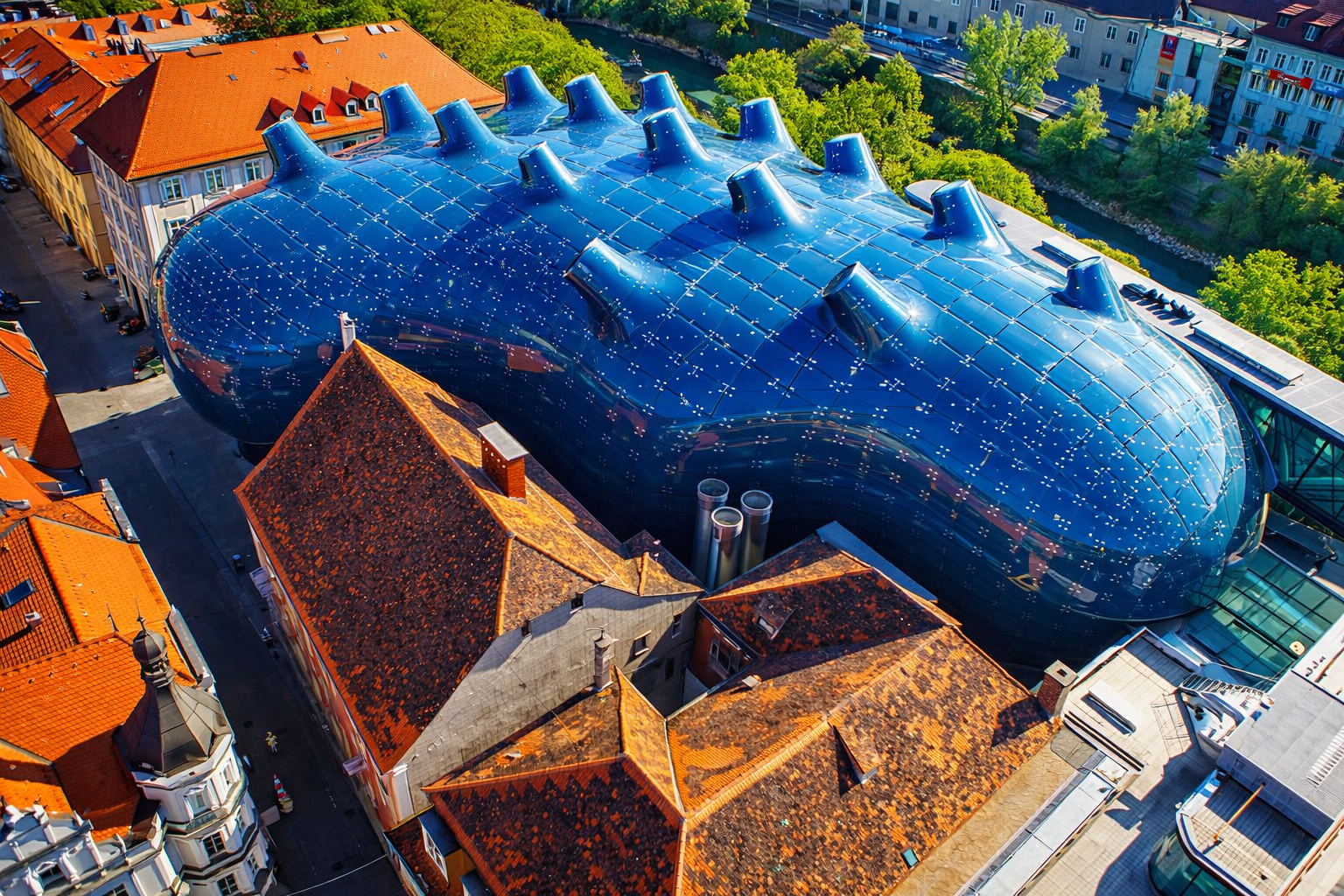
With 1,066 acrylic panels, the building known as the friendly alien is supported by a steel skeleton, has a façade that functions as a giant screen, and impresses the world without any internal columns.
Daily Life Marked by Cultural Mixture
The city, located in Rio Grande do Sul, offers a backdrop that combines elements from both countries. This composition appears in the buildings, flavors, and commerce, which benefits from the constant flow of tourists and residents.
Therefore, those who arrive find products from both nationalities, as well as services that cater to both Brazilians and Uruguayans.
At the same time, Chuí attracts visitors seeking typical experiences from border regions. The daily contact between the populations reinforces the idea of integration, as many social relationships are formed precisely in this binational environment.

Known Tourist Attractions in Chuí
The strategic location of the city arouses curiosity by itself, but tourism goes beyond the extreme point on the map.
One of the highlights is the Lagoa do Peixe National Park, recognized for the preservation of migratory birds from North America.
It is a valued environment because it allows the observation of species that use the area as a natural route.
Another highly sought-after spot is the Dividing Marker, a symbol of the separation between Brazil and Uruguay. Many visitors stop at the site for photos and quick walks, as access is straightforward.
The Chuí Lighthouse also stands out. It offers a wide view of the Atlantic Ocean, as well as direct contact with the coastal environment.
Chuí Beach, marked by extensive dunes and open sea, attracts those seeking tranquility and different landscapes. The weather usually favors walks and outdoor sports, expanding leisure options.
The Symbolic Strength of the Border
The city has become a symbol of the relationship between Brazil and Uruguay because it is adjacent to Chuy, on the Uruguayan side.
The separation occurs via the avenue that crosses both urban centers, allowing anyone to easily transit between the countries. This dynamic gives Chuí a special role in the identity of the southern border.
Cultural differences can be perceived quickly. Signage mixes Portuguese and Spanish, reflecting the communities that coexist side by side.
Many stores follow distinct legal guidelines, as they are aligned with the rules of each country. This creates a singular environment where visitors notice contrasts and similarities at the same time.
Furthermore, duty-free shops are an important part of the commercial landscape, offering imported products by taking advantage of tax benefits.
Another observed point is that occasional typical festivals can occur binationally, further reinforcing this socio-cultural integration.

Curiosities That Make Chuí Special
Among the most mentioned peculiarities is the fact that the municipality is the southernmost in Brazil. This detail attracts many people interested in geographical extremes to visit the region.
There are also bilingual signs and maps precisely indicating where Brazil ends and Uruguay begins.
Another curious element is the acceptance of both currencies in commerce. Both the real and the Uruguayan peso circulate naturally, facilitating purchases for residents and tourists.
The fiscal and transit differences appear immediately, as a single step can place visitors in a distinct set of rules.
It is common to see vehicles with plates from both countries, in addition to residents accustomed to shopping in both cities.
Chuí brings together communities from different nationalities, reinforcing cultural diversity. Therefore, visiting the municipality is entering an environment marked by constant exchanges.
As one walks through streets, squares, and establishments, it is evident that this border symbolizes balance. The city preserves local traditions while also incorporating Uruguayan influences.
The result is a unique destination within the South American continent, where cultures coexist naturally and continuously.
With information from Terra.






O jornalista desconhece totalmente seu país. Texto ridículo. Se faz necessário mais estudo e cuidado. O redator esta despreparo para escrever algo que será publicado
Santana do Livramento -RS e Rivera/Uruguai é a única fronteira do mundo que a praça principal O Parque Internacional é metade do Brasil e metade do Uruguai, somos a fronteira da paz, onde não temos nada nos separando, somos coladas uma na outra, onde podemos tirar uma foto estando em dois paises ao mesmo tempo na Praça internacional com uma bandeira de cada lado.
Santana do Livramento (Brasil) e Rivera (Uruguai): Formam a “Fronteira da Paz”, uma conurbação urbana onde a linha divisória passa por avenidas e praças.
Chuí (Brasil) e Chuy (Uruguai): A fronteira é a Avenida Internacional, sendo a cidade mais meridional do Brasil.
Quaraí (Brasil) e Artigas (Uruguai).
Aceguá (Brasil) e Aceguá (Uruguai).
Barra do Quaraí (Brasil) e Bella Unión (Uruguai): Esta cidade também faz parte da tríplice fronteira com a Argentina.