





 Portuguese
  English
  Spanish
  3 min of reading
  0 comments


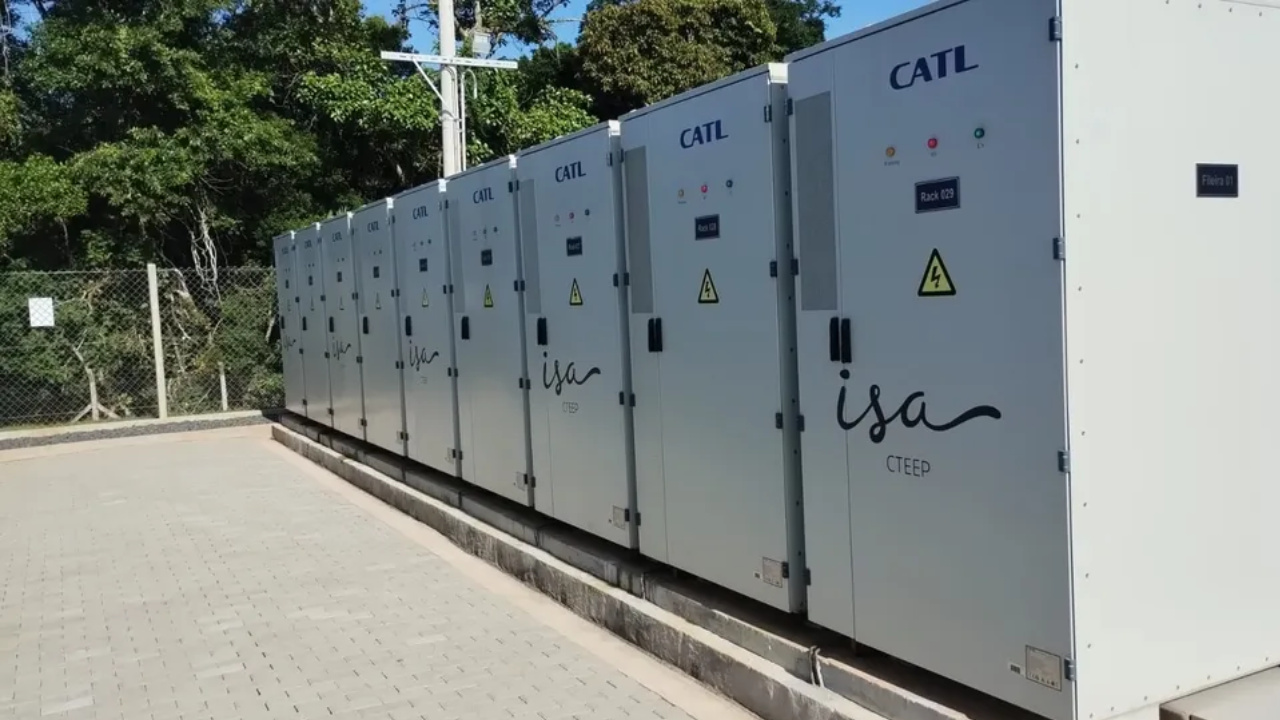
Brazil Prepares Its First Electricity Auction with Large-Scale Batteries. Tesla, Huawei, and Petrobras Show Interest. Understand How This Can Impact Electricity Bills and Energy Security.
The Brazilian electricity sector is about to undergo one of its largest transformations in its recent history.
In April, the country is expected to hold its first large-scale battery auction, an initiative that promises to reorganize how electricity is stored, distributed, and consumed.
This measure comes at a critical moment. Solar and wind energy generation is growing rapidly; however, at the same time, a significant portion of this production is wasted due to lack of demand at the right time.
-
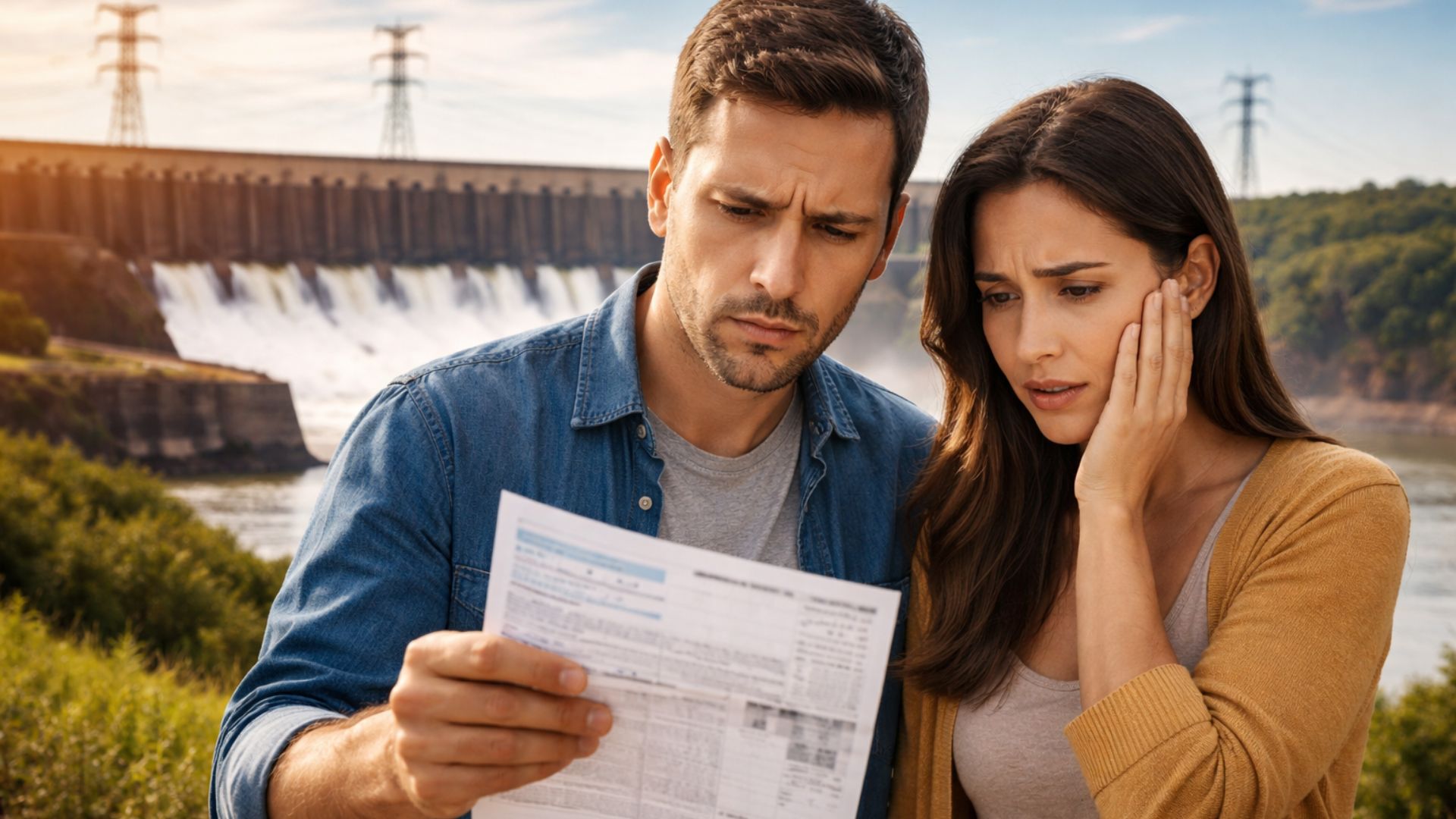
Brazilians paid R$ 18 billion more for energy from the Itaipu plant, reflecting a direct impact on tariffs and generating discussions about costs, transparency, and balance in the national electricity sector.
-
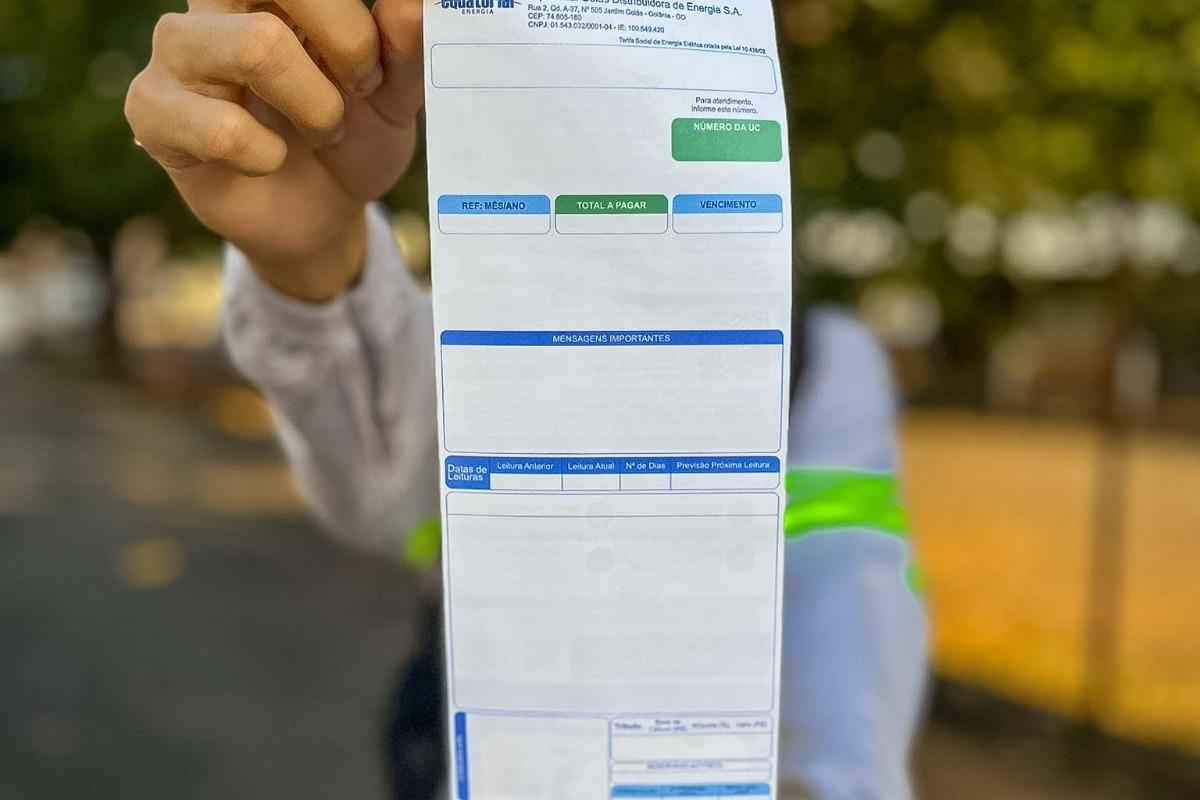
Equatorial adopts new national number for consumer units on electricity bills starting in April, following ANEEL standards and modernizing energy bills in several states.
-
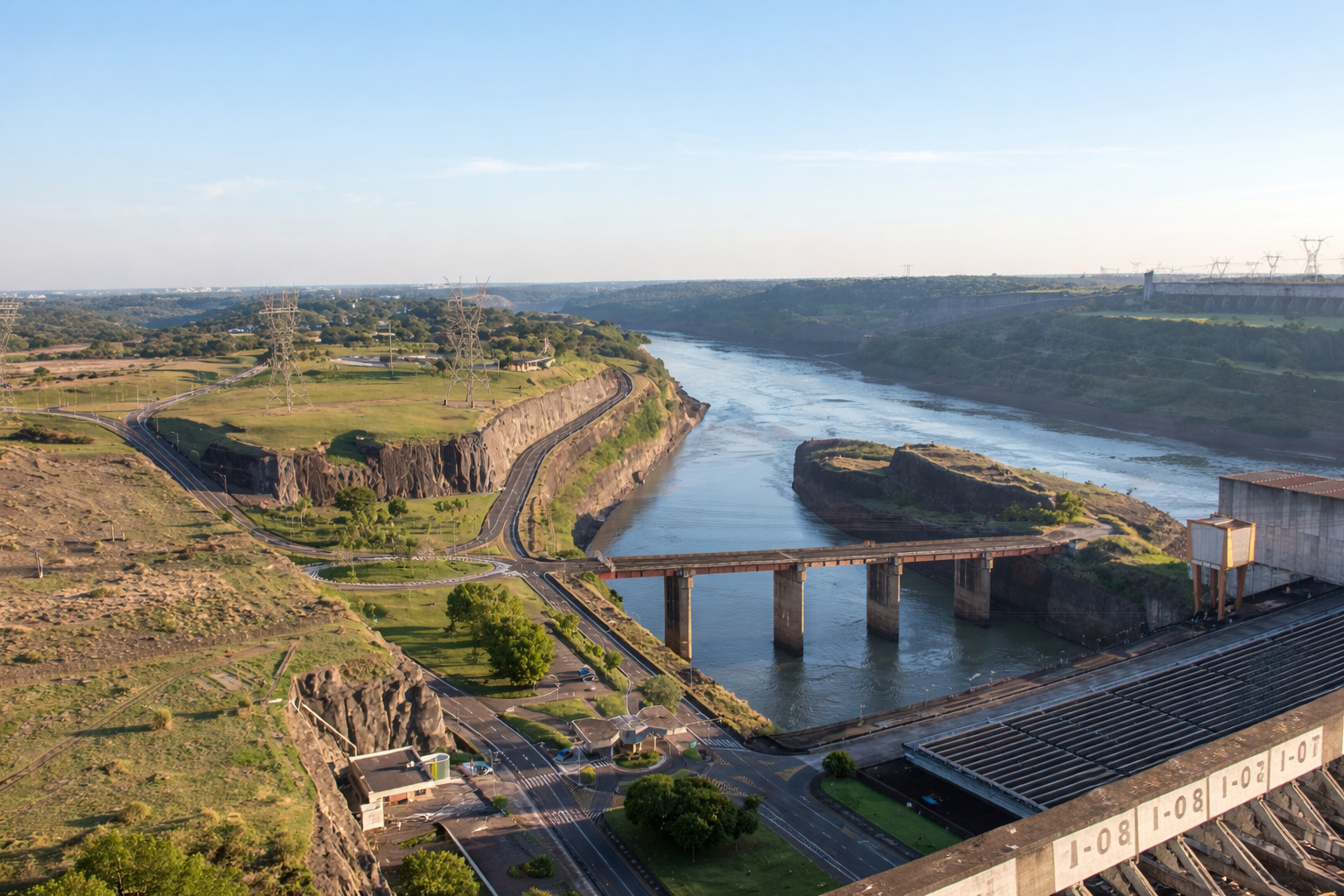
Itaipu Impresses the World: Hydroelectric Plant with 20 Turbines and 14,000 MW Generates Over 2.9 Billion MWh and Leads Global Clean Energy Production
-
Aneel Revokes CMAA Thermal Power Plants After Network Restrictions and Excess Energy in the System

This problem is known as curtailment, or generation cut. And this is precisely where batteries come in.
The Waste Problem That Costs Billions
In 2025, Brazil lost, on average, about 26% of solar generation and 19% of wind generation due to cuts, according to data from BloombergNEF. This represents an estimated loss of R$ 7 billion. In other words, clean energy was produced but could not be utilized.
With storage systems, this electricity could be saved and returned to the grid when demand is higher, avoiding losses and reducing costs for consumers and businesses.
The federal government expects the auction to secure 2 gigawatts of battery capacity. BloombergNEF projects that the country could add around 1.3 gigawatts per year until 2030.
This movement does not go unnoticed. During the public consultation, companies like Tesla, Petrobras, Axia Energia, and several Chinese companies submitted contributions. Between 2007 and 2024, electric sector projects represented 45% of all Chinese investments in Brazil, totaling US$ 35 billion, according to the Brazil-China Business Council.
Why Are Batteries Essential for Electricity?
Batteries function as a kind of “water tank” for electricity. They store electricity when there is excess and release it when consumption increases. Thus, they help to:
- Prevent blackouts;
- Reduce waste of renewable energy;
- Stabilize the electrical system;
- Decrease reliance on expensive thermal power plants.
Neighboring countries have already advanced. Chile plans significant expansion in the coming years. Argentina contracted 667 megawatts in its first auction. Mexico announced 2.2 gigawatts in its expansion plan.
China leads global battery production and dominates the entire supply chain, from the cell to the finished system. According to Markus Vlasits, president of Absae, the Brazilian industry association, “China controls everything from the manufacturing of battery cells to the production of the necessary inputs to make those cells”.
Companies like Huawei, State Power Investment, China Energy Engineering, and China Three Gorges are already operating in Brazil and want to expand their presence. Huawei, for example, plans to compete for contracts as a supplier of equipment and systems integrator.
“Our strategy is to find partners to work together and win the auction,” said Roberto Valer, director of technology at Huawei Digital Power Brazil.
What Changes for the Average Consumer?
With more stability in the system, the expectation is fewer blackouts, less waste, and, in the medium term, lower electricity bills. Additionally, electricity is expected to become more predictable, benefiting industries, businesses, and households.
Brazil could become one of the largest storage markets in Latin America, attracting capital, technology, and new jobs.
Do you believe that batteries can finally end the waste of electricity in Brazil and reduce your electricity bill?









Seja o primeiro a reagir!