





 Portuguese
  English
  Spanish
  10 min of reading
  0 comments


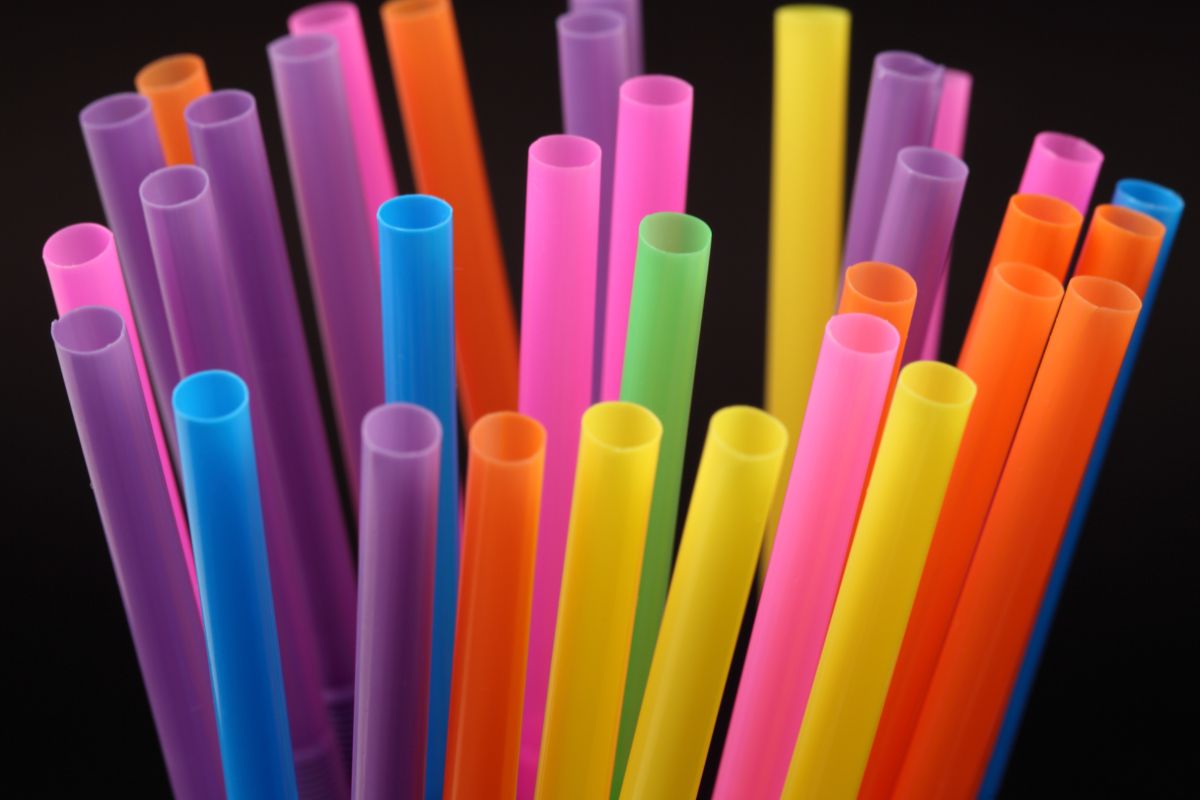
An In-Depth Exploration of the Evolution of the Plastic Straw, From Its Ancient Origins and the Invention of the Modern Straw to Its Rise as an Ubiquitous Consumption Item and Its Critical Reappraisal in Light of Contemporary Environmental Challenges.
It is undeniable that the plastic straw occupies a significant space in our affectionate memories. Who, after all, does not remember the pleasure of sipping a cold soda after school, a creamy milkshake from childhood, or a refreshing juice in a laid-back establishment?
They were there, strong and sturdy, adding a touch of practicality and an extra charm to our drinks. It was almost a ritual. We hardly thought about it, just grabbed it and went. And suddenly, it found itself at the center of a very important conversation about our dear planet.
It’s funny how things change. From an item we barely noticed, the plastic straw became a symbol of something we needed to rethink. Naturally, in this article, you will see practical guidelines for adopting a more balanced and sustainable lifestyle. We invite you to join us on this exploration.
-
Friends have been building a small “town” for 30 years to grow old together, with compact houses, a common area, nature surrounding it, and a collective life project designed for friendship, coexistence, and simplicity.

-
This small town in Germany created its own currency 24 years ago, today it circulates millions per year, is accepted in over 300 stores, and the German government allowed all of this to happen under one condition.

-
Curitiba is shrinking and is expected to lose 97,000 residents by 2050, while inland cities in Paraná such as Sarandi, Araucária, and Toledo are experiencing accelerated growth that is changing the entire state’s map.

-
Tourists were poisoned on Everest in a million-dollar fraud scheme involving helicopters that diverted over $19 million and shocked international authorities.


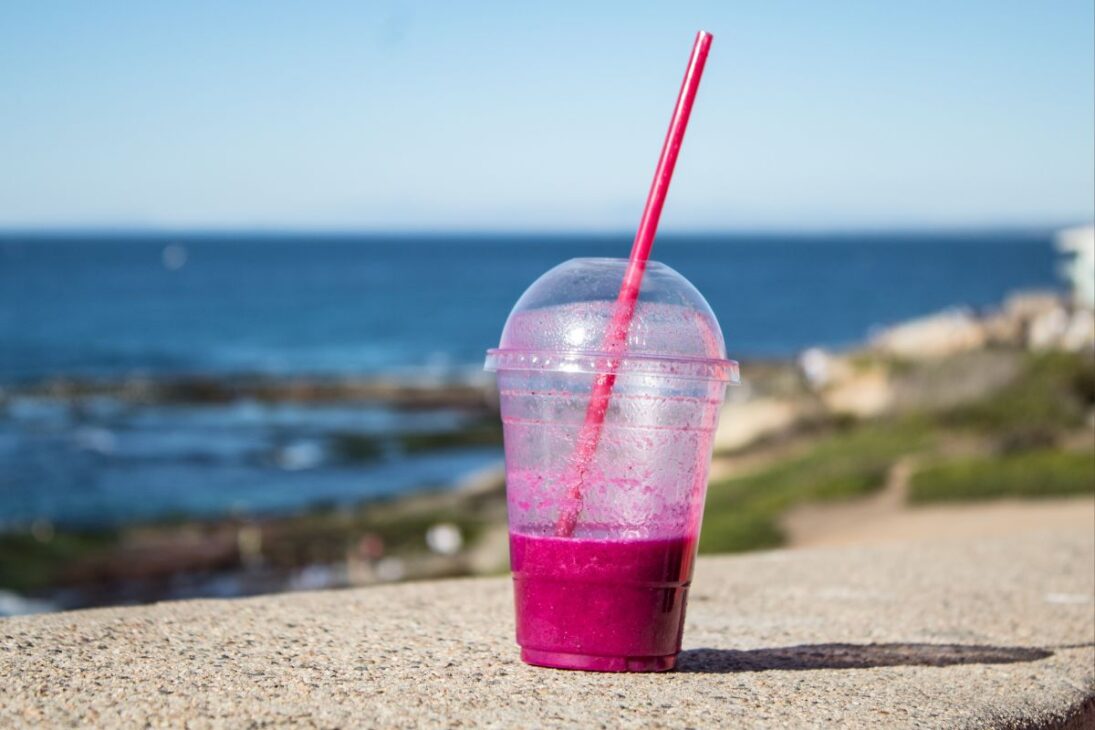
The History of the Straw: A Journey from Nature to Plastic
The idea of using a “little tube” to drink is not new. That saying, “nothing is created, everything is transformed,” perfectly applies to our beloved straw. Our ancestors used something similar back in Sumer, over 5,000 years ago. Fancy straws made of gold and precious stones to drink beer without getting the bits from the bottom.
Over time, every corner of the world invented its own version. In Argentina, they use the famous bombilla for mate, which is like a metal straw with a filter. And here in Brazil, older grandmothers might remember straws made from bamboo or reed.
The problem is that these natural straws were a bit “shameless”: they would dissolve in the drink, release some fibers, and could even leave a grassy taste… This situation called for a solution.
A Toast to Creativity: Meet Marvin C. Stone!
And it was exactly this “pain” that brought light to a very clever young man in the United States in 1888. His name was Marvin C. Stone. He was there, enjoying his favorite drink when his rye straw began to disintegrate. Marvin, who was already working with some paper rolls for cigarettes, had a world-changing idea: “What if I made a paper straw?”
He didn’t waste any time. He took some paper strips, rolled them around a pencil, glued them properly, and even coated them with wax so they wouldn’t melt in the drink. The paper straw was born! By 1888, he had a patent in hand and started his own company. Life became much easier after that. Beverages could be enjoyed without surprises in the mouth. This was an invention that brought much more hygiene and pleasure to our drinking breaks.
For a time, paper straws reigned. But, despite being good, they still had their quirks: they softened a bit in very hot drinks or if we took too long to drink. And production was somewhat costly. Something more durable, practical, and above all, that could be made in large quantities at a low price was needed. And that’s when plastic came into play.

The Party of the Plastic Straw: Unlimited Practicality and the Expansion of Production
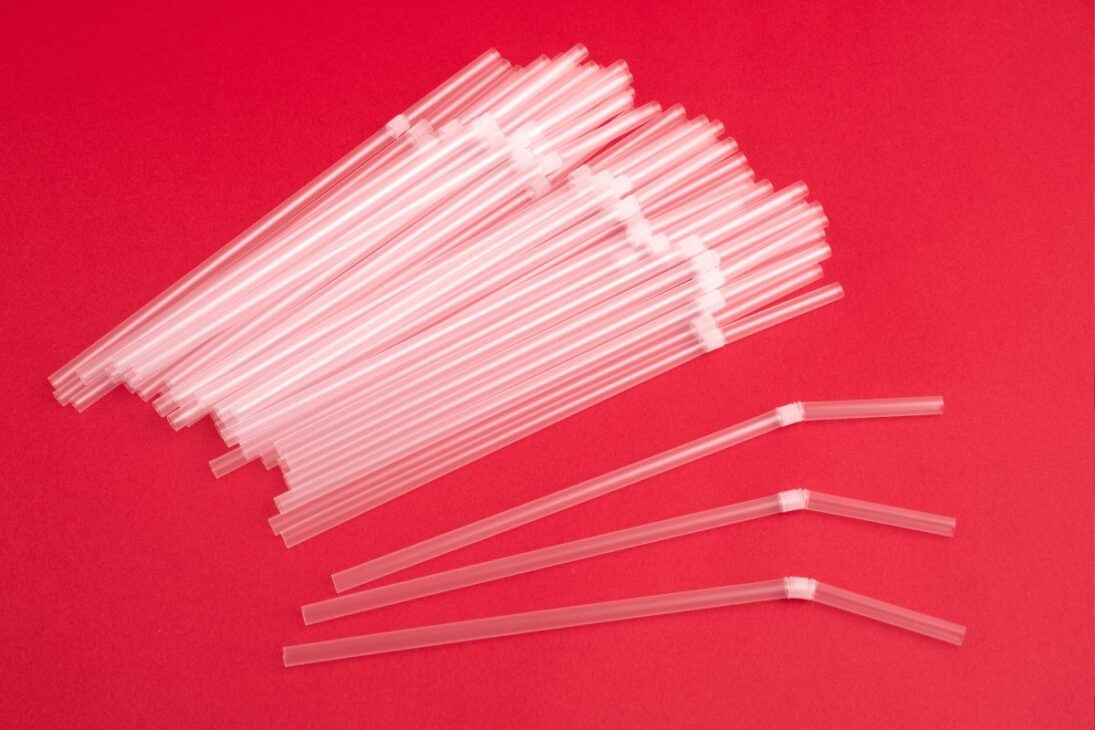
After World War II, plastic arrived in full force, promising an easier and more modern world. Plastics like polypropylene and polystyrene were like magic: very versatile, cheap to produce, and long-lasting. The switch from paper to plastic was natural, almost an evolution. The plastic straw didn’t melt, was stronger, and could be made in absurd quantities for a bargain price.
From the 60s and 70s, the plastic straw became the favorite of the people. Restaurants, snack bars, bars, even in our homes. It was everywhere, always on hand, often without us even asking. The practicality was so great that we hardly thought about the aftermath.
The Dark Side of Convenience: The Plastic Straw and Our Heart Concerned About the Environment
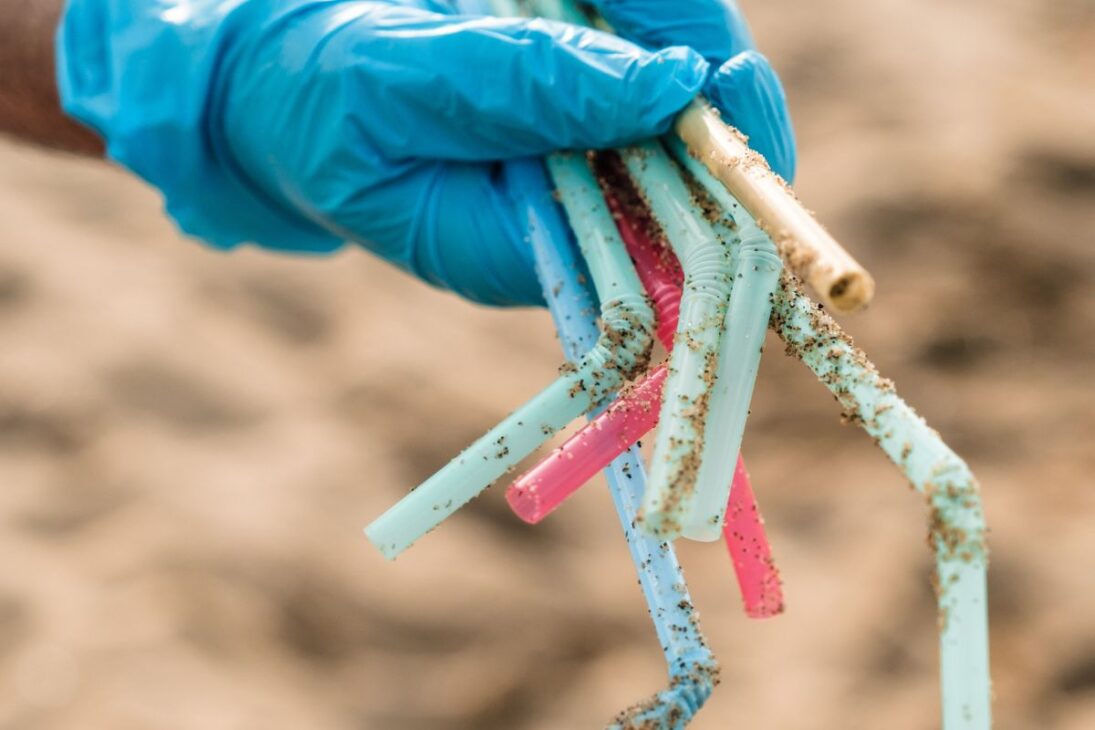
For a good while, we enjoyed the convenience of the plastic straw without realizing what would happen later. The crux of the matter is that, although we use it for just a few minutes, it stays around for centuries. No joke.
And when it begins to break down, it turns into micro-particles we call microplastics, which linger, tormenting nature for ages. And since most places don’t have perfect recycling, and we had this habit of “use it, throw it away,” billions of straws ended up in the wrong places.
In the United States alone, about 500 million plastic straws are used each year. That’s enough to fill 125 school buses every day. This mountain of plastic often ends up in our oceans, rivers, and on land, causing immense damage to wildlife and nature.
The images of turtles with straws up their noses, birds with bellies full of plastic, fish mistaking microplastics for food… these scenes touched us deeply. It became a global cry for help.
We started to truly open our eyes in the last decade. Heart-wrenching documentaries, creative campaigns, and those shocking images of trash islands in the ocean… all of this brought the plastic straw to the forefront of our debate on pollution.
Suddenly, what was harmless became the symbol of a consumption we needed to reconsider. Movements like “Skip the Straw” emerged, inviting us to say “no, thank you!” when we didn’t need one.
The Reinvention of the Straw: Solutions That Embrace the Planet
When we became aware of the environmental mess, human creativity exploded. Companies and we ourselves started looking for alternatives to the plastic straw. And lo and behold, some brilliant ideas emerged! It’s proof that we are capable of adapting, innovating, and finding cooler ways to do things. It’s as if we were embracing the planet with each new choice.
Sustainable Alternatives:
Check out how many wonderful options we have today:
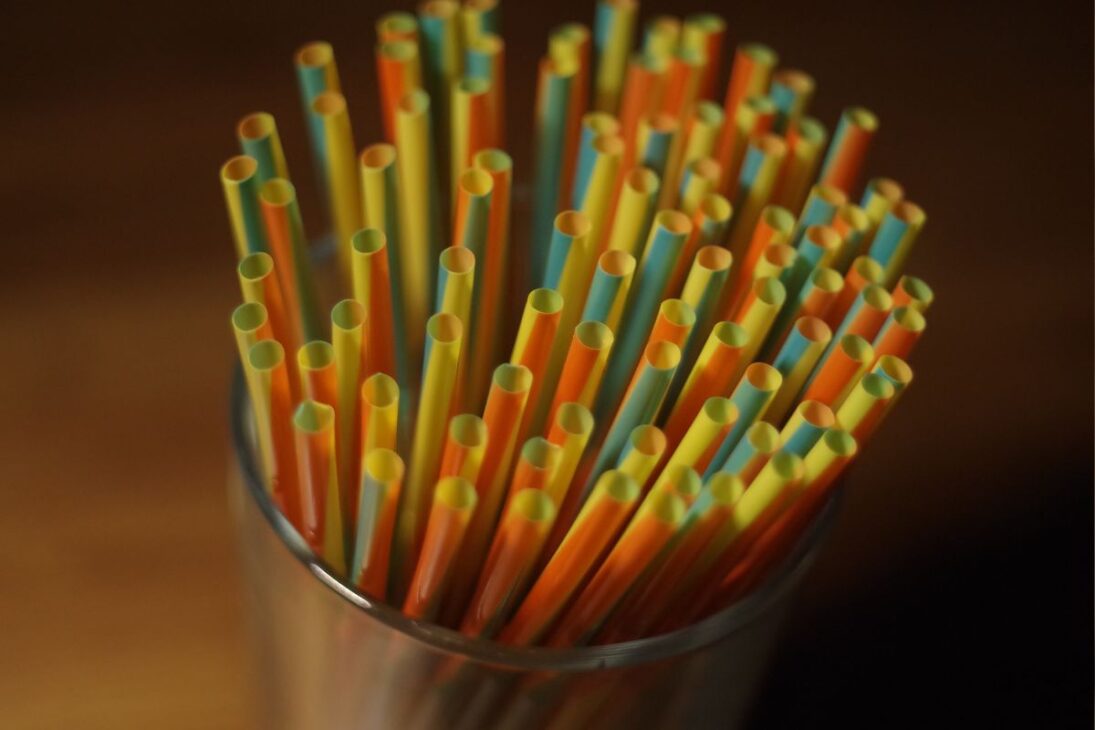
- Paper Straws: They’re back in style, but now much improved. They are more durable and decompose quickly. But of course, if the drink stays there for hours, it can still get a bit soggy.
- Bamboo Straws: They are natural, beautiful, biodegradable, and we can use them multiple times. A great choice for those who love everything that comes from nature. They just need care when cleaning and drying to avoid mold.
- Metal Straws (Stainless Steel): These are tough. They last forever, we wash and reuse them, and they usually come with a little brush for easy cleaning. An investment worth it for a lifetime.
- Glass Straws: They are beautiful, don’t alter the taste of the drink, and are also reusable. However, they are more delicate, so they require a bit more care to avoid breaking.
- Silicone Straws: Perfect for those who want convenience and safety. They are soft, flexible, durable, and great for kids. Easy to carry everywhere.
- Edible Straws (Made of Dough or Rice): You use them, and then you can even take a bite (they’re not always tasty, but you can!). Or throw them in the organic waste. It’s like a complete cycle, with no waste.
- Sugarcane Straws: A smart idea. Made from the leftovers of the sugar industry, they are compostable and environmentally friendly.
The Cry for Help Became Law: Our Choices Making a Difference
This “revolt” against plastic reached the ears of legislators. Governments worldwide began to say “enough!” to plastic straws. Famous cities like Seattle, Vancouver, and even countries like the United Kingdom and France put a ban on the use of disposable straws. The European Union also joined in.
Here in Brazil, several cities and states have also jumped on the bandwagon. Rio de Janeiro, for example, was one of the first to prohibit their provision in bars and restaurants back in 2018. And this prohibition isn’t just about plastic straws themselves; it’s a clear message: we need to change how we consume.
It’s a nudge for us to think twice before throwing something away and for companies to create more eco-friendly products. It’s as if we’re sending a love letter to the future of our planet.
These laws, which sometimes spark discussions, are very important. They shake companies to innovate and push us to change our habits. And the final message is this: the era of disposables, especially plastic that we use once and throw away, is numbered. And that’s great news!
The Future of Our Beverages: Beyond the Straw, Moving Towards a Lighter World
After all, the conversation about the plastic straw is just the tip of the iceberg. Therefore, we are now looking at everything: beverage packaging, disposable cups, as well as how things are delivered. In other words, everyone is thinking about how to be more planet-friendly.
Moreover, we are seeing more and more people using reusable bottles, and also systems where you can refill your bottle, and the good old glass making a strong comeback in packaging. Likewise, beverage brands are investing heavily to find ways to pollute less.
In this sense, the post-plastic-straw era is calling us for an amazing invitation: that is, to rethink how we consume everything. In other words, it’s not just about swapping one thing for another, but truly embracing the idea of ‘reduce, reuse, and recycle’ with more love and attention.
Thus, it’s a golden opportunity for us to be creative and create a system where waste is minimal and resources are highly valued. In summary, it’s like putting together a giant puzzle, and every piece we fit makes a difference.
The Challenges and the Hope for a Conscious Future
However, of course, it’s not magic, and consequently, it has its challenges: for example, the cost, whether everyone will have access, and whether we’ll get used to it… Nevertheless, the need to care for the environment is urgent.
Thus, I truly believe that the future of our beverages will be filled with conscious choices, innovative packaging, and a huge focus on living in such a way that we do not harm the place where we live.
In conclusion, the plastic straw may have been a symbol of the problem, but its “farewell,” on the other hand, opened the doors for a much deeper and hopeful conversation about how we can live in harmony with our Earth.
Every Discarded Straw is an Opportunity, Every Choice is a Hug for the Planet
The journey of the plastic straw is our story, of how we have evolved. From a practical and welcome solution, it became a loving (and urgent!) reminder that our choices have consequences. The story of Marvin C. Stone and his brilliant invention shows us how a small idea can spread and change the world, for better or for worse.
Today, we have the knowledge and alternatives. There are no more excuses. It makes no sense to continue using a disposable plastic straw when we don’t need to. Think with me: every time you say “no, thank you” to a straw, or when you pick up your reusable straw, you make a huge difference.
You are contributing to a cleaner sea, for animals to live in peace, and for a more sustainable future for everyone, including our children and grandchildren. The true revolution lies not in inventing something new, but in our ability to change, adapt, and love our planet more.
And you, what is your experience with reusable straws? Have you become a fan? Or do you have a funny story to share about the time you refused a plastic straw? Let’s chat in the comments below! I really want to know!
- Recommended Articles:
The Paper Clip – The Master of Organization That Almost No One Notices
Our Daily Questions Resolved:
The issue is not the size, it’s the quantity. Think with me: we use billions of these little things for a few minutes, and they stay around for hundreds of years, turning into little plastic crumbs (microplastics) that pollute everything. They are lightweight, so they fly easily and end up in rivers and the sea.
Each has its own way. The straws that we wash and reuse (metal, bamboo, glass, silicone) are our favorites because they prevent a lot of waste. Paper straws and edible ones are better than plastic but are still “single-use.”
The golden tip is: if you don’t need it, say “no, thank you!” with a smile! If you like drinking with a straw, bring your own in your bag. Try ones made of metal, bamboo, or silicone.
Not at all! It’s very important to remember that some people, due to health issues or disabilities, need a straw to drink comfortably. For them, flexible silicone alternatives are a hug. Or more durable paper straws.
It won’t solve everything at once. But it’s a giant step. It’s like turning on a light and showing that we care. The ban is a nudge for us to start thinking about all the types of plastic we use and how we dispose of them.










-

Uma pessoa reagiu a isso.