





 Portuguese
  English
  Spanish
  5 min of reading
  0 comments



The Surge In Car Prices In Brazil Reveals Structural Changes In The Industry, Combining Safety Requirements, Rising Steel Costs, And New Tax Rules Affecting Consumers Directly.
In a video published this Tuesday (9), investor Thiago Nigro from the channel Primo Rico stated that “there is a great chance that in the coming months, car prices will start to skyrocket.”
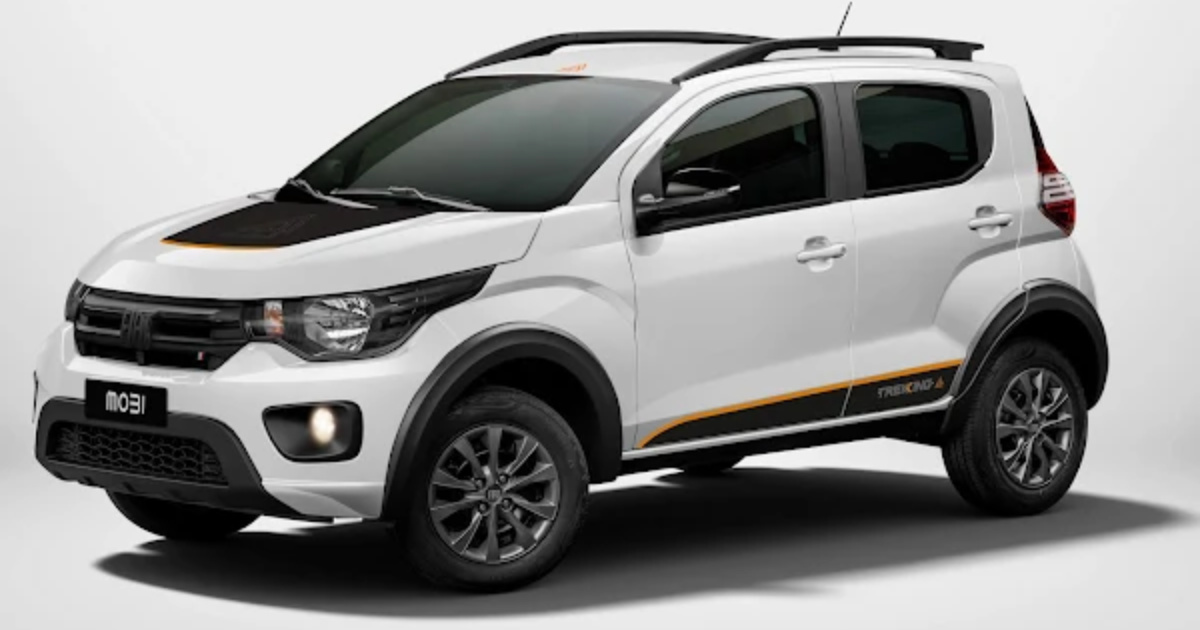
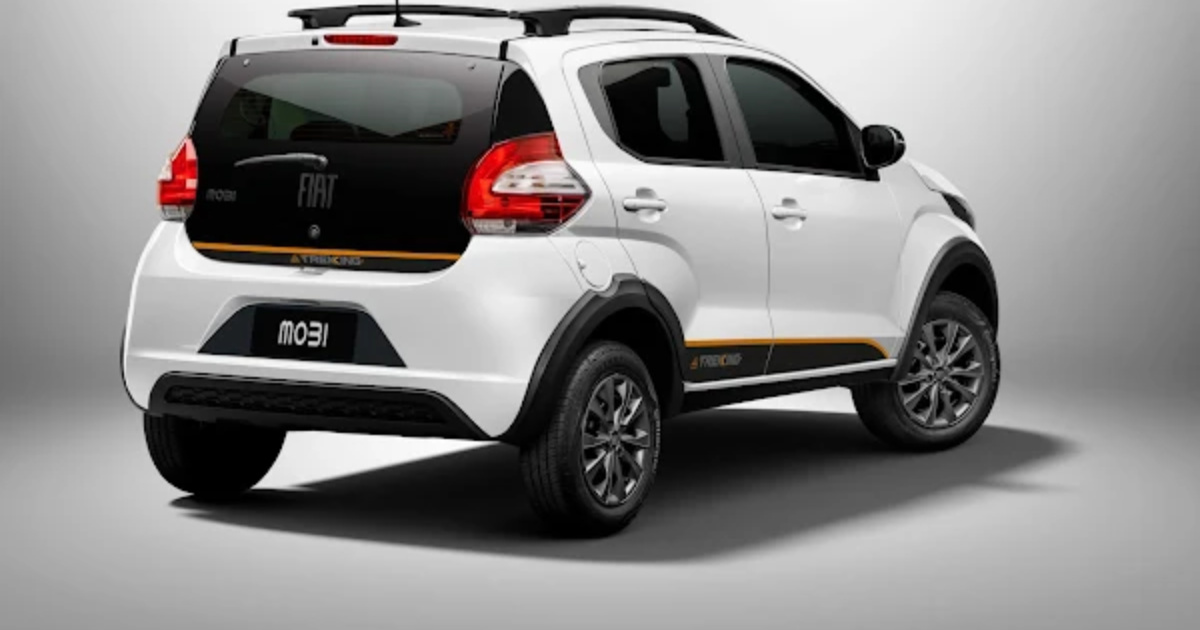
To support the alert, he compared the trajectory of the Fiat Mobi since its launch in April 2016 to today and related three pressure vectors: heavier cars due to safety equipment, rising steel costs, and new tax rules.
According to him, the combination of these factors tends to keep prices high.
-
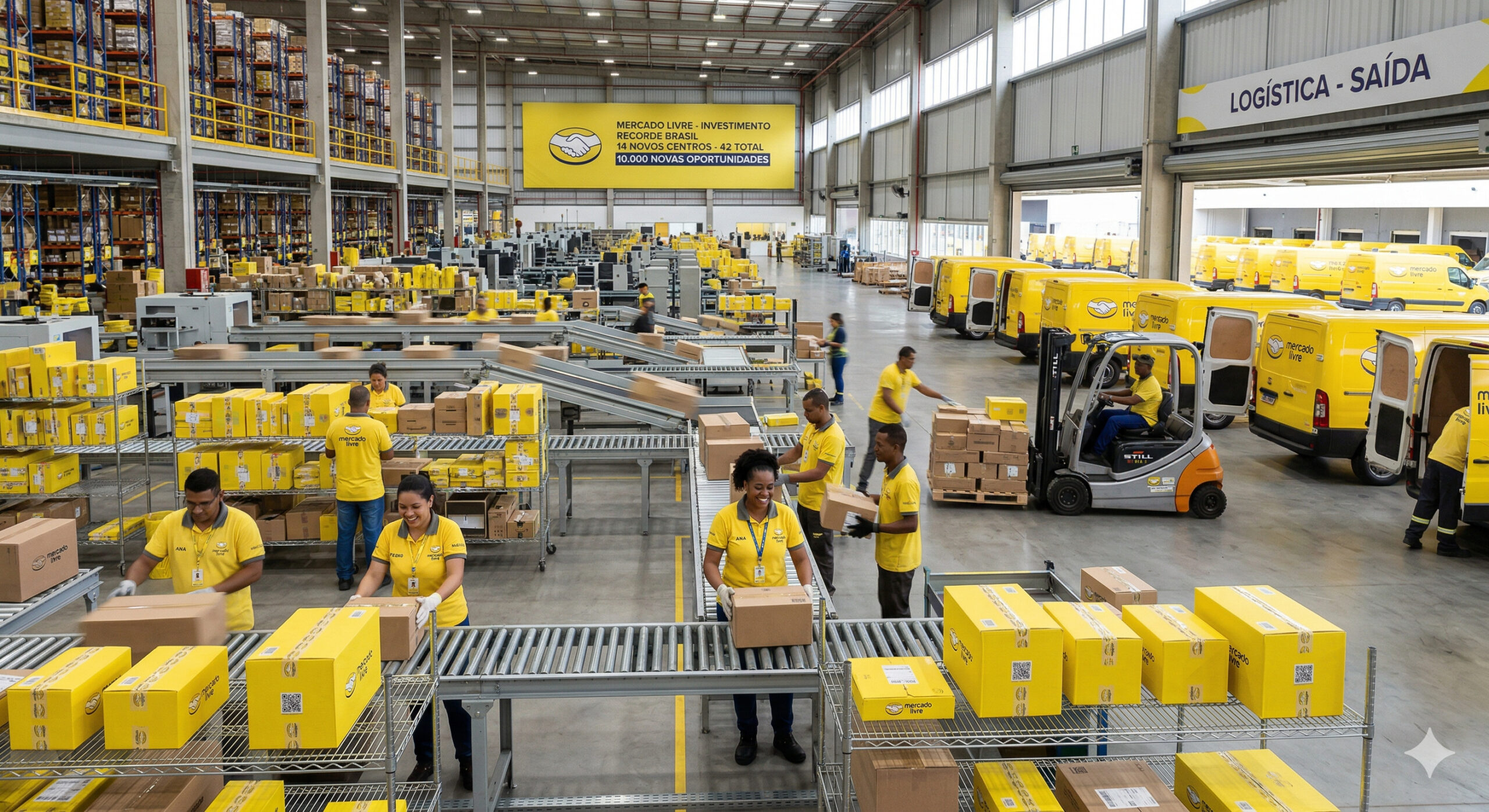
Mercado Livre “opens the vault” and announces a record investment of R$ 57 billion in Brazil in 2026, a value 50% higher than the previous year, with an expansion plan that includes 14 new logistics centers, totaling 42 units in the country and hiring an additional 10,000 employees.
-
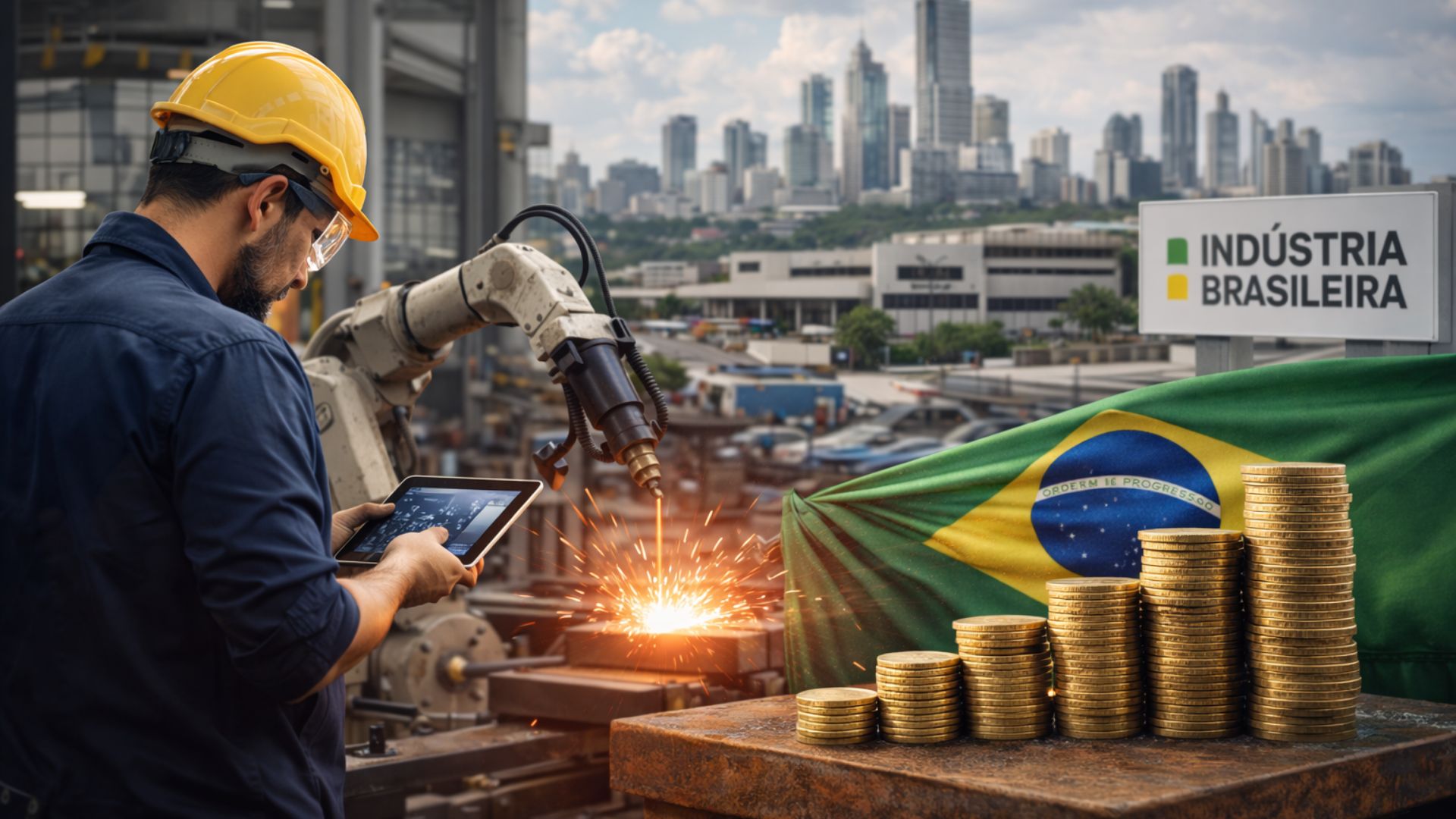
How investment in technology can revolutionize the national economy and enhance industrial gains, according to a study that highlights the direct impact on productivity, innovation, and wealth retention within Brazil.
-
The largest food company on the planet, JBS, has just opened a 4,000 square meter laboratory in Florianópolis to develop customized proteins that modulate muscle mass gain, immune response, and metabolic performance.

-
After nearly 30 bids and competition among industry giants, a Spanish company purchases one of the largest airports in Brazil for almost R$ 3 billion and takes over the management of Galeão in a concession that will last until 2039.


Fiat Mobi Exemplifies The Surge In Prices
Nigro used the Mobi as a gauge.
When it arrived at dealerships on April 13, 2016, the subcompact started at R$ 31,900.
On the brand’s official website, the starting price today appears “from R$ 80,060,” a value that has been repeated in communications and offers from dealerships.
In practice, this represents an increase of about 151% since its launch.
In his video, the creator compares this jump with the official inflation during the period and states that the IPCA accumulated from April 2016 until now is just over 60%, meaning it is well below the Mobi’s increase.
Although each model has its own pricing dynamics, the gap reinforces the perception that the automotive market has become more expensive than the overall economy, a common assessment among specialists.
“Prices have risen and have not returned to normal,” Nigro summarizes, arguing that the increase is structural, not just cyclical.
For him, three engines explain the movement, with the first being the increase in vehicle weight due to safety requirements.
Heavier Cars And Safety Requirements
The argument for increased weight is linked to regulatory milestones.
Front dual airbags and ABS brakes became mandatory in all new cars in 2014, as decided by Contran.
Years later, electronic stability control (ESC) and daytime running lights (DRL) also became compulsory items: full implementation for all models sold in Brazil occurred in January 2024, following a schedule initiated in 2020 for new projects.
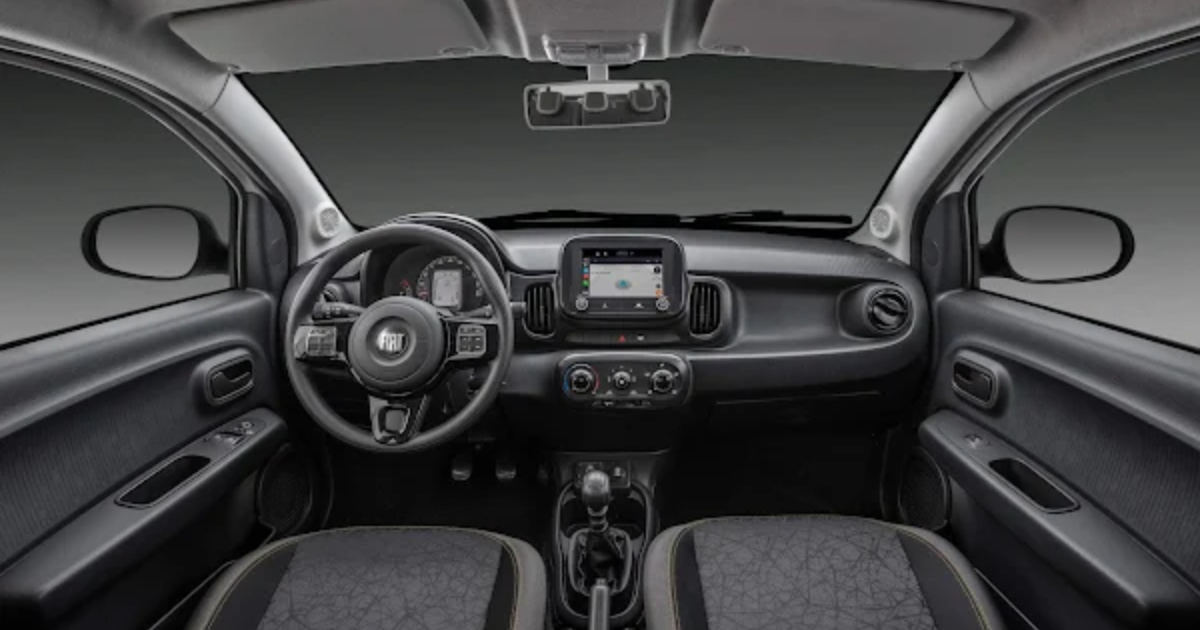
Nigro argues that, to accommodate active and passive safety systems, automakers reinforce car bodies and structures, which adds weight and increases the use of materials like steel.
The evolution of the Fiat Uno illustrates this trend: the Uno Mille 2000 had a catalog weight of around 765 kg.
In 2010, the Mille Fire version was close to 830 kg.
The Uno 2020 (Attractive/Drive 1.0 lines) exceeds 950 kg and can reach 1,010 kg, depending on the configuration.
In Europe, the safety package known as GSR2 raised the bar starting in July 2022, with the inclusion of technologies such as autonomous emergency braking and lane-keeping assist.


Steel Costs Pressure The Automotive Industry
The second vector pointed out by Nigro is the cost of steel, a central input in vehicle manufacturing.
In the international market, the commodity has experienced strong volatility since the pandemic, with peaks in 2021 and recent fluctuations.
In Brazil, construction indicators show the price of common steel close to R$ 9 in 2024/2025, with variations by state and product type.
The automotive sector, however, uses specific alloys with higher added value.
According to the analyst, when steel prices rise, automakers tend to pass part of the increase onto the final price, especially in narrow-margin segments.
This pressure adds to the rising costs of embedded electronic systems and sensors, which have increased the share of higher technological components in the total cost of vehicles.
New IPI Rules And Impact On Consumers
The third axis mentioned by Nigro involves tax rules.
On July 10, 2025, the federal government regulated a new IPI model for the automotive sector under the MOVER program.
The decree eliminated the IPI for the category of “Sustainable Car”, meaning compact cars manufactured in Brazil that meet requirements such as low CO₂ emissions, minimum recyclability levels, and safety standards.
For the others, a base rate of 6.3% was defined, adjusted based on efficiency criteria, type of propulsion, power, safety, and recyclability, valid until December 2026.
“Some models may become cheaper; others more expensive,” says Nigro, assessing that the net effect for the consumer is not automatic and depends on transfers by automakers.
The government estimates that about 60% of vehicles sold in 2024 are likely to receive IPI reductions under the new rules.
However, the full benefit is concentrated on highly efficient compact cars produced locally.
US Tariffs And Reflections In The Brazilian Market
Nigro also mentions the “Trump Tariff” as an additional element of uncertainty.
In February 2025, the United States imposed a 25% tariff on imports of steel and aluminum, a measure that affected partners like Brazil.
Months later, MDIC noted that an additional 50% tariff was applied to a broad list of products, with some exceptions.
Moreover, the US Supreme Court decided to review the legality of the tariff package in a hearing set for November 2025.
The impact is not limited to the trade of vehicles.
The US absorbs a significant share of Brazilian steel — in 2022, it was about 49% of the sector’s exports — and Brazil is a major supplier of semi-finished products to the US steel industry.
Tariff changes tend to redirect flows and affect internal prices of inputs, which can reflect in the cost of cars sold in the country.
What To Expect From The Automotive Market
In Nigro’s assessment, even with potential tax discounts in specific niches, the sum of safety requirements, higher steel content, and external volatility maintains the upward pressure on new cars.
He adds that when the new tends to become more expensive, the used car market becomes more demanded — and prices of used cars rise in the wake.
“If production costs increase, the final value to the consumer also rises,” he summarized.
The video was published on September 9, 2025, on the Primo Rico channel, alternating historical data, regulatory milestones, and expected effects of tariff measures on the automotive chain.
For the audience that already owns a vehicle or plans to purchase one, the influencer’s recommendation is to keep an eye on specific promotions and factory conditions, which may mitigate part of the increase but do not change the underlying trend.
Given this scenario, how should consumers plan to deal with increasingly expensive new cars?







-

-

2 pessoas reagiram a isso.