





 Portuguese
  English
  Spanish
  3 min of reading
  1 comment


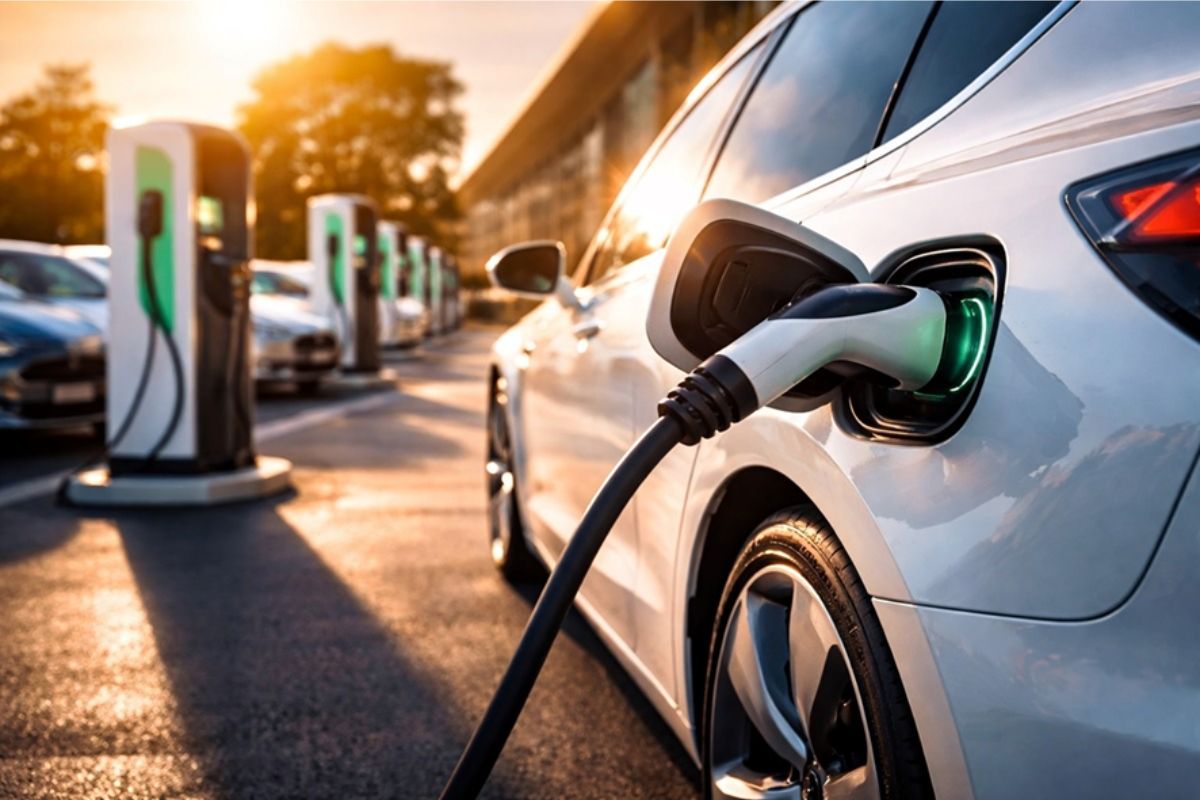


In The Global Automotive Industry, The CEO Of Volvo Stated That Electric Cars Could Become Cheaper Than Combustion Models In Up To 5 Years, Driving A Structural Change In The Market And Attracting The Attention Of Consumers And Automakers.
The price of electric cars may be on the verge of a transformation that few imagined a few years ago.
The projection is clear: within five years, electric vehicles are expected to cost less than combustion-powered models.
The statement was made by Volvo’s CEO, Håkan Samuelsson, and is primarily based on the accelerated decline in battery costs and the evolution of industrial processes related to electrification.
-
A French brand placed a car on four huge red balloons to prove that its suspension made the vehicle “float,” and the surreal scene became one of the most iconic and unusual images in automotive history.

-
Jeep Avenger begins production in Brazil, debuting as the brand’s new entry-level SUV and inaugurating an unprecedented phase by becoming the first national Jeep manufactured outside of Goiana, as part of a R$ 3 billion plan.
-
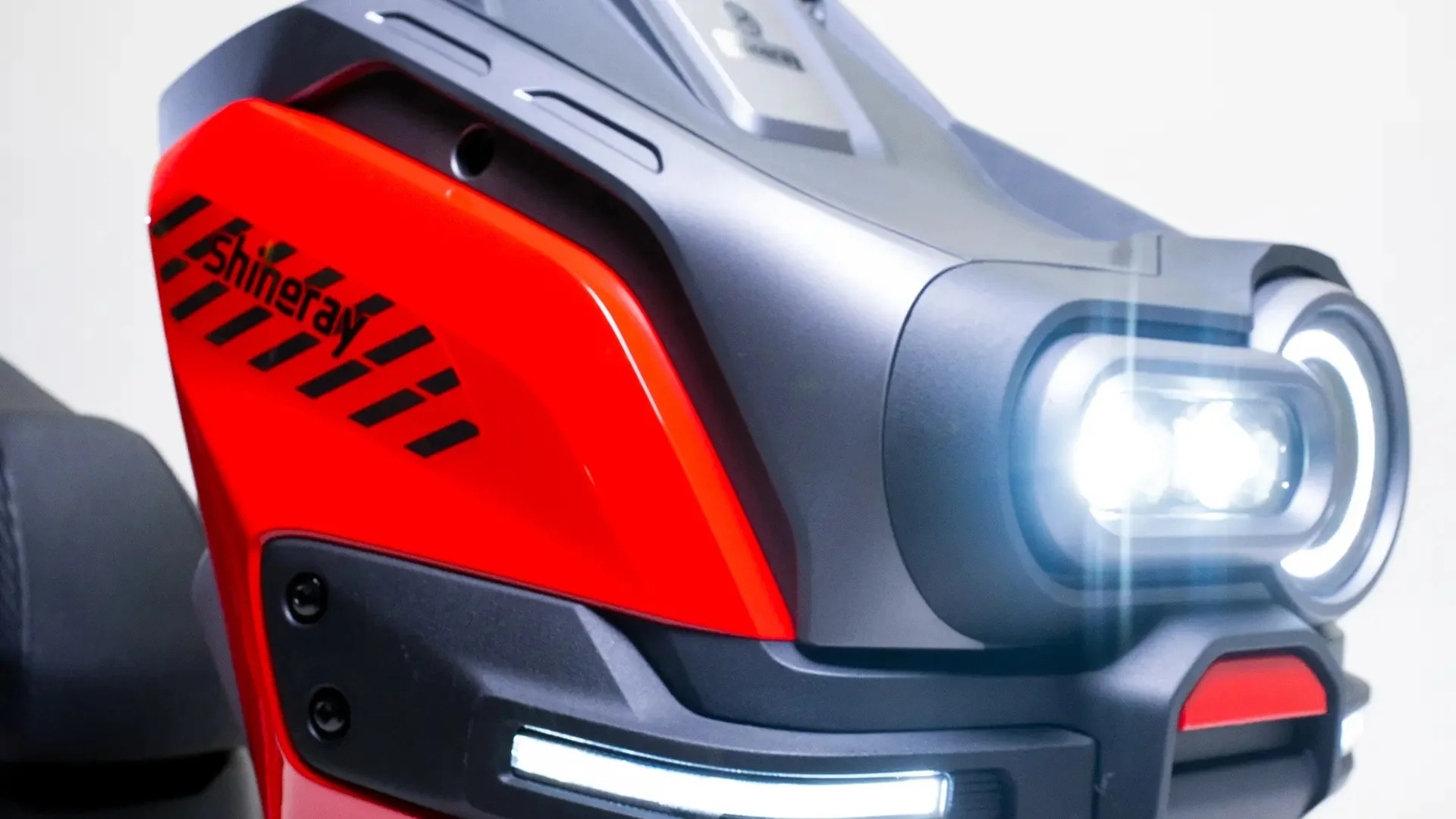
Costing R$ 12,490, the new Shineray Urban Lite 150 “cheap one” arrives in Brazil with a CVT transmission, digital dashboard, and LED lights, making it more affordable than the Biz and targeting those who want to abandon the bus.
-
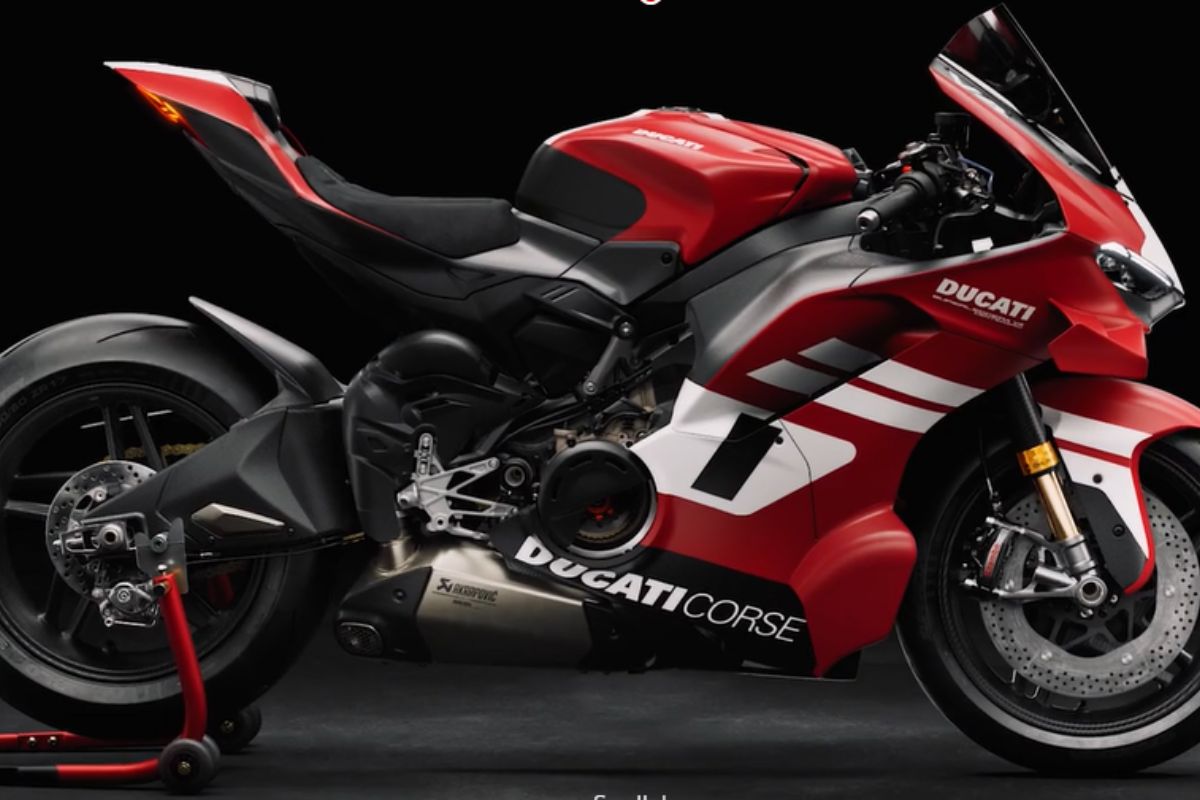
Ducati brings to Brazil the Superleggera V4 Centenario: 228 hp that become 247 with a track kit, carbon fiber and carbon-ceramic brakes, estimated price between R$ 1.5 and 2 million, deliveries only in 2027.

What seemed impossible a decade ago is beginning to take shape as an economic reality.
Battery Cost Decline Changes The Logic Of Electric Car Pricing
The main factor behind this possible turnaround lies in battery costs.
Batteries represent a significant portion of the final value of an electric car. When this component becomes cheaper, the impact on the total price is direct.
According to Volvo’s CEO, this reduction happens for several reasons, such as technological advancements, greater supply of raw materials, and industrial gains along the production chain.
This set of factors accelerates the competitiveness of electric vehicles compared to traditional models.
Large-Scale Production And Standardized Platforms Reduce Costs
Another decisive point is the scale of production.
As automakers increase volumes and standardize platforms, costs begin to be diluted. This makes manufacturing more efficient and predictable.
With more mature industrial processes and adjusted production chains, the additional costs of electrification no longer weigh as heavily as they did in the past.
Experts say that this moment could represent a turning point in the global automotive industry.
Factory Efficiency Weighs More Than The Initial Cost Of Technology
The price of electric cars also directly reflects factory efficiency.
With higher production volume and engineering adjustments, the unit cost tends to fall. This trend is already underway and is expected to intensify in the coming years.
In this scenario, the initial value of electric technologies is no longer the primary structural obstacle to mass adoption.
The change is not only environmental but also economic and industrial.
Volvo Claims To Operate Profitably Even With Electrified Portfolio
In addition to cost reduction, profitability also enters the debate.
Håkan Samuelsson stated that Volvo is already operating profitably in its electrified portfolio. Unlike competitors that are accumulating losses, the brand maintains positive margins, even if lower than those of combustion models.
According to the executive, the company does not sell electric cars at a loss to gain market share.
This strategy reinforces the financial sustainability of the transition and indicates that electrification can be economically viable.
Structural Turnaround Could Redefine The Global Automotive Market

With the trend of structural decline in costs, the balance of the automotive market could change significantly.
Consumers are beginning to see electric cars not only as an environmental choice but also as an economic decision.
If the five-year projection is confirmed, the impact will be direct on the competitiveness between technologies and on automakers’ strategies worldwide.
The change could mark a new phase for the automotive industry, where electrification and competitive pricing go hand in hand.
Do You Believe That Electric Cars Will Really Become Cheaper Than Combustion Models In The Next Five Years? Share Your Opinion.










A bateria pode até cair de preço mais se tratando de Brasil o preço dos carros não abaixa principalmente se o PT tiver no comando do país. Pois o PT e campeão de inventa impostos.