





 Portuguese
  English
  Spanish
  4 min of reading
  0 comments


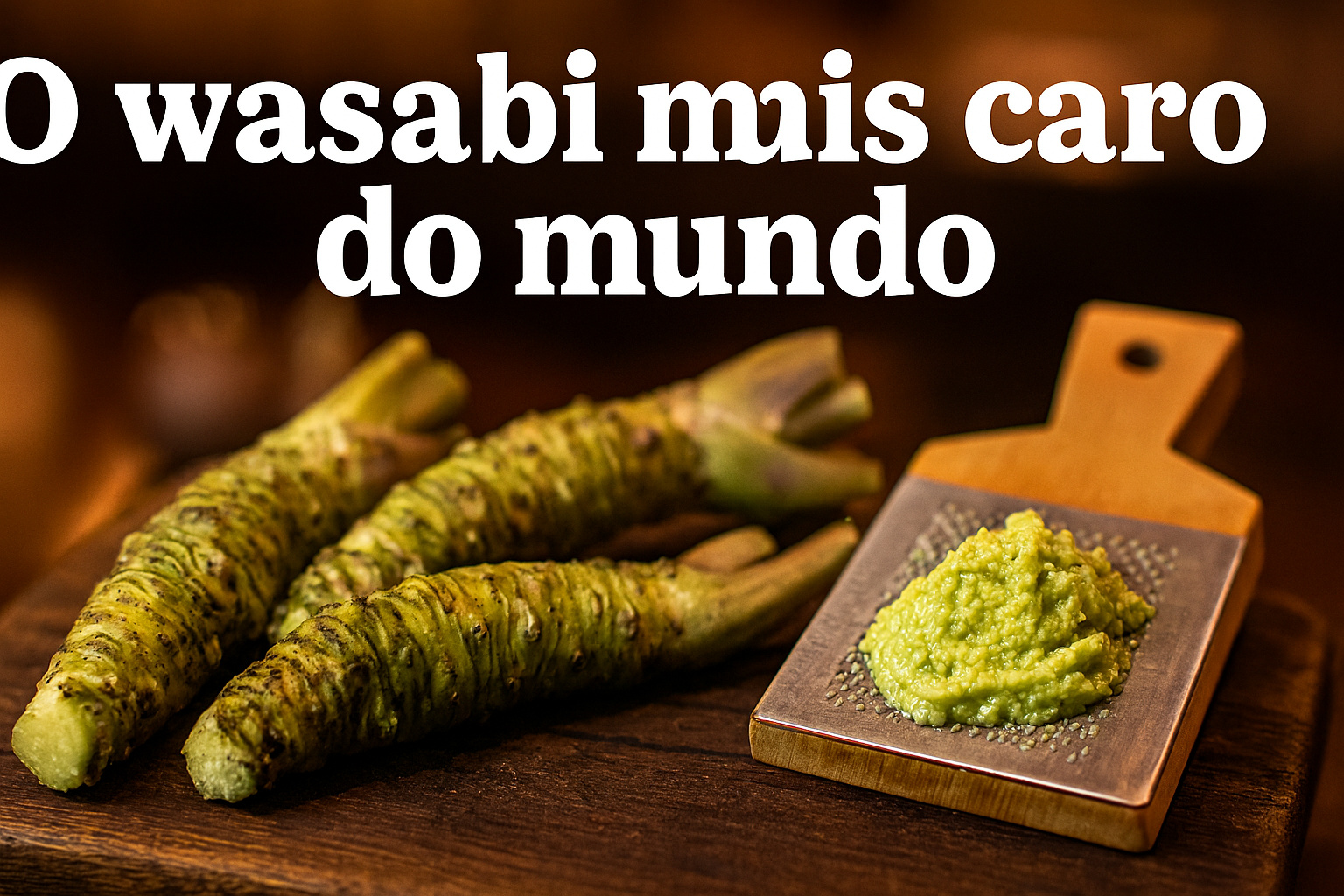
True Wasabi Can Cost Up to R$ 10,000/kg: Rare, Difficult to Cultivate, and Nearly Impossible to Import, It Arrives in Brazil in Minimal Quantities and with a Waiting List.
The world of fine dining lives a contradiction that few perceive: one of the most famous condiments on the planet, served in almost every Japanese restaurant, is, for the most part, an imitation. And the reason is simple: true wasabi (Wasabia japonica) is so rare, so difficult to cultivate, and so sensitive to the climate that its price can reach extremely high values in the international market, reaching R$ 10,000 per kilo for fresh batches intended for fine dining. In Brazil, this rarity creates an immediate effect: almost no restaurant has access, and the few that do work with small quantities and waiting lists.
While the consumer imagines they are tasting “wasabi,” what arrives at the table — in 99% of cases — is merely a green paste made from horseradish, mustard, and dye. True wasabi follows a different path: it is grown under conditions that are nearly impossible to reproduce, requires cold running water, controlled altitude, perfect shading, and specialized handling.
This article shows why this root has become one of the rarest delicacies in the world, how it is cultivated, why it almost never arrives in Brazil, and how a small group of producers is trying to change this reality.
-
The Argentine government celebrates the lowest poverty rate in 7 years, but experts warn that the methodology has changed, real wages have fallen, unemployment has risen, and the number of people on the streets of Buenos Aires has increased by 57% since Milei took office.

-
7.8 magnitude earthquake in Indonesia frightens the population, triggers tsunami alert, and hits an island with over 200,000 inhabitants this Thursday.

-
Google will finally let you change that embarrassing Gmail address you created in your teenage years without losing any accounts, logins, or old emails: the feature is already available in the United States.

-
Heading to Brazil in a Bonanza F33 single-engine aircraft: a couple departs from Florida on a visual flight, makes technical stops in the Caribbean to refuel and organize paperwork, and begins the staged crossing until they reach the country.


The Most Temperamental Plant in World Gastronomy
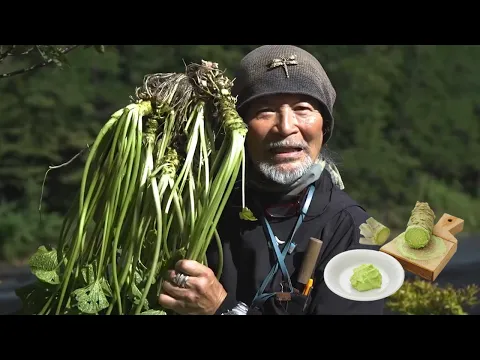
True wasabi is considered by many chefs to be the most temperamental fresh ingredient in Japanese cuisine. It belongs to the species Wasabia japonica, cultivated for centuries in mountainous regions of Japan, especially in Shizuoka and Nagano.
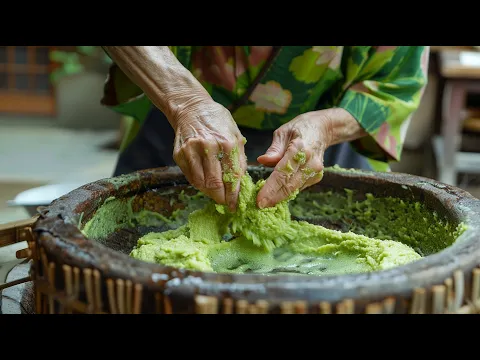

The challenge begins with the necessary environment:
- Extremely clean running water
- Temperature between 8°C and 20°C
- Shading from 70% to 85%
- Rocky soil rich in minerals
- No tolerance for sudden climate changes
A single week of excessive heat can destroy entire crops. In addition, the production cycle is long, taking 18 to 24 months to form the rhizome valued by chefs.
This combination of fragility and low supply creates a naturally limited market, where few players can stabilize sufficient production to export.
Why the Price Can Reach Up to R$ 10,000 per Kilo
The international reference price for fresh wasabi typically varies between US$ 150 and US$ 300 per kilo for average quality rhizomes, potentially exceeding US$ 600/kg (equivalent to around R$ 10,000/kg) for premium batches intended for Michelin-starred restaurants.
The reasons:
- Extreme difficulty of cultivation
- Low global supply — only a few centers in Japan, the USA, Canada, and New Zealand
- Rapid loss of flavor after grating (oxidizing in minutes)
- Complex logistics — refrigerated and fast transport
- Restricted production, with no industrial scale
- Closed market, with contracts between producers and restaurants
For years, international chefs — including Brazilians — have reported long waiting lists to obtain imported fresh rhizomes, even while paying high prices.
Why True Wasabi Barely Reaches Brazil
Despite the national passion for Japanese cuisine, Brazil faces three barriers:
Extremely limited importation
The quantity legally imported is small and usually intended for fine dining restaurants in São Paulo, Rio, and Brasília.
Explosive final price
Adding refrigerated freight, fees, taxes, and losses during transport, the price per kilo can multiply compared to the origin price.
Low durability
The rhizome lasts a short time and loses flavor minutes after being grated, making commercial use on a large scale unfeasible.
As a result: practically no Brazilian consumer has ever experienced real wasabi in their life, even when eating at Japanese restaurants regularly.
The Brazilian Cultivation That Tries to Change This Scenario
In 2022, Folha de S.Paulo revealed that a producer from São Paulo managed to develop the first stable seedlings of Wasabia japonica in national territory, using shading and water control techniques adapted to the Brazilian climate.
Nevertheless, production is still minimal:
- Small batches
- Rhizomes sold quickly
- Restaurants facing waiting lists
- Distribution restricted to the SP–RJ axis
The report indicates that even with national cultivation, the scale is still insufficient to supply the market. In other words, real wasabi will continue to be a privilege of the few.
Real Wasabi vs. Fake Wasabi: The Difference That Almost No One Knows
When the fresh rhizome is grated, it releases volatile compounds that create a smooth and sweet spiciness, completely different from the industrial paste served in restaurants all over the country.
The common paste is made from:
- Horseradish
- Green dye
- Mustard powder
- Aromatizers
In other words, it contains no wasabi.
On the other hand, true Wasabia japonica offers:
- Clean and quick heat
- Herbal notes
- Intense freshness
- Flavor that disappears in 10 to 15 minutes
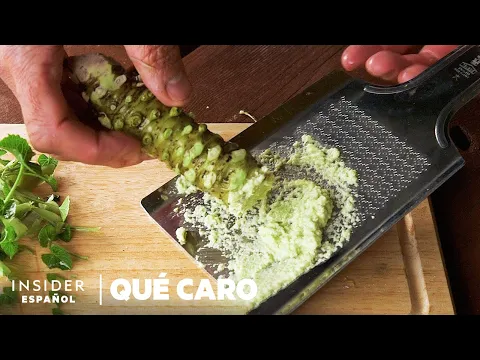
That’s why chefs grate the rhizome at the moment, usually using a sharkskin grater (oroshi) to activate the aromatic compounds.
Why True Wasabi Became the Ultimate Symbol of Exclusivity
Unlike truffles, caviar, or saffron, which have a broader supply and established logistics chains, fresh wasabi remains almost artisanal. There is no global large-scale production, no long-term storage, and no alternative that replicates 100% of its flavor.
It is a rare, fragile, expensive, and limited ingredient, and precisely for this reason, it has become a symbol of high standards in contemporary Japanese gastronomy.










-

-

-

3 pessoas reagiram a isso.