





 Portuguese
  English
  Spanish
  3 min of reading
  0 comments



Working 365 Days a Year and Accumulating Up to US$165,000 Just in Overtime, the Richest Cleaner in the World Surprised by Earning US$700,000 in Just Three Years – But His Method Generated Controversy and Investigations!
When we talk about high salaries, we immediately think of entrepreneurs, investors, or even football players. But what if I told you that a cleaner managed to earn nearly US$240,000 a year? That’s exactly what happened with Liang Zhao Zhang, known as the “richest cleaner in the world”.
Who Is the Richest Cleaner in the World?
Liang Zhao Zhang worked as a janitor for the Bay Area Rapid Transport (BART) network in San Francisco, United States. His fixed salary? Just US$57,000 a year, comprising a base salary of US$45,000 plus US$12,000 in company benefits. So far, nothing too remarkable.
But what made Zhang stand out was how he increased his income. He simply never refused overtime. And that strategy transformed his ordinary salary into a surreal figure, earning him the title of the richest cleaner in the world.
-
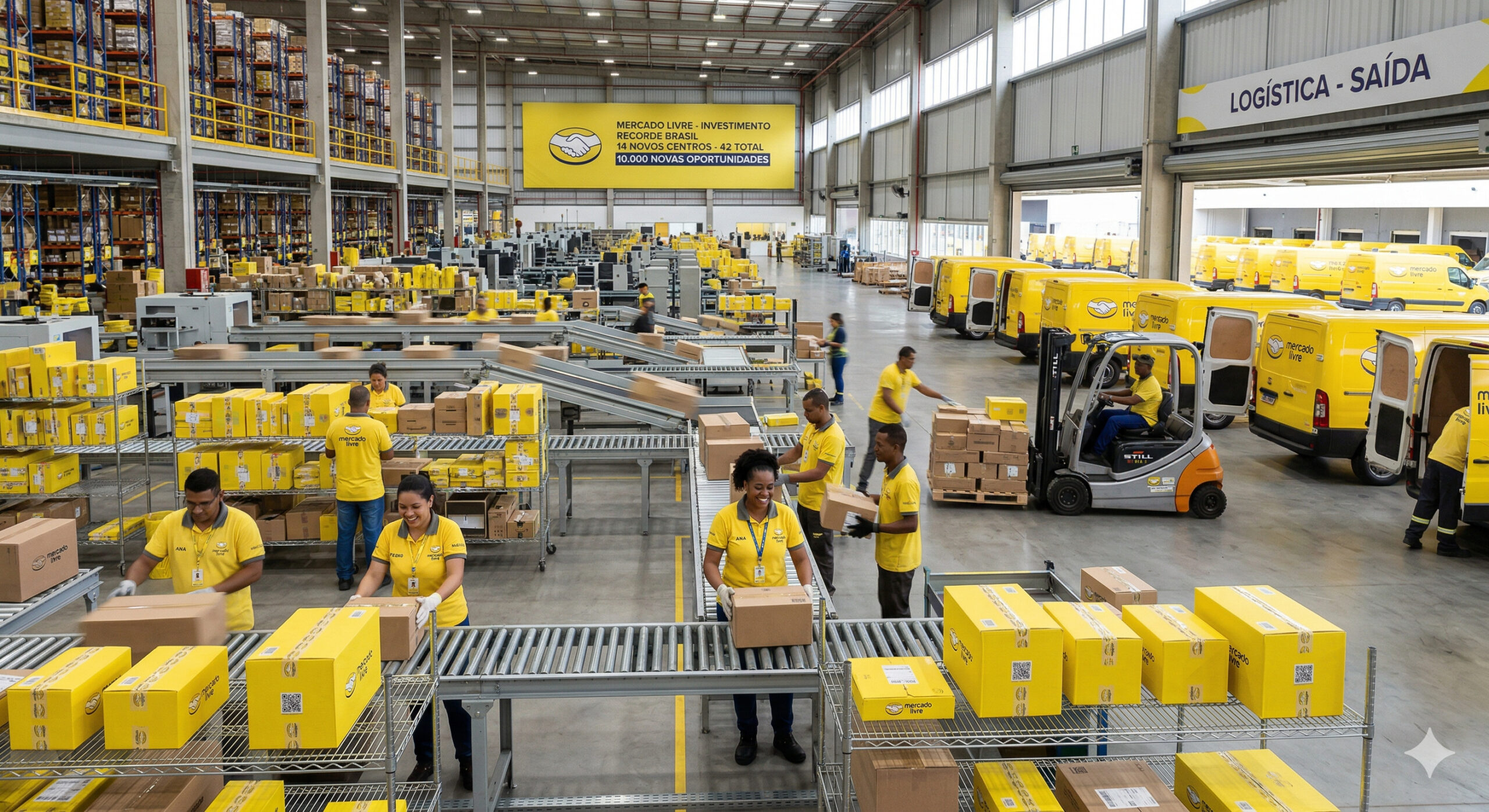
Mercado Livre “opens the vault” and announces a record investment of R$ 57 billion in Brazil in 2026, a value 50% higher than the previous year, with an expansion plan that includes 14 new logistics centers, totaling 42 units in the country and hiring an additional 10,000 employees.
-
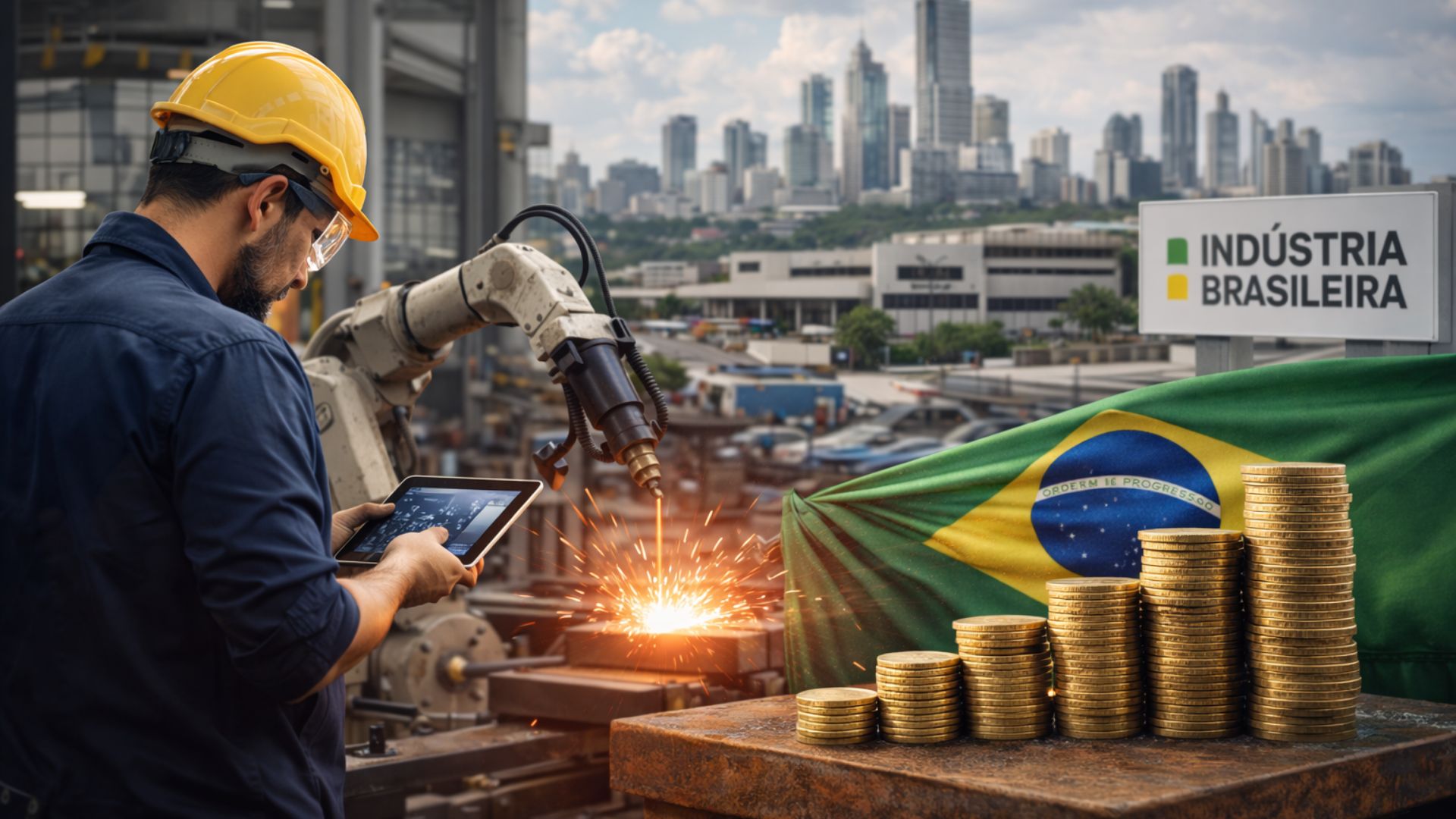
How investment in technology can revolutionize the national economy and enhance industrial gains, according to a study that highlights the direct impact on productivity, innovation, and wealth retention within Brazil.
-
The largest food company on the planet, JBS, has just opened a 4,000 square meter laboratory in Florianópolis to develop customized proteins that modulate muscle mass gain, immune response, and metabolic performance.

-
After nearly 30 bids and competition among industry giants, a Spanish company purchases one of the largest airports in Brazil for almost R$ 3 billion and takes over the management of Galeão in a concession that will last until 2039.


How Did He Manage to Earn Almost US$240,000 a Year?
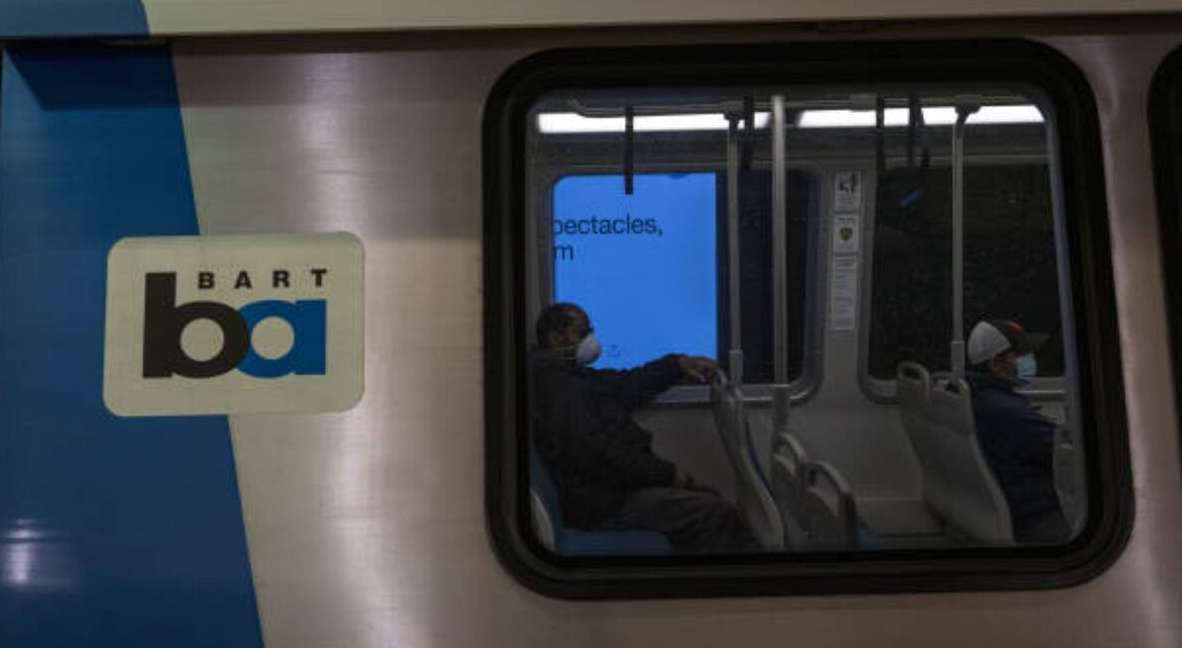
The secret to the financial success of the richest cleaner in the world was the overtime. According to public records released by the campaign group Transparent California, he earned up to US$165,000 just in additional shifts.
While most people take vacations, holidays, and weekends off to rest, Zhang did exactly the opposite. In 2015, he worked every single day of the year. That’s right, he didn’t take a single day off.
And he didn’t stop there: he also faced grueling shifts. There was a time when he worked 17 hours a day for 18 consecutive days. Imagine the demanding routine! With this, between 2014 and 2017, he raked in an impressive US$700,000 in salaries and benefits, thus beginning the journey of the richest cleaner in the world.
Controversies and Investigations
With such a staggering income, it was obvious that Zhang would attract attention, right? And that’s exactly what happened. Questions began to arise: did he really work all that time?
Suspicions grew after an investigation revealed that Zhang spent long periods “missing” during his shifts. According to KTVU, BART’s security cameras showed that he locked himself in a closet for hours.
On the first day of the investigation, the richest cleaner in the world entered the closet twice and stayed there for 54 and 90 minutes. On the second day, he spent 90 minutes locked up in the afternoon and another 78 minutes at night.
This raised a question: was he really working or just slacking off? Robert Fellner from Transparent California slammed the case:
“It’s absolutely outrageous. For a janitor, this is obscene! It’s inconceivable.”
The Defense of the Employee and Management
But Zhang didn’t stand alone in this story. The BART management came to his defense, stating that he did nothing wrong. According to the company, janitors can use those closets to store equipment, organize materials, and even rest a bit.
Additionally, the managers emphasized that the richest cleaner in the world simply never refused extra work. Roy Aguilera, BART’s transportation director, explained that the cleaners in the network face a far from glamorous reality, dealing with urine, feces, and discarded syringes in the train stations.
“People aren’t raising their hands and saying, ‘I want some of those extra hours.’ Mr. Zhang said ‘yes,’ he worked hard, completed his tasks, so I support the work he did.”









Seja o primeiro a reagir!