





 Portuguese
  English
  Spanish
  5 min of reading
  0 comments


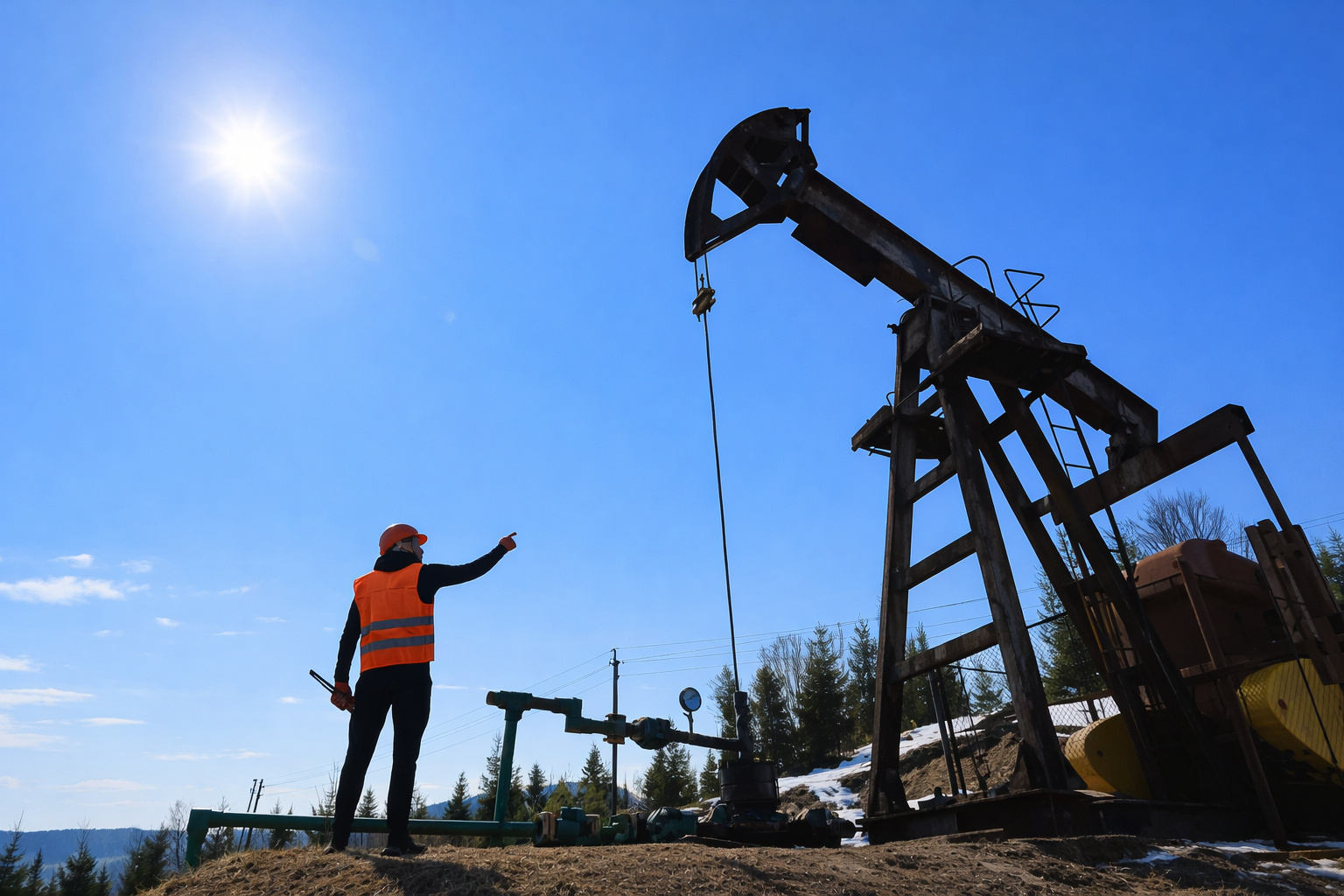
How The Strong Oil Agenda Influences Decisions About Clean Energy In 2026
The strong oil agenda directly influences the direction of clean energy in 2026 and intensifies the debate on economic priorities, energy security, and climate goals. Furthermore, governments and companies face the challenge of balancing investments in fossil fuels with decarbonization commitments.
In this context, the global scenario combines increased demand for oil, geopolitical tensions, and pressure for economic growth. Therefore, some countries are reinforcing oil and gas exploration and production projects.
At the same time, experts warn that decisions made now could impact the pace of the energy transition in the next decade. Thus, 2026 emerges as a strategic year to define priorities.
-
Petrobras evaluates suspension of sales to distributors and considers canceling the cooking gas auction following guidelines from the Federal Government.

-
Lula reveals a masterstroke by Petrobras to undo a deal made by Bolsonaro, which involves the return of an important refinery that currently produces less than half of what was expected and makes Brazil dependent on international diesel.

-
A study confirms that the natural gas sector will reduce greenhouse gas emissions in Brazil by 0.5% and accelerate the energy transition by 2026.

-
Petrobras implements a severe adjustment and confirms a 55% increase in the price of aviation kerosene with a proposal for installment payments for the companies.


Oil Returns To The Center Of Economic Strategies
The strong oil agenda reflects concerns about supply, energy inflation, and macroeconomic stability.
In addition, international conflicts and production cuts influence the price of oil in the global market. Therefore, many governments are strengthening policies aimed at energy security.
In this scenario, companies are increasing investments in offshore exploration, new production frontiers, and refinery modernization.
At the same time, producing countries see an opportunity to increase revenues and strengthen trade balances. Thus, oil regains prominence in the political and economic debate.
On the other hand, the advance of fossil fuel exploration raises questions about climate commitments.
Clean Energy Faces Challenging Environment
As the strong oil agenda gains strength, renewable energy projects compete for financing and regulatory priority.
Moreover, high interest rates and fiscal restrictions hinder investments in large solar, wind, and green hydrogen projects.
In this context, investors analyze risks and returns with caution. Thus, decisions about new wind farms or solar plants may be delayed.
At the same time, global supply chains face logistical challenges and dependence on strategic minerals.
Therefore, clean energy must overcome economic and structural barriers to maintain its growth pace.
Energy Transition Requires Strategic Balance
Experts argue that the strong oil agenda does not need to undermine the energy transition.
Moreover, many countries are adopting a dual approach strategy: maintaining oil production in the short term while expanding renewables.
In this scenario, governments seek to ensure energy stability while progressively reducing emissions.
Therefore, public policies play a central role in defining incentives and clear goals.
At the same time, international agreements pressure for more ambitious carbon emissions cuts.
Economic Impacts And Job Creation
The oil sector generates millions of direct and indirect jobs in various regions. In addition, royalties and taxes finance public policies and infrastructure.
In this context, the strong oil agenda influences budget decisions and long-term planning.
On the other hand, the clean energy sector also expands job opportunities in areas such as engineering, solar panel installation, and wind turbine operation.
Thus, the debate involves not only the environment but also economic development and productive inclusion.
Brazil At The Center Of Energy Discussion
Brazil occupies a strategic position in this scenario. The country has large oil reserves in the pre-salt and, at the same time, a predominantly renewable electricity matrix. Furthermore, it leads the production of biofuels and invests in green hydrogen.
In this context, the strong oil agenda can increase revenues and strengthen Brazilian exports. Therefore, the government faces the challenge of balancing production expansion with internationally committed climate obligations.
At the same time, renewable energy auctions and solar projects continue to attract investments.
Climate Goals Under Pressure
The intensification of oil production may hinder the fulfillment of global emission reduction targets.
In addition, international reports indicate the need to accelerate cuts to limit global warming. In this scenario, the strong oil agenda raises concerns among environmentalists and climate experts.
On the other hand, proponents of exploration argue that the world still relies heavily on fossil fuels for transportation, industry, and electricity generation. Thus, the debate involves gradual transition versus accelerated reduction.
Financial Market Follows Trends
Investors analyze political and economic signals to direct resources. Moreover, ESG criteria continue to influence decisions of large funds.
In this context, oil companies face pressure to reduce emissions and invest in low-carbon technologies.
At the same time, renewable energy companies seek to enhance competitiveness and reduce costs. Thus, the market balances opportunities in traditional and emerging sectors.
Technology Can Redefine The Scenario
Technological innovation can alter the relationship between oil and clean energy. Advances in carbon capture and storage promise to reduce the environmental impact of fossil production.
Moreover, more efficient batteries and green hydrogen can accelerate the gradual replacement of oil. In this scenario, the strong oil agenda can temporarily coexist with renewable expansion.
Therefore, strategic decisions will depend on costs, efficiency, and social acceptance.
2026 As A Decisive Year
The year 2026 is likely to consolidate current trends. Moreover, elections in various countries may influence energy priorities.
In this context, public policies will define the pace of investments and incentives. At the same time, companies plan long-term projects based on regulatory expectations.
Thus, the strong oil agenda represents both economic opportunity and environmental challenge.
What Consumers Can Expect?
Consumers may observe fluctuations in fuel prices as per international market conditions. In addition, the expansion of renewables may reduce electricity costs in the medium term.
In this scenario, political decisions directly impact the population’s finances. At the same time, greater availability of electric vehicles and biofuels expands transportation options.
Thus, citizens witness the practical effects of the competition between oil and clean energy. The strong oil agenda redefines energy priorities in 2026 and pressures decisions on the transition to clean sources.
Moreover, the scenario combines economic interests, climate commitments, and energy security.
Therefore, governments and companies need to balance production expansion with sustainable investments. At the same time, technological innovation and clear policies can prevent environmental setbacks.
Thus, 2026 presents itself as a strategic milestone for the future of global energy and for the balance between development and sustainability.










Seja o primeiro a reagir!