





 Portuguese
  English
  Spanish
 4 min of reading
  0 comments


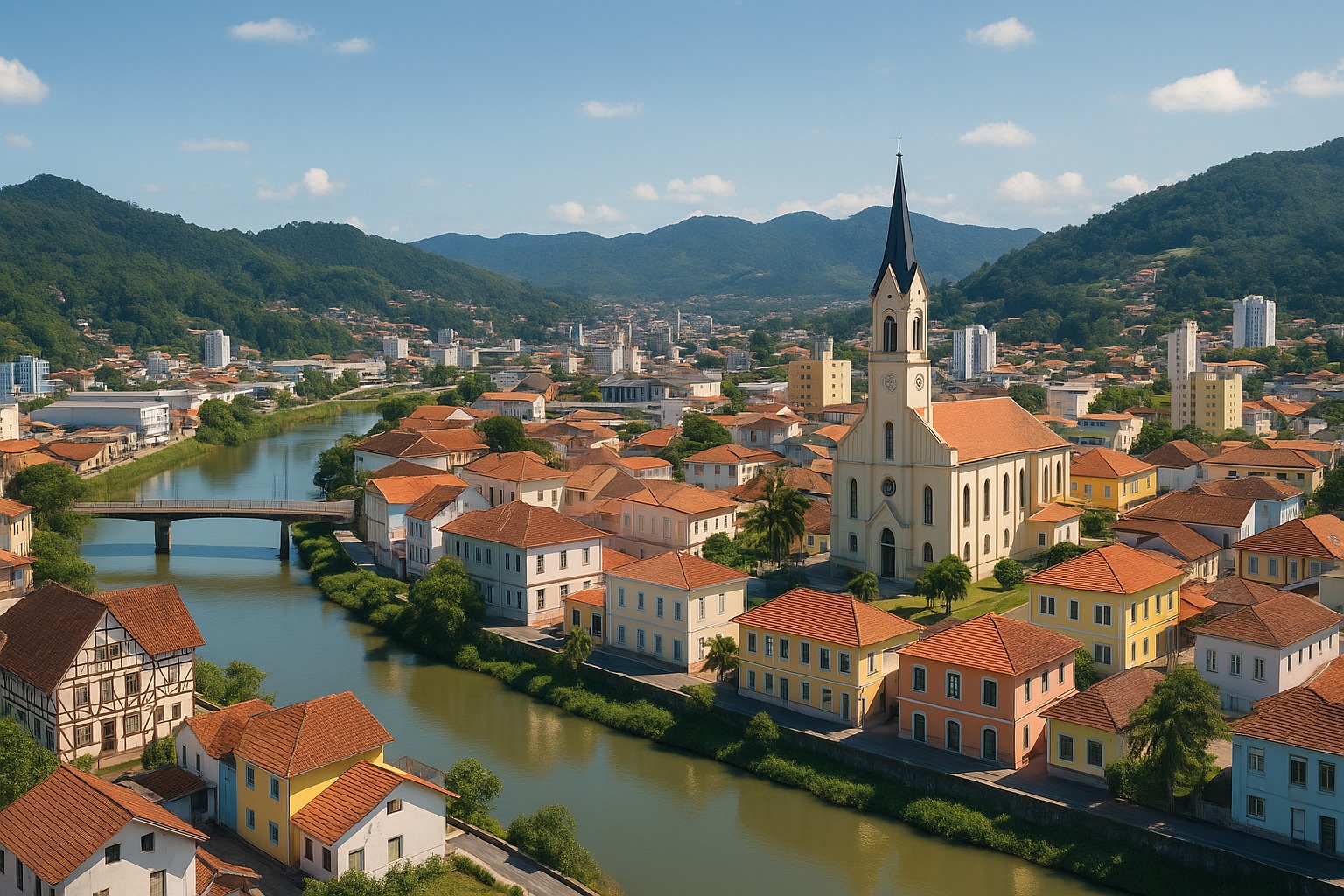
Located in the Itajaí Valley, Brusque combines national security, structured textile hub, cultural events, religious heritage, a climate between 12°C and 29°C, and a strategic position 43 km from the coast of Santa Catarina
Brusque has a population of 152,000, is located 43 km from Balneário Camboriú, leads national safety rankings, and hosts a textile hub with monthly fairs, a centuries-old religious heritage, historic electoral tests from 1989, and an annual climate between 12°C and 29°C.
Brusque, in the Itajaí Valley, in Santa Catarina, gathers nearly 152,000 inhabitants, according to IBGE, and is distinguished by its safety, structured textile economy, location 43 km from the coast, and relevant institutional history, factors that enhance its residential and tourist appeal.
Located in the Itajaí Valley, Brusque maintains an organized urban profile, a tradition of German colonization, and regional integration with established tourist and industrial municipalities in northern Santa Catarina.
-
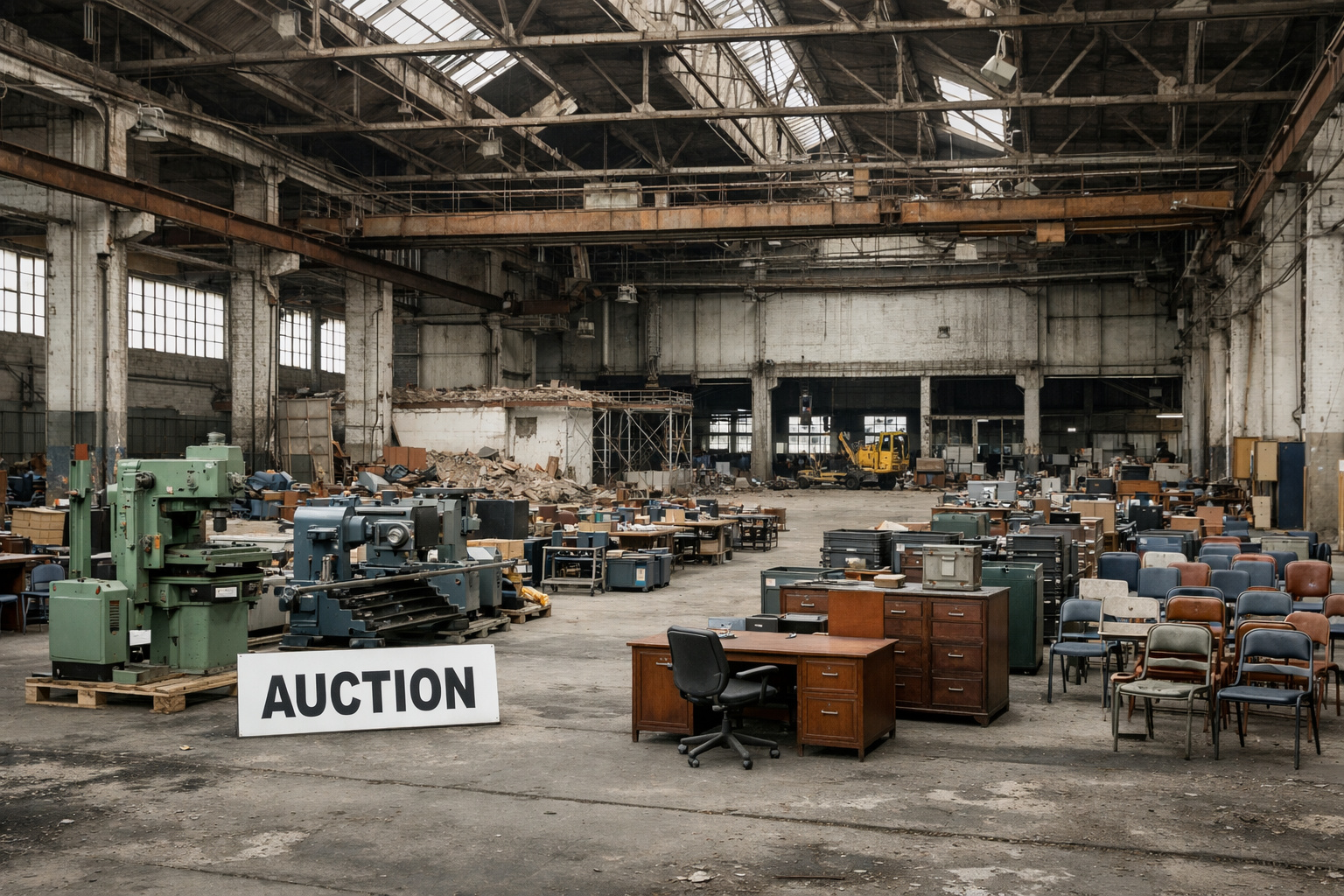
Historic bankruptcy of Centauro shocks the market, and the century-old company puts more than 500,000 products, machines, and complete infrastructure up for online auction.
-
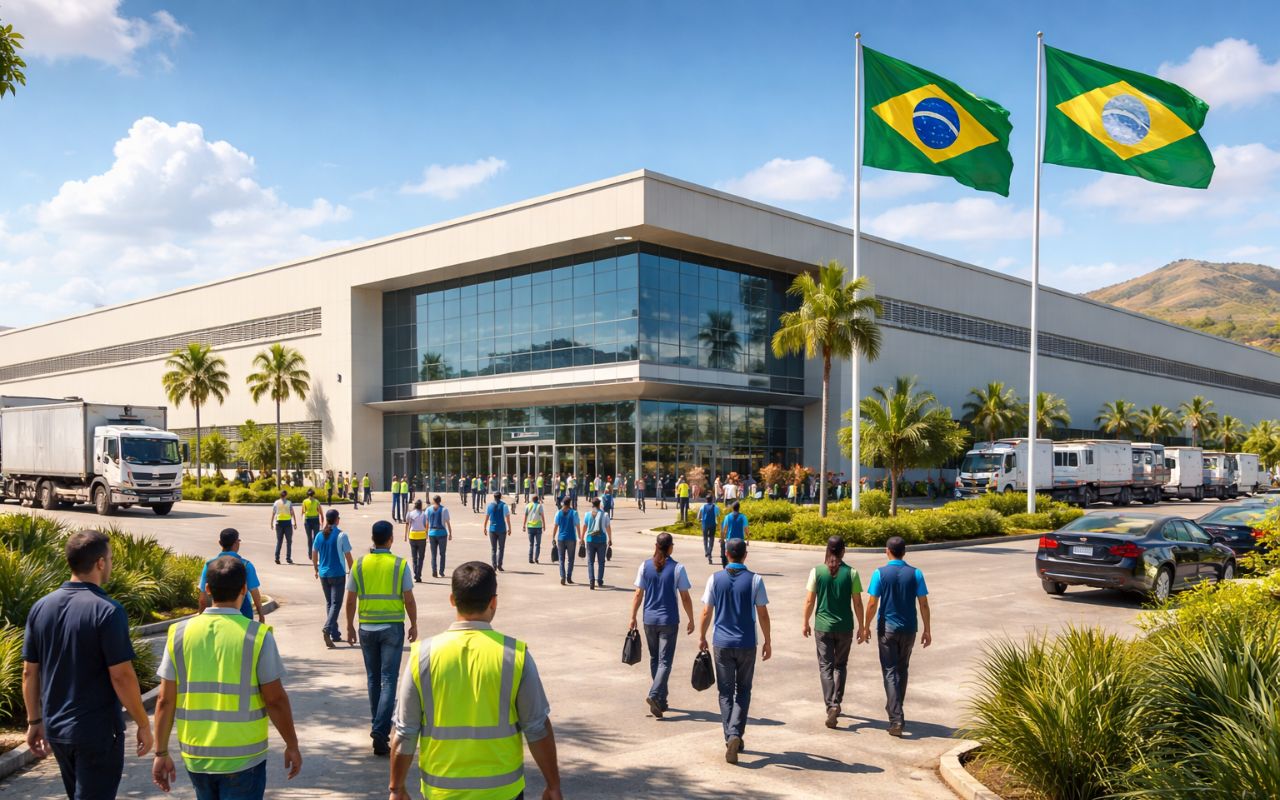
New shoe factory in Ceará is expected to create 400 jobs and strengthen the local economy.
-
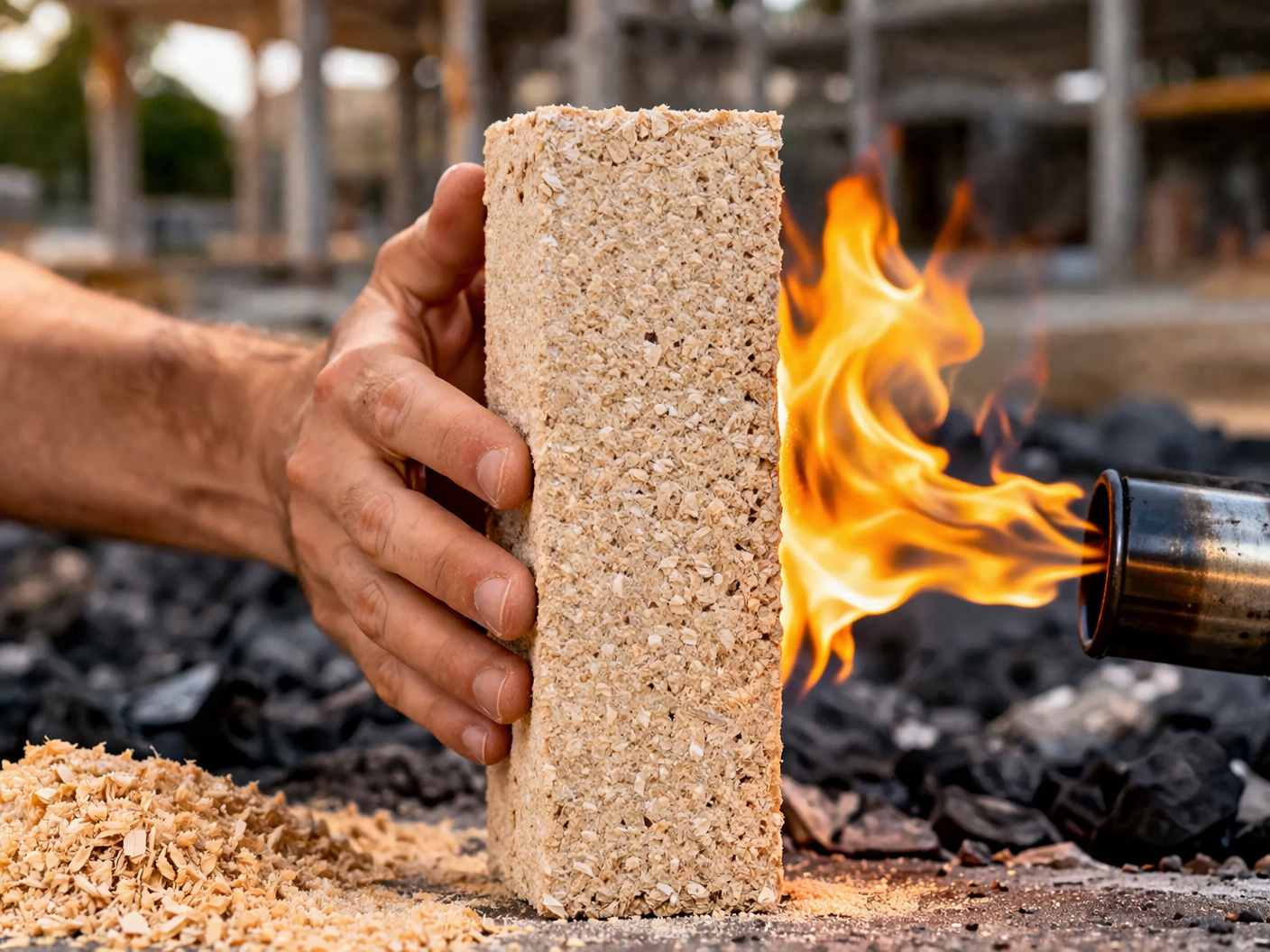
No one imagined it, but a mixture of sawdust with a mineral that fights fires surprises scientists with a result that changes the course of fire-resistant construction.
-
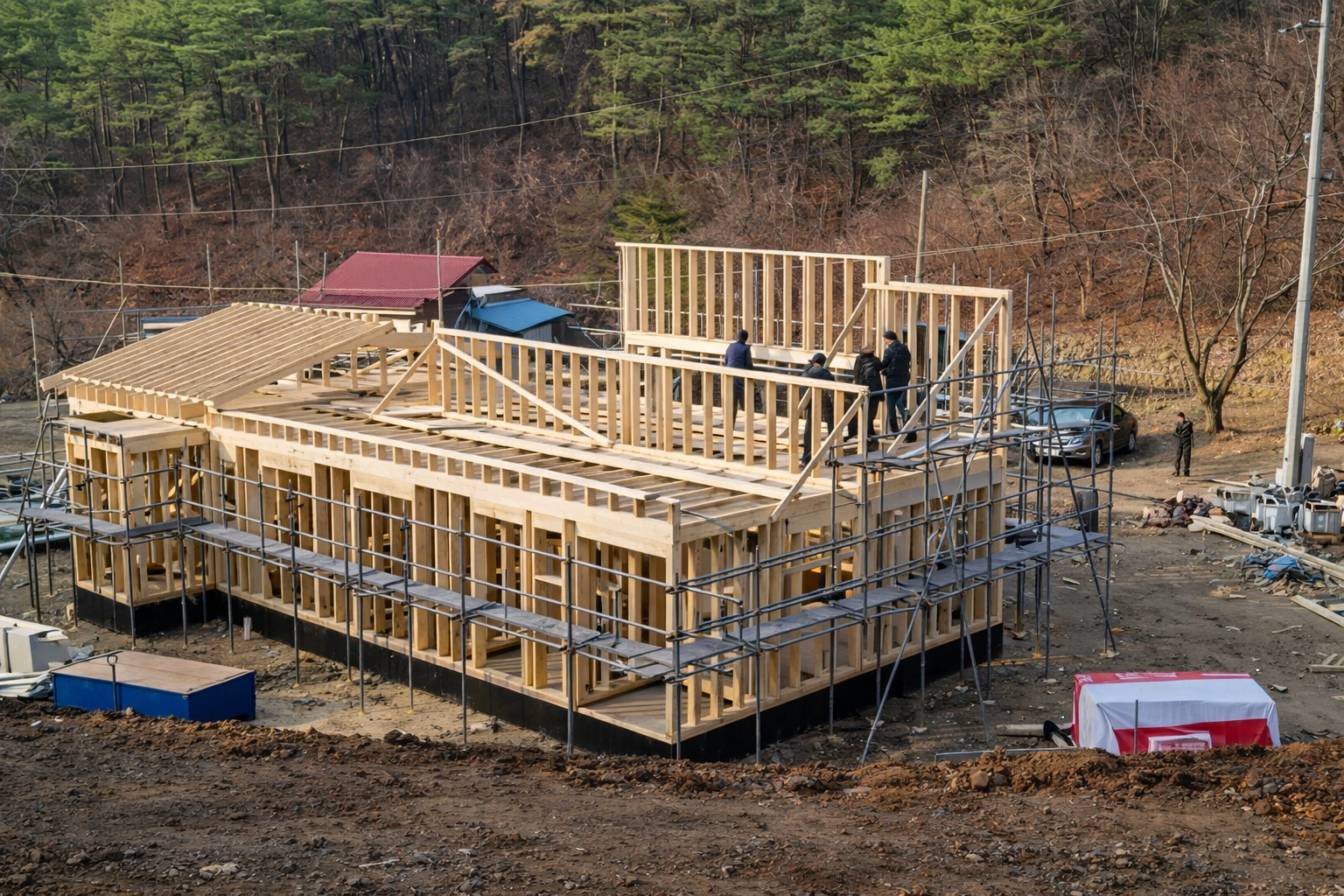
From empty land to a high-end house, wooden construction uses a lightweight system, metal structure for the foundation, ventilated ceramic cladding, and special windows to create an efficient and comfortable living space throughout the year.

The geographical proximity to Balneário Camboriú, 43 km away, and Blumenau allows for quick movement, economic exchange, and easy access to services, beaches, and commercial hubs.
According to population data from IBGE, Brusque has nearly 152,000 inhabitants, a number that supports average urban infrastructure, a diverse range of services, and a consistent economic scale.
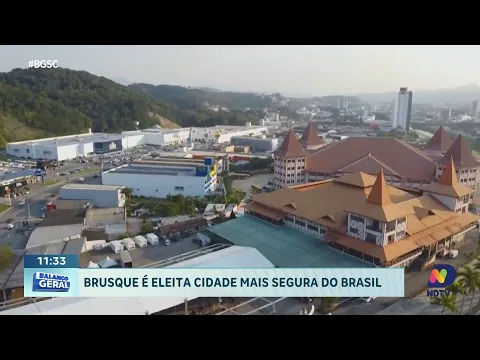

Safest City in Brazil
Brusque recurrently ranks at the top of the Yearbook of the Safest Cities in Brazil, leading among Brazilian municipalities with more than 100,000 inhabitants.
Crime rates are comparable to those of European countries, allowing for safe circulation at any time in any neighborhood, with a consolidated perception of security among residents and visitors.
This performance in public safety directly influences quality of life, real estate valuation, and the capacity to attract new productive investments.
The municipality also boasts one of the highest Human Development Indexes in Santa Catarina, reflecting stable public policies and functional urban services.
Fashion Capital: Textile Hub That Attracts Visitors from All Over the Country
The economic base of Brusque is linked to the textile sector, which consolidates the city as one of the largest clothing hubs in Brazil.
Commercial ventures such as the FIP Fashion Fair and the Stop Shop welcome thousands of tourists and professional buyers monthly.
These centers offer stock clearance, competitive prices, and a wide variety of clothing, footwear, and bed, table, and bath articles.
The commercial corridor of the Antônio Heil Highway has become a national reference, continuously boosting employment, income, and regional economic circulation.
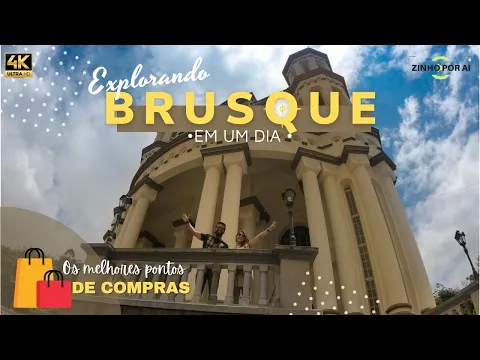
Religious and Historical Heritage
The Sanctuary of Azambuja stands out as one of the most emblematic religious complexes in Brusque, uniting faith, history, and community services.
The site houses a church with imposing architecture, a century-old hospital, and the Dom Joaquim Archdiocesan Museum, which holds one of the largest sacred collections in the South.
The surroundings of Morro do Rosário offer trails, viewpoints, and contemplation areas, integrating natural landscape, spirituality, and outdoor leisure.
Sculptures, Art, and Outdoor Leisure
The Ilse Teske Sculpture Park features about 40 marble works, including pieces attributed to Oscar Niemeyer, in dialogue with the natural environment.
This space strengthens the presence of international art in the municipality and expands accessible cultural leisure options for locals and visitors.
Another notable event is Fenarreco, held in October, featuring typical cuisine, music, dances, and beer, reinforcing the local German identity.
Climate and Well-Being Shape Daily Life
Situated in a valley region, Brusque has a humid climate with well-defined seasons throughout the year, influencing urban habits and recreational activities.
In summer, temperatures range from 22°C to 29°C, favoring water parks and outdoor activities aimed at family leisure.
Winter records averages between 12°C and 20°C, stimulating typical gastronomic consumption, wines, and cultural events inspired by Europe.
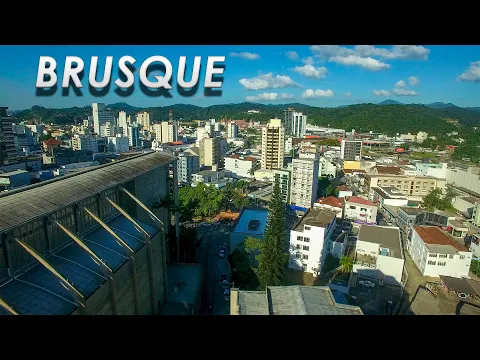
Pioneering: The City Changed the History of Brazilian Elections
Brusque hosted, in 1989, the first practical test of the electronic ballot in Brazil, a milestone that initiated the transformation of the national electoral system.
The local experience contributed to the modernization of voting processes and the progressive adoption of technology throughout the country.
Another cultural symbol is the traditional Cuca de Brusque, celebrated at the National Cuca Festival, which preserves European gastronomic heritage.
Quality of Life and Infrastructure That Attract New Residents
The combination of safety, a strong economy, and modern infrastructure positions Brusque among the most desired municipalities in Santa Catarina.
The healthcare and education systems are regionally recognized, while the job market stands out especially in the structured textile sector.
The cost of living maintains a balance in relation to the standards of developed regions, coupled with proximity to beaches and established tourist centers.
Brusque, More Than a Destination: A Complete Experience
For living, doing business, or visiting, Brusque offers safety, an organized economy, active culture, and a welcoming urban environment in the Itajaí Valley.
In addition to its core attributes, the city preserves community hospitality, green areas, bike lanes, and public spaces that reinforce daily well-being and social integration.
With information from Diário do Litoral.






Seja o primeiro a reagir!