





 Portuguese
  English
  Spanish
 3 min of reading
  5 comments


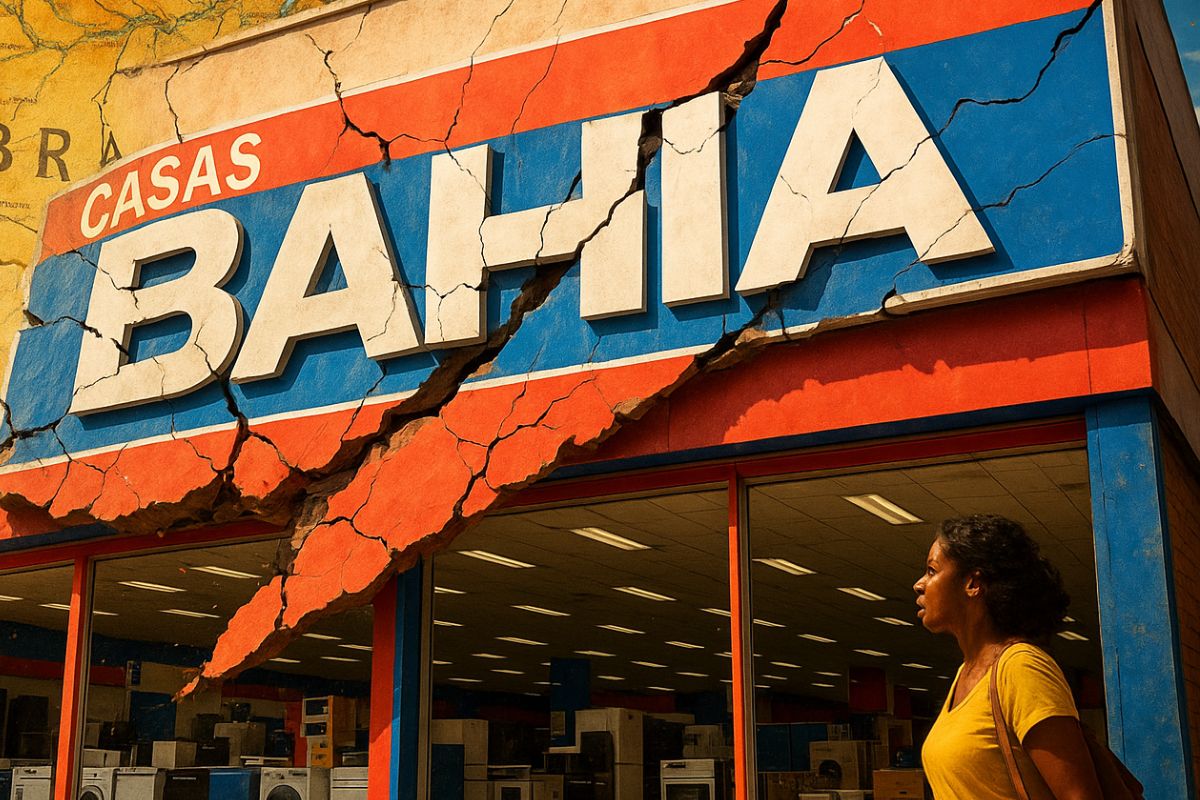


Acquisition by Mapa Capital Calls Traditional Policies into Question and Paves the Way for a Complete Brand Restructuring
The sale of Casas Bahia to Mapa Capital marks the end of a historical cycle of nearly seven decades in the national retail market. Founded in 1957, the chain has established itself as a reference in affordable prices and easy credit, especially for consumers from classes C, D, and E.
Now, with 85.5% of the stake acquired by Mapa Capital, the company’s future will depend on new strategies that may transform or even break practices that have shaped the brand’s relationship with millions of Brazilians.
The move comes at a time of intense changes in the sector, marked by accelerated digitalization, pressure for efficiency, and new consumption models. According to experts, the transition is a risky bet: while it opens up space for modernization and expansion, it may alienate a loyal audience if the changes disregard the identity built over decades.
-
A new law being voted on in Brazil proposes a minimum fare of R$ 10 per trip and R$ 2.50 per kilometer for Uber and 99 drivers, and promises to ensure they earn as well as taxi drivers did during the golden age of taxis in the country.

-
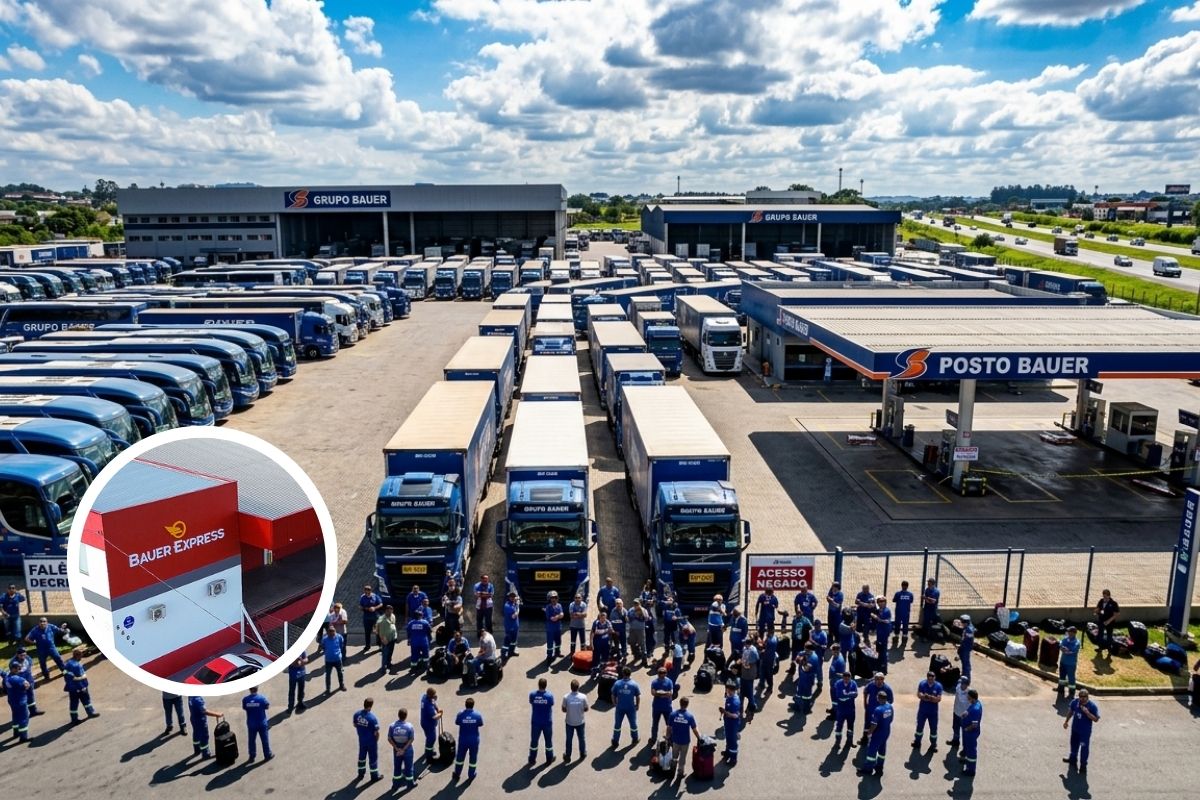
Bauer Group collapses after failed judicial recovery: 25 years, 800 vehicles, and a network of gas stations leave a debt of R$ 50 million and 100 layoffs, exposing costs, tight margins, and expensive credit in Brazil.
-
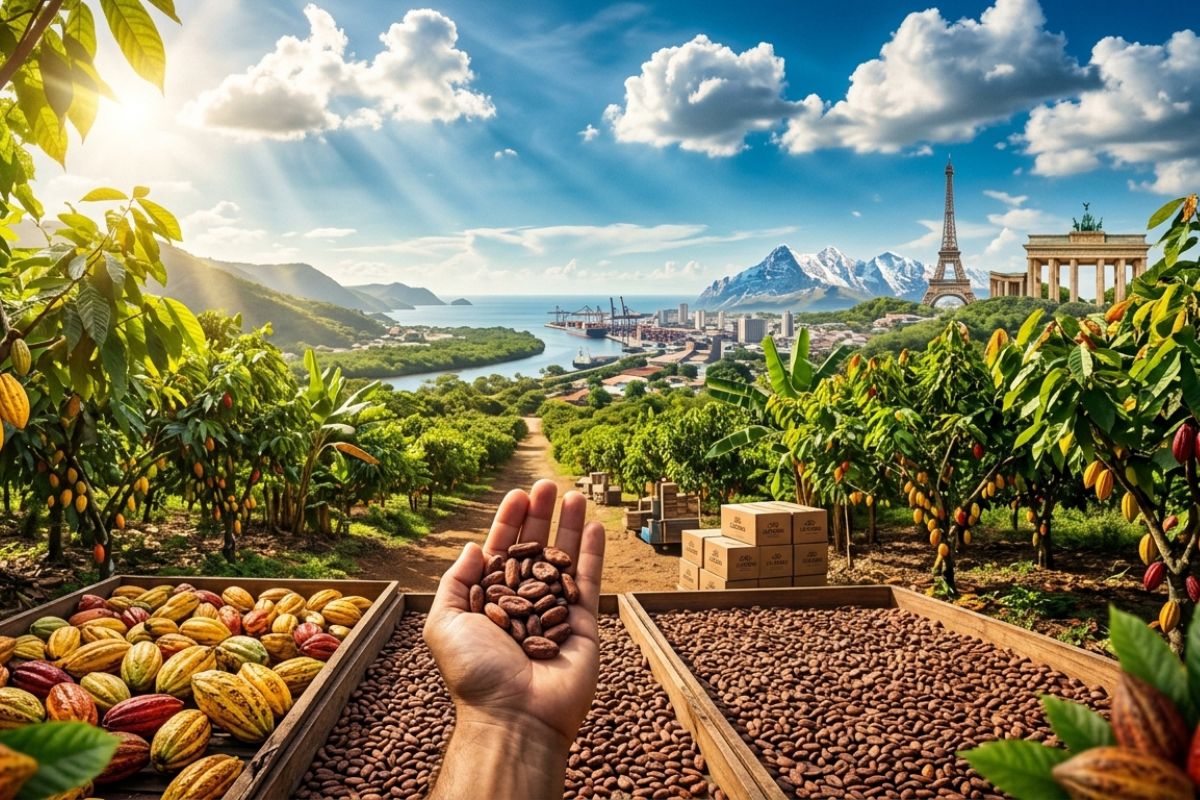
Premium Brazilian brand born during the pandemic brings fine cocoa from Bahia to Switzerland, Germany, and France, has won 9 awards, and claims to have the 2nd best milk chocolate in the world: meet Luz Cacau.
-
Júnior Friboi has just purchased one of the largest feedlots in all of Brazil, located in Goiás, with the capacity to produce 180,000 cattle per year, and the manager has already come forward to reassure employees about layoffs.


What Changes for Casas Bahia Customers
The main concern revolves around the maintenance of accessible credit, a policy that helped establish the chain as a facilitator of durable goods consumption. Although Mapa Capital has yet to detail the new business plan, there is speculation that the sales model may be restructured to integrate more technology and digital sales, with greater presence in e-commerce and less dependence on physical stores.
For consumers who rely on long installments and no bureaucracy, any changes to this format could represent a barrier to access. However, Mapa Capital may choose to maintain part of this differential, adjusting it to the new financial and operational demands.
Possible Changes in Stores and Business Model
There has not yet been an official announcement regarding the redesign of the units, but market sources point to three main directions:
- Digital Transformation: increase in online sales and integration between physical and virtual channels.
- Store Reformulation: more streamlined spaces, focusing on experience and optimized product display.
- Review of Credit Policies: possibility of maintaining special conditions, but with new criteria.
This restructuring follows a trend seen in other major chains that have adopted hybrid formats to reduce costs and increase competitiveness.
The Historical Weight and Challenge of Mapa Capital
Casas Bahia is not just a commercial brand but a symbol of accessibility and consumption inclusion. Under new management, the company will need to balance innovation with the preservation of a legacy that holds strong emotional value for millions of families.
The success of this transition will depend on how Mapa Capital communicates and implements the changes. In an increasingly competitive market, maintaining customer trust will be as important as modernizing operations.
And you, do you believe that the sale of Casas Bahia will preserve the essence of the brand, or do you fear that it will lose its historical identity? Share your opinion in the comments.





O ponto mais sensível de qualquer consumidor e o Bol$o. Isso enfraquece qualquer estratégia de fidelização. Estrutura de custos enxuta e ofertas escalam os faturamentos. Crédito é outro problema, ninguém vende para um quebrado
Eu acho que ela com essa modernização não vai consolidar a confiança de milhões de brasileiros que compravam , inclusive eu comprei e nesse mercado competitivo será difícil ela seguir os padrões antigos.
Acredito que deve manter com mesma base de crédito pra manter antigos clientes e conquistar novos clientes