





 Portuguese
  English
  Spanish
 5 min of reading
  2 comments


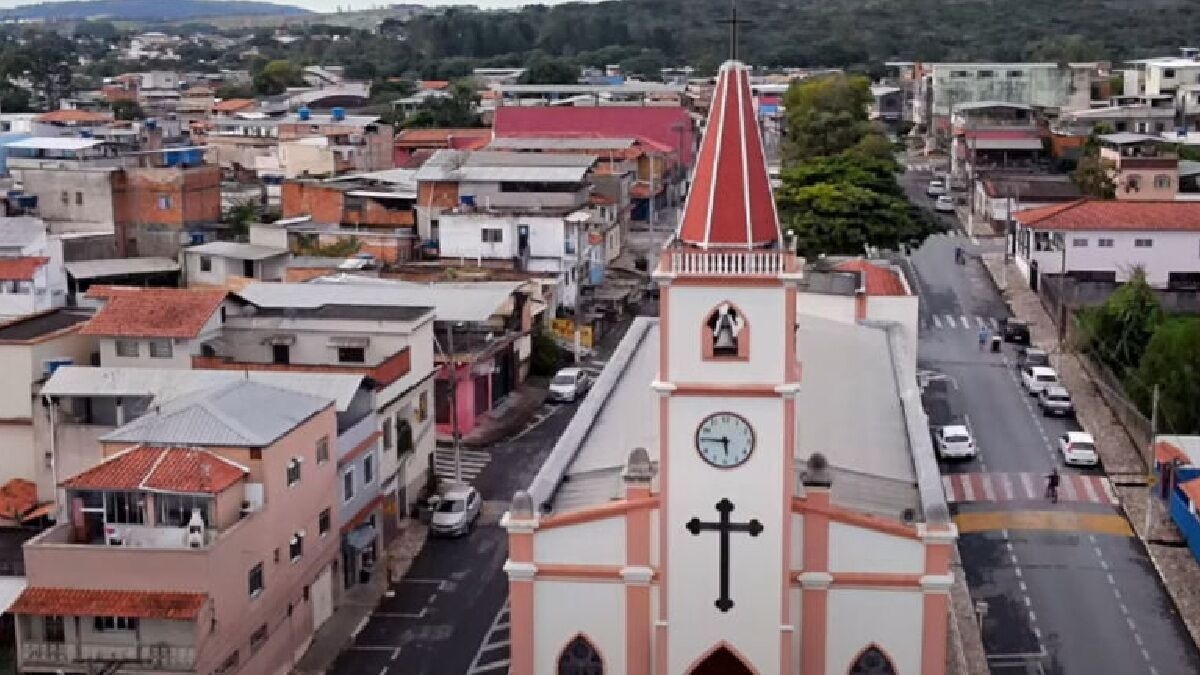


Despite Being Only 3.565 km² in Size, the Smallest Municipality in Brazil Impresses with Its High HDI, Strong Trade, Handicrafts, and Traditional City Festivals
The smallest municipality in Brazil stands out for its small size and its economic and cultural significance.
With only 3.565 km², Santa Cruz de Minas, in the interior of Minas Gerais, is recognized as the smallest municipality in the country by territorial extension.
Despite its small size, it is home to about eight thousand inhabitants and boasts a High Human Development Index, reinforcing its quality of life.
-
Friends have been building a small “town” for 30 years to grow old together, with compact houses, a common area, nature surrounding it, and a collective life project designed for friendship, coexistence, and simplicity.

-
This small town in Germany created its own currency 24 years ago, today it circulates millions per year, is accepted in over 300 stores, and the German government allowed all of this to happen under one condition.

-
Curitiba is shrinking and is expected to lose 97,000 residents by 2050, while inland cities in Paraná such as Sarandi, Araucária, and Toledo are experiencing accelerated growth that is changing the entire state’s map.

-
Tourists were poisoned on Everest in a million-dollar fraud scheme involving helicopters that diverted over $19 million and shocked international authorities.


Located approximately 180 kilometers south of the capital city, the town holds unique characteristics that attract visitors and strengthen local pride.
Economy Linked to Services and Craft Tradition of the Smallest Municipality in Brazil
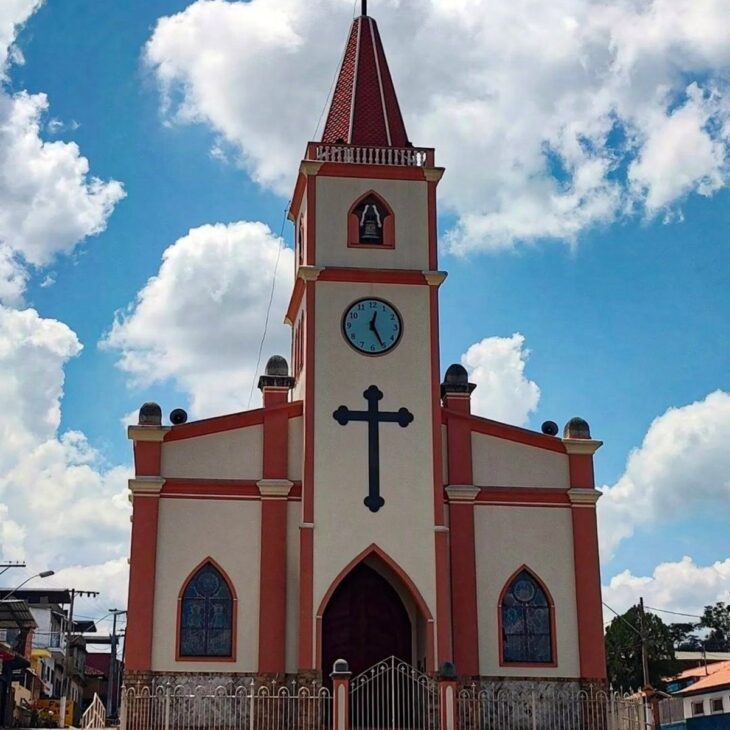
Santa Cruz de Minas is part of the Campo das Vertentes region and has an economy strongly anchored in the services sector.
This model grants the municipality one of the highest GDPs in the microregion, especially sustained by trade and services.
In addition, the industry plays an important role, particularly in the production of handcrafted furniture and food.
Many of these items, produced using traditional techniques, gain traction beyond Minas’ borders and reinforce the cultural and economic identity of the town.
The town is situated in an area of rocky fields, recognized as a refuge for species of insects, arachnids, amphibians, reptiles, and birds.
This environmental wealth adds value to its position as a destination for those seeking to explore historical and productive cities in the interior of Minas Gerais.
Tourist and Cultural Attractions

Among the main attractions of Santa Cruz de Minas is the Bom Despacho Waterfall, located in the Serra de São José, on the border with Tiradentes.
It is at this point that one finds the “zero milestone” of the Estrada Real, established in April 2003, a historical landmark of great significance.
Another highlight is the artisanal production, which, although recently structured, has already established itself as an important source of income for the residents.
The municipality also excels in the manufacturing and sale of colonial-style furniture and decorative items in iron, ceramics, and fiber, further broadening its range of attractions.
Festivals That Strengthen Local Identity
The cultural agenda of Santa Cruz de Minas includes events that boost the economy and provide leisure for the population. The Feast of Saint Sebastian, held in January, features shows, traditional foods, and mass in honor of the patron saint.
The Carnival, celebrated between February and March, highlights local blocks, traditional songs, and performances by regional bands.
In October, the Feast of Our Lady of the Rosary includes processions, traditional foods, and musical attractions. In December, the city’s anniversary is celebrated with programs marking the date.
Santa Cruz de Minas, despite its small area, shows how tradition, diverse economy, and vibrant culture can unite in a unique space.
Smallest Municipality in Brazil Shows Good Social Indices and High Population Density
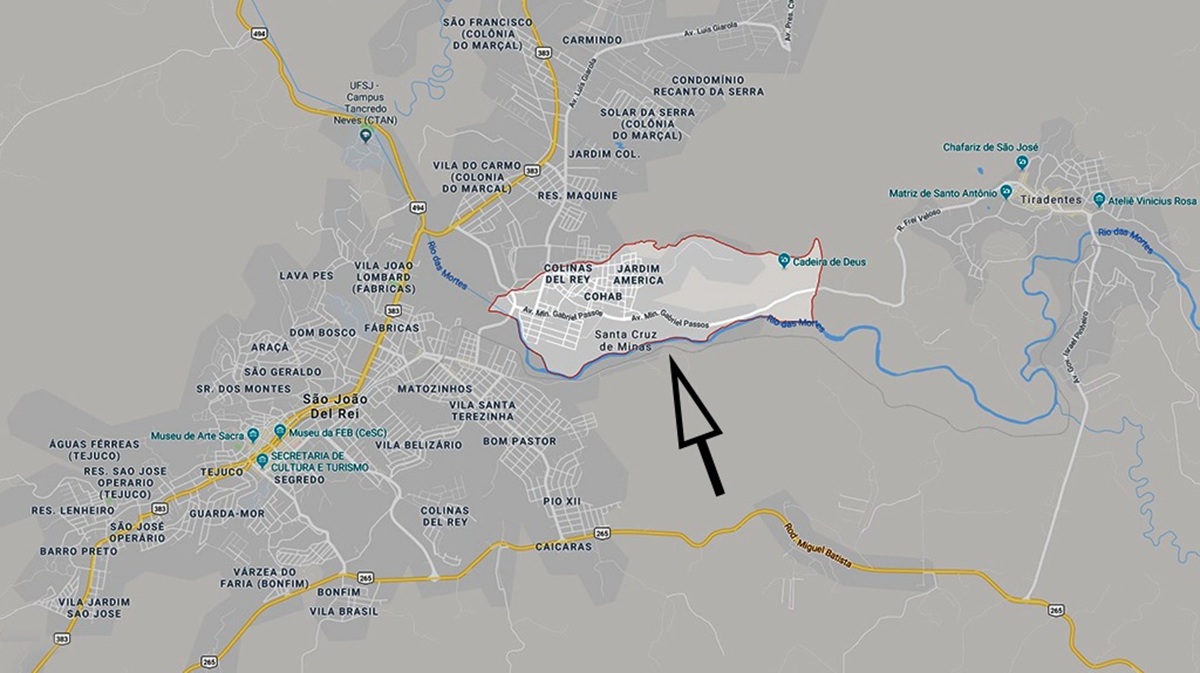
The 2022 Census revealed new data about Santa Cruz de Minas. With only 3.565 km², the city has 8.109 inhabitants, resulting in one of the highest population densities in the country, with 2.274,61 inhabitants per square kilometer.
In 2025, the estimated population has already reached 8.339 people, showing constant growth even in such a limited area.
Education and Human Development
In the educational field, IBGE’s survey indicated a 98.1% schooling rate among children aged 6 to 14, confirming the population’s access to basic education.
Another important figure is the Municipal Human Development Index (IDHM), calculated at 0.706, a value considered high and which reinforces the city’s quality of life.
Economy and Revenue
Even as the smallest municipality in area, Santa Cruz de Minas generates significant figures. In 2024, the total gross revenue reached R$ 41.3 million, while expenses incurred amounted to about R$ 36.4 million.
The recorded per capita GDP was R$ 11.867,33, a number that reinforces the economic relevance of the municipality given its small territorial area.
The result is explained by the strong presence of the services sector, artisanal industry, and activities linked to tourism, which have become pillars of the local economy.
History and Origin of the Municipality
Santa Cruz de Minas has a history marked by transformations. It was elevated to the category of a town in 1962, emancipated in 1995, and officially installed on January 1, 1997.
The first settlers were the bandeirantes, in a region crossed by the Rio das Mortes, a name that refers to the battles fought during the gold rush.
The place was initially known as “Passagem do Rio das Mortes,” later changing to Porto Real da Passagem, Vargem do Porto, and finally, Porto, a strategic point for the arrival and departure of goods.
From that port, explorers set out to establish settlements, founding cities such as São João del-Rei, Tiradentes, and Santa Cruz de Minas.
In what is called the Arraial do Córrego, the current settlement emerged, initially belonging to São João del-Rei, then to Tiradentes, until it reached emancipation.
In 1937, the first outdoor mass was celebrated, marking the blessing of the local chapel’s foundation stone, erected on land donated by the Tiradentes City Hall.
The cross installed gave rise to the name of the city. The chosen patron saint was Saint Sebastian, and the official demonym is santacruzense.
Serra da Saudade: the Smallest Municipality in Brazil by Population
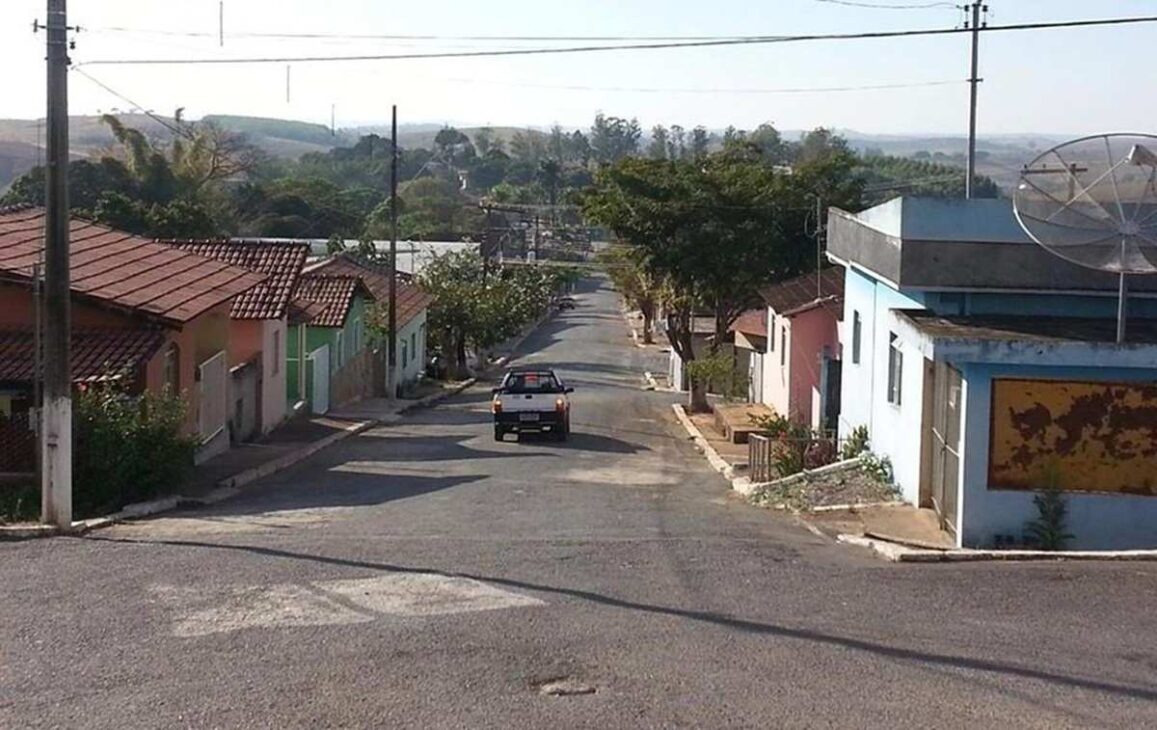
Serra da Saudade, in the interior of Minas Gerais, holds a peculiar title that arouses curiosity throughout the country: it is the smallest municipality in Brazil by population.
According to data from the Brazilian Institute of Geography and Statistics (IBGE), the municipality has just over 770 inhabitants, a number that places it at the top of the national ranking of least populated places.
Despite its small number of residents, the city occupies a territorial area of approximately 335 km², revealing a curious contrast between its physical dimension and low population density.
The ample space, combined with a tranquil routine, transforms Serra da Saudade into a symbol of the simple life in the interior of Minas Gerais.
Economy Based on Agriculture and Livestock
The local economy is primarily supported by agriculture and livestock. Small rural properties ensure food production and maintain the traditional lifestyle of the town.
The raising of cattle and the cultivation of subsistence crops make up the income base for most residents, reinforcing the agricultural vocation of the region.
Even without industries or large businesses, Serra da Saudade finds strength in the cooperation among its inhabitants and in the appreciation of rural practices that have been maintained for generations.
The simplicity of daily life, combined with a community spirit, has become a hallmark of the municipality.
Quality of Life and Cultural Identity
Although it has few inhabitants, the town maintains basic services that ensure the quality of life for its population.
The slowed pace, characteristic of the countryside, combined with close interactions among neighbors, strengthens social ties and creates an environment of safety and welcome.
The local culture also manifests in traditional festivals, religious celebrations, and popular events that bring residents together around their roots.
These traditions help preserve the municipality’s identity and reinforce the sense of belonging among the residents of Santa Saudade.










Muito legal esta cidade
Bacana! Sinal de que não é o tamanho que determina o sucesso de uma localidade, mas sim o que se faz de correto.